REVIEW · NEW DELHI
Sanjay Colony Slum Tour
Book on Viator →Operated by Reality Tours & Travel Pvt Ltd · Bookable on Viator
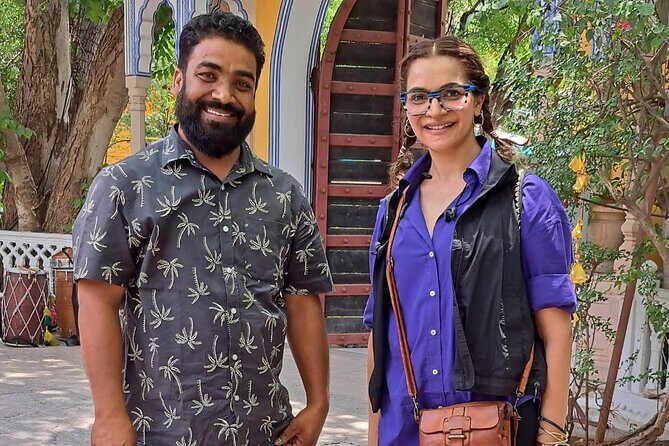
Sanjay Colony changes how you see Delhi. This 1 hour 45 minute walking tour takes you into a real residential community in South Delhi—where family homes and temples sit next to small industries and everyday hustling. I especially like the small-group feel and the fact that many guides bring personal, local perspective, including names like Dolly and Ajay, who can explain what life is actually like.
Two more things I like: the route is structured enough to keep you from getting turned around (there’s little signage), and your money supports education and social impact projects inside the community. The main drawback is also the most important one: you’ll see poverty up close, and the tour enforces a no photography rule out of respect, so you need to come with the right mindset.
In This Review
- Key things that make this tour worth your time
- Why Sanjay Colony feels like a real community (not a spectacle)
- Price and where your money actually goes (value check)
- Meeting at Harkesh Nagar Okhla: easy connectivity, minimal friction
- The All Surplus Store market stop: where industry and daily life collide
- The walking route: homes, temples, small businesses, and the school connection
- Respect rules that keep the tour ethical (and make it feel safe)
- How the guides turn questions into real context
- Who should book this Sanjay Colony tour (and who might want a different day)
- Should you book Sanjay Colony now?
- FAQ
- How long is the Sanjay Colony Slum Tour?
- What is included in the ticket price?
- Where do I meet, and where does the tour end?
- Is hotel pickup included?
- Is photography allowed inside Sanjay Colony?
- How big are the groups?
Key things that make this tour worth your time
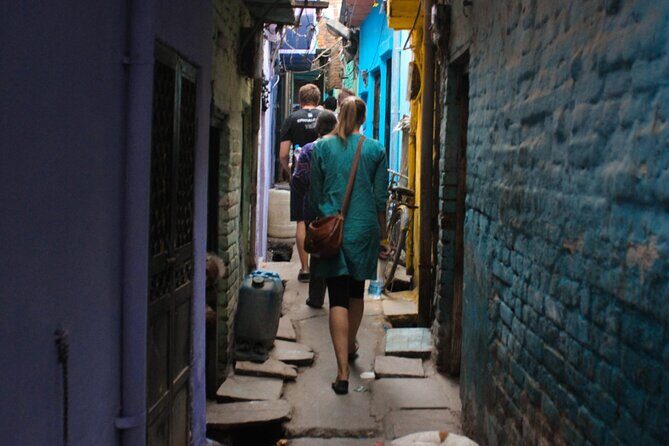
- Small group size (six max) means you’re not just herded through alleys.
- Local English-speaking guides can answer real questions; guides like Naresh and Cavita stand out for Q&A.
- All Surplus Store / market stop shows how work and commerce mix into neighborhood life.
- Education-focused impact means your ticket supports a school and ongoing programs.
- Water/cold drink included, which matters on a warm walk.
- No photography in Sanjay Colony, so you’ll experience it with your eyes, not your camera.
Why Sanjay Colony feels like a real community (not a spectacle)
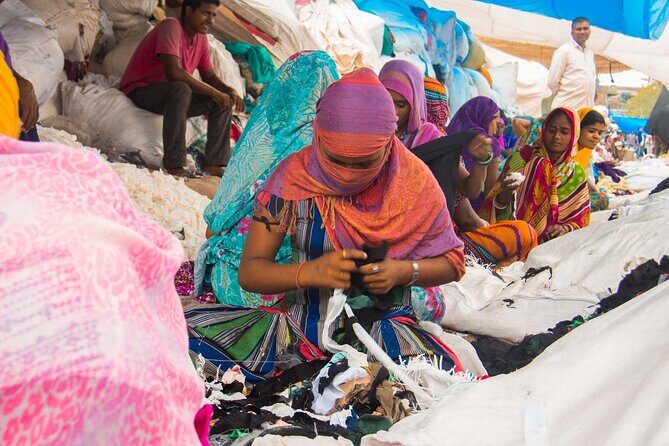
If you’re used to Delhi sights—big monuments, polished museums—Sanjay Colony is a different kind of education. It’s not about “looking at people.” It’s about walking through a working neighborhood where families manage daily life, small businesses keep moving, and religion and community spaces matter.
The route typically shows you the mix: family homes, small enterprises, temples, and a local school. That combination is key. You get context for why the area feels busy even though it’s mainly residential. One of the most useful parts of the tour is that it helps you understand the neighborhood’s rhythm—market activity, work routines, and what community support looks like when government help is limited.
A big reason the experience lands well is how the guide talks. When the guide can explain without judgment—how people earn money, how children get educated, what challenges remain—you start to see systems, not just hardship. And you’ll likely notice a tone that stays respectful. The tour isn’t designed to make you feel shocked. It’s designed to make you understand.
You can also read our reviews of more tours and experiences in New Delhi.



Price and where your money actually goes (value check)
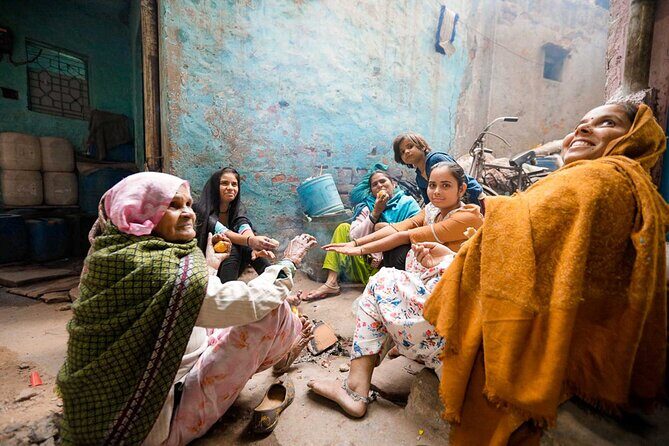
The ticket price is $21.20 per person for about 1 hour 45 minutes. That’s not “cheap” in the way street food is cheap, but it’s also not inflated tourist pricing. What makes it feel fair is the impact model: proceeds support educational and social impact projects in local communities, and the tour operator funds programming such as a school.
In plain terms: you’re paying for (1) a guided walk that gets you oriented, (2) time with a local guide who can explain what you’re seeing, and (3) a direct funding path back into local education. Several guides mention the school and educational work as part of what your visit supports. One guide also described medical-related community support happening through doctors giving time—again, the point isn’t “medical tourism,” it’s showing how services get organized locally.
Is it guaranteed that you’ll see every facility every day? That’s possible, depending on access and what’s open during your departure. But the structure—market stop, neighborhood walk, and the school/education connection—stays consistent. You’re buying context and access, not just a photo-friendly stroll.
Meeting at Harkesh Nagar Okhla: easy connectivity, minimal friction

You don’t get hotel pickup. Instead, you meet near Harkesh Nagar Okhla (Harkesh Nagar Okhla, Okhla Phase II, Okhla Industrial Estate, New Delhi). The good news: this area ties into Delhi’s public transport. The tour also ends back at Harkesh Nagar Okhla metro station, which makes it simple to continue your day without extra taxi plans.
This “meet and walk” style matters for budget travelers. You’re not paying for a private car, and you’re not wasting time waiting at a hotel lobby. It also helps you experience the neighborhood without a vehicle cutting you off from the reality of walking routes, lanes, and side streets.
Bring a bit of planning sense:
- Wear modest, respectful clothing that covers shoulders and knees.
- Expect a walking pace that’s designed for local navigation, not sightseeing photos.
- Use your phone for directions only—no photography is permitted once inside Sanjay Colony.
If you’re coming with kids, the setup can work well because the guides answer questions in plain, human terms. One guide, Naresh, handled an 8-year-old’s questions impressively, which tells you the tour can be taught, not lectured.
The All Surplus Store market stop: where industry and daily life collide
The tour includes a stop in Sanjay Colony’s market area, specifically described as All Surplus Store. This is a smart starting point because it shows you how work and neighborhood life overlap. Sanjay Colony may be mainly residential, but it’s also active due to the industries around the community. The market is where you can begin to connect the dots: how people buy supplies, how small commerce supports households, and how daily work affects what you see on the streets.
What makes this stop useful for you is that it reframes the place. If you arrive expecting a quiet residential pocket, you may be surprised. But once you understand the industrial edge of the neighborhood, the rest of the walk makes more sense. You start seeing why certain buildings feel “busy,” why shops are positioned where they are, and how families build stability through local work and small enterprises.
There’s also a practical benefit to starting at a recognizable commercial point: it anchors your route. Without signage, neighborhoods like this can feel confusing. A guided walk reduces the chance you’ll wander in the wrong direction or feel awkward trying to “figure it out” alone.
The walking route: homes, temples, small businesses, and the school connection
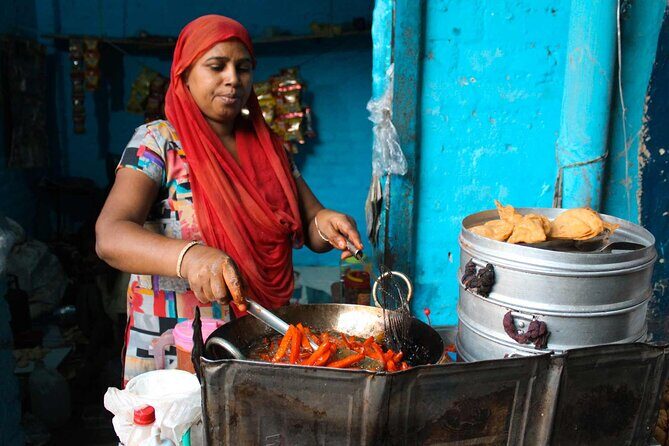
After the market orientation, the tour typically moves through the neighborhood’s everyday spaces. You can expect to pass:
- family homes
- small businesses and workplaces
- temples and shared religious spaces
- a local school tied to the tour operator’s education efforts
This mix is where the tour earns its 5-star reputation. People often imagine slum tours as bleak and one-note. Instead, the tour shows the day-to-day structure that lets community life function: places of worship that anchor routine, schools that create a future, and small businesses that keep money cycling through households.
You might also get a “zoomed out” perspective at some point, depending on the guide’s route. One guide described leading visitors to a rooftop to view the wider area. Even if you don’t get that exact moment, expect at least some explanation that helps you map what you’re seeing. That’s important because Sanjay Colony isn’t set up for easy navigation by outsiders.
One thing to keep in mind: not every visit will include the same open doors. Some facilities may be closed on a given day. But the core idea remains: you’re not meant to simply stare; you’re meant to connect what you’re seeing to how residents live, work, learn, and keep improving their situation.



Respect rules that keep the tour ethical (and make it feel safe)

The tour has two major respect boundaries you should plan for in advance:
No photography in Sanjay Colony. The rule is explicit and tied to resident respect. That means no discreet phone snapshots either. If you want a record, take mental notes and rely on your guide’s explanations. This rule can actually make the experience better. You pay closer attention when you’re not distracted by filming.
Conservative dress code. Shoulders and knees should be covered. This isn’t about fashion; it’s about fitting into a community setting where conservative norms matter.
Now the “safe” part. Multiple guides and experiences emphasize a low-pressure, organized approach. That’s a big deal for you because slum visits can trigger anxiety if you’re left to improvise. Here, you follow the guide’s pacing and routes. You’re also in a small group, which helps everyone stay together and keeps the experience from turning into a chaotic crowd.
Also, keep your expectations realistic. You will see hardship. That’s not a failure of the tour—it’s part of the point. But the tour doesn’t run on sensationalism. It focuses on everyday life, achievements, and ongoing improvement efforts, including school support and education programming.
How the guides turn questions into real context

One of the strongest parts of this tour is that the guide role isn’t just “walk and point.” It’s storytelling with responsibility. You’ll likely hear how the guide sees the neighborhood and how the community works from the inside.
Different guides bring different strengths, but several names show up in a way that hints at consistent quality:
- Dolly and Doli for strong storytelling and clear answers
- Ajay for first-hand commentary from someone with close ties to the colony
- Naresh for handling questions patiently, including those from younger visitors
- Cavita for kindness and a memorable, humane pace
- Hema, described as passionate with a good sense of humor
That blend matters for you because it changes how you experience the walk. Instead of feeling like you’re consuming someone else’s struggle, you start learning how residents see their own community. You also get help navigating sensitive topics without turning them into gossip.
If you like to ask questions, this is a good fit. The tour tends to work best when you treat the guide like a teacher, not a tour jukebox. Bring curiosity, and you’ll get answers.
Who should book this Sanjay Colony tour (and who might want a different day)
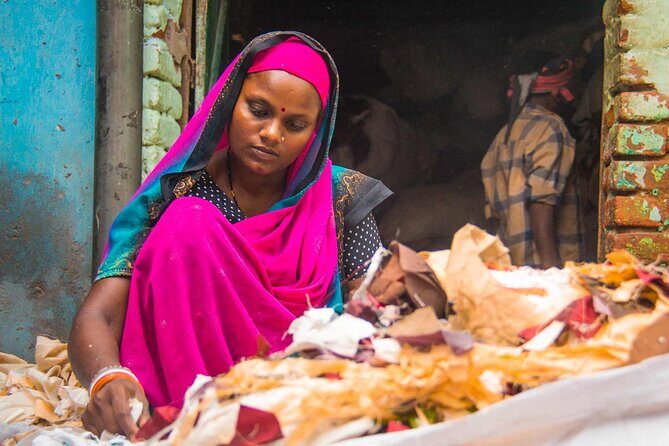
This tour is a strong match if you want something real in Delhi without needing local connections. It’s also a good choice if you care about education impact and want your visit to support programs rather than just observe.
It’s especially suitable for:
- first-time Delhi visitors who want a view beyond the usual monuments
- people who prefer small groups and respectful, guided access
- anyone interested in how education and community support function where resources are limited
It may not be your best match if:
- you’re looking for a light, purely recreational city walk
- you need constant photo opportunities (the no photography rule is firm)
- you get overwhelmed by seeing poverty up close
Remember: the tour is described as not exploitative. The intent is responsible, and the rules reflect that. Still, you should come prepared to feel things. The best tours of this type don’t numb you; they help you understand.
Should you book Sanjay Colony now?
Book it if you want a deeper, more human Delhi experience—and you’re willing to follow the guide’s rules. At $21.20, you’re paying for guided orientation, local storytelling, and education funding tied to the community. The small-group setup and the no photography policy push the experience toward respectful learning instead of photo tourism.
Skip it only if you want a “sightseeing only” day, or if the idea of walking through a low-income residential environment will stress you out more than it teaches you. If that’s you, pick a different Delhi day and come back when you’re ready for this kind of perspective shift.
FAQ
How long is the Sanjay Colony Slum Tour?
It lasts about 1 hour 45 minutes (approx.).
What is included in the ticket price?
You’ll get a local English-speaking guide and water/cold drink.
Where do I meet, and where does the tour end?
You meet near Harkesh Nagar Okhla (Okhla Phase II, Okhla Industrial Estate). The tour ends at Harkesh Nagar Okhla metro station for easy connectivity.
Is hotel pickup included?
No. There is no hotel/residence pickup or drop-off.
Is photography allowed inside Sanjay Colony?
No photography is permitted while in Sanjay Colony, out of respect for residents.
How big are the groups?
The experience can be booked for a group limited to six people, or you can opt for a private tour. The activity also has a maximum of 25 travelers.