REVIEW · JAIPUR
Safari In Jhalana Leopard Conservation Reserve, Jaipur
Book on Viator →Operated by BanBanjara · Bookable on Viator
Chasing leopards in the middle of Jaipur feels unreal. This 2.5-hour Jhalana Leopard Conservation Reserve safari is designed to get you out on an open-air Jeep with a forest expert guide, focused on spotting leopards and the wildlife and birds that live alongside them. You’ll be choosing from convenient morning or afternoon slots, with an upgrade option to catch sunrise or sunset from a special animal-viewing platform.
What I like most is how practical the setup is: you’re in the reserve for long enough to have multiple chances, and you get guidance from someone focused on reading animal behavior and bird activity. Another strong point is the value for the basics—bottled water plus soft drinks are included, and your trip covers the Jeep, guide, and permits. The one drawback to consider is that access depends on government permits, and if permits aren’t available you’ll switch to the alternative Amagarh safari route, with no refunds.
In This Review
- Key things to know before you go
- Jhalana Leopard Conservation Reserve: the city-close safari you should plan like a real outing
- What you’re really hunting for: leopards, cubs, and the rest of Rajasthan’s wildlife
- The forest expert guide: how bird knowledge boosts your odds
- The open-air Jeep and your 2.5-hour rhythm: what to expect on the drive
- Morning or afternoon: choosing the slot that fits your energy and goals
- Price and value: why $48 can be a fair deal (and where it can get messy)
- The sunrise and sunset upgrade: when the extra cost makes sense
- Where you meet and how the timing usually works
- If Jhalana permits aren’t available: switching to Amagarh without losing the day
- Who this safari suits best (and who should think twice)
- Should you book this Jhalana safari?
- FAQ
- How long is the Jhalana Leopard Conservation Reserve safari?
- Where do I meet for the safari in Jaipur?
- What safari times can I choose?
- Is this safari private?
- What’s included in the price?
- What animals and birds are mentioned for the reserve?
- What happens if Jhalana permits are unavailable?
- What if weather is bad?
Key things to know before you go
- Jhalana is city-close: you start and end at Jhalana Leopard Safari Park in Jaipur, so travel time stays tight.
- A guide changes the whole experience: a forest expert helps you track both mammals and birds during the drive.
- You’re paying for more than transport: Jeep, permits, fees, and drinks are included in the price.
- Two fixed safari windows: 6:45–9:30 AM or 3:30–6:15 PM, plus add-ons for sunrise/sunset viewing.
- Leopards are the headline, birds are a bonus: you may spot Indian Pitta, Dusky Eagle, Owl, and Spotted Owlet.
- Permits can force a swap: if Jhalana permits are unavailable, you’ll be rerouted to Amagarh.
Jhalana Leopard Conservation Reserve: the city-close safari you should plan like a real outing
Jhalana Leopard Conservation Reserve is one of those rare wildlife experiences that feels close to real life, not cut off behind a fence and a long drive. Even though you’re in Jaipur, you’re heading into a controlled conservation area where you can spend around three hours searching for wildlife with an expert guide.
Your safari is private in the sense that it’s only your group on the activity, not a shared tour with strangers layered on top of you. That matters because it keeps the pace calmer and makes it easier to focus when the guide is calling out movement—whether it’s a bird shifting through brush or a mammal turning up where you didn’t expect it.
Timing is everything in safaris like this, and the tour gives you two clear options. You can pick the early slot (6:45 AM to 9:30 AM) or the afternoon slot (3:30 PM to 6:15 PM). That structure is helpful because you can build the rest of your day around it without gambling on flexible start times.
And yes, leopards are the headline. But the reserve is also about the ecosystem—desert-dwelling and scrub-friendly animals, plus the birds that stay active during the same windows.
You can also read our reviews of more tours and experiences in Jaipur.


What you’re really hunting for: leopards, cubs, and the rest of Rajasthan’s wildlife
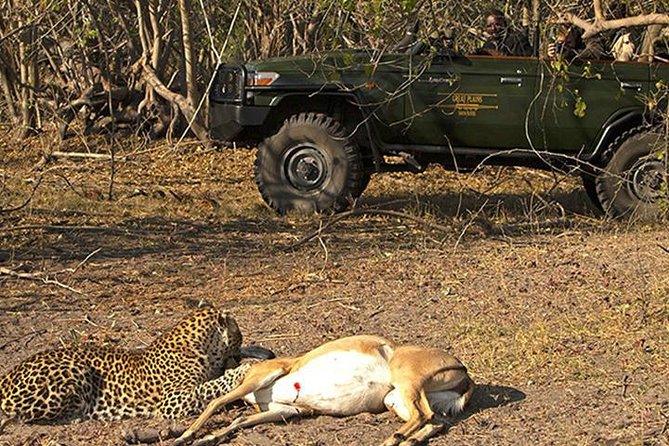
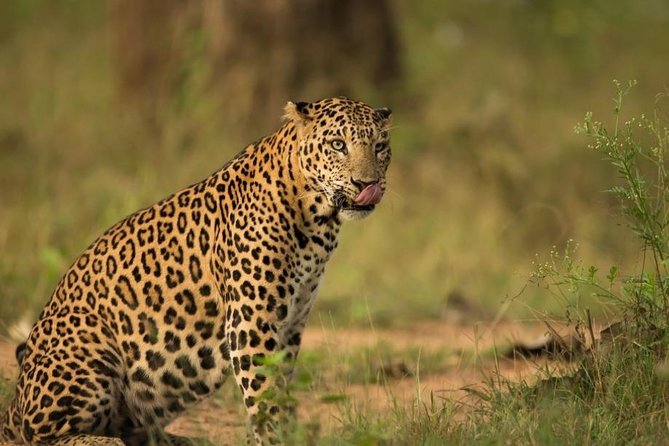
The tour is built around a strong leopard population: Jhalana is presented as home to more than 30 leopards and about 5 cubs at the time of booking information. In plain terms, that increases your odds of actually seeing leopard activity during your time window, compared to a place where leopards are rare or spread out.
Still, no one can guarantee leopard sightings. What you can reasonably expect is wildlife presence across the reserve—especially if you’re willing to look at more than just the big cat. The reserve is described as hosting animals indigenous to Rajasthan such as striped hyena, desert fox, golden jackal, blue bulls, rhesus macaque, Bengal monitor, porcupines, chital, Indian palm civets, and more.
That list is a big part of why I think this safari can feel worth it even when the leopard is quiet. If you get a glimpse of hyenas passing through, a fox moving along the edge of the habitat, or monkeys active near vegetation, your 2.5 hours still feels like a real conservation encounter rather than a single-species gamble.
You’ll also get bird watching value. Jhalana is presented as having a large population of bird species like Indian Pitta, Dusky Eagle, Owl, and Spotted Owlet. If you like wildlife for the sounds as much as the sights, this is the sort of safari where the guide’s bird knowledge can turn your drive into an actual checklist day.
The forest expert guide: how bird knowledge boosts your odds
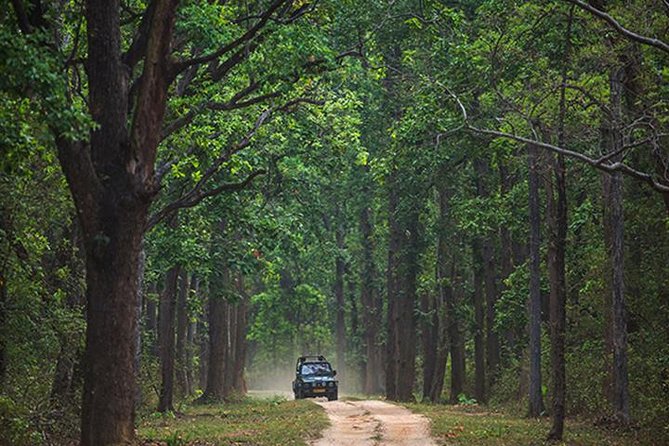
This experience specifically pairs you with a guide described as a forest expert. That’s not just marketing wording. In practice, the difference between seeing animals and truly enjoying the hunt is often the guide’s ability to read tiny changes—where movement is coming from, how birds respond, and what habitat features tend to draw activity.
If you’re a bird person, you’ll likely appreciate this the most. The reserve’s listed species include both daytime birds (like Dusky Eagle) and more elusive birds (like Owl and Spotted Owlet). Calling those out isn’t always easy from a vehicle, so you’ll benefit from having someone who can help you aim your attention fast and avoid missing the brief moments when birds actually reveal themselves.
If you’re not a bird person, you still get value. Birds often act like a signal system for what’s going on in the reserve. When something shifts, birds react first—then mammals follow.
The open-air Jeep and your 2.5-hour rhythm: what to expect on the drive
Your safari uses Jeep transportation through the Jhalana forest area. That open-air setup is a key reason this can feel exciting. You’re not watching through glass, and you’re more likely to notice small movement in the habitat right when it happens.
The tour duration is listed as about 2 hours 45 minutes, which is long enough for a true search pattern. It’s not just a quick spin around a track. You get time to settle in, adjust your scanning, and re-check likely zones if wildlife activity is slow.
One practical consideration: you should plan mentally for the fact that safaris can run on a living schedule, not a clockwork one. If you’re the type who hates uncertainty, keep expectations flexible. In situations like this, timing can shift based on how vehicles and groups coordinate inside the reserve.
Comfort-wise, open-air means you should dress for Jaipur weather. Morning and evening slots can be cooler than you expect, and afternoon can bring heat. Wear layers you can adjust quickly, and consider sunglasses and light protection for the glare and dust that often come with Jeep-based wildlife drives.
Morning or afternoon: choosing the slot that fits your energy and goals
You have two safari windows to choose from: 6:45–9:30 AM or 3:30–6:15 PM. Both can work, and your choice mostly comes down to two things: your tolerance for early mornings and what wildlife you’re most excited to see.
Early morning tends to be a good bet if you want the reserve when animals are more active and visibility is strong. Afternoon can be great if you prefer a slightly calmer start and like the idea of catching wildlife as the light begins to change.
If you’re upgrading for sunrise or sunset, this also affects your planning. The tour offers an add-on option to admire sunrise or sunset from a special animal-viewing platform, at an additional cost. That’s the kind of upgrade that makes the experience feel more like a moment in nature instead of a checklist mission.
If you’re unsure, pick the slot you can show up for in a relaxed mood. For wildlife viewing, your attitude matters. If you’re rushing, tired, or stuck in a bad mood, you’ll miss details the guide is trying to show you.





Price and value: why $48 can be a fair deal (and where it can get messy)
The listed price is $48, and your experience is set up as a private tour/activity with group discounts. At this price point, what makes it feel like value is that the core costs are covered: Jeep transportation in Jhalana, a guide and forest expert, all necessary permits, all fees and taxes, and included bottled water plus soda/pop juice packs.
A lot of safari-type tours sneak costs in later. Here, you’re being told up front that permits and fees are included, which matters because permits are often the expensive part of wildlife access.
That said, the “value” part depends on whether Jhalana permits are available for your chosen date and time. The tour information states permits are subject to government control and occasional shortages. If permits are unavailable, you’re covered with an alternative: the Amagarh safari in Jaipur. Refunds won’t be issued in that case, though you can reschedule or opt for the Amagarh route.
So I’d treat this as a good-value safari if you’re flexible. If you’re locked into a strict schedule with no wiggle room, the permit system can be annoying.
Also, the overall satisfaction rating provided is 3.3 out of 5 from 21 reviews, which suggests the operation can be inconsistent. That doesn’t mean the experience is bad, but it does mean you should go in with realistic expectations and keep your phone ready for updates.
The sunrise and sunset upgrade: when the extra cost makes sense
The tour offers an upgrade to admire sunrise or sunset from a special animal-viewing platform for an additional cost. The platform is the real reason to consider this add-on.
If you love light and quiet moments, sunrise or sunset viewing can turn your safari into something more memorable than just a drive. The idea is that you’re not only scanning for animals—you’re also enjoying the way the reserve looks and feels during the changing light.
Is it worth it? It depends on your priorities.
- If you’re traveling primarily for big cats and wildlife action, you might prefer to keep the upgrade optional and put your focus into the main safari window.
- If you care about the overall experience—photo opportunities, calm atmosphere, and a slower pace—this add-on is more likely to feel like a good use of money.
Because the upgrade requires extra payment, I’d only do it if you’re the kind of person who enjoys waiting a little longer for the moment to happen rather than feeling restless.
Where you meet and how the timing usually works
You’ll meet at Jhalana Leopard Safari Park, VR4M+28P, Calgiri Marg, Malviya Nagar Industrial Area, Malviya Nagar, Jaipur, Rajasthan 302017, India. The activity ends back at the same meeting point, so you’re not stranded halfway across the city.
Your safari confirmation is supposed to come at booking time unless you book within 4 hours of travel, in which case confirmation arrives as soon as possible subject to availability. That’s a detail worth noting because wildlife access isn’t always guaranteed at the last minute.
Also, confirmation is dependent on availability for your selected slot, since the tour includes set safari times. If you’re booking late, you may find your timing options narrowed.
If Jhalana permits aren’t available: switching to Amagarh without losing the day
This is one of the most important practical bits. The tour explains that Jhalana permits are subject to government control, and shortages can happen. If permits aren’t available, you’re not left empty-handed—you can choose the Amagarh safari alternative in Jaipur.
Two important things to know:
- Refunds are not issued if you can’t access Jhalana permits.
- You can reschedule or opt for Amagarh instead.
So if you’re the type who plans around a single fixed safari slot, build in flexibility. If you’re staying in Jaipur anyway and you can adjust your schedule by a bit, this reroute option is exactly what you want to hear.
Who this safari suits best (and who should think twice)
This safari is a strong match if you want:
- A short, focused wildlife outing in Jaipur without a full day commitment
- A guide-led search that helps with both animals and birds
- A conservation-centered experience where you’re not just chasing photos but learning what lives there
It’s also good for bird watchers who want their list improved. The reserve’s bird species are part of the experience design, and the guide’s bird spotting focus is a big part of what can make your drive feel productive rather than random.
You might think twice if you:
- Need zero schedule flexibility. Permit timing can shift plans.
- Get frustrated easily by coordination delays inside the reserve setting.
- Want guaranteed leopard sightings. Leopards are possible, not guaranteed.
Should you book this Jhalana safari?
I’d book it if you’re flexible, you like wildlife and birds, and you’re comfortable with the reality of permit-based access. The included permits, fees, and drinks make the $48 price feel more honest than many safari deals. The early morning and late afternoon time windows also make it easy to fit into a Jaipur plan.
I’d be cautious if your trip depends on a single exact time with no alternatives. Because Jhalana permits can be scarce, you could end up on the Amagarh route, and no refund is offered for that specific situation.
If you do book, pack layers, show up on time at Jhalana Leopard Safari Park, and treat the experience like a live search. The most satisfying moments in safaris often come from paying attention to what the guide points out first—birds reacting, small animal movement, and then, maybe, the big cat.
FAQ
How long is the Jhalana Leopard Conservation Reserve safari?
The safari runs for about 2 hours 45 minutes.
Where do I meet for the safari in Jaipur?
You meet at Jhalana Leopard Safari Park, VR4M+28P, Calgiri Marg, Malviya Nagar Industrial Area, Malviya Nagar, Jaipur, Rajasthan 302017, India. The activity also ends back at this same meeting point.
What safari times can I choose?
You can choose from 6:45 AM to 9:30 AM or 3:30 PM to 6:15 PM.
Is this safari private?
Yes. Only your group participates.
What’s included in the price?
Included are Jeep transportation in the Jhalana forest, a guide and forest expert, all necessary permits, all fees and taxes, bottled water, and a soda/pop juice pack.
What animals and birds are mentioned for the reserve?
The experience highlights more than 30 leopards and their cubs, plus other wildlife such as striped hyena, desert fox, golden jackal, blue bulls, rhesus macaque, Bengal monitor, porcupines, chital, and Indian palm civets. Bird species mentioned include Indian Pitta, Dusky Eagle, Owl, and Spotted Owlet.
What happens if Jhalana permits are unavailable?
If permits are unavailable due to government control and occasional shortages, you can switch to the Amagarh safari in Jaipur. Refunds are not issued, but you can reschedule or choose the Amagarh route.
What if weather is bad?
This experience requires good weather. If it’s canceled due to poor weather, you’ll be offered a different date or a full refund.