REVIEW · RISHIKESH
Rishikesh: Sattvic Cooking Class : Cook & Dine With Miss Anju
Book on Viator →Operated by Rishikesh Day Tour · Bookable on Viator
Food, faith, and a hot stove in one room. This sattvic cooking class in Rishikesh is interesting because it’s built around Vaishnavite tradition and the idea that food can be healing, not just filling. I especially love how hands-on it is, with you learning while you cook, and how the session includes a guided spice lesson you can use at home. One drawback to plan for: there’s no hotel pickup, so you’ll need to get yourself to Om Homestay.
You’ll spend about three hours in a homestay setting near Upper Tapovan, then eat the lunch you helped make and head back to the same meeting point. It’s a private activity for your group, runs in all weather, and the menu is customizable from dal, sabji, breads, rice, and dessert.
In This Review
- Key things I’d focus on before you go
- Sattvic cooking in Rishikesh: what this experience really is
- Meet Miss Anju and learn the Vaishnavite logic behind the food
- The 3-hour flow: what you’ll do from start to finish
- Your menu choices: dal, sabji, breads, rice, and dessert
- Lentils (dal)
- Curries and vegetables (sabji)
- Breads (chapati & paratha)
- Rice dishes
- Dessert
- No onion, no garlic: how it changes the flavor game
- The spice session: practical knowledge you can use at home
- Lunch you help create: why the meal part is the point
- Who should book this sattvic cooking class
- Practical tips before you show up
- Should you book Miss Anju’s Rishikesh Sattvic Cooking Class?
- FAQ
- How long is the Rishikesh Sattvic Cooking Class?
- What does it cost?
- What’s included in the price?
- Do they pick you up from your hotel?
- What dishes can you cook?
- Is the food cooked with onion and garlic?
- Is there an included spice session?
- Where do you meet?
- What documents do I need to bring?
- Is there free cancellation?
Key things I’d focus on before you go
- Sattvic, Vaishnavite-style cooking built around purity and simplicity
- No onion or garlic meals, which matters if you follow a sattvic diet
- Hands-on instruction while you prepare dishes from a real home-style kitchen
- Indian spice mini-lesson with practical health-focused explanations
- Customizable menu choices across dal, sabji, breads, rice, and dessert
- Lunch included so you taste what you made right away
Sattvic cooking in Rishikesh: what this experience really is

This class isn’t just a cooking demo where you watch someone else work. The setup is built so you participate in the process and leave with practical habits: how to choose ingredients, how spices fit together, and how sattvic cooking is organized around balance and purity.
In Rishikesh, a lot of experiences lean spiritual on the outside and more touristy on the inside. This one feels closer to an actual home kitchen routine, because it’s tied to a homestay owner’s approach. Miss Anju is rooted in the Vaishnavite tradition, and she frames the food through Ayurvedic thinking: ingredients and cooking choices can support wellbeing. Even if you’re not deep into Ayurveda, you’ll still get useful, everyday cooking context.
Price-wise, $45 per person for about three hours with lunch included is a solid value for what you’re getting. You’re paying for time, instruction, and the ingredients and meal outcome, not just for a single plate of food. The main cost “gotcha” is not money but effort: you’ll need to handle your own trip to the meeting point.
You can also read our reviews of more tours and experiences in Rishikesh.



Meet Miss Anju and learn the Vaishnavite logic behind the food
Miss Anju isn’t presenting a random “health food” menu. The theme here is Vaishnavite sattvic tradition, where purity is part of the food philosophy. That shows up in the details: the cooking is framed as nourishing for body and mind, and the ingredients are treated like they have purpose.
What I like about this approach is that it doesn’t stay abstract. The class is designed to connect belief to technique. You’ll be taught traditional Indian cooking methods, plus tips and tricks that help the food turn out well, not just “taste Indian.”
You can also expect a clear dietary structure. The dishes are prepared without onion or garlic, which is a big deal if you’re following sattvic eating rules, avoiding those ingredients, or simply curious how Indian food tastes when you remove those common flavors. It also changes how the spices and cooking method carry the flavor, which makes the experience more educational than a standard restaurant meal.
The 3-hour flow: what you’ll do from start to finish
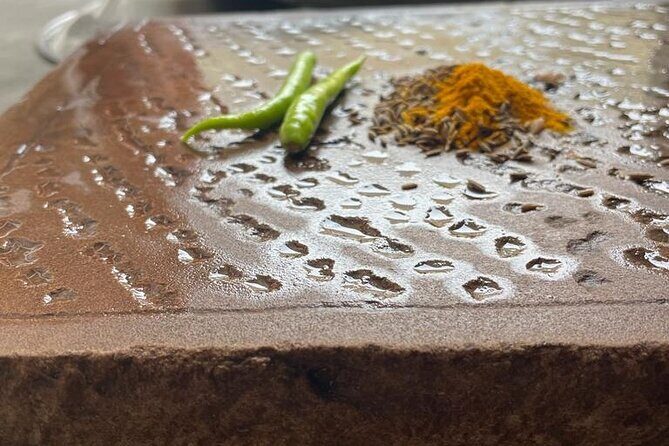
This is a three-hour class, and the time is used for three things: learn, cook, and eat. You’re not rushing through a checklist; you’re working through a menu in a way that supports understanding.
Here’s how the session typically feels, based on what the structure includes:
1) You arrive and get oriented in the homestay kitchen
You start at Om Homestay in Upper Tapovan, near Balaknath Mandir Road. Expect a home-style setup rather than a formal school. It’s the kind of environment where questions actually make sense, because you’re right there in the cooking process.
2) You cook with guided tips
During the cooking part, Miss Anju shares traditional methods and practical tips. You’ll likely be doing the real steps yourself, not just repeating motions. This matters because the “how” is the point of the class. When you learn how heat, spice timing, and texture affect the dish, you can repeat it later.
3) You get a spice session with health-focused explanations
A bonus guided session on Indian spices is included. It’s meant to help you recognize what spices are doing in everyday cooking, plus how they’re understood in health terms. That turns your kitchen cupboard into something more useful than a row of jars.
4) You dine on your lunch
Lunch is included, and you get to eat what you prepared. That’s often the missing part in cooking classes. Here, you taste the outcome immediately, which helps you connect technique to final flavor and texture.
Your menu choices: dal, sabji, breads, rice, and dessert
One of the best parts of the experience is the flexibility. The menu isn’t locked to one thing; you can customize what you cook from the options in each category.
Lentils (dal)
You can choose among:
- Chana Masala
- Yellow Fried Dal
- Chana Dal
- Rajma Dal
If you’re new to Indian cooking, dal is a great starting point because it teaches foundational spice building and simmering. If you already like Indian food, this is where you can compare flavors across chickpeas, yellow lentils, and kidney beans.



Curries and vegetables (sabji)
Pick from:
- Shahi Paneer
- Paneer Butter Masala
- Mutter Paneer
- Palak Paneer
- Seasonal Vegetable
Paneer-based curries are a good way to learn how dairy interacts with spices and how the sauce texture should land. Palak paneer, in particular, is the kind of dish that teaches balance between greens and spice.
Breads (chapati & paratha)
Options include:
- Chapati
- Aloo Paratha
- Plain Paratha
Bread choices matter because paratha and chapati teach different dough handling and cooking method. It’s also the fastest route to understanding how Indian meals come together: bread for scooping, curry for flavor, and rice for comfort.
Rice dishes
Choose:
- Jeera Rice
- Basic Rice
Rice can feel simple until you learn the spice and timing that prevents blandness or uneven texture. Jeera rice, in particular, gives you a practical “spice + oil + aroma” lesson you can reuse.
Dessert
An Indian dessert is part of the menu experience. In other words, the class isn’t just savory. You’ll finish with something sweet that fits the overall sattvic idea of the meal.
The menu design is the value here: you can tailor the class to your tastes instead of forcing yourself through a dish you don’t want.
No onion, no garlic: how it changes the flavor game
The class prepares dishes without onion or garlic, and that’s not a cosmetic detail. It changes how you build flavor.
When onion and garlic aren’t used, spices and cooking technique take center stage. You’ll likely notice more focus on:
- the order you add spices
- how long spices bloom in oil
- how simmering develops depth without those aromatics
- how herbs, vegetables, and lentils carry flavor
If you normally associate Indian food with onion-garlic base masalas, this is a useful contrast. You’ll come away with a clearer sense of what spices can do on their own, and how sattvic cooking aims for purity while still delivering satisfying taste.
Even if you don’t follow a strict diet, tasting this style helps you learn “why” your favorite restaurant dishes work the way they do.
The spice session: practical knowledge you can use at home
The bonus guided session on Indian spices is designed to connect daily cooking to health benefits and purpose. You’re not just learning names; you’re learning how spices function.
That matters because most people buy spices without a plan. They use them once, then forget the ratios. In a class like this, the spice explanations fit the dishes you’re making, so the learning sticks.
Think of it as a shortcut to better cooking decisions:
- You understand what you’re adding
- You understand why it’s added
- You get a health-themed framework for how the tradition views ingredients
You’ll also be more confident when you shop for spices, since you’ll know what each one is supposed to do in the flavor structure.
Lunch you help create: why the meal part is the point
Lunch is included, and that’s where the class clicks. A cooking class that ends with raw food theories misses the mark. Here, you taste your own work while the cooking lesson is still fresh in your mind.
Because the lunch is sattvic and onion-garlic free, it also gives you a real-world example of the diet in action. You can decide for yourself whether you love the flavor approach and whether it feels satisfying to your palate.
Also, eating right after cooking helps you learn texture cues. Lentils should have a certain thickness. Paneer should feel integrated, not rubbery or watery. Breads should be cooked through. Rice should be aromatic and separate enough to match the curry. If you can taste these things immediately, you’ll remember what to adjust next time.
Who should book this sattvic cooking class
This is a great fit if you want:
- hands-on cooking, not just a meal
- an experience tied to Ayurvedic and Vaishnavite food ideas
- a practical spice lesson you can carry home
- sattvic food options without onion or garlic
- a homestay-style setting in Rishikesh instead of a purely commercial activity
It may not be the best fit if you want a quick tasting tour with minimal work. This class includes cooking, so it’s for people who don’t mind getting involved.
Practical tips before you show up
A few things will help you enjoy the class more:
- Plan your route to Om Homestay yourself. There’s no hotel pickup or drop-off.
- Dress appropriately. The class operates in all weather conditions, so bring what keeps you comfortable in heat or rain.
- Expect a homestay environment. Bring a curious mindset and be ready to ask questions while you cook.
- If you’re short on time, remember it’s about three hours total, and the activity ends back at the meeting point.
One more important note: a current valid passport is required on the day of travel. Double-check that you have it with you before you head out.
Should you book Miss Anju’s Rishikesh Sattvic Cooking Class?
If you want a grounded, hands-on food experience in Rishikesh, I’d say yes. The value is strong because you get instruction, a customizable sattvic menu, a guided spice session, and lunch included, all in a private homestay setting. The no-onion/no-garlic approach also makes this more than a generic Indian cooking class.
Skip it only if you don’t want to travel to the meeting point on your own, or if you prefer a food experience that’s mostly watching rather than cooking. If you’re the kind of traveler who likes to learn something you can recreate at home, this one fits nicely.
FAQ
How long is the Rishikesh Sattvic Cooking Class?
The experience runs for about 3 hours.
What does it cost?
The price is $45.00 per person.
What’s included in the price?
Lunch is included, and it’s listed as a private tour.
Do they pick you up from your hotel?
No. Hotel pickup and drop-off are not included.
What dishes can you cook?
You can customize your menu from categories like lentils (dal), curries or vegetables (sabji), breads (chapati/paratha), and rice. Dessert is also part of the experience.
Is the food cooked with onion and garlic?
No. The dishes are prepared without onion or garlic.
Is there an included spice session?
Yes. There’s a bonus guided session on Indian spices and their health benefits.
Where do you meet?
You meet at Om Homestay – Affordable Homestay in Upper Tapovan, on Balaknath Mandir Road, Rishikesh.
What documents do I need to bring?
A current valid passport is required on the day of travel.
Is there free cancellation?
Yes, free cancellation is available. You can cancel up to 24 hours in advance for a full refund.