REVIEW · NEW DELHI
Private Delhi Spiritual Tour: Temples, Mosques & Markets
Book on Viator →Operated by Splendid Taj Holidays · Bookable on Viator
Delhi feels like it has layers.
This private 7-hour tour is a smart way to see temples, mosques, and markets in one day without wasting time guessing your way around. I like that you get private air-conditioned transport with pick-up and drop-off, so your day stays comfortable even when Delhi traffic and crowds get real. One possible drawback: you’ll spend a lot of time walking and moving between sites, so wear comfy shoes and plan for a full-on day.
What makes it work especially well is the mix: sacred spaces like Gurudwara Bangla Sahib and Jama Masjid, plus hands-on street culture in Chandni Chowk and Khari Baoli. I also love that the guide’s explanations go beyond the basics, covering culture and architecture in a clear way (you may even get a guide like Ahmed, known for detailed answers), while the driver is practical and on-time (for example, Rohit has been praised for waiting when plans ran long). The main consideration is timing around religious-site rules and closures, especially on Mondays for Akshardham and Lotus Temple.
In This Review
- Key highlights you’ll care about
- Why this 7-hour private spiritual tour works so well
- Gurudwara Bangla Sahib: golden dome calm and the Sarovar feel
- Jama Masjid: Shah Jahan’s 1656 mosque and scale you can feel
- Chandni Chowk by cycle rickshaw: old Mughal lanes in motion
- Khari Baoli spice market: Asia’s wholesale heart
- Swaminarayan Akshardham: modern carvings with rules you’ll follow
- Lotus Temple: white lotus meditation space for all faiths
- Private transport, vehicle choices, and what you’re really buying
- Timing, walking load, and how to stay comfortable
- Who this tour suits best (and who might want another plan)
- Should you book this private Delhi spiritual tour?
- FAQ
- What is included in the private tour?
- Do I need to pay for tickets at each stop?
- Is the cycle rickshaw ride included?
- Where does the tour pick me up?
- What happens if I book on a Monday?
- Do I need a photo ID?
- How long is the tour?
- What vehicle will I ride in?
- Are meals included?
- What if I need to cancel?
Key highlights you’ll care about
- Private guide + air-conditioned transport: you’re not stuck hopping in and out of rides all day
- Golden-domed Gurudwara Bangla Sahib: sacred pond (Sarovar) and a calm prayer setting
- Jama Masjid scale: Shah Jahan’s 1656 mosque and a courtyard that can hold up to 25,000 worshippers
- Cycle rickshaw through Chandni Chowk: the best way to move through old lanes without feeling rushed
- Khari Baoli spice market: Asia’s largest wholesale spice market, where the air is the attraction
- Akshardham + Lotus Temple: big architectural contrast, from modern carvings to a lotus-shaped meditation hall
Why this 7-hour private spiritual tour works so well
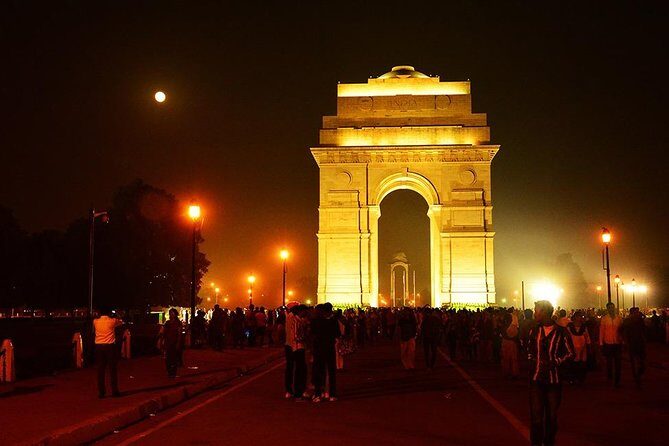
Delhi can overwhelm you fast. Not because it’s unfriendly—because there’s so much to see. This tour is built for people who want depth without suffering. You get one driver, one guide, and a route that connects major religious sites to two of the city’s most famous marketplaces.
The value starts with what’s included. You’re paying about $41 per person, and that price covers private transport, guide, bottled water, parking/tolls, tickets for multiple monuments, and the cycle rickshaw ride. Meals aren’t included, but for a day like this, you’re mainly buying time saved and guidance earned.
You also get a real planning advantage: this is a private experience, meaning it’s only your group. No “tour accordion” effect. If you want questions answered while you walk into a temple or mosque, you can do it without waiting for a big group.
If you’re visiting for the first time, this route helps you get bearings fast. Sikh, Islamic, Hindu, and modern spiritual architecture all show up in a single day. You’ll see how Delhi’s religious life sits side-by-side with its street life—old bazaars and wholesale spice lanes included.
You can also read our reviews of more private tours in New Delhi


Gurudwara Bangla Sahib: golden dome calm and the Sarovar feel
Your day starts at Gurudwara Bangla Sahib, a Sikh gurdwara known for its glittering golden dome and the sacred pond (Sarovar). Even before you go inside, the place signals something important: hospitality is part of the spiritual experience here.
Inside, you’ll walk through the prayer hall environment at a place designed for quiet focus. The Sarovar is central to the site’s meaning, and the guide will help you understand why it matters—more than just a photo stop. You’re not being hurried through. Expect about an hour here, which is enough time to soak in the atmosphere and ask questions.
Practical note: religious sites often have dress expectations and entry checks. Bring a respectful outfit, and be ready for rules on movement and photography (you’ll get guidance on-site).
Jama Masjid: Shah Jahan’s 1656 mosque and scale you can feel
Next up is Jama Masjid, built in 1656 AD by Emperor Shah Jahan. This is one of those places where the numbers help: the courtyard can hold up to 25,000 worshippers. That scale changes how you experience the mosque. You’re not just looking at buildings—you’re seeing how people gather.
The red sandstone and marble details are what catch your eye first. Then your guide will likely point out how the architecture supports movement and community worship. With a knowledgeable escort, it’s easier to see the design choices instead of just admiring the exterior.
You’ll spend about an hour here, including entry. That’s a sweet spot: long enough to understand the setting, not long enough to turn the day into a marathon.
Drawback to plan for: Jama Masjid can feel crowded at certain times, and you’ll likely move through open courtyards where sun and wind matter. Bring water (bottled water is included) and don’t underestimate the heat if you’re traveling in warmer months.
Chandni Chowk by cycle rickshaw: old Mughal lanes in motion
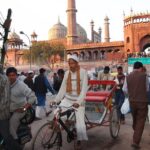
Then you shift from religion to street Delhi with Chandni Chowk, often considered Delhi’s oldest market area, originally laid out in the Mughal era. The best part here is the cycle rickshaw ride, included in the tour. Walking the whole area would take forever. Riding gives you a quick, real sense of the lanes and the rhythm of the market.
This is where your guide helps you interpret what you’re seeing. You’ll pass colorful shops and street stalls, and you’ll get context on why this area grew into such a major commercial hub. The ride is about 30 minutes, so it stays energetic rather than tiring.
One thing to remember: this market area is busy. You’ll want to keep your phone and camera secure and expect sudden stops in traffic flow. Also, street smells and food steam are part of the experience—brace for that if you’re sensitive.
Khari Baoli spice market: Asia’s wholesale heart
Right after Chandni Chowk, the tour takes you to Khari Baoli, described as Asia’s largest wholesale spice market. This is not a quiet stroll. It’s sensory. The air carries aromas of spices, herbs, and teas. The point isn’t just to buy; it’s to understand what wholesale markets look like in real time.
You’ll explore for about 30 minutes. For many people, that’s perfect. Spices are everywhere, stalls stack up with colors and textures, and your brain needs a little time to process it all.
A useful way to think about this stop: Khari Baoli is a window into how Delhi’s daily life is supported. You’re seeing the supply chain vibe—bulk products, busy traders, and a trading environment that feels older than modern shopping malls.
Practical tip: expect strong scents. If you want to sample any items, use common sense with hygiene and keep your hands clean before touching your face. If you’re carrying bags, hold onto them tightly. This is a real market.



Swaminarayan Akshardham: modern carvings with rules you’ll follow
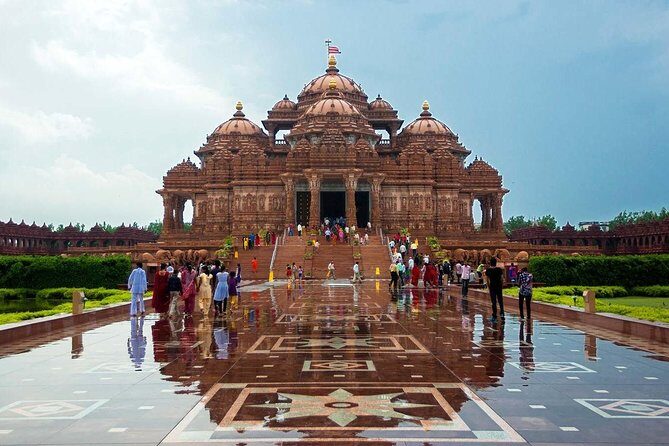
After the spice energy, you go to Swaminarayan Akshardham, which is described as a modern architectural marvel dedicated to Bhagwan Swaminarayan. This stop is known for intricate carvings and the chance to see exhibitions, plus an optional musical fountain show (the show is optional, so you can skip if you want quiet time elsewhere).
The guided value here is huge. Akshardham is visually dramatic, but it can be confusing if you don’t know what you’re looking at. A good guide helps you connect the look of the carvings and displays with the spiritual message of the complex.
You’ll spend about an hour here. That’s enough time to see the highlights without turning it into a rushed checklist.
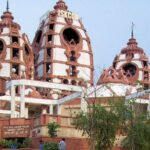
Important scheduling note: Akshardham and Lotus Temple are closed on Mondays. If you book for a Monday, the tour arranges alternative visits to ISKCON Temple and Shri Kalkaji Temple instead. That’s a real service detail, and it keeps your day from feeling like a disappointment.
Dress and conduct matter here too. Expect entry checks and behavior rules that keep the site respectful.
Lotus Temple: white lotus meditation space for all faiths
Finish the day at the Lotus Temple, shaped like a blooming white lotus. The big concept: it’s open to people of all religions for meditation and reflection. That makes the stop feel different from the temple-and-mosque rhythm earlier in the day.
You’ll spend about an hour in the serene prayer hall environment. The point here isn’t to “win” at sightseeing. It’s to slow down and let the day’s noise soften. You’ll get a chance to sit with the space instead of just walking through it.
This is also where your guide’s explanations help, because the architecture has a purpose beyond looks. You’ll understand the idea of meditation-as-practice and why the lotus shape is so symbolic in context.
As noted earlier, Lotus Temple is also closed on Mondays and is replaced by other temple visits on those days.
Private transport, vehicle choices, and what you’re really buying
The transport is part of why this tour feels good. You get private air-conditioned transport with pick-up and drop-off from your chosen location—hotel, airport, railway station, or any address in Delhi.
Vehicle type depends on group size:
- 1–2 travelers: Sedan (4-seater)
- 3–5 travelers: SUV (6-seater)
- 10+ travelers: Minivan (12-seater)
That matters because comfort is not just a luxury here. In Delhi, reducing time spent in the wrong vehicle or the wrong route can make your day feel smooth instead of chaotic.
Also included: all parking fees, tolls, fuel, taxes, and bottled water. That keeps the day from turning into surprise costs and last-minute decisions.
Tickets are included for the main monuments at multiple stops (admission included at Gurudwara Bangla Sahib, Jama Masjid, Akshardham, and Lotus Temple). Chandni Chowk and Khari Baoli are free to enter, so you’re not paying extra just to walk around.
One more practical detail: you’ll want a valid photo ID for entry checks at certain monuments. If you travel with a photo of your passport on your phone only, that might not be enough—bring the real thing if possible.
Timing, walking load, and how to stay comfortable
This is a full-day route with multiple walking segments. Even with private transport, you’re still moving between sites, entering buildings, and walking through market lanes. So plan your comfort like a local: good shoes, a light layer if you get cold inside temples, and water.
Sun and air quality can affect how long you want to linger outdoors—especially around market areas and courtyards. You’ll have short, controlled stops (about 30 minutes each at Chandni Chowk and Khari Baoli, about an hour at the big religious sites). That pacing is good. It keeps you from feeling stuck in one place too long.
If you’re someone who likes to take photos constantly, you’ll appreciate having the guide to keep you moving without feeling like you’re missing the point.
Who this tour suits best (and who might want another plan)
This private Delhi spiritual route is ideal if you want:
- A first-time Delhi overview with real religious and market context
- A day that mixes architecture and everyday street culture
- A guide who can explain not just what you’re seeing, but why it matters
It’s also a great fit if you prefer structure: one driver, one guide, and a route that connects key sites logically.
If you only want one style of sightseeing—pure temples without markets, or pure markets without sacred stops—you might find the mix less focused. But if you’re curious about how Delhi’s different religious communities and trading streets share the city, this does a neat job.
Should you book this private Delhi spiritual tour?
Book it if you want value and guidance in one package. At around $41 per person, the included transport, tickets at multiple major sites, bottled water, and the rickshaw ride make the price feel reasonable—especially for a private day instead of a shared group tour.
Don’t book it if you’re looking for a super relaxed pace or a mostly seated day. This route is active, and the market stops involve sensory intensity and crowds.
My final advice: if you’re in Delhi with limited time and you want a route that actually makes sense—spiritual sites first, then market reality—this private tour is a smart way to spend a day. And if you get a guide like Ahmed and a driver who stays flexible like Rohit, your day will feel even easier.
FAQ
What is included in the private tour?
The tour includes private air-conditioned transport, pick-up and drop-off, bottled water, a rickshaw (tuk-tuk) ride, a professional tourist guide, all parking fees/tolls/fuel/taxes, and admission where specified as included.
Do I need to pay for tickets at each stop?
Admission tickets are included for Gurudwara Bangla Sahib, Jama Masjid, Swaminarayan Akshardham, and Lotus Temple. Chandni Chowk and Khari Baoli are listed as free to visit.
Is the cycle rickshaw ride included?
Yes. The cycle rickshaw ride through Chandni Chowk is included in the tour.
Where does the tour pick me up?
Pick-up is available from any location within Delhi, including hotels, airports, railway stations, or any address in Delhi.
What happens if I book on a Monday?
Akshardham and Lotus Temple remain closed on Mondays. The tour arranges alternative visits to ISKCON Temple and Shri Kalkaji Temple instead.
Do I need a photo ID?
Yes. A valid photo ID is required for entry checks at certain monuments.
How long is the tour?
The tour runs for about 7 hours.
What vehicle will I ride in?
Vehicle size depends on group size: 1–2 travelers use a sedan (4-seater), 3–5 travelers use an SUV (6-seater), and 10+ travelers use a minivan (12-seater).
Are meals included?
No. Meals and additional services are not included in the tour price.
What if I need to cancel?
You can cancel for a full refund up to 24 hours before the experience starts. If you cancel less than 24 hours in advance, the amount paid is not refunded.