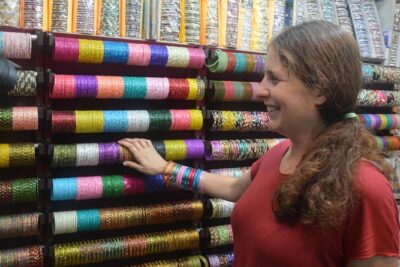
A day like this makes Jaipur feel personal fast. You start with blue pottery, then make your own block prints, and end by seeing hand-knot rugs made up close. It’s a smart mix of doing + shopping, and the payoff is real craft knowledge, not just browsing.
Two things I especially like: the tour runs on a private, air-conditioned ride with an English-speaking guide, and it’s designed for comfort while you move between markets. One thing to consider: the price covers the craft experience and access, but if you plan to buy rugs or textiles, you’ll want extra money ready.
In This Review
- Key highlights to know before you go
- Why this Jaipur craft-and-shopping day feels efficient
- Hotel pickup and private AC car: the hidden value
- Blue pottery start: learn the turquoise look before you shop
- Block printing in Sanganer or Bagru: making your own textile
- Johri Bazaar to the weaving world: rug shopping with real context
- What to watch for when shopping (without getting steamrolled)
- The guide factor: why it matters more than you think
- Time, pacing, and what the 5 hours actually means
- What the $22 price covers (and why it’s decent value)
- Who this tour suits best
- Should you book this Jaipur craft-and-rug tour?
- FAQ
- What is the duration of the tour?
- Is hotel pickup and drop-off included?
- What craft experiences are included?
- Where does the block-printing workshop happen?
- What transportation is included?
- Is this a private tour?
- Are bottled water and a guide included?
- Do I need a passport?
- What’s the cancellation policy?
Key highlights to know before you go
- Hands-on block printing with natural dyes and hand-carved wooden blocks, plus you take your printed textile
- Rug-weaving center stop where you can watch artisans work on traditional looms and learn about knot counts and patterns
- Blue pottery start tied to Rajasthan’s famous turquoise look, before you hit the markets
- Private car and hotel pickup/drop-off so you’re not wrestling rickshaws or buses all day
- Guide-led shopping with a safety-first vibe, including a strong reputation for helping solo women feel looked after
Why this Jaipur craft-and-shopping day feels efficient
Jaipur shopping can be chaotic. Streets are busy, prices vary, and it’s easy to lose time—or get pulled into sales talks that don’t match your taste. This tour is built to keep you moving with a guide who can translate what you’re seeing into something you can actually use later: how the craft is made, what to look for, and where the work comes from.
I also like that it’s not a pure shopping spree. You get two hands-on activities, so you leave with the feeling that you learned the craft rather than only collecting souvenirs.
Hotel pickup and private AC car: the hidden value
This isn’t the kind of tour where you wait around hoping someone finds you. You get hotel pickup, then a private AC car with an English-speaking driver. That matters in Jaipur because you’ll cover multiple areas in a few hours, and traffic can be unpredictable.
The guide and driver setup also helps you avoid the common day-trip headache: guessing where to go next. Here, your route is already lined up for you—blue pottery first, then block printing, and finally rug showrooms—so you can focus on the experience, not logistics.
A final practical bonus: bottled water is included. It sounds small, but when you’re out in the heat, small comforts keep the whole day from feeling like work.
Blue pottery start: learn the turquoise look before you shop
The tour kicks off with a hands-on blue pottery session. This is a smart order. Jaipur’s famous blue tones don’t come from magic. They’re tied to specific traditions and production steps, and the earlier you understand that, the better you’ll interpret what you see later in shops.
Even if you’re not planning to buy pottery, this opening stop changes your shopping eye. Instead of treating ceramics as decor, you’ll start noticing details—surface design choices and the feel of how the craft is made. It also sets a calm pace for the day. You warm up with something you can do, rather than diving straight into market noise.
Block printing in Sanganer or Bagru: making your own textile
Next comes the block printing workshop in a traditional textile studio in either Sanganer or Bagru. This is where you shift from watching to making.
Here’s what you should expect:
- You’ll learn about natural dyes and how colors are built up.
- You’ll see hand-carved wooden blocks, which is where the pattern logic starts.
- Then you’ll participate in your own printing session and take home your created piece.
What makes this stop worth it is the cause-and-effect. You’ll understand why certain patterns look crisp, why some prints fade differently, and why the process takes time. That knowledge helps when you browse printed textiles later. You’ll know what’s craft work and what’s just mass-produced look-alikes.
One consideration: block printing is hands-on, so you’ll want comfortable clothes. Also, even with practice, your print might not look exactly like the sample. That’s normal. The point is that you did it.
Johri Bazaar to the weaving world: rug shopping with real context
After block printing, the tour heads to a rug and carpet weaving center. This stop is focused on hand-knotted rugs, not generic carpet displays.
In the rug showrooms, you get two valuable things: observation and vocabulary.
- You can watch artisans weaving on traditional looms.
- You’ll learn about knot counts, patterns, and materials (the basics that help you judge quality).
This is the difference between rug shopping as a guessing game and rug shopping as a decision. Knot count and pattern structure are the sort of details you won’t learn from just standing in a store. With a guide, you can ask questions and get answers tied to what you’re seeing.
You’ll also likely spend real time looking, because rug selection isn’t quick. It’s layered: color, design, knot density, material feel, and how the rug’s construction changes how it will wear. That’s why this tour gives you around a full segment for the weaving center.
What to watch for when shopping (without getting steamrolled)
Shopping stops can go two ways: you feel in control, or you feel pushed. The tour’s guide reputation leans toward the first option.
In practice, that means you should go in with a plan. Before the rug showroom, think about:
- What you want the rug to do in your space (centerpiece vs. accent).
- Your rough size range.
- Your ceiling budget, even if you don’t say it out loud.
Then, use the workshop knowledge you just picked up. If someone shows you a rug, ask how it matches the knot count and pattern explanation you heard earlier. You’ll move from feeling sold to feeling informed.
Also, if you’re shopping for clothing or home items, keep your expectations realistic. A day like this balances craft instruction with market time. It’s not only about snapping up deals—it’s about finding pieces that match the stories you learned today.
The guide factor: why it matters more than you think
The standout theme from the tour feedback is the human one: Shakeer (and sometimes the name shows up as Shakir in listings) is repeatedly praised for personality and reliability. People highlight a few practical strengths: he helps you feel safe and comfortable, especially if you’re traveling solo.
They also mention he’s willing to advise you against tourist traps and steer you toward places that fit what you actually want. That’s huge in Jaipur, where a wrong turn can cost time and energy. A good guide also helps you read the room with shopkeepers. You can browse without feeling like you’re being hunted.
One extra detail: some people describe an unexpected palm reading during the day. Since it’s not listed as a formal part of the craft stops, treat it as an occasional bonus rather than a guarantee. Still, if you like local curiosities, it’s the kind of side moment that makes a day feel less scripted.
Time, pacing, and what the 5 hours actually means
This tour runs about 5 hours. That’s long enough to do three meaningful stops, but short enough to keep energy from draining.
Approximate pacing works like this:
- Pickup and settling in at the start.
- One main craft activity that takes time because you’re participating.
- A second craft workshop designed around process and hands-on output.
- A rug showroom segment where you’ll browse and watch weaving.
If you’re the type who needs lots of free time to wander on your own, you might feel a little “scheduled.” But that’s also the point of a guided craft day: you get the good stuff without spending hours trying to plan it yourself.
What the $22 price covers (and why it’s decent value)
At $22 per person, this tour is positioned as budget-friendly for what’s included. You’re paying for:
- Private AC car with an English-speaking driver
- A professional guide
- Bottled water
- Hotel/airport pickup and drop-off
- Fuel, parking, and taxes
Admissions for the listed stops are also marked free on the experience details. Alcohol isn’t included, so keep that in mind if you’re planning drinks during the day.
Is $22 “cheap”? It depends on your expectations. For a private day with a guide and driver plus two hands-on craft activities, it’s a solid deal compared with many private craft tours that charge more for far less. The value comes from doing the craft, not just looking at it.
The one cost you should plan for is purchases. Rugs and textiles can add up fast, even when prices are fair. If you don’t plan to buy, you’ll likely still enjoy the knowledge—just set a personal boundary on spending.
Who this tour suits best
This is a great match if you:
- Want a practical intro to Jaipur crafts beyond basic sightseeing
- Like learning how things are made, not just shopping
- Prefer a guided day that includes pickup and transport
- Travel solo and care about feeling comfortable and safe
It may not be the best fit if you:
- Hate shopping environments (because it’s built around market browsing)
- Want zero scheduled stops and totally free time
- Are only interested in monuments and forts, not craft production
Should you book this Jaipur craft-and-rug tour?
If you want a Jaipur day that’s more than photo stops, I’d book it. The hands-on block printing and the rug-weaving explanations give you real “I understand this now” takeaways. Add the pickup, private AC ride, and a guide with a strong safety and comfort reputation—especially for solo travelers—and it becomes a low-stress way to get authentic craft exposure.
If you’re shopping-minded, it can also help you avoid random wandering and focus on quality cues like knot counts and material choices. Just go in with a spending limit so the rug showroom stays fun instead of expensive.
FAQ
What is the duration of the tour?
The tour lasts about 5 hours.
Is hotel pickup and drop-off included?
Yes. You’ll get hotel pickup and drop-off.
What craft experiences are included?
The tour includes a hands-on blue pottery session, a hands-on block-printing workshop, and a visit to rug and carpet weaving showrooms.
Where does the block-printing workshop happen?
The block printing workshop is in a traditional textile studio in Sanganer or Bagru.
What transportation is included?
You travel in a private AC car with an English-speaking driver.
Is this a private tour?
Yes. It’s a private tour/activity, and only your group participates.
Are bottled water and a guide included?
Yes. Bottled water and a professional, friendly tour guide are included.
Do I need a passport?
A current valid passport is required on the day of travel.
What’s the cancellation policy?
You can cancel for a full refund if you cancel up to 24 hours in advance. If you cancel less than 24 hours before the start time, the amount paid is not refunded.