REVIEW · JAIPUR
Jaipur Heritage Walking Tour – Local life, Havelis and Temples
Book on Viator →Operated by Bagheera Adventure · Bookable on Viator
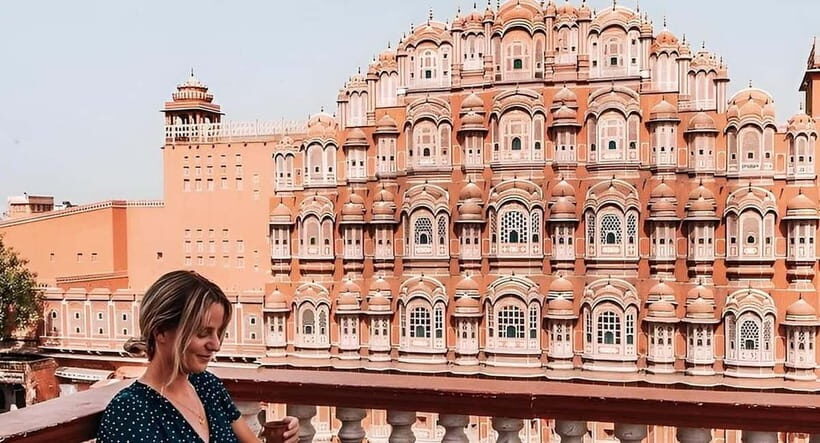
The Pink City shows its day job on foot. This 3-hour Jaipur Heritage Walking Tour strings together Hawa Mahal viewpoints, old havelis, markets, and a temple aarti so you see Jaipur beyond postcard walls.
Two things I especially like: the food and drinks are handled for you, and the pace stays human. You get free bottled water plus snacks and coffee or tea, and you sample street-food favorites from reliable vendors rather than guessing.
One consideration: the stop at Hawa Mahal focuses on the exterior, and the admission ticket isn’t included, so if you want more than the view you may pay extra on the spot.
In This Review
- Key Highlights You’ll Feel on This Walk
- Why This Pink City Walk Fits Jaipur So Well
- Start at Hawa Mahal Road: Royal Design Meets Market Life
- City Palace Lanes and Old Havelis: Courtyards and Fresco Details
- The Pink City Flower and Vegetable Market: Wholesale Reality, Not a Tourist Stage
- Govind Devji Temple Aarti: A Short Ceremony That Can Change the Mood
- Tripolia Bazar Craft Demonstrations: See How Things Get Made
- What You Get for $16: Snacks, Drinks, and a Guide Who Keeps It Moving
- The Guide Factor: Viru’s Style and Why It Matters
- Tips to Make This Walk Feel Easy (Not Like a Chore)
- Who This Tour Is Best For
- Should You Book This Jaipur Heritage Walking Tour?
- FAQ
- How long is the Jaipur Heritage Walking Tour?
- Is the tour in a small group?
- What street food is included?
- Is bottled water provided?
- Do I need to pay for tickets at the stops?
- Will I see the Govind Devji Temple ceremony?
- How long do I spend at Tripolia Bazar?
- Is transportation included?
- What’s the cancellation policy?
Key Highlights You’ll Feel on This Walk

- Hawa Mahal context first: a quick explanation of why the building was designed the way it was
- Narrow-lane havelis and courtyards: quick peeks at traditional architecture and frescoes
- Pink City wholesale market: the flower-and-vegetable wholesale scene in one go
- Govind Devji temple ceremony: timing matters for catching an aarti in the program
- Tripolia Bazar craft stations: lac bangle making, marble carving, and brass utensil work
- Street-food time that’s planned: snacks are part of the tour, not an afterthought
Why This Pink City Walk Fits Jaipur So Well
Jaipur can be huge. This tour keeps it manageable, with a tight 3-hour loop built around what locals actually do: trade, pray, craft, eat. You start with a major landmark sightline, then shift into the everyday parts of the Pink City—markets and workshops—before ending in an area known for traditional making.
The biggest value here is the mix. You do not spend the whole time standing at monuments. You get short, purposeful stops with walking between them, so your brain stays engaged. And because it’s a small group, your guide can keep the pace from turning into a school field trip.
You can also read our reviews of more tours and experiences in Jaipur.



Start at Hawa Mahal Road: Royal Design Meets Market Life
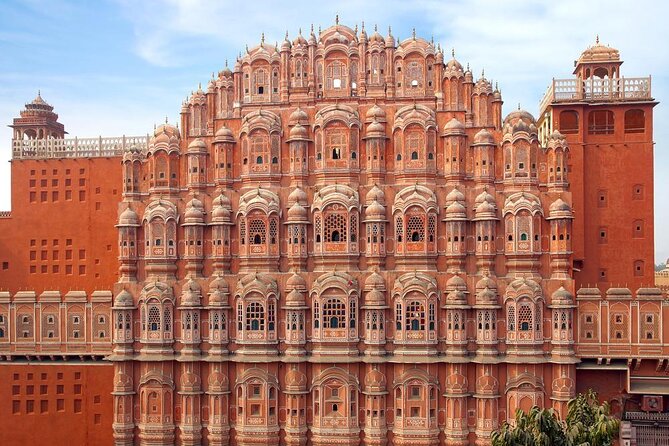
The walk begins near Hawa Mahal Road in the Pink City area. Your first stop is Hawa Mahal, the Palace of Wind. Even if you only view it from the outside, the story matters: it was built in 1799 by King Sawai Pratap Singh so the women of the royal court could watch market processions.
This is a smart opener. You’re not yet thinking about temples or crafts—you’re learning the city’s logic. Jaipur’s monuments often connect to daily life, not just royal display, and this explanation sets you up for what you’ll see later in the bazaars.
Timing note: this stop is about 10 minutes, and the admission ticket is not included. So if you want to add an interior visit, plan for an extra cost. If you’re happy with the exterior and the view, you’ll be fine.
City Palace Lanes and Old Havelis: Courtyards and Fresco Details
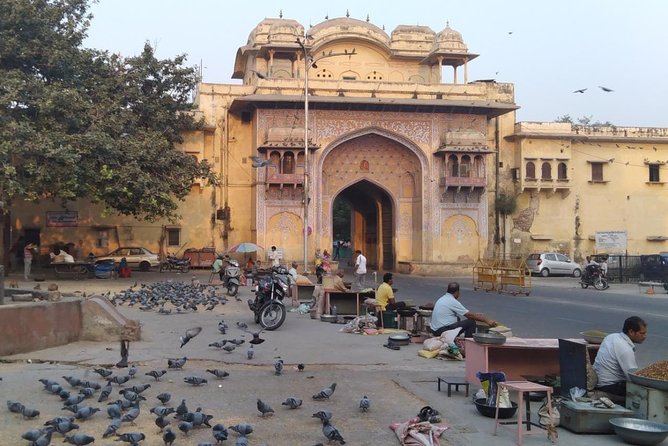
Next comes the City Palace of Jaipur area, with time focused on old havelis inside the Pink City lanes. This is where the tour becomes more about texture than spectacle. You get to walk narrow corridors, notice architecture details, and look at frescoes and courtyards that show how traditional homes were designed for light, privacy, and family life.
This stop runs about 10 minutes, so it won’t feel like a museum day. Instead, think of it as a guided orientation: the guide points out what you’d miss if you just wandered. If you’re the kind of traveler who likes architecture but hates slow, indoor pacing, this quick burst works well.
Practical angle: the streets here can feel tight, and you’ll be on foot. Comfortable shoes help more than you’d think, especially if you’re mixing this with afternoon sightseeing later.
The Pink City Flower and Vegetable Market: Wholesale Reality, Not a Tourist Stage
Then you hit the heart of color and commerce: the Pink City wholesale flower and vegetable market. The standout fact is that it’s the only wholesale flower and vegetable market in Jaipur. That alone changes how you interpret the scene. This isn’t just pretty flowers for photos. It’s a working supply chain that feeds the city.
You’ll spend about 30 minutes here, with a chance to watch movement and patterns: vendors, shoppers, and lots of activity around goods. It’s also a good contrast stop. After the palace-era design and the quiet details of havelis, you get the real rhythm of the city.
If you’re sensitive to crowds or strong smells, this is the one place to mentally prepare. Keep your expectations grounded. This is market life. It’s meant to work, not perform.
Govind Devji Temple Aarti: A Short Ceremony That Can Change the Mood
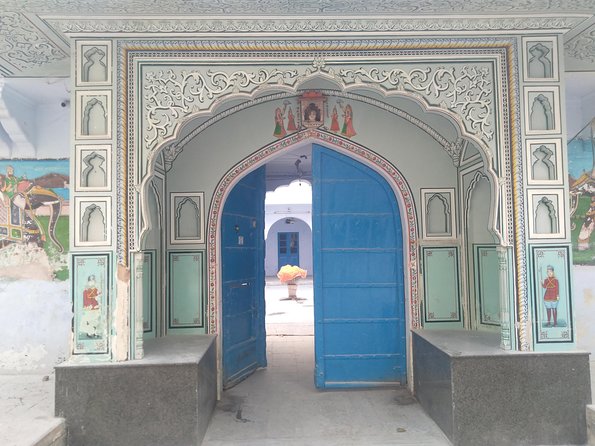
Your next stop is the Govind Devji Temple, an ancient holy site. The plan is to see one of the seven ceremonies, specifically an aarti, based on the walking tour schedule. The tour team personally advises that the morning ceremony is the best bet for this experience.
This stop is about 15 minutes. That brief window is key. It gives you the feeling of the ritual without dragging you through a long ceremony if you’re on a 3-hour plan.
What makes this worthwhile is the contrast. You just watched wholesale trade. Now you’re stepping into a religious moment with rules, movement, and sound. If you take one thing away from Jaipur beyond buildings, it should be this: the city runs on both commerce and devotion, side by side.






Tripolia Bazar Craft Demonstrations: See How Things Get Made
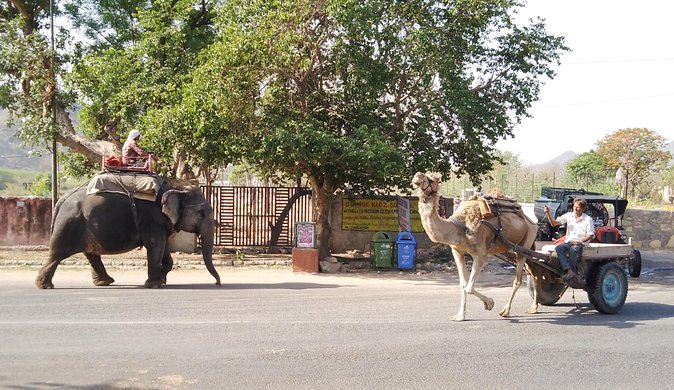
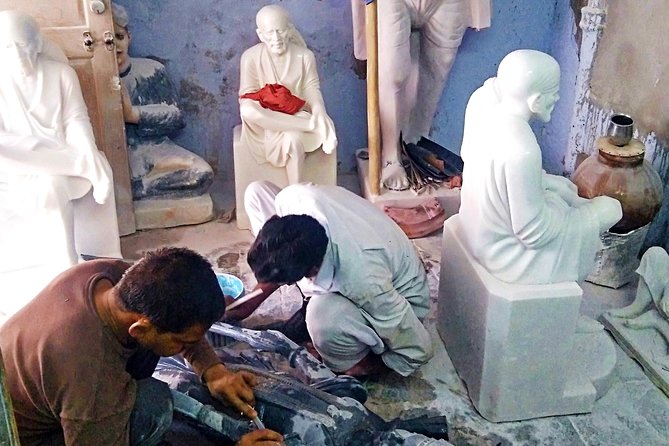
The long stop on the route is Tripolia Bazar, where you get live demonstrations of traditional crafts. This is about 1.5 hours, and it’s one of the most practical parts of the tour because it helps you connect what you see later with how it’s actually made.
You’ll watch craft work such as:
- lac bangle making
- marble carving
- brass utensil crafting
It’s also a place where you’ll notice Jaipur’s design sensibility up close. Instead of shopping first and understanding second, you get the making process before you choose anything. That makes it easier to judge quality, and it’s less likely you’ll feel rushed into purchases.
This is also where the tour leaves room for street food snacks. The guide’s job here is not just showing you the bazaar. It’s helping you pick reliable places to eat so you can relax and enjoy the flavors without turning it into a gamble.
What You Get for $16: Snacks, Drinks, and a Guide Who Keeps It Moving
At $16 per person for roughly 3 hours, the value comes from what’s included and how the tour stays efficient.
Included items:
- snacks
- bottled water
- coffee and/or tea
That matters in Jaipur, where prices for snacks and drinks can add up quickly, and heat makes hydration non-negotiable. Having water and a pause for tea built into the schedule is a simple comfort upgrade.
Also included is the local guide time—this is not a self-guided walk with a map. The guide’s explanations are what turn quick stops (like Hawa Mahal exterior) into meaningful context. People who come expecting photo stops usually end up appreciating the “why” just as much.
One extra clue about demand: the tour is commonly booked about 42 days in advance on average. If you’re traveling in peak season or on tight dates, booking ahead is smart.
The Guide Factor: Viru’s Style and Why It Matters
One guide name you may hear in this experience is Viru. In prior groups, his approach has been described as thorough and able to match the pace of the people on the walk. He also made the experience work for a child in the group by adapting how the tour unfolded.
You don’t need a guide to be loud or dramatic. What you need is someone who can explain clearly, keep you on the right route, and handle questions without losing the group. That’s the guiding style this tour is set up to deliver, especially with small group sizes and a private format for just your party.
Tips to Make This Walk Feel Easy (Not Like a Chore)
Bring your “Jaipur basics” and you’ll enjoy this more.
- Wear shoes you can walk in for 3 hours. The Pink City lanes and market areas mean uneven ground and lots of turning.
- Plan for heat. This tour relies on good weather, and it’s on foot. If you’re heat-sensitive, bring a hat and use sunscreen.
- If you care about the aarti timing, aim for the morning. The tour setup specifically encourages morning for the best chance to catch the ceremony.
- Use the mobile ticket. It keeps things smooth at the start of the day.
- Keep an eye on admissions. Hawa Mahal’s admission ticket is not included, even though you’ll get the historical explanation and the exterior view.
Who This Tour Is Best For
This works especially well if you want:
- a fast way to get your bearings in Jaipur’s Pink City
- a guided look at havelis, markets, and temple ritual in one outing
- a planned approach to street food, with water and tea handled
It’s also a good pick for families when you need the tour to move at a comfortable pace. The craft demonstrations and shorter landmark windows help kids stay engaged.
If you’re the type who wants long temple stays, long museum time, or zero walking, you might find the format a bit tight. But if you’re happy with a concentrated, guided sampler, this hits the mark.
Should You Book This Jaipur Heritage Walking Tour?
I’d book it if you want a morning or daytime plan that mixes Jaipur’s big sights with the lived-in parts of the city. The best reason is value: $16 plus snacks, bottled water, and coffee or tea, along with a route that connects Hawa Mahal context, havelis architecture, wholesale market life, an aarti ceremony, and Tripolia crafts.
Skip it—or at least adjust expectations—if you need Hawa Mahal interior access without extra cost, since the admission ticket isn’t included. Also, be realistic about walking in markets. This is a heritage walk, not a car tour.
If you want one short outing that feels like Jaipur’s real rhythm, this is a strong choice.
FAQ
How long is the Jaipur Heritage Walking Tour?
It runs for about 3 hours.
Is the tour in a small group?
Yes, it’s described as a small group experience, with personal attention from your guide.
What street food is included?
The tour includes snacks, and there’s time to try local street food from reliable vendors.
Is bottled water provided?
Yes. Bottled water is included to help you stay refreshed.
Do I need to pay for tickets at the stops?
Hawa Mahal’s admission ticket is not included. City Palace of Jaipur, Govind Devji Temple, Pink City market, and Tripolia Bazar are listed as free.
Will I see the Govind Devji Temple ceremony?
You can see one of the temple ceremonies, an aarti, as part of the tour program. The morning ceremony is recommended.
How long do I spend at Tripolia Bazar?
You’ll spend about 1 hour 30 minutes there.
Is transportation included?
No. Private transportation is not included.
What’s the cancellation policy?
You can cancel for a full refund up to 24 hours before the experience starts. If you cancel less than 24 hours before, there’s no refund. The tour also needs good weather, and it may be rescheduled or refunded if canceled due to poor weather or if the minimum number of travelers isn’t met.