REVIEW · AMER INDIA
Jaipur: Half-Day or Full-Day Tour with Flower Market
Book on GetYourGuide →Operated by Jaipur Tour Taxi · Bookable on GetYourGuide
Jaipur smells like flowers and history. I love two parts most: the 7:00 AM Flower Market walk and the hands-on feel of a hand block printing studio. It’s a lot of highlights in one day, and that’s great if you want maximum Jaipur without buying a stack of tickets. One watch-out: it’s a tight route, so you’ll need solid shoes and patience for short stops and city traffic.
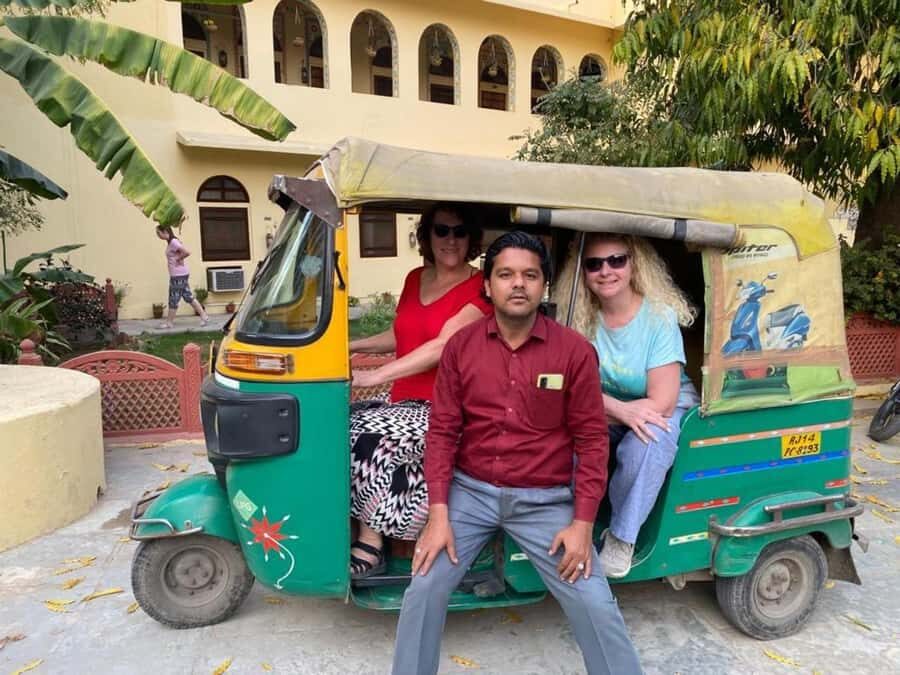
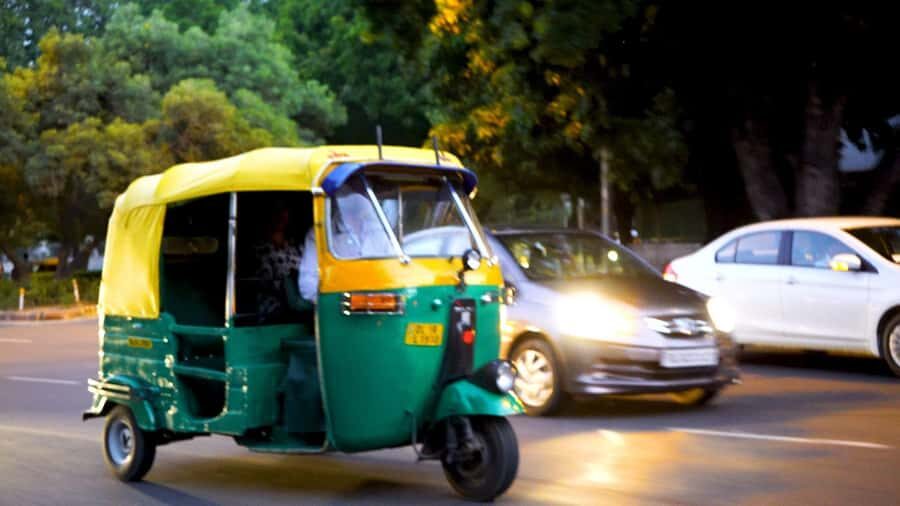
This tour works best because it’s practical. You ride in a private tuk-tuk with a driver who actually helps you keep the day moving, and some drivers I’ve seen get real praise for being on time and careful behind the wheel (Ali, Ballu, Max, Sherif, and Mr Abdul all show up in the feedback). Your meeting point is at Hawa Mahal, and the tour returns there, so you’re not constantly re-planning your day.
Choose half-day if you’re on a schedule, full-day if you want more breathing room between stops. The route is designed for first-timers who want the big names—Amber Fort, Hawa Mahal, City Palace, Jantar Mantar—plus cultural stops like Royal cremation ground history and textile craft.
In This Review
- Key things to know before you go
- Why a tuk-tuk Jaipur tour makes sense
- The 7:00 AM Flower Market walk: what to expect and what to notice
- Royal Gator Tumba: a quieter heritage stop that adds meaning
- Jal Mahal in Man Sagar Lake: the photo stop with a payoff
- Amber Fort and Panna Meena Stepwell: where the walking becomes real
- Hawa Mahal and the walled-city feel: seeing the façade up close
- City Palace and Jantar Mantar: two big landmarks with different personalities
- Hand block printing studio: textile craft you can actually picture
- Tea, water, and the small comfort details that matter
- Price and value: what $3.40 buys you in real life
- Half-day or full-day: which one matches your style
- What to bring (and what to leave at home)
- Quick read: who this tour is best for
- Should you book the Jaipur Flower Market tuk-tuk tour?
- FAQ
- What’s the meeting point for the Jaipur tuk-tuk tour?
- How long is the tour?
- Is the Flower Market visit included, and when does it happen?
- Do I need to pay entrance fees for monuments?
- What’s included in the price?
- Is lunch provided?
- What language is the tour guide available in?
- Is there a guide on every tour?
- Are there limits on what I can bring?
- Can I cancel and still get a full refund?
Key things to know before you go
- Flower Market at 7:00 AM: A morning start means more comfortable walking and cooler air for photos.
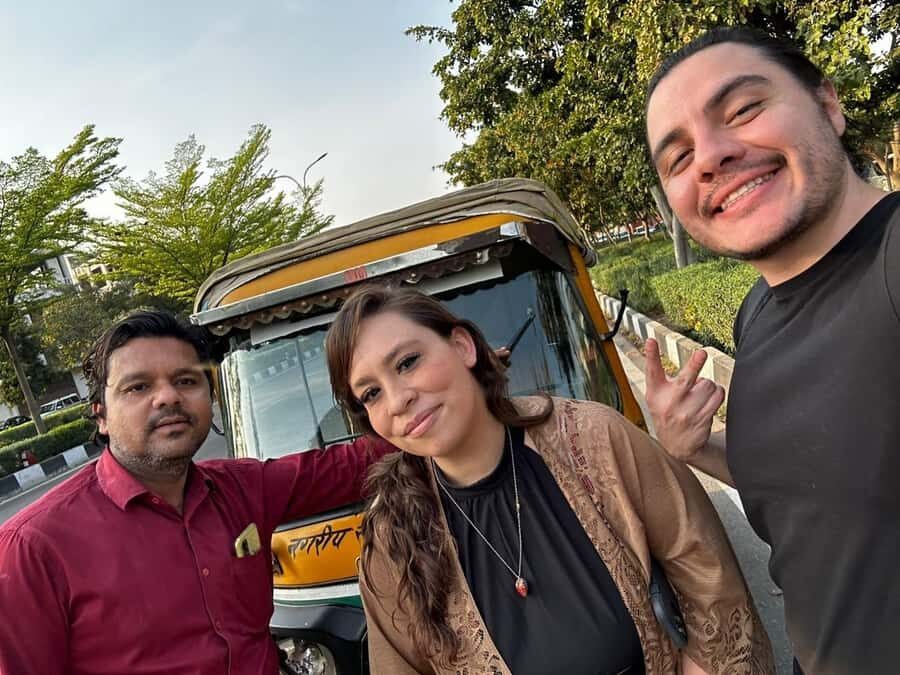
- Private tuk-tuk transport: You’re not herded into a bus rhythm; your driver handles the timing between sights.
- Amber Fort + Panna Meena Stepwell: You get both the UNESCO showstopper and the nearby stepwell detail.
- Hand block printing studio: You watch artisans work and learn how the craft is done on fabric.
- City Palace + Jantar Mantar pairing: Two famous royal landmarks across from each other, easy to hit in one go.
- Entrance fees aren’t included: Budget extra for monuments so you don’t get surprised at each stop.
Why a tuk-tuk Jaipur tour makes sense
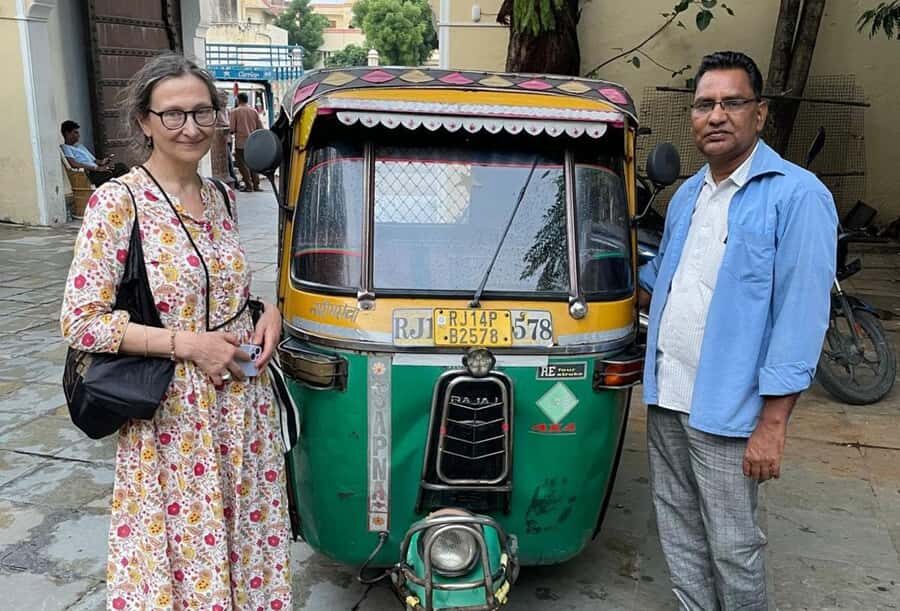
Jaipur is the kind of city where you want to see a lot quickly, but you also don’t want your day to feel like a checklist you sprinted through. A tuk-tuk helps because it’s flexible. You can move between major landmarks without wasting half your morning figuring out transport. It’s also a good match for a route that includes a mix of big sights (forts and palaces) and smaller-but-meaningful stops (craft work and heritage sites).
Another plus is the rhythm. Your driver and guide (if you choose the guide option) can pace the day: a bit of walking, a short pause for photos, then onward. And because you’re going point-to-point, you spend less time negotiating the city and more time looking at what’s actually there.
You can also read our reviews of more tours and experiences in Amer India.


The 7:00 AM Flower Market walk: what to expect and what to notice
Your day typically begins early, around 7:00 AM, with a walk through the Flower Market. This is one of those places where the first five minutes do most of the work: you see the colors, smell the blooms, and hear vendors and shoppers moving around you. It’s also a great place to get your bearings in Jaipur because you’re watching local life, not just arriving at a monument and leaving.
What I’d focus on during the market:
- Take a slow circuit first. This helps you spot photo angles before you start moving fast.
- Look for the way vendors arrange garlands and bouquets. Even if you’re not buying, it’s a visual lesson in how the market works.
- Bring your camera ready, but don’t forget you’re walking through a working area. Keep it respectful and quick.
One practical note: markets can mean uneven ground and lots of foot traffic. Wear comfortable shoes and plan for a bit of walking before the bigger sights.
Royal Gator Tumba: a quieter heritage stop that adds meaning
After the Flower Market, you head to Royal Gator Tumba. This isn’t a flashy palace-photo moment. It’s historically significant as a cremation ground for the Kachwaha Rajput rulers of Jaipur. That shift in tone matters, because it gives context for what you’re seeing later: the forts, the palaces, the royal power that shaped the city’s layout.
If you like your sightseeing to have story behind it, this stop is the kind that makes the day feel more complete. You go beyond architecture and into tradition—what mattered to the people who built and ruled the city.
Jal Mahal in Man Sagar Lake: the photo stop with a payoff
Next comes Jal Mahal, the palace sitting in Man Sagar Lake. This is your classic “how is that here?” moment—an iconic building surrounded by water. It’s a short stop, but it’s worth it because it changes the look of the city. You’re no longer only seeing fort walls and palace facades; you get this water-and-palace composition that Jaipur does so well.
The best tip here is simple: give yourself a moment to look from more than one angle. Even in a short visit, different perspectives help you understand the scale.
Amber Fort and Panna Meena Stepwell: where the walking becomes real
Then you climb into the big one: Amber Fort, a UNESCO World Heritage Site on a hill. This is where Jaipur stops being a color postcard and starts feeling like a lived-in royal complex. You’ll find courtyards, gardens, temples, and the kind of layered design that makes you want to keep turning your head.
Yes, it’s a fortress. But it’s also a maze of spaces, and you’ll want time to wander instead of rushing straight through. If you can, move at your own pace for a few moments in each section—look up at details, not only straight ahead.
After Amber Fort, your route includes Panna Meena Stepwell nearby. Stepwells are famous in Rajasthan for a reason: they’re practical engineering and architectural design at the same time. The stepwell also gives you a nice contrast to the fort—less royal palace power, more water-centered craftsmanship.
A drawback to consider: Amber Fort requires real walking on uneven surfaces. This is one of the reasons I keep pushing shoes with grip. If you’re tired, the day can feel longer than the itinerary suggests.




Hawa Mahal and the walled-city feel: seeing the façade up close
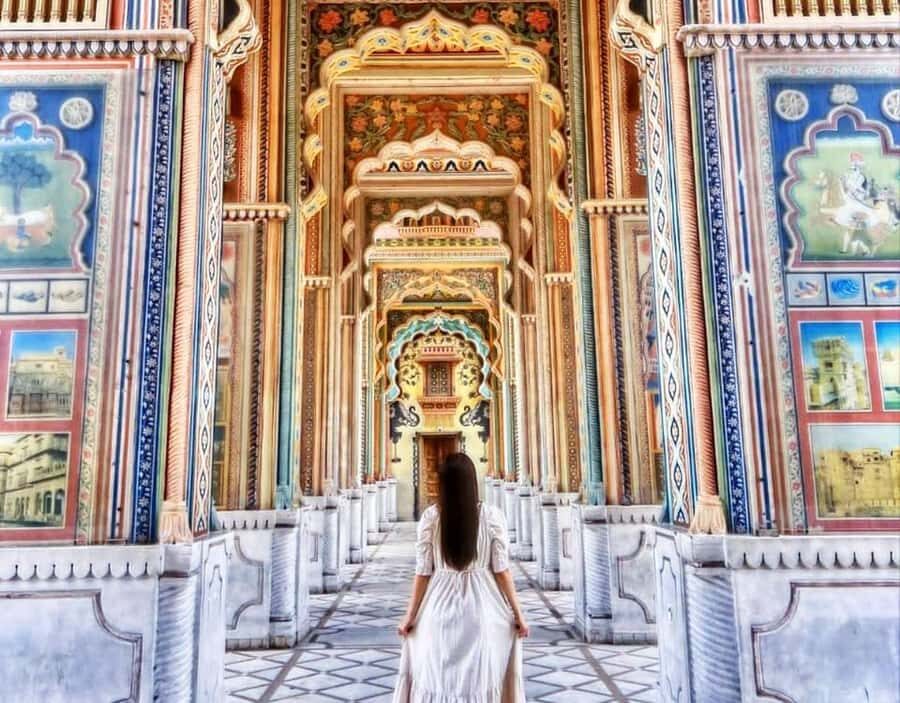
After the fort area, you return toward the Old Walled City. This is where Hawa Mahal comes in. It’s one of Jaipur’s most recognizable silhouettes, and seeing it in person is different from seeing it from far away. You’re close enough to notice the patterning and the architecture that gives the building its character.
Hawa Mahal also works as a momentum builder. Once you’ve seen the fort climb earlier, standing in front of Hawa Mahal reminds you you’re still in the same royal story—different expression, same city identity.
City Palace and Jantar Mantar: two big landmarks with different personalities
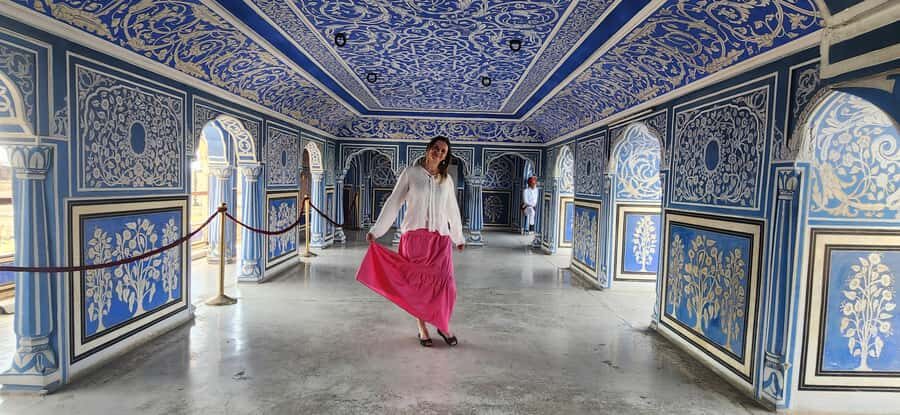
Your route then takes you to City Palace and, right across from it, Jantar Mantar.
City Palace is the more obvious royal landmark. It’s where the city’s royal presence feels formal and palace-like. It helps to take this stop slow enough to appreciate the complex rather than rushing past it.
Then you walk across to Jantar Mantar, which focuses on astronomy and ancient Indian design. The cool part is that it isn’t just another decorative structure. It’s functional design for measuring and tracking the sky. If you’ve ever been curious about how people figured out time and motion without modern tech, this stop gives you that immediate wow factor.
The pairing is smart because your brain gets variety in the same area. Palace power on one side, sky-measuring science on the other.
Hand block printing studio: textile craft you can actually picture
One of the best stops on the schedule is the hand block printing studio. This is where your Jaipur day becomes personal. Instead of only looking at architecture, you watch artisans work and learn the process behind the craft.
Here’s what I think makes this stop valuable:
- You can understand the technique with your eyes. You see how blocks are used to apply designs and how the process builds a pattern.
- It connects Jaipur’s style to real daily work. Fabric craft isn’t just souvenir culture; it’s an actual skill passed down.
- You’re doing something with your time beyond taking photos. Even watching a demo gives your day a memory that feels different from monuments.
Practical tip: if you’re considering buying textiles, don’t feel rushed. This is the time to ask questions about technique and how the printing works.
Tea, water, and the small comfort details that matter
This tour includes bottled water and tea or coffee with snacks. That may sound minor, but on a day that can run roughly 5 to 8 hours, it’s a lifesaver. You’ll be walking and moving between stops, and having a drink and snack planned helps you stay comfortable.
It also aligns with the way drivers are described in feedback. Many mention offering chai, water, and friendly guidance during the ride. I see that as part of the value: you’re not just buying transport; you’re buying a smoother day.
Price and value: what $3.40 buys you in real life
The price listed—$3.40 per person—is unusually low for what’s included: hotel or airport pickup and drop, private tuk-tuk transport, and a full route covering major Jaipur sights plus the Flower Market and a block printing workshop. That kind of value is most noticeable when you compare it to the cost of doing the same itinerary on your own with taxis and paid entry tickets.
Two reality checks though:
- Entrance fees are not included for monuments, so your final spend will be higher once you decide what to enter.
- A low base price can also mean the tour is built for efficiency: short stops, steady movement, and minimal downtime.
If you want a guided overview without the heavy price tag, this tour fits the bill.
Half-day or full-day: which one matches your style
You can pick a half-day option if your time is tight. It’s best for first-timers who want the core sights without the long day fatigue. A full-day approach makes more sense if you want time to breathe at Amber Fort, spend more time in the walled city area, and not treat the Flower Market like a quick photo sprint.
A helpful rule: if this is your first stop in Jaipur, I’d lean full-day when you can. You’ll get the bigger arc—market, heritage stop, lake palace, fort, craft, and the two iconic city landmarks—without feeling like you’re rushing between them.
What to bring (and what to leave at home)
For a day like this, you’ll be happier with a small, practical setup.
Bring:
- Passport or ID card
- Comfortable walking shoes
- Camera
- Comfortable clothes
Leave behind:
- Pets
- Luggage or large bags
- Alcohol and drugs
Also, since the route includes both palaces and fort sections, you’ll likely want sun protection and layers if mornings are cooler.
Quick read: who this tour is best for
I’d recommend this Jaipur Flower Market tour if you:
- Want major highlights in one day without self-navigation stress
- Like cultural stops, not only monuments
- Enjoy craft demonstrations like block printing
- Prefer private tuk-tuk transport and friendly, flexible pacing
I’d hesitate if you:
- Have limited mobility, since Amber Fort and its surroundings involve walking
- Need a slow, unstructured day (this route is efficient by design)
- Are pregnant or have pre-existing medical conditions, since it’s listed as not suitable
Should you book the Jaipur Flower Market tuk-tuk tour?
Yes, if your goal is a strong first Jaipur day with clear highlights and real cultural texture. The Flower Market start gives you a sensory introduction, the Amber Fort and Hawa Mahal stops deliver the postcard sights, and the block printing studio adds something you can remember beyond photos.
Book it particularly if you want value for a private-style day and you like guides/drivers who keep you on track. If you’re sensitive to walking or you want lots of time inside each monument, consider choosing the half-day option—or plan your expectations for short, focused stops.
Either way, this is the kind of itinerary that helps you understand why Jaipur is called the Pink City once you’ve seen the color, the craft, and the city’s royal geometry together.
FAQ
What’s the meeting point for the Jaipur tuk-tuk tour?
The guide meets you at the designated meeting point at Hawa Mahal, and the tour ends back at the same meeting point.
How long is the tour?
You can choose a half-day option or explore the entire city. The short tour is listed as 6 hours, and the full experience is described as 5 to 8 hours depending on your choice.
Is the Flower Market visit included, and when does it happen?
Yes. You visit the Flower Market in the morning, with a start time of 7:00 AM.
Do I need to pay entrance fees for monuments?
Entrance fees are not included, so you should budget for monument entry costs if you plan to go inside.
What’s included in the price?
Included items are hotel/airport pickup and drop, a private tuk-tuk vehicle with driver, bottled water, tea or coffee with snacks, fuel surcharge, taxes, and fees. If you select the guide option, a tour guide is included too.
Is lunch provided?
No meal or lunch is included.
What language is the tour guide available in?
The tour runs in English.
Is there a guide on every tour?
A tour guide is included if you select the option that includes a guide.
Are there limits on what I can bring?
Yes. Pets are not allowed, and luggage or large bags are not allowed. Alcohol and drugs are also not allowed.
Can I cancel and still get a full refund?
You can cancel up to 24 hours in advance for a full refund.