REVIEW · NEW DELHI
Golden Triangle Tour
Book on Viator →Operated by India and Sub -Continent Tours · Bookable on Viator
Three cities, one smooth route through India.
This Golden Triangle-style private trip is built around the parts of India that feel up close: Old Delhi’s narrow lanes, a cycle rickshaw ride through the spice market, the Pink City in daylight, and then the big-hitter sights of Agra and Rajasthan. You also get a tight, logical flow—Delhi to Samode to Jaipur to Agra—so you spend less time figuring out logistics and more time watching daily life unfold.
I especially like two things. First, the day in Delhi mixes quick looks from the vehicle with walking and a cycle rickshaw ride, so you don’t just see landmarks—you get the rhythm of the streets around Chandni Chowk. Second, the Jaipur-to-Agra sequence is timed in a way that makes the icons feel special, including an early sunrise Taj Mahal visit and the Amer Fort experience with an elephant ride plus a jeep ride down.
One consideration: this is a 7-day itinerary with frequent driving, and the Taj visit is early. If you hate early starts or long road stretches, you’ll want to mentally budget for tired legs and early mornings—especially on the day you’re racing to see the marble in the first light.
Key points to know before you go
- Old Delhi rickshaw time: a cycle rickshaw ride in the spice-market area and a guided look through Chandni Chowk
- Amer Fort by elephant: elephant ascent plus a jeep ride for the descent in Jaipur
- Samode stop: a full day that focuses on a village setting in the Aravalli Hills with local crafts and art
- Fatehpur Sikri: a guided visit to Akbar’s 400-year-old Mughal city
- Taj Mahal at sunrise: early entry timing for softer light and the classic view
- You get more than sightseeing: entrance fees included for the listed visits, plus meals, bottled water, and a saree photo option
In This Review
- Golden Triangle in 7 Days: What This Route Really Feels Like
- Entering Old Delhi: Rickshaws, Spice Markets, and Street-Level Atmosphere
- Day 1 to Day 2: Arrival Calm and a Full Delhi Day
- Samode in the Aravalli Hills: A Slower Side of Rajasthan
- Jaipur Highlights: From Hawa Mahal Photos to Amer Fort Reality
- Agra Day Trip Without Wasted Time: Abhaneri’s Step Well and Fatehpur Sikri
- Taj Mahal at Sunrise: How to Get the Icon and Still Enjoy Yourself
- Comfort, Tickets, and Guides: The Stuff That Makes or Breaks the Trip
- What’s Included in the $855 Price—and What It Doesn’t Cover
- Meals, Water, and Small Comfort Wins That Add Up
- Who This Tour Suits Best—and Who Might Want Another Option
- Should You Book This Golden Triangle Private Tour?
- FAQ
- What cities are included on this Golden Triangle tour?
- Where does the tour start and end?
- How long is the tour?
- Is pickup offered?
- Is this a private tour?
- What tickets or documents do I receive?
- Are entrance fees included?
- What meals are included?
- Is the Taj Mahal visit at sunrise?
- Is the elephant ride included?
- FAQ
- Is there a cancellation option if my plans change?
- What should I pack for the street and fort days?
- Is international airfare included?
- Can the tour be adjusted if I have requests?
- How much bottled water do I get?
Golden Triangle in 7 Days: What This Route Really Feels Like
For many first-timers, the Golden Triangle can feel like a blur: Delhi, Agra, Jaipur—repeat, repeat, repeat. This version tries to slow that blur down by adding street-level moments in Delhi and keeping a guided, private rhythm across the big cities. In practice, that means you’re not constantly re-learning how to get around each day, and you’re less likely to waste precious time at ticket lines or decision points.
You’ll also notice the tour is built around a guide who can explain what you’re seeing, not just drive you past it. The tour includes a language-speaking, government-approved guide for sightseeing, and entrance fees are part of the package for the stops listed. For me, that’s where a private tour earns its keep: you pay for someone to translate the place from what it looks like into what it means.
At the same time, you are still traveling between regions. You’re moving from the capital to the hills of Samode, then down the circuit to Jaipur and Agra. The upside is convenience. The downside is stamina—there’s no way around early mornings and day-long touring days.
Entering Old Delhi: Rickshaws, Spice Markets, and Street-Level Atmosphere
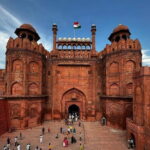
Your Delhi experience is not just “viewpoint sightseeing.” You get a guided route that starts with classic monuments from the road, then shifts into street-level movement. The tour drives past Red Fort and Jama Masjid, which helps you build basic orientation before you zoom into narrower streets.
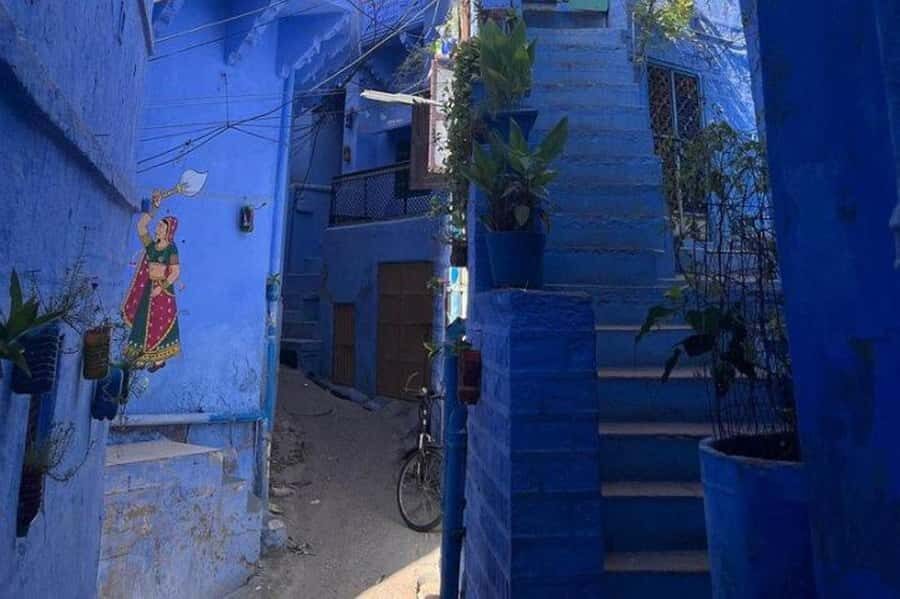
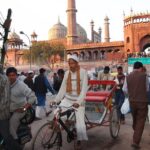
Then comes the fun part: a rickshaw ride that takes you through the Chandni Chowk market area. Expect crowds, smells, and that tightly packed feeling of Indian bazaars where everything is within walking distance—but not always within easy walking comfort. You’ll also go through the area described as Asia’s largest spice market, and you’ll get the kind of up-close look that bigger tour buses can’t replicate.
What I like about this setup is balance. You get major landmarks as context, and then you step into the human scale of old markets. The guide matters here. If you don’t have someone to point out what you’re seeing—street by street—you’ll mostly remember the motion. With a guide, you’ll remember details: how the markets are organized, what people sell, and why these lanes are still so important.
Practical note: wear comfortable shoes. You’ll be walking through narrow lanes and market areas where you can’t just stop whenever you want.
You can also read our reviews of more tours and experiences in New Delhi.



Day 1 to Day 2: Arrival Calm and a Full Delhi Day
Day 1 is straightforward: you land, meet the representative, and transfer to your hotel. Hotel check-in time is 1400 Hrs, so you’re not forced into an immediate start the moment you arrive. That matters after a flight.
Day 2 is a full-day private Delhi sightseeing block after breakfast. The tour format here is simple: drive past key sights, then move into the markets with a rickshaw ride and guided street viewing. This is a good “first proper day” because it gives you orientation in the city without pretending you’ll conquer Delhi in an afternoon.
Also, the tour is private, so it’s only your group. That often means you can keep a steadier pace and avoid the stop-start feeling that comes with mixed groups.
Samode in the Aravalli Hills: A Slower Side of Rajasthan
A lot of Golden Triangle tours rush straight from Delhi to Jaipur. This one includes a Samode stop, and that’s a smart adjustment if you want more than big-city monuments.
In Samode, you’ll travel to a village area framed by the Aravalli Hills. The tour description points to the local craft and art side of the region, plus time for leisurely walks and cultural observations. I like this kind of day because it breaks the pattern. Your eyes get a rest from fort walls and marble monuments and you start seeing how the region lives outside the main tourist circuit.
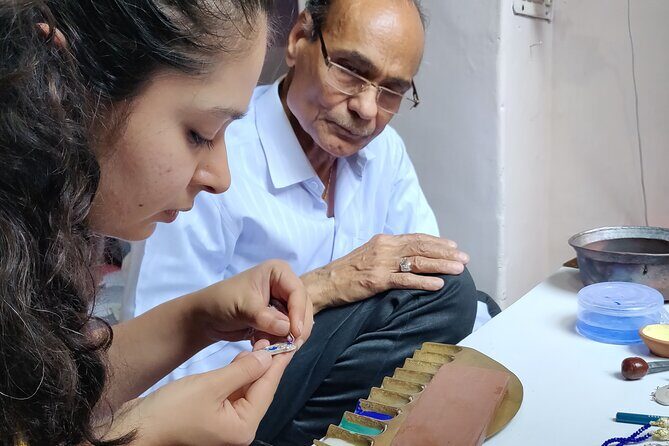
The Samode stop is described as having interest in ancient art and local crafts. You won’t just be ticking boxes; you’re more likely to come away with images of daily life—workshops, textures, and small scenes—rather than only grand architecture.
One consideration: if you want nonstop “wow” photo ops every hour, a village day might feel calmer than you expect. But if you enjoy atmosphere and human-scale culture, it’s one of the better parts of this itinerary.
Jaipur Highlights: From Hawa Mahal Photos to Amer Fort Reality
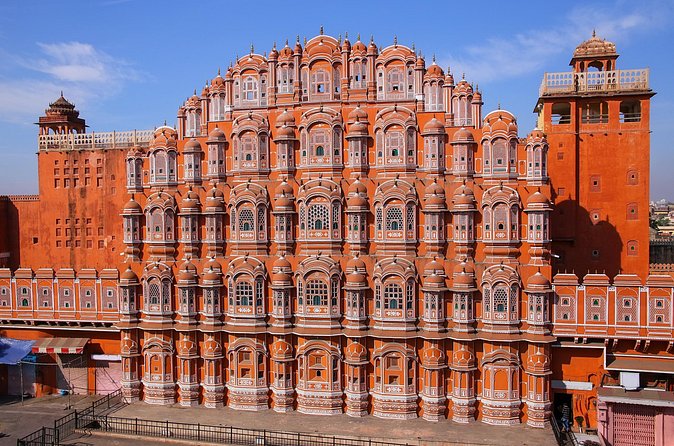
Jaipur day is built around two iconic stops: a photo stop at Palace on Winds (Hawa Mahal) and then Amer Fort with the elephant ascent.
The Hawa Mahal stop is positioned en route for photos. It’s a great quick win: you get the famous façade look without needing a full deep-dive that would eat too much time on a day already packed with fort exploring.
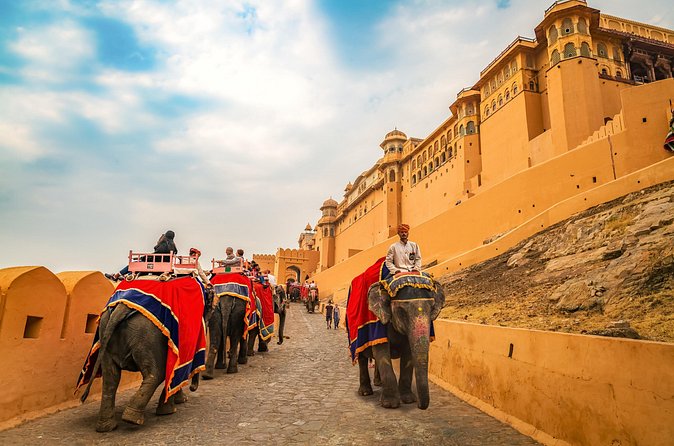
Then you head to Amer Fort, about 10 Km from Jaipur. Here’s where the tour delivers a signature experience. You’ll do an elephant ride while ascending the hill, and the tour includes a jeep ride while descending. That combination changes the whole feel of the fort. Instead of only approaching by foot or vehicle, you experience the climb in a way that’s still tied to how the fort sits on the terrain.
Important reality check: an elephant ride is a big attraction, and it’s also the kind of activity you should think through personally. If animal welfare issues are a deal-breaker for you, this is the one part to reconsider.
If you’re comfortable with it, the payoff is access to the fort area with a memorable, transport-meets-experience moment. It’s also timed as part of a sightseeing day, so you don’t just ride and leave—you’re actually there to see the Amer Fort complex.
Agra Day Trip Without Wasted Time: Abhaneri’s Step Well and Fatehpur Sikri
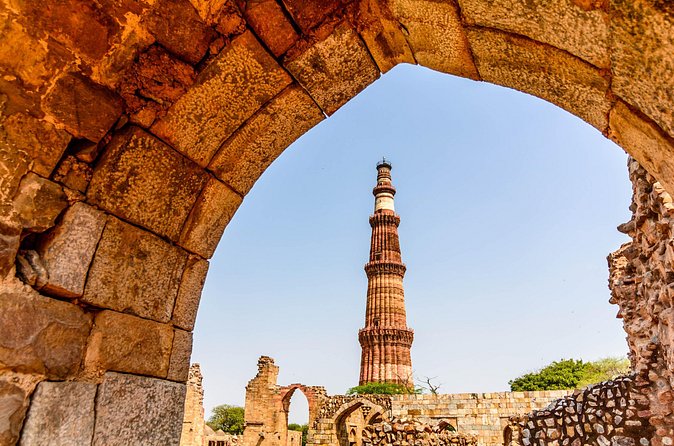
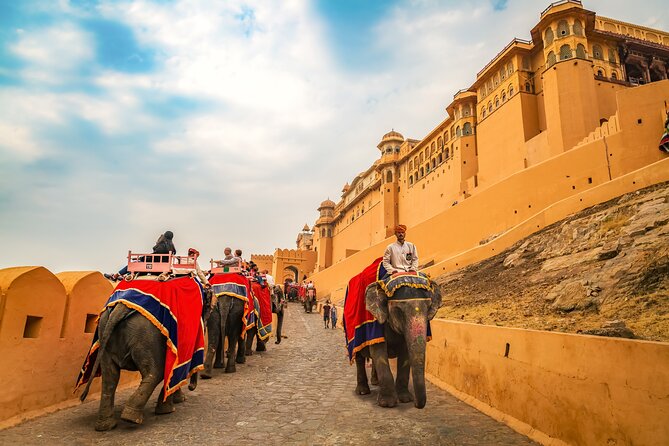
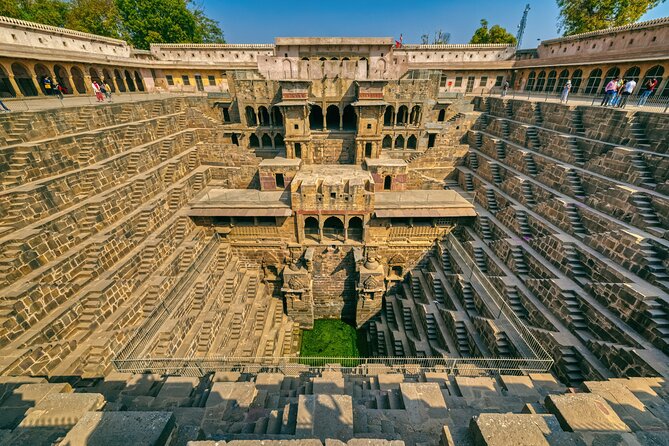
After Jaipur, the tour drives you toward Agra with a stop in Abhaneri first. Abhaneri is known for Chand Baori, a famous step well described as 1000 years old. Step wells can feel weirdly hypnotic: geometry, repeating steps, light patterns, and the practical logic of water storage. It’s also a nice change of pace between forts and tombs.
From Abhaneri, you move on to Fatehpur Sikri, described as a 400-year-old deserted Mughal city built by Akbar. This place is powerful because it feels like a city that stopped mid-story. You’re not just walking through ruins—you’re walking through a full royal idea of how a capital should look.
What makes this stop valuable is the guide. The tour includes entrance fees for the visits, and with a knowledgeable explanation you’re more likely to understand why the city was planned the way it was, and why it’s now remembered in that quiet, abandoned way.
Practical note: ruins mean uneven surfaces. Comfortable shoes help again. Also, bring a plan for photos—this is one of those sites where the best angles don’t always match where you can easily stand.

Taj Mahal at Sunrise: How to Get the Icon and Still Enjoy Yourself
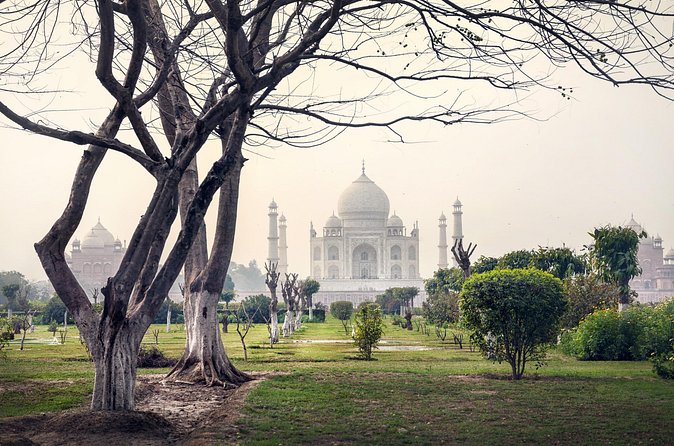
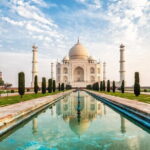
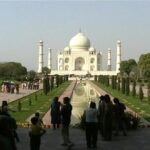
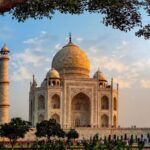
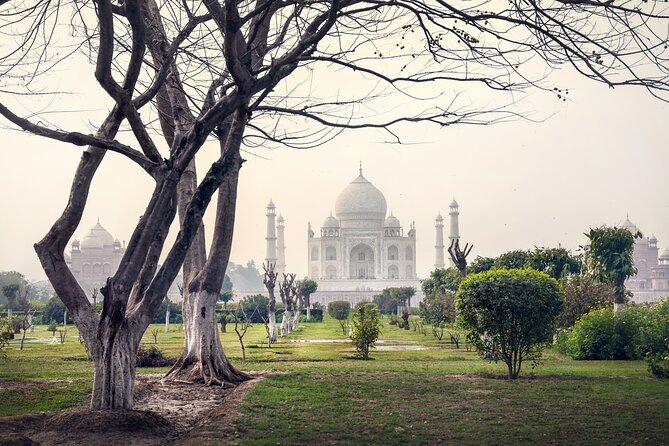
The biggest “anchor” day is Agra’s early morning Taj Mahal visit by sunrise. The Taj Mahal is described as UNESCO-listed, built by the Mughal emperor Shah Jahan for Mumtaj Mahal, and the tour notes the monument’s long construction timeline.
The sunrise timing matters because light on white marble changes fast. It can look soft and luminous early, and harsh later. Sunrise also tends to bring a more controlled vibe before the biggest mid-morning crowds stack up.
You’ll also have a traditional Indian saree for a photograph in front of the Taj Mahal in Agra, described as for photograph only. This is one of those cultural-costume extras that can be fun if you treat it as a photo moment, not a full costume experience.
One more practical point: sunrise tours usually mean early pick-up and quick movement. Even if the tour includes bottled water, you’ll want to manage your energy with simple steps—eat breakfast if it’s provided, drink water, and avoid planning other heavy activities immediately after.
Comfort, Tickets, and Guides: The Stuff That Makes or Breaks the Trip
This tour is structured as a private experience with comfortable air-conditioned vehicle transport based on group strength. That’s a big deal in this circuit. You’ll spend real time in the car, and air-conditioning plus a consistent driver makes those hours feel less punishing.
You also get pickup offered and a mobile ticket option, which simplifies the day-of experience. Meeting happens at Indira Gandhi International Airport in New Delhi, with pickup at the start and the tour ending back at the meeting point.
Guide quality is a highlight in the trip’s feedback. In the provided notes, one standout name is Ajay, described as an exceptionally guiding presence with perfect Spanish. You can’t assume every guide is the same, but it’s a strong sign that the tour is choosing guides who can connect across language and explanation—not just recite a script.
Also, the tour description states you can make liberal changes if desired and possible within the itinerary. That’s not a blank check, but it’s a flexibility you can appreciate when you discover you’re tired, your timing changed, or you want one extra viewpoint stop.
Accessibility note is also clearly stated: a wheelchair person can be uplifted and given a seat, but a stroller is not there for that to happen inside the coach/cab. If you’re traveling with mobility needs, this is worth checking early so expectations match the vehicle setup.
What’s Included in the $855 Price—and What It Doesn’t Cover
The price for this 7-day private circuit is listed at $855. That’s not cheap, but Golden Triangle tours can get expensive fast once you factor in private vehicle time, lodging, entrance fees, and a guide.
Here’s what your money typically buys on this tour:
- 6 nights of hotel accommodation on sharing double or twin rooms
- A/c vehicle transport
- An accompanying English/language-speaking guide for sightseeing
- Entrance fees included for the visits in the itinerary
- Breakfast (5), lunch, and dinner (as listed in inclusions)
- Bottled water: 2 mineral water bottles per day while traveling
- Elephant ride while ascending Amer Fort and jeep ride descending
- Saree for a Taj Mahal photo (for the photo only)
- Government taxes
What’s not included:
- International airfare and visa fees
- Insurance and personal expenses
- Tips for porters, and discretion-based tips for guide/driver
- Any meals not specified as included
- Laundry, beverages, and any extras
For me, the value question is whether you like the “all-in” feel: guide, vehicle, entrance fees, and key transport experiences bundled together. If you’d rather DIY every ticket and negotiate every ride, then a fixed private package can feel pricey. But if you want your days to run smoothly, this structure often ends up being good value.
Meals, Water, and Small Comfort Wins That Add Up
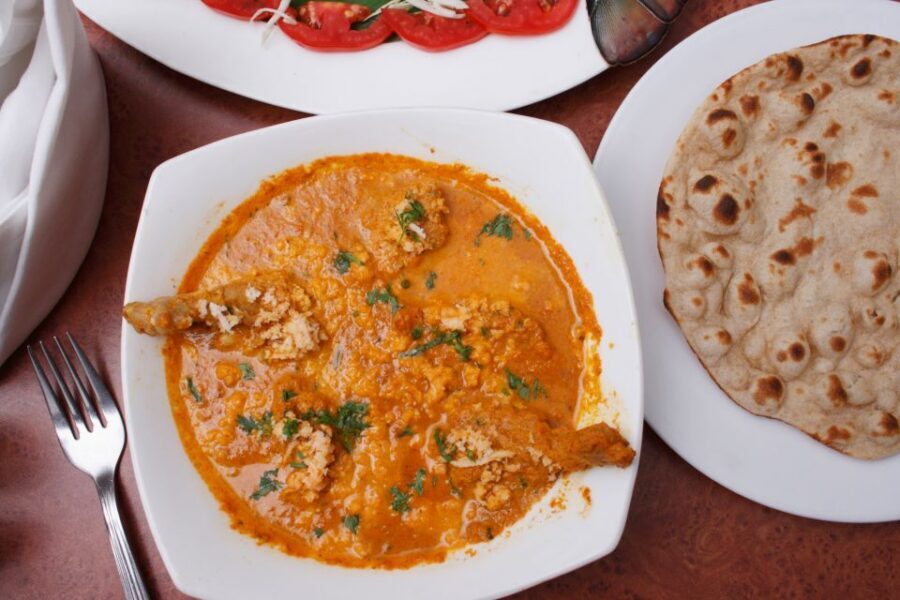
Food on these circuits can be a stress point: long days, limited choices, and unpredictable schedules. This tour lists dinner and lunch included, plus breakfast (5). Even if the day-by-day placement shifts slightly, you’re at least covered for multiple meals without having to budget from scratch each time you stop.
You also get bottled water: two mineral bottles per day while traveling. It’s a small line item, but in hot weather it changes how you experience the day. You worry less about finding a safe drink, and you spend more time focusing on what you came for.
And again, the saree photo at the Taj gives you a quick, cultural souvenir moment without turning your day into an all-afternoon costume session.
Who This Tour Suits Best—and Who Might Want Another Option
This is a great fit if:
- You want a private route through Delhi, Jaipur, and Agra with fewer logistics headaches
- You like a guide who can explain what you’re seeing, not just point at it
- You want memorable signature moments: elephant ride at Amer Fort and sunrise Taj Mahal
- You like a mix of street-level travel (Delhi rickshaw and lanes) and big landmark days
You might reconsider if:
- You strongly dislike early mornings, since the Taj Mahal sunrise visit is explicitly included
- You want a fully relaxed pace, because the route involves steady driving and day-long sightseeing blocks
- You have ethical concerns about animal rides, since the Amer Fort elephant ascent is a core feature
If you fit the first group, you’ll likely feel this tour is efficient without being mechanical. You’ll get the icons, but you’ll also get street texture, which is where India often becomes real.
Should You Book This Golden Triangle Private Tour?
I’d book it if you want a guided, private Golden Triangle that hits the classics while still giving you real street time in Delhi and meaningful stops beyond just forts. The best reasons are practical: guide + entrance fees included, comfortable transport, and key experiences timed well—especially sunrise at the Taj and the Amer Fort ride setup.
I’d skip or adjust it if you’re sensitive to early starts or you want to avoid elephant rides entirely. In that case, the rest of the itinerary still has value, but you’d likely choose a variant that swaps that part out.
If you’re traveling with questions about language, timing, or how flexible you want the day to be, this tour’s structure suggests it can be responsive—just keep your requests realistic within the itinerary.
FAQ
What cities are included on this Golden Triangle tour?
You’ll visit New Delhi, Samode, Jaipur, and Agra, with the tour ending back at the New Delhi meeting point.
Where does the tour start and end?
It starts at Indira Gandhi International Airport in New Delhi (meeting point) at 2:00 pm, and it ends back at the same meeting point.
How long is the tour?
The duration is listed as approximately 7 days.
Is pickup offered?
Yes, pickup is offered, with the tour meeting at the airport in New Delhi.
Is this a private tour?
Yes. It’s a private tour/activity, and only your group will participate.
What tickets or documents do I receive?
A mobile ticket is included.
Are entrance fees included?
Yes. The tour includes entrance fees for the visits that are included in the itinerary.
What meals are included?
Dinner and lunch are included, and breakfast is included 5 times.
Is the Taj Mahal visit at sunrise?
Yes. The tour includes an early morning visit to the Taj Mahal by sunrise.
Is the elephant ride included?
Yes. You’ll have an elephant ride while ascending the hill at Amer Fort, and a jeep ride while descending in Jaipur.
FAQ
Is there a cancellation option if my plans change?
Yes. You can cancel up to 24 hours in advance for a full refund.
What should I pack for the street and fort days?
Wear comfortable shoes because you’ll walk through narrow lanes and market areas in Delhi and explore fort and ruin sites in other cities.
Is international airfare included?
No. Any international air fare is not included.
Can the tour be adjusted if I have requests?
The tour notes that changes are possible if guests desire them and if they are possible within the itinerary.
How much bottled water do I get?
The tour includes 2 bottles of mineral water per day while traveling.