REVIEW · NEW DELHI
Golden Triangle Tour 3 Days – Flexible Itinerary with Local Guide
Book on Viator →Operated by Hii~Stories · Bookable on Viator
Three days through India’s classics. This private Golden Triangle tour strings together sunrise Taj Mahal and private local guides across Delhi, Agra, and Jaipur, with pickup so you spend less time figuring out logistics. I love the early start that turns a famous building into a calmer, morning-lit experience.
I also like the human touch. My Delhi guide Vimpul helped the places make sense, and Jaipur guide Gaurav Bhatt handled questions with real patience while keeping the pace comfortable. Add in a driver who looks after your comfort (and not just the road), plus water bottles along the way, and the whole thing feels easier.
One thing to plan for: monument entrance fees are not included in the base price. You pay the exact ticket cost (around Rs. 5000 per adult) in cash to the guide after sightseeing.
In This Review
- Key highlights worth noting
- What a “Flexible” Golden Triangle actually means for you
- Delhi Day 1: Old Delhi market energy, Jama Masjid, and Lotus Temple
- Delhi Day 1: Gandhi’s memorial, India Gate, and a look toward Rashtrapati Bhavan
- Agra at dawn: Sunrise Taj Mahal and breakfast-ready pacing
- The road to Jaipur: Pink City arrival and a proper overnight
- Jaipur Day 3: Hawa Mahal, Amber area highlights, and Panna Meena ka Kund
- Jal Mahal photos, City Palace lunch breaks, and UNESCO Jantar Mantar
- Price and entrance-fee reality: good value, with one cash item
- Vehicles, pacing, and comfort: how the logistics show up in your day
- Who should book this Golden Triangle tour
- Should you book this Golden Triangle 3-day private tour?
- FAQ
- How long is the Golden Triangle Tour?
- Does the tour include pickup from the airport and hotels?
- Are local guides included in each city?
- Are entrance tickets included in the tour price?
- About how much should I budget for entrance fees?
- What type of vehicle will I use?
- Are meals included?
- Is there a mobile ticket?
- What is the cancellation policy?
Key highlights worth noting
- Sunrise Taj Mahal timing that gets you there at first light, not later in the day
- Pre-arranged entrance tickets handled by the guides, so you’re less stuck in ticket lines
- Private local guidance in Delhi, Agra, and Jaipur, with time to ask questions
- Chandni Chowk by rickshaw plus spice-market time, a fun way to feel Old Delhi
- Jaipur viewpoints and classics across Hawa Mahal, Amber area, City Palace, and Jantar Mantar
What a “Flexible” Golden Triangle actually means for you
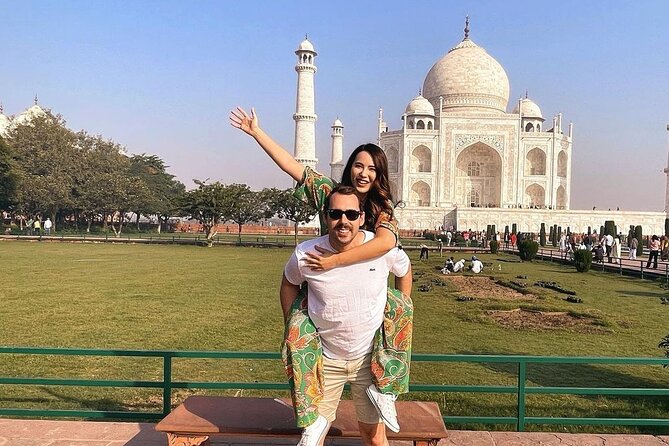
“Flexible” here doesn’t mean you wander aimlessly. It means you’re traveling as a private group with local guides who can keep the pace to what you want—more questions, more photos, shorter stops when you need a break.
You also get a real logistics win. With airport pickup in Delhi, plus hotel pickup in Agra and Jaipur, you’re not hunting for rides between cities or figuring out which direction to walk next. And since this is a private tour, it’s only your group moving through the day—not a big mixed group herded together.
The best part? The day structure is built around big hitters without making you feel rushed. You’ll do Old Delhi first, then shift to Agra at dawn, then finish in Jaipur with a classic mix of forts, palaces, and science history at Jantar Mantar.
If you like comfort but still want genuine street-and-monument experiences, this format fits well.
You can also read our reviews of more tours and experiences in New Delhi.



Delhi Day 1: Old Delhi market energy, Jama Masjid, and Lotus Temple
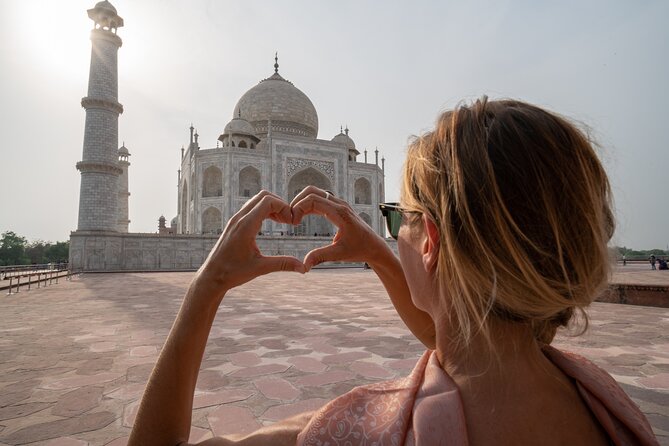
Day 1 starts with an English-speaking chauffeur waiting at the airport exit with a sign in your name. That single detail matters more than it sounds. When you land tired, you want a real person to take over the first step, not a scavenger hunt.
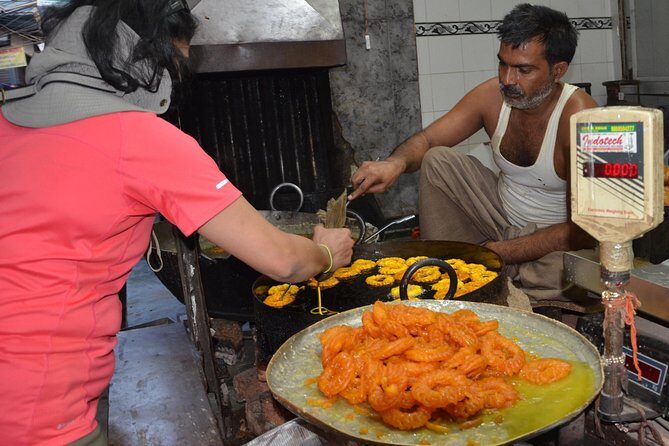
In Chandni Chowk, you’ll get into Old Delhi with time to explore the spice market and do a rickshaw ride. This is one of those places where you’ll feel India’s everyday life fast—shops close to each other, sellers calling out, smells that hit before you even decide what to buy.
Next comes Jama Masjid, one of the largest mosques in India. A guided visit helps here because the building isn’t just a photo backdrop—you get context for what you’re seeing and how the mosque fits into the city’s story.
Then there’s a breather: Lotus Temple. The design is famous, but what I like about it is the mood shift. After the market and mosque area, this stop gives you a quieter reset before you head to more memorial and city-war-stone landmarks later.
Practical note: lunch isn’t included, and the plan leaves space for lunch anywhere in Delhi. Build in a little buffer so you’re not rushing through meals.
Delhi Day 1: Gandhi’s memorial, India Gate, and a look toward Rashtrapati Bhavan
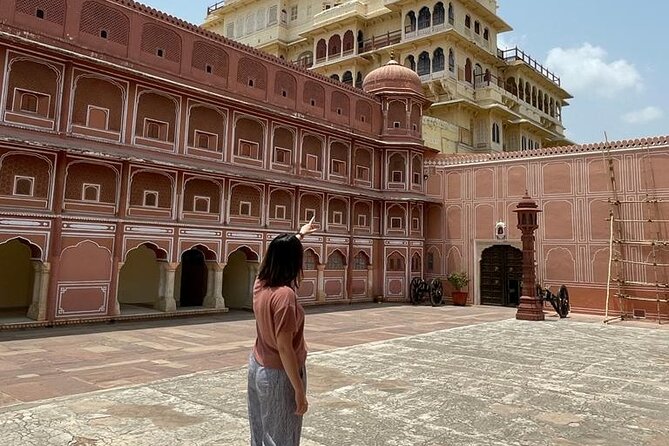
After Old Delhi, you’ll move through some of Delhi’s most meaningful landmarks.
You’ll visit Raj Ghat, Mahatma Gandhi’s memorial. The time here is short, but it’s a stop that adds weight to the day. It’s the kind of moment where walking slower is worth it, even if you’re on a schedule.
Then you’ll get a stop at India Gate, originally built as the All India War Memorial. It’s a simple pause—more about seeing the landmark and understanding what it represents than about a long guided session.
Finally, you’ll get a view of Rashtrapati Bhavan as you drive toward Agra. Even if it’s only a glance from the road, it’s one of those “now I get the geography” moments in Delhi—like the city map suddenly snaps into place.
Then it’s check-in and downtime in Agra. You’ll have a few hours to reset, shower, and sleep before the dawn plan the next day.
Agra at dawn: Sunrise Taj Mahal and breakfast-ready pacing

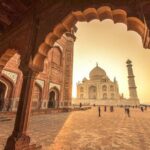
Day 2 is the one that earns its fame. You’ll start around 5:30 AM for the Taj Mahal sunrise experience.
Getting up early is not optional here if you want the intended magic. Morning light changes how you read the marble and the overall mood. And because this is guided, you’re not just staring at a landmark—you’re getting the story as you walk.
You’ll spend about 2 hours at the Taj Mahal, and after the visit you’ll have breakfast as part of the flow. This timing helps you avoid the common trap of sightseeing until you’re too tired to taste your food.
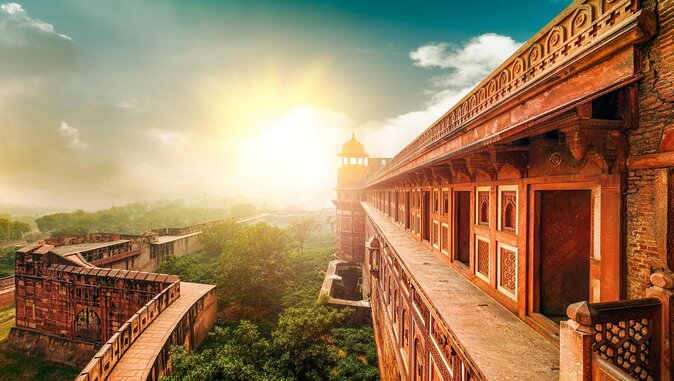
After breakfast, you’ll head to Agra Fort for a guided visit. Agra Fort is described as the grand residence of Mughal emperors and one of the largest forts of the Mughal era. Expect a fort experience that’s more than walls and gates—think of it as a military and power base that shaped daily life for rulers.
Once the Agra sightseeing is done, the day shifts from monuments to travel. You’ll go on to Jaipur and check in for the night.
The road to Jaipur: Pink City arrival and a proper overnight
After Agra Fort, you’ll drive to Jaipur—often called the Pink City for its historic color theme.
The schedule then gives you something many fast tours skip: a real overnight. Check-in time in Jaipur means you’re not trying to do a long list of sights on tired legs the same evening you arrive.
This matters because Jaipur is one of the most “look up, look around, look again” cities in India. If you’re rushed, you miss details. If you’re rested, you enjoy the big views more—and you’ll have more patience for the slower moments, like walking courtyards at Amber.
Use the evening for something simple: a low-key meal, a short walk near your hotel area, and sleep early. Your last day is packed with forts, palaces, and an astronomy stop that’s unique enough to feel like a change of pace.

Jaipur Day 3: Hawa Mahal, Amber area highlights, and Panna Meena ka Kund
Day 3 starts with hotel pickup after breakfast. Then you’re straight into Jaipur’s signatures.
First up is Hawa Mahal, the Palace of Breeze. It’s famous for its façade and the idea of air movement through the design. A guided visit helps you understand why that style exists and who used it.
From there, you’ll head into the Amber area, including stops tied to Amber Fort and the Amber Palace experience. This is classic Rajput architecture territory—expansive courtyards, shimmering halls, and lots of detailed design work. It’s also the kind of place where wearing comfortable footwear matters, because you’ll walk.
Next comes Panna Meena ka Kund, an ancient stepwell established in the 16th century during Maharaja Jai Singh’s reign. This stop is a great contrast. After forts and palaces, it’s a different kind of architecture problem—how water and community life were managed long ago.
If you’re the kind of person who enjoys variety within a city day (not just repeating one theme), this mix works. You go from palace drama to practical history.
Jal Mahal photos, City Palace lunch breaks, and UNESCO Jantar Mantar
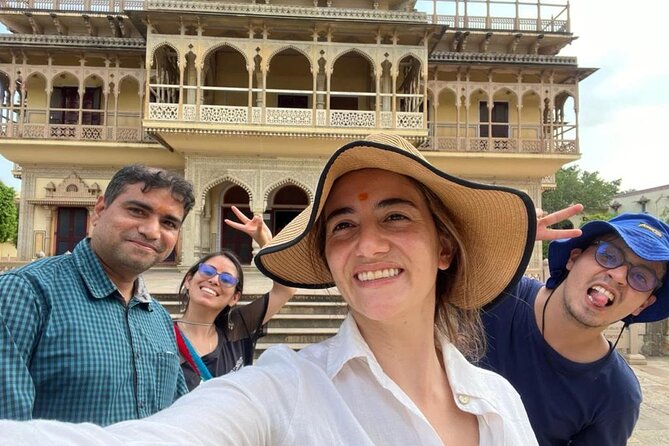
Later in the day you’ll hit Jal Mahal for a photo stop. It’s a “water palace” style spot, blending Rajput and Mughal architectural influences. The value here is mostly the view and the quick moment to photograph from the right angle. Plan to be ready for a short stop rather than a long sit-down.
Then it’s on to City Palace. You’ll have lunch time with help from your driver and guide for where to eat. Meals aren’t included, so having a suggestion makes a difference—you can choose based on what you feel like, not just what’s nearest.
After lunch, you’ll explore City Palace, described as a grand complex of courtyards and royal spaces. The guided approach helps you connect the layout to what each part was used for.
You’ll finish with Jantar Mantar, a UNESCO World Heritage Site and one of the largest astronomical observatories ever constructed. This is the stop that surprised me in a good way on a lot of Jaipur trips: it’s not just decoration. The shapes are tied to measuring time and sky patterns, and that science angle keeps you from zoning out.
After sightseeing, there’s time for shopping if you want it. If you’d rather keep it calm, just treat that as optional, not mandatory.
Price and entrance-fee reality: good value, with one cash item
At about $190.20 per person for a 3-day private tour, the price looks solid—especially because it includes private local guides, an air-conditioned vehicle (based on your group size and option), pickup, and essentials like water bottles, GST, tolls, and parking.
The main thing you’ll pay separately is entrance fees. The tour notes that total fees are about Rs. 5000 per adult, and your guides arrange tickets ahead of time. That means less time queuing at counters, which is a very real value in India’s popular sites.
You’ll pay the exact ticket cost in cash to the guide at the end of sightseeing. So keep some cash aside for that. Also, since meals aren’t included, decide early what you want to spend on lunch and build it into your budget.
If you’re traveling as a couple or small group and you don’t want to manage cars and timing yourself, this is the kind of arrangement that can feel like good value. If you’re trying to travel ultra-budget and you’re comfortable building routes on your own, then the added cost might feel unnecessary.
Vehicles, pacing, and comfort: how the logistics show up in your day
This tour includes a private, air-conditioned vehicle, with size depending on your group:
- For 1–2 people, a 4-seater AC sedan (with sedan vs SUV upgrade options)
- For 3 people, a Kia Carens (SUV upgrade option)
- For 4–5 people, a Toyota Crysta SUV
- For 6–9 people, AC Traveler (Maharaja Seats), with an upgrade option
That flexibility is not just paperwork. It affects how relaxed you feel during long driving segments between Delhi, Agra, and Jaipur.
The pacing also helps. Stops are given with time windows, and you’re not left guessing when things end. You’ll also have water bottles throughout, which is small, but it keeps you from turning every stop into a search mission.
In the positive reviews, drivers and guides are specifically praised for comfort and for explaining history while answering questions. That’s the practical difference you’ll feel: you’re not just “moving through places,” you’re understanding them enough to remember them.
Who should book this Golden Triangle tour
This is a good match if you want:
- Private guidance through Delhi, Agra, and Jaipur rather than a crowded group
- A classic Golden Triangle sequence, done with a guided flow
- A sunrise experience for the Taj Mahal
- Comfort in transportation, plus pickup at the start and pickup again later
It may be less ideal if you hate early mornings. Sunrise means you’re awake before normal breakfast hours. It’s also best if you’re okay paying entrance fees separately in cash.
If you’re a solo traveler, couples, or a family group who wants a structured plan without losing the ability to ask questions, this style makes sense.
Should you book this Golden Triangle 3-day private tour?
I’d book it if you want the Golden Triangle experience with private local guides, pickup, and a schedule that doesn’t treat you like a stopwatch. The sunrise Taj Mahal plan alone is a strong reason, and the fact that guides arrange entrance tickets ahead helps reduce one of the most annoying parts of sightseeing.
I would also book it if you value comfort during long drives, because the tour includes an air-conditioned private vehicle and water bottles throughout.
Skip it only if you’re determined to manage every detail yourself or if you’re not willing to handle the separate entrance-fee payment (around Rs. 5000 per adult in cash). If that’s fine with you, this tour looks like a straightforward way to do the classics with less stress and more meaning.
FAQ
How long is the Golden Triangle Tour?
It’s approximately 3 days.
Does the tour include pickup from the airport and hotels?
Yes. You get airport pickup in Delhi, and hotel pickup is also included for the Agra sunrise day and for the Jaipur sightseeing day.
Are local guides included in each city?
Yes. The tour includes private local guides in Delhi, Agra, and Jaipur.
Are entrance tickets included in the tour price?
Entrance tickets are not included in the base price. The guides arrange entrance tickets in advance, and you pay the exact ticket cost in cash at the end of sightseeing.
About how much should I budget for entrance fees?
The tour estimates total entrance fees at about Rs. 5000 per adult.
What type of vehicle will I use?
You’ll travel in an air-conditioned private vehicle, with the model depending on your group size (sedan, Kia Carens, Toyota Crysta SUV, or AC Traveler for larger groups).
Are meals included?
No. Meals are not included.
Is there a mobile ticket?
Yes, a mobile ticket is included.
What is the cancellation policy?
There is free cancellation up to 24 hours in advance for a full refund. The experience also requires good weather; if canceled due to poor weather, you’ll be offered a different date or a full refund.