REVIEW · NEW DELHI
Golden Triangle India Tour 4 Days
Book on Viator →Operated by Indian Travel Online · Bookable on Viator
Golden Triangle in four days, no fuss.
This private tour is built for people who want the famous sights of Delhi, Agra, and Jaipur without doing the logistics shuffle. You get airport or train-station meet-and-greet, a welcome drink, daily breakfast, and air-conditioned private car transfers that keep the day moving. I especially like that the experience is positioned as VIP-style, with private, personalized touring for your group.
Two things I really like: first, the practical pickup and on-arrival assistance. Names show up in the feedback like drivers such as Akash, and guides like Jagjeet Singh for Delhi—so you’re not just handed a map and sent on your way. Second, the pace is structured enough that you can hit big-ticket monuments such as Qutub Minar, Taj Mahal, and Amber Fort while still getting sensible breaks for transit and meals.
One possible drawback to plan for: entrance fees and camera fees for monuments are not included. That means your budget can creep up once you start buying tickets on-site, especially if you want photos at multiple locations.
In This Review
- Key takeaways before you book
- The real value of this Golden Triangle circuit
- What’s included (and what you’ll likely pay extra)
- Day 1 in Delhi: from Qutub Minar to Humayun’s Tomb (and more)
- Day 2 to Agra: Sikandara and the Taj Mahal moment
- Day 3: Agra Fort, then Fatehpur Sikri to Jaipur’s Pink City
- Day 4 Jaipur: Amber Fort, Jal Mahal photo break, and Hawa Mahal
- Hotels, comfort, and what to pack for a fast-paced week
- Who this tour fits best (and who should look elsewhere)
- Booking tips that make the trip smoother
- Should you book this Golden Triangle 4-day tour?
- FAQ
- What cities are covered on this 4-day Golden Triangle tour?
- How long is the tour?
- What is the starting time?
- Is this a private tour?
- What’s included in the price besides sightseeing?
- Are monument entrance fees and camera fees included?
- How do airport or railway pickups work?
- What is the cancellation window?
Key takeaways before you book
- Private car, A/C transfers, and tolls handled: you spend less time bargaining and more time sightseeing.
- Airport or rail pickup with meet-and-greet: helps if you’re arriving at a busy hour.
- Breakfast included for 3 mornings: easier starts, fewer meal decisions.
- Three-star accommodation (3 nights), double sharing: good value for a short, packed circuit.
- Big monuments, tight days: you’ll see a lot, so wear comfy shoes and expect heat.
The real value of this Golden Triangle circuit
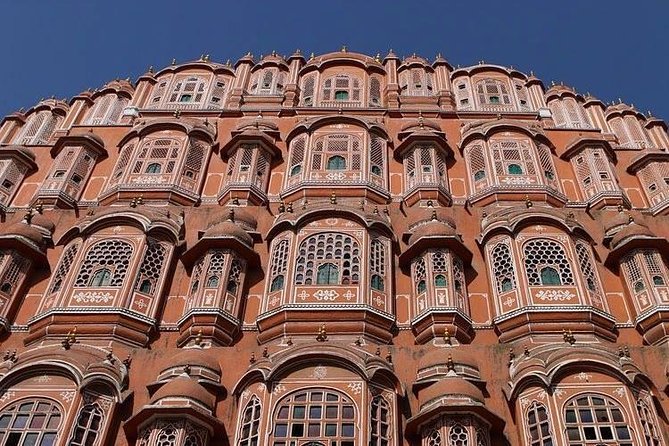
The Golden Triangle is famous for a reason. In a single route you get modern political India (Delhi), Mughal grandeur (Agra), and royal Rajasthan (Jaipur). The trick is doing it without wasting half your time figuring out transport, ticket counters, or where to stand for the best views.
This version tries to solve that with a private setup: you travel in an air-conditioned private vehicle between cities, and your day is organized around major sights. That matters because India’s big cities can slow you down with traffic, pedestrian crowds, and random detours. A private car can’t erase all that, but it does reduce the chaos.
Price-wise, the listed cost is $375.67 per person for about four days, which isn’t “budget backpacking,” but it also isn’t the kind of premium that feels untouchable. What you’re paying for is coordination: pickups, transfers, sightseeing guidance as scheduled, three nights of three-star lodging on a double-sharing basis, and breakfast. If you were to stitch this together alone—car + driver + hotels + timed visits—you’d likely spend similar or more.
You can also read our reviews of more tours and experiences in New Delhi.



What’s included (and what you’ll likely pay extra)

Here’s the important part: you’re not on your own for most of the heavy lifting. Included features include:
- Sightseeing based on the planned stops
- Private A/C car transfers between Delhi, Agra, and Jaipur
- Airport or railway-station pickup and arrival assistance
- A welcome drink
- Daily breakfast (3) and 3 nights of three-star accommodation (double sharing)
- Fuel, parking, driver allowances, and toll taxes
What’s not included:
- Monument entrance fees and camera fees
- Lunch and dinner, plus personal expenses
- Travel insurance, air ticket, and train ticket
- Any extra charges or taxes not mentioned
My practical advice: carry cash and a card, and assume entrances/camera fees will add up. Even if the main sights are “must-sees,” ticketing can be what turns a smooth day into a mad dash. If you’re photo-heavy, the camera fee situation can be extra, so ask your guide how each monument handles photography once you’re there.
Day 1 in Delhi: from Qutub Minar to Humayun’s Tomb (and more)
Delhi on this route is a sampler platter—big monuments, political landmarks from the outside, and a couple of places that feel calmer than you’d expect.
Your day starts with pickup from the airport or railway station and then heads into sightseeing. Expect stops that include:
- Jama Masjid
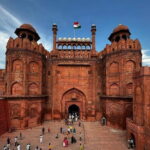
- Red Fort
- Raj Ghat
- Humayun’s Tomb
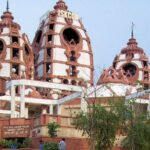
- Lotus Temple (Bahai)
- Qutub Minar
- Rashtrapati Bhawan and Parliament House (typically from viewing points)
- Jantar Mantar
A few notes so you can enjoy it instead of just surviving it:
Qutub Minar is the one that often shocks people—in a good way. It’s tall, detailed, and it makes the whole site feel like a whole chapter of early Delhi history in one place. Don’t rush the lower carvings; you’ll appreciate them more if you slow down.
Humayun’s Tomb is one of those “you came for the big names, stayed for the atmosphere” locations. The setting feels spacious and grounded, especially compared with the denser parts of central Delhi.
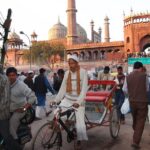
Jama Masjid and Red Fort can be visually intense. If you go in expecting clean, quiet museum vibes, you’ll be disappointed. If you go in expecting real India—people, movement, color, and scale—you’ll get what you came for.
Also, the tour structure uses a private car and planned stops. That matters because Delhi’s traffic can erase your energy fast. With a driver managing transit and parking, you can focus on walking and photos, not navigation.
Day 2 to Agra: Sikandara and the Taj Mahal moment
After breakfast, you drive to Agra, and you break the journey with Sikandara, the mausoleum of Emperor Akbar. En route stops like this are smart. They stop the trip from feeling like “we’re just traveling to get to the real thing.”
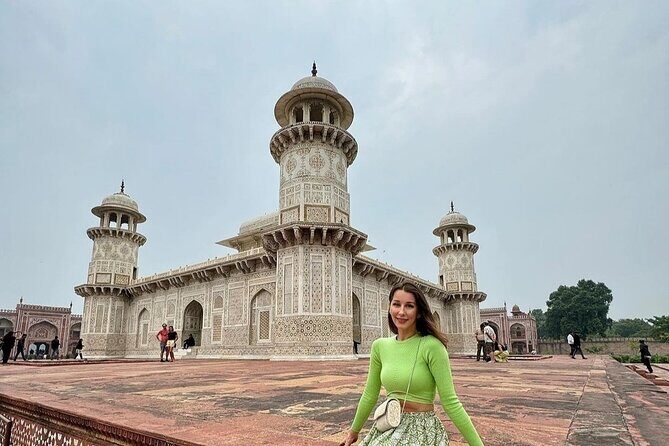
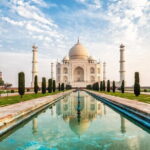
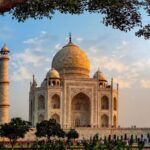
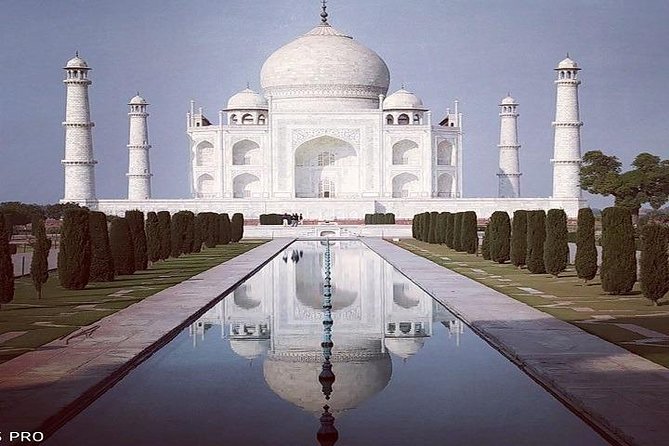
Then comes the big one: the Taj Mahal. Even if you’ve seen it in photos a hundred times, you’ll still feel the scale in person. Plan for changing light and crowds. If you can, arrive early in your day’s flow so you’re not stuck when everyone’s doing the exact same photo poses at once.
The Taj Mahal visit usually sets the tone for the whole trip. Everything after can feel either like a letdown (because it’s hard to beat) or like a contrast—how different Mughal architecture can be when you’re not staring at the same iconic angle.
Agra itself isn’t just about the Taj. It’s a staging area for Mughal-era sites, and this tour uses Agra as more than a day-trip.
Day 3: Agra Fort, then Fatehpur Sikri to Jaipur’s Pink City
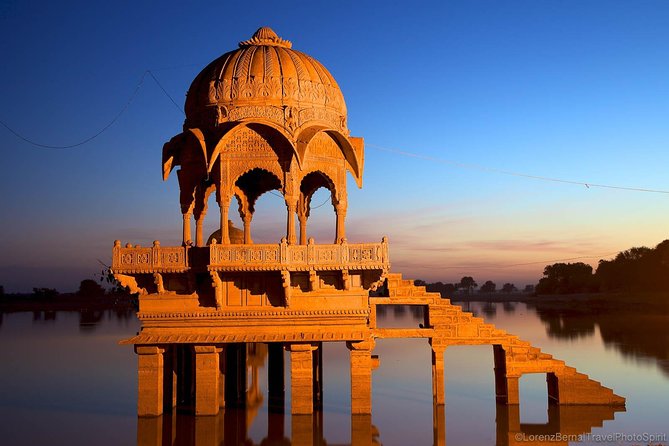
Day 3 begins in Agra with Agra Fort, then you move on toward Jaipur. Along the way you visit Fatehpur Sikri, including Buland Darwaza, described in the plan as the largest gateway in the world.
This is a great day for two reasons:
- You get another major Agra monument before leaving.
- You break the long drive with a world-famous complex that feels like a living time capsule.
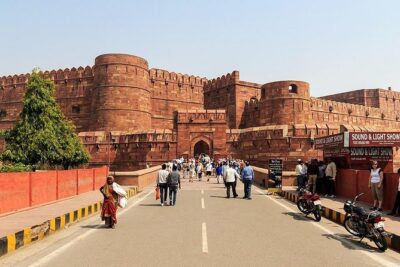
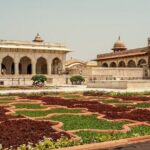
Agra Fort gives you a different angle on Mughal power than the Taj. You’re still in monumental territory, but the mood changes. It’s more fortress, more fortification, more “how they defended and lived” than “how they displayed.” If you like architecture that tells a story through walls and layout, you’ll enjoy it.
Fatehpur Sikri is one of those places where you’ll want to keep your eyes open for details, not just the headline buildings. Buland Darwaza works well as a photo stop because the scale is obvious. Just remember: stone + heat + crowds equals slower walking, so pace yourself.
When you reach Jaipur, you check in and transition into Rajasthan mode—more color, more palace silhouettes, and that classic Jaipur photography vibe.

Day 4 Jaipur: Amber Fort, Jal Mahal photo break, and Hawa Mahal
Your final day starts after breakfast with sightseeing in Jaipur. This day is heavy on royal landmarks, with a mix of walking and photo stops:
- Amber Fort & Palace
- Photo stop at Jal Mahal
- City Palace & Museum
- Jantar Mantar
- Photo stop at Hawa Mahal
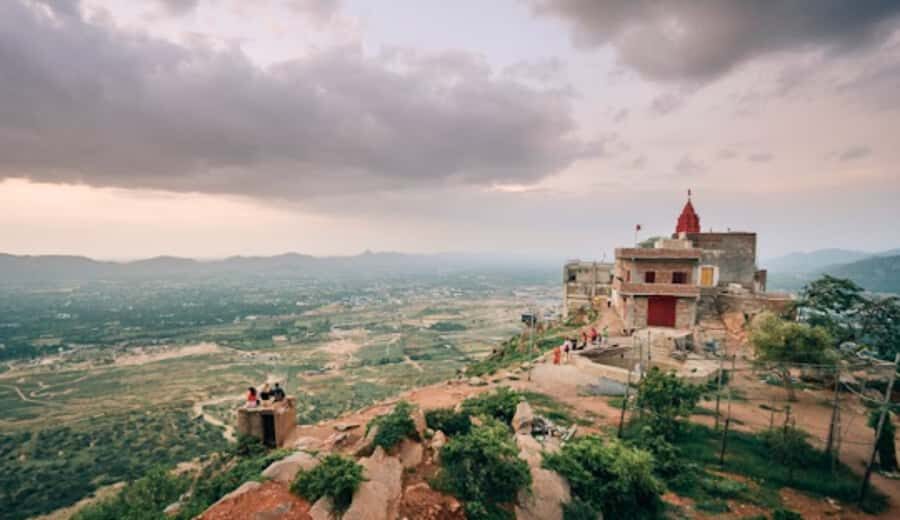
Amber Fort is the anchor. It’s big enough that you’ll understand why people talk about it like a full-day place. Even if you only get part of the complex in your scheduled time, the views over the area are reason enough to show up early in your day.
Then Jal Mahal is used here as a photo stop. That’s smart because it lets you capture the look without turning the whole morning into a slow detour. Expect a quick stop and then back on the move.
City Palace & Museum is where you shift from exterior views to internal stories. If you prefer history that you can see in rooms and displays, this part is worth giving your attention. If museums make you restless, still pause here—Jaipur’s royal collections help connect the fort and the streets.
Jantar Mantar (Jaipur’s version) is the kind of site that makes you appreciate how practical science could be in public spaces. It’s not just “old instruments.” It’s architecture designed for observation.
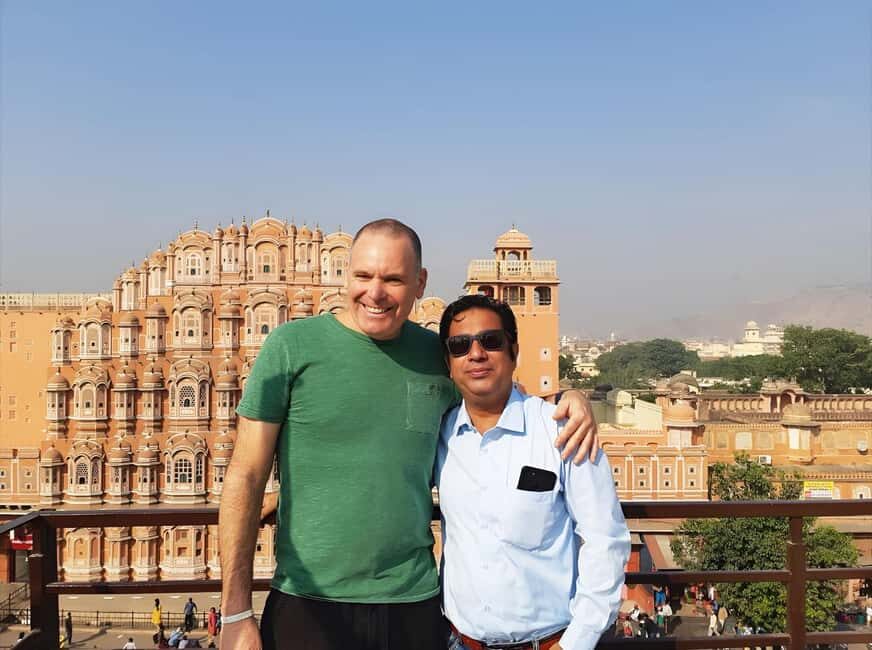
Finally, Hawa Mahal is a “look and photograph” stop. It’s iconic for a reason. It also tends to be busy, so keep your expectations realistic and focus on getting your key shots quickly.
Hotels, comfort, and what to pack for a fast-paced week
This tour includes three nights of three-star accommodation on a double sharing basis. That’s a common sweet spot for short Golden Triangle trips: you get a real base in each city without paying for luxury, and you’re not spending time searching for hotels.
From feedback, the transport and lodging quality can be a standout factor when the company picks well. One note that shows up: rooms were described as clean, and cars were kept in good condition, including references to vehicles like the Inova Crysta in at least one case. You also want to mentally prepare for heat—one solo review noted it was very hot in summer and that the driver had plenty of cold water. That kind of small practical detail can make a big difference.
What I’d pack for comfort (and less crankiness):
- Comfortable walking shoes with grip
- Water bottle you can keep refilling
- Sun protection (hat and sunscreen)
- A light layer for indoor spaces like museums
Who this tour fits best (and who should look elsewhere)
This is a good match if you:
- Want a private route with minimal decision-making
- Care about seeing the core monuments—Taj Mahal, Qutub Minar, Amber Fort—without stitching logistics together
- Travel in a group that values togetherness over freewheeling
It may not be ideal if you:
- Prefer slower travel with lots of unplanned time
- Hate structured schedules and photo-stop timing
- Expect all monument entrances and camera fees to be included
If you’re the type who enjoys stepping into big scenes, learning on the move, and being guided through the “where to go first” moments, you’ll likely like this.
Booking tips that make the trip smoother
A few practical things I’d do before you go:
- Confirm how entrance fees work for each monument you’ll visit. The tour doesn’t include them, so you’ll want clarity on payment timing.
- Plan your photo expectations. Camera fees may apply at specific sites, so ask your guide at the start of each day.
- Bring cash and card for small purchases and emergencies.
- If you’re arriving by train and not a plane, double-check your pickup details so the meet-and-greet is actually smooth.
Also, the “mobile ticket” mention suggests you’ll receive something digital for access. That’s convenient—just make sure your phone has battery and you have any offline copies needed.
Should you book this Golden Triangle 4-day tour?
I’d book it if you want a practical, private Golden Triangle that runs like a plan instead of a gamble. The value comes from coordination: pickup help, A/C private car transfers, curated major-site stops in Delhi/Agra/Jaipur, and breakfast plus three nights of three-star lodging.
I’d think twice if you hate extra costs at monuments or you want a slower pace. Since entrance and camera fees aren’t included, your “all-in” cost will be higher than the headline figure.
If you choose it, you’re buying convenience and momentum. And in North India, momentum is half the battle.
FAQ
What cities are covered on this 4-day Golden Triangle tour?
The tour covers New Delhi, Agra, and Jaipur, visiting major sights across all three.
How long is the tour?
It runs for 4 days (approx.).
What is the starting time?
The activity starts at 9:00 am.
Is this a private tour?
Yes. It’s listed as a private tour/activity, and only your group will participate.
What’s included in the price besides sightseeing?
Included items include 3 nights of three-star accommodation (double sharing), breakfast (3), a welcome drink, and all transfers and sightseeing by private A/C car. Tolls, parking, fuel, and driver allowances are also covered.
Are monument entrance fees and camera fees included?
No. Monument entrance and camera fees are not included.
How do airport or railway pickups work?
The tour includes assistance on arrival and a personalized meet-and-greet in Delhi at either the train station or the airport, followed by transfer to the hotel after sightseeing.
What is the cancellation window?
You can cancel for a full refund if you cancel at least 24 hours in advance of the experience start time.