REVIEW · NEW DELHI
Golden Triangle Group Tour with 5 Star Hotels – All Inclusive
Book on Viator →Operated by Select India Holidays · Bookable on Viator
Golden Triangle tours can turn into a blur. This one aims for a calm, guided pace.
I like that it keeps the group small (up to 9 travelers) and includes the key monument tickets, so you spend less time figuring things out. I also like the built-in variety: Old Delhi markets by electric rickshaw, then big-ticket Mughal sites in Agra, and finally Rajput sights in Jaipur. One thing to consider: meals are not included beyond breakfast, so you’ll still need to plan for lunch and dinner on your own during a few long travel stretches.
If you want help staying organized, the operator support linked to this tour includes people like Mr. Om Prakash (often referred to as Om Ji), who’s known for smooth, stress-free trip coordination. Still, because this is a group tour, expect set timing for photo stops and museum time rather than total freedom.
In This Review
- Key things I’d bet you’ll notice fast
- What This 6-Day Golden Triangle Plan Really Gives You
- Meeting Point to Hotel: Pickup, Private AC Car, and Mobile Tickets
- New Delhi Day: Electric Rickshaw Through Chandni Chowk and Mughal Landmarks
- Qutub Minar: A Big Ticket Stop That Fits a Tight Schedule
- The Agra Journey: A Long Drive, Then Instant Rewards
- Taj Mahal and Agra Fort: Two Very Different Moods in One Area
- Jaipur Arrival and Amber Fort Day: Forts, Royal Details, and Real Photo Time
- Jantar Mantar and Birla Mandir: Science and Spiritual Stops After the Palaces
- Price and Logistics: Does $190 Cover What You Actually Need?
- Who This Tour Fits Best (and When You Might Want a Different Style)
- Should You Book This Golden Triangle Tour?
- FAQ
- What cities are included in this Golden Triangle tour?
- How long is the tour?
- Is airport pickup included?
- How big is the group?
- Are monument entrance fees included?
- Is breakfast included?
- Are lunch and dinner included?
- What is the cancellation window for a full refund?
Key things I’d bet you’ll notice fast
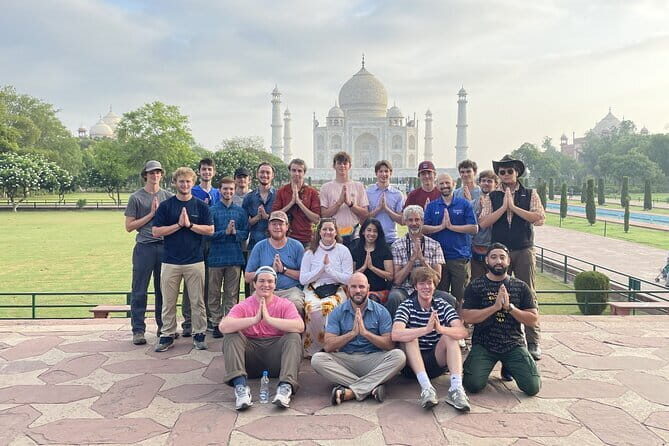
- Small group size (max 9): easier listening to the guide and less crowd chaos at monuments.
- Entrance fees included for major stops: Qutub Minar, Taj Mahal, Agra Fort, Amber Fort, Jantar Mantar, and City Palace.
- Electric rickshaw in Old Delhi: a fun, practical way to cover the busiest streets.
- All fuel, parking, tolls, and taxes covered: the car part feels handled, from pickup through transfers.
- English-speaking local guide: explanations are part of the value, not just a name on the ticket.
- No-rush pacing focus: the tour is designed to keep you from sprinting through sights.
What This 6-Day Golden Triangle Plan Really Gives You
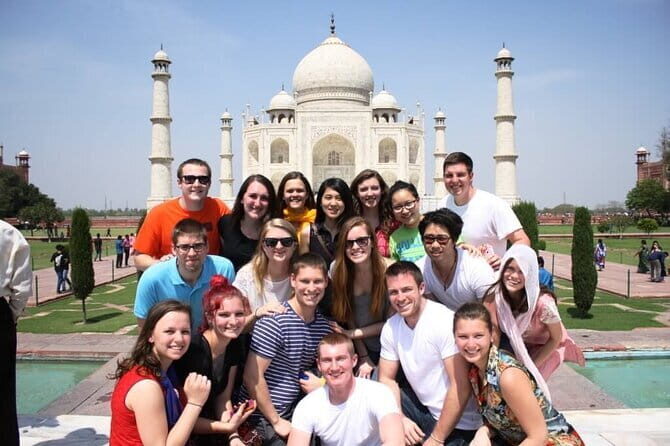
The Golden Triangle (Delhi–Agra–Jaipur) is India in three different moods, and this tour is built to hit the highlights without turning your day into a checklist sprint. In six days, you’ll move through Mughal-era grandeur, colonial-era Delhi landmarks, and Rajput royal architecture—then connect it all with a guide who helps you see what you’re looking at.
You’re also paying for structure. With transport, admissions, and a local guide bundled in, you avoid the common first-timer headache: negotiating tickets, rearranging plans, and trying to match opening times on the fly. This kind of planning matters especially in places like Delhi and Agra, where you’ll spend a lot of your trip simply moving between areas.
And yes, the trip is marketed as including 5-star hotels and an “all inclusive” style package. Based on what’s explicitly included, you should think of it as a full sightseeing and accommodation package with breakfast included, while lunch and dinner are on you.
You can also read our reviews of more tours and experiences in New Delhi.



Meeting Point to Hotel: Pickup, Private AC Car, and Mobile Tickets

Your trip starts with pickup offered from Indira Gandhi International Airport. That’s a big deal in Delhi, where arriving tired can turn “where do we go now?” into a mini emergency. After arrival, you’re transferred straight to your hotel for a two-night stay in Delhi.
For getting around, you’ll use an air-conditioned vehicle as per the day plan. The tour includes all fuels, parking, tolls, and interstate taxes, which means you’re not watching the clock because someone forgot to cover the logistics. You also get a mobile ticket, which usually makes day-of entry smoother and reduces paperwork stress.
One more practical point: the plan is “group tour” style, but the vehicle feels private in the sense that you’re being moved with the itinerary rather than hopping around on public transport. That’s how you get a better shot at enjoying the sites instead of focusing on transportation anxiety.
New Delhi Day: Electric Rickshaw Through Chandni Chowk and Mughal Landmarks
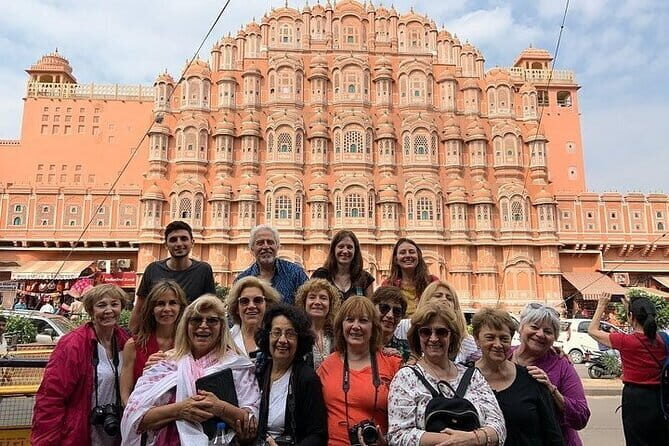
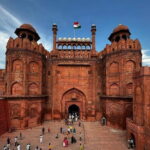
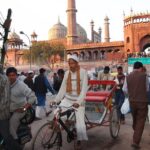
Old Delhi is where Delhi feels like a living city rather than just a skyline. You start with Chandni Chowk, one of the area’s oldest and busiest markets. This tour takes you through it via an electric rickshaw ride, which is both efficient and fun—especially when lanes get tight and traffic gets… creative.
Chandni Chowk is known for being a major wholesale market. That means you’ll notice how the shops and streets are organized for fast movement of goods, not just casual wandering. If you enjoy sensory overload—spices, textiles, metalwork, and the constant push of commerce—you’ll get a lot out of this stop without needing to plan your own route.
Then you move to Jama Masjid. This mosque sits in the old Mughal capital area and served as an imperial mosque for the Mughal emperors until the empire ended in 1857. Even if you’re not a deep architecture person, the guide helps connect the building to the story of power and faith in the city.
The day also includes a quieter, reflective break at Raj Ghat, where Mahatma Gandhi was cremated. You’ll also see a 42-meter memorial honoring 70,000 Indian soldiers who died fighting for the British Army during World War I, plus the area of official residence historically tied to the British viceroy—now a residence of the Indian president. Add a drive through the diplomatic zone known as Shantipath, and you get a surprising mix of religion, remembrance, and modern state symbolism in one day.
Possible drawback: New Delhi days can pack a lot into a short time window. The upside is that you’re not doing the logistics yourself; the tradeoff is that you’ll need to go with the flow when the timing moves on.
Qutub Minar: A Big Ticket Stop That Fits a Tight Schedule

Qutub Minar is one of those sights that makes you stop talking for a minute. It’s a towering minaret—about 72.5 meters—built in the late 12th century. Even with minimal context, you’ll feel the scale.
This stop includes entry, so you avoid the most common travel snag: wandering around asking where to buy tickets while the light changes and your schedule starts to slip. The tour gives you around 45 minutes, which is usually enough for the main views and some time for the guide’s explanations.
If you’re a first-time visitor, this is a strong “anchor” monument. Delhi has a lot of historic sites; Qutub Minar helps you understand why this region is a cornerstone of India’s medieval architecture.
The Agra Journey: A Long Drive, Then Instant Rewards
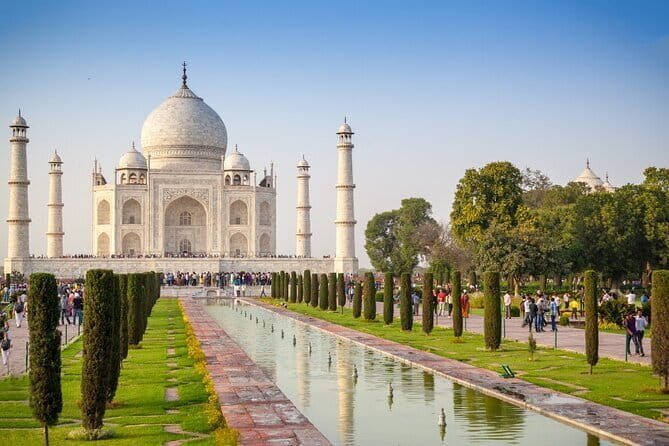
After breakfast, you check out of your Delhi hotel and head to Agra. The drive is about four hours, with a short 30-minute tea/coffee break built in. That break matters. You’ll arrive in Agra feeling human instead of cranky.
Once you get there, you check into your hotel for your night in the city. And even before the full Taj Mahal time, you get an optional Taj Mahal View Point stop with a panoramic view across the Yamuna River.
This is a smart move. Even if you only spend about 30 minutes, it gives you a mental map before you go right into the main complex. That often helps you understand why the Taj Mahal’s positioning feels so exact.
What to consider: the drive is long enough that you’ll likely want to keep a light bag and avoid heavy shopping on the Delhi side. If you’ve got lots of souvenirs waiting, plan them for later.
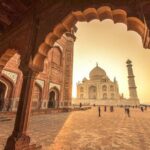

Taj Mahal and Agra Fort: Two Very Different Moods in One Area
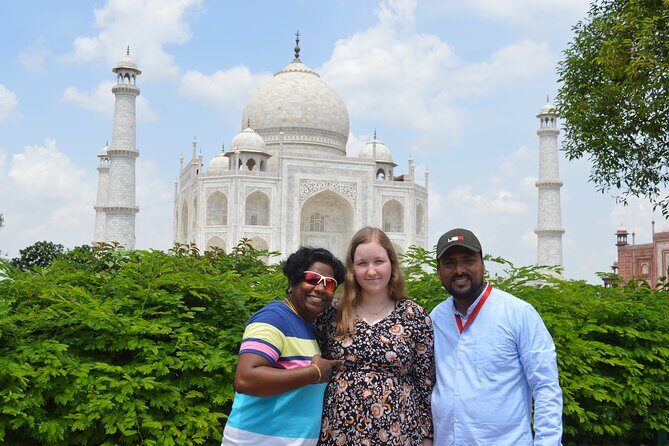
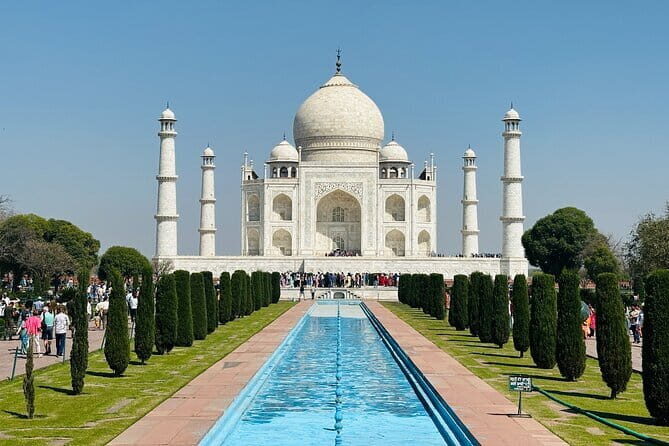
Taj Mahal time is the star attraction, and this tour gives you about two hours for it, including entry. The description of the monument centers on Shah Jehan building it in memory of Mumtaj Mahal. That context is important, because it turns the visit from photo-taking into understanding why the building is so emotionally weighted.
Then you head to Agra Fort, a UNESCO World Heritage Site tied to Mughal rulers. Akbar built the fort for military purposes, and later Shah Jehan added royal palaces. You’ll get about one hour here, which is a good match: enough time to see key areas and the general layout, without forcing you into an all-day endurance test.
The best way to enjoy these two stops is to let them contrast. The Taj Mahal is about symmetry and the idea of love memorialized in stone. Agra Fort is about rule, residence, and power—more functional in feel, and often less “postcard” than the Taj.
Jaipur Arrival and Amber Fort Day: Forts, Royal Details, and Real Photo Time

After Agra, you travel to Jaipur in the afternoon with a journey time of about five hours, including one or two tea/coffee stops. That afternoon drive means Jaipur starts with energy, not jet-lagged downtime.
The big highlight is Amber Fort, which you’ll spend around two hours in. Amber Fort has layers: originally built by Raja Man Singh, expanded by Maharaja Jai Singh I, and then shaped by later rulers over time. The guide’s explanations help you see it as more than a single building—it’s a timeline of Rajput power.
After Amber Fort, you return toward the city and stop at Jal Mahal for about 15 minutes. It’s a photo stop, not a long exploration. If you love quick “arrive, shoot, move” moments, you’ll like this. If you prefer slow looking, you might want to be strategic with your camera so you don’t lose time debating the best angle.
Then you shift to City Palace of Jaipur with entry included. You’ll spend about one hour here, and you can expect the palace to include multiple museums and spaces, including things named like Chandra Mahal and Mubarak Mahal, plus the City Palace museum area. The tour also notes a temple within the palace complex and that the royal family lives in a private section. That mix—public visitor areas plus private residence—adds a realistic sense of continuity rather than making it feel like a sealed museum.
A quick practical tip: City Palace and Amber Fort can feel like they blur together if you don’t keep notes in your head. Ask your guide one question about what changed over time, and it’ll stick.
Jantar Mantar and Birla Mandir: Science and Spiritual Stops After the Palaces

On the same Jaipur day, you also visit Jantar Mantar, an 18th-century astronomical observatory built by Maharaja Sawai Jai Singh II. It includes 19 astronomical instruments, so this is not just architecture—it’s a place where geometry and observation were treated like power tools.
You’ll have around 45 minutes here, enough to grasp the big ideas without feeling rushed through everything. If you like practical curiosity—how people measured the sky before modern tech—you’ll enjoy this stop more than you might expect.
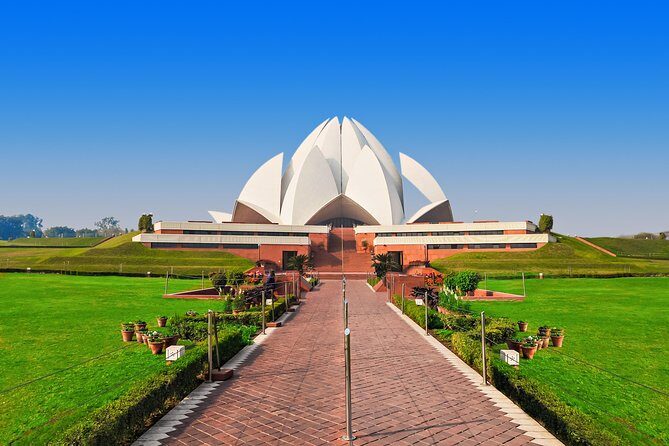
Then you end at Birla Mandir Temple, dedicated to Lord Vishnu and Goddess Laxmi. It’s about 30 minutes, and entry is listed as free. Since lunch and dinner aren’t included, this temple visit can also serve as a nice decompression point before you’re heading back to your hotel for rest.
Price and Logistics: Does $190 Cover What You Actually Need?
At about $190 for roughly six days, this tour is priced like a bundle: accommodation in 5-star hotels (per the package), guided sightseeing, transport, and monument entrance fees. The value is mostly in the “friction removal”:
- You’re not booking separate guides and separate tickets for the big sites.
- You’re not dealing with intercity travel planning on your own.
- You’re not worrying about fuel, parking, or tolls during your day-to-day movement.
Here’s the honest part: breakfast is included, and monument entrances are included, but lunch and dinner are not included. So budget for meals on top of the base price. Also consider tips, since gratuities are optional and not included.
Where the tour feels especially good for your wallet is that it includes entry for several major attractions across all three cities. Many Golden Triangle packages will include some entrances but not all the big ones. This one targets the core list.
Who This Tour Fits Best (and When You Might Want a Different Style)
This tour fits best if you:
- Want a first-time Golden Triangle with built-in guidance.
- Prefer a small group rather than trying to coordinate everything solo.
- Care more about seeing the right places at a reasonable pace than maximizing free time.
It might not be ideal if you:
- Hate group schedules and fixed timing.
- Want full independence for meals and longer solo exploration.
- Expect all meals to be included, since only breakfast is explicitly covered.
Because the plan uses private AC vehicle transfers and keeps the group size capped, it’s a nice middle path. You still get structure, but it doesn’t feel like you’re stuck in a huge bus crowd.
Should You Book This Golden Triangle Tour?
I’d book it if your priority is getting a clear, guided introduction to Delhi, Agra, and Jaipur without the usual travel headaches. The combination of included monument entrances, airport pickup, AC transport, and a small group size makes the trip feel practical. The best sign is the “no rushing” style—exactly what you need when you’re compressing three cities into six days.
Before you say yes, do two quick checks:
- Confirm you’re comfortable paying for lunch and dinner separately.
- Mentally accept that some moments are short by design—like Jal Mahal’s photo stop—so you’re choosing efficiency over endless wandering.
If that matches your travel style, this is a strong value way to see the Golden Triangle with less stress and more understanding.
FAQ
What cities are included in this Golden Triangle tour?
The tour covers three cities: New Delhi, Agra, and Jaipur.
How long is the tour?
It’s listed as 6 days (approx.).
Is airport pickup included?
Yes. Pickup is offered and the start point is Indira Gandhi International Airport (New Delhi).
How big is the group?
The tour has a maximum of 9 travelers.
Are monument entrance fees included?
Yes. Entry/Admission is included for Qutub Minar, Taj Mahal, Agra Fort, Amber Fort, Jantar Mantar (Jaipur), and City Palace of Jaipur.
Is breakfast included?
Yes. Breakfast (5) is included.
Are lunch and dinner included?
No. Lunch & Dinner are not included.
What is the cancellation window for a full refund?
You can cancel up to 3 days in advance for a full refund. If you cancel less than 3 days before, the amount is not refunded.