REVIEW · AMER INDIA
From New Delhi: Jaipur Guided City Tour with Hotel Pickup
Book on GetYourGuide →Operated by Tripology · Bookable on GetYourGuide
Jaipur looks best when you catch it early. This day trip starts with a quiet lift out of New Delhi before dawn, then rolls straight into the highlights you came for, including Amber Fort. You get a local guide to explain what you’re seeing, not just where to stand for photos.
I especially like two parts of the experience: the way your guide brings the math-meets-history vibe of Jantar Mantar to life, and the lunch stop where you can try local dishes like Lal Maas. It turns a long travel day into a story you can follow.
One thing to think about: there’s a moderate amount of walking, plus security checks at each site. If you have back problems or mobility limits (or if you are pregnant), this may not be the easiest day.
In This Review
- Key Highlights to Know Before You Go
- Before Dawn Departure from Delhi: Why the Timing Matters
- Hotel Pickup and a Private Car-Day Feel (With Real Human Guides)
- Amber Fort on the Hill: Hindu and Rajputana Architecture in Action
- Jal Mahal and the Reality of Outside-Only Views
- Panna Meena Ka Kund: Stairways That Feel Like a Secret
- City Palace: One Complex, Several Building Languages
- Jantar Mantar: When Math Shows Up as Architecture
- Hawa Mahal: 900+ Windows and the Art of Cooling
- Lunch in Jaipur: What’s Included and What You Pay For
- The Day’s Pace: How to Stay Comfortable for 15 Hours
- Returning to Delhi: Drop-Off That Respects Your Schedule
- Price and Value at Around $16 Per Person
- Who This Tour Works For (and Who Should Skip It)
- Should You Book This Jaipur Day Tour?
- FAQ
- How long is the Jaipur guided city tour from New Delhi?
- Where does hotel pickup and drop-off happen?
- Is transportation included, and is it air-conditioned?
- Do I get a live guide, and what languages are available?
- Are entry fees included?
- Is lunch included in the tour price?
- Will I be able to skip lines?
- Are there any photography limits?
- What should I bring for the day?
Key Highlights to Know Before You Go
- Amber Fort first thing: you’ll get cooler temps and fewer crowds while you explore this hilltop landmark
- Jantar Mantar with context: a guide helps connect the instruments to the bigger UNESCO story
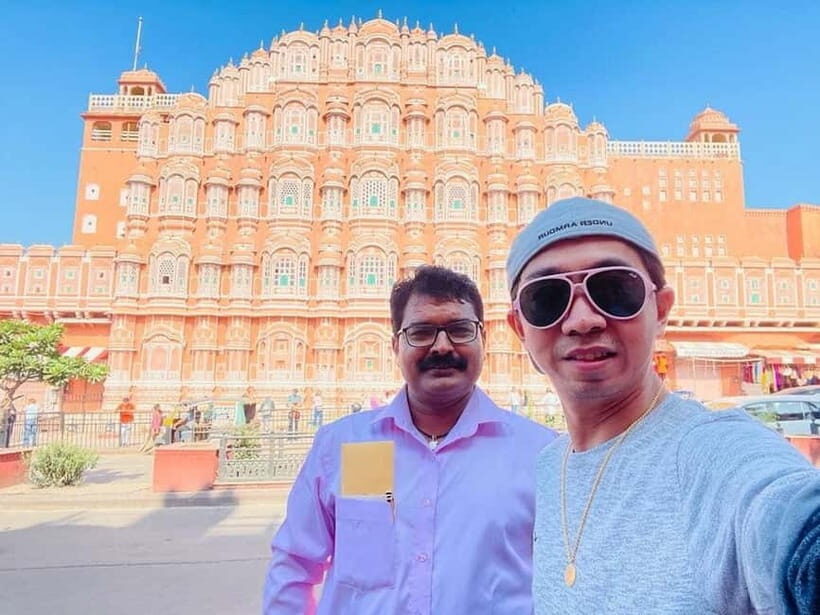
- Hawa Mahal’s latticed windows: over 900 windows are a cool, visual reminder of how the city built for summer
- Jal Mahal is outside-only: you’ll see the palace from a distance because entry isn’t allowed
- Lunch with Rajasthan flavors: you’ll have a real restaurant stop and options like Ker Sangriya and Missi Roti
- Skip-the-line entry: a separate entrance helps you spend more time at the monuments
Before Dawn Departure from Delhi: Why the Timing Matters
This trip is built around an early start, and you feel it right away. Leaving New Delhi before the day gets hot helps you see major sights with less crowd pressure and more comfortable walking. It’s one of those travel choices that sounds small on paper but makes a big difference once you’re there.
You’ll also be moving with an organized flow, using air-conditioned transportation and a plan that keeps the Delhi-to-Jaipur leg efficient. The idea is simple: arrive ready to see, not ready to recover from the journey.
Also, for a day that’s mostly outdoors, timing is everything. Jaipur can go from pleasant to intense quickly, especially when you’re walking between sites and waiting for security checks.
You can also read our reviews of more guided tours in Amer India


Hotel Pickup and a Private Car-Day Feel (With Real Human Guides)
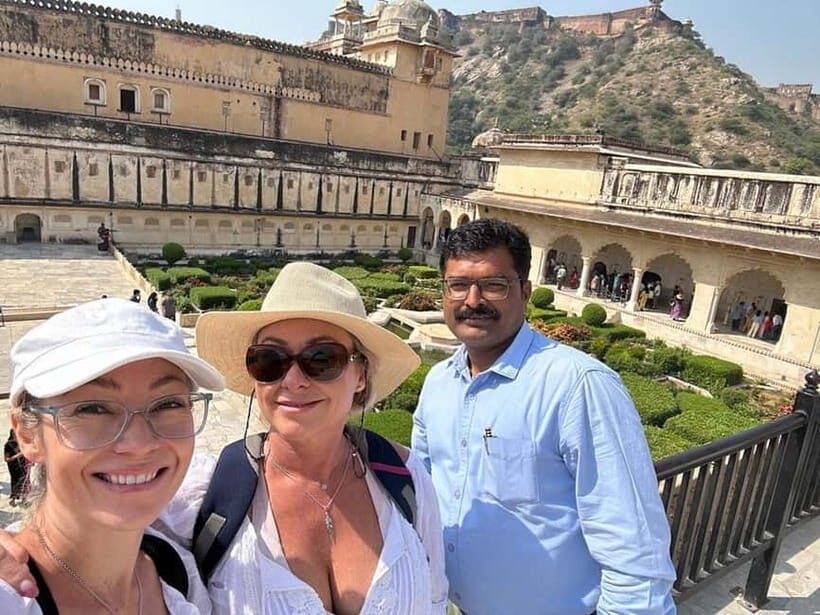
Even though this is a “day trip,” it doesn’t feel like one-size-fits-all group tourism. You’re picked up from your hotel and handled with an air-conditioned vehicle, which is a big quality-of-life upgrade when you’re crisscrossing between Jaipur’s top landmarks.
The biggest value here is your live guide. In the experiences shared by past guests, communication was a strong point. Names that have shown up include Vipin with driver Himmat, Vikram, and Vishnu Kumar Sharma. That matters because the best parts of Jaipur are details: why certain buildings look the way they do, what changed over time, and what the city was trying to solve—heat, power, navigation, or identity.
Language coverage is practical too: English, Spanish, French, and German are available. If you’re used to touring solo, having a guide who can actually explain things clearly feels like extra travel insurance.
Amber Fort on the Hill: Hindu and Rajputana Architecture in Action
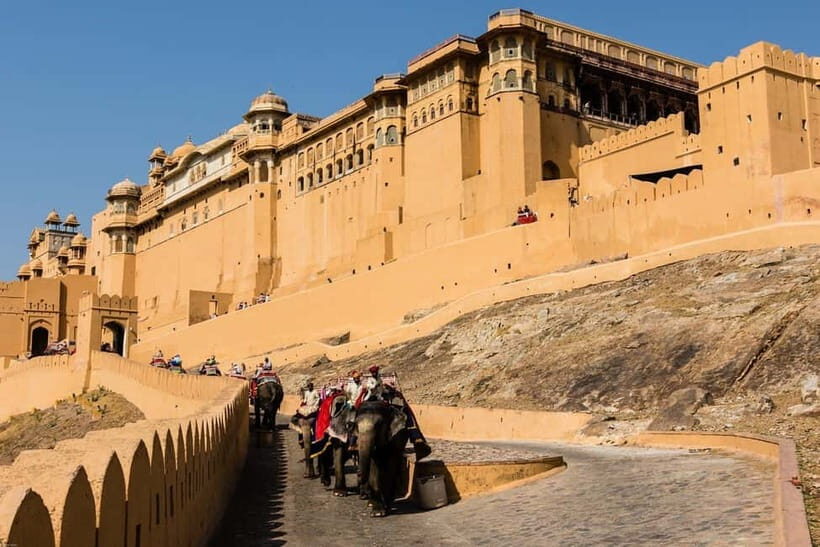
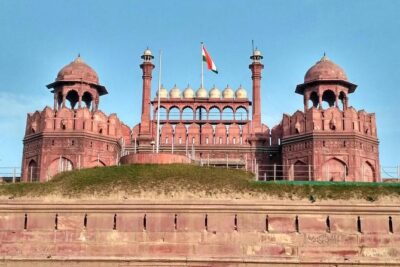
Your first major stop is Amer (Amber) Fort, perched on a hill. This is the part where Jaipur stops being a postcard and becomes a place with real structure and scale.
Expect your guide to focus on architecture and design, especially the Hindu and Rajputana influences that shape the fort’s look. This isn’t just a wall-and-gate moment. It’s a complex compound that rewards you for slowing down and noticing how the buildings relate to their position on the hillside.
What I like about starting here is pacing. You’ve got energy early in the day, and the fort can involve a fair bit of walking and shifting viewpoints. Wear comfortable shoes. This is not a flip-flop itinerary.
Two practical tips:
- Bring a camera, because the views from the fort area are photo-friendly even when you’re only standing in the right spots.
- Keep an eye out for security checks. You’ll likely go through them more than once during the day.
Jal Mahal and the Reality of Outside-Only Views
Next comes Jal Mahal, the famous palace in the water. The catch: entry is prohibited, so you’ll get a scenic look from outside.
This might sound like a “miss,” but it can also be a win. From a distance, Jal Mahal still reads clearly as an icon. And you get to keep momentum instead of losing time inside a place you can’t fully explore anyway.
Plan your photo time carefully. If you’re serious about pictures, ask your guide where the best angles usually are, and follow any local instructions on where you can stand.
Panna Meena Ka Kund: Stairways That Feel Like a Secret
After Jal Mahal, the day shifts to Panna Meena Ka Kund, a famous stepwell stairway. Even if you’ve seen photos online, stepwells hit differently in person because you’re surrounded by the geometry.
This stop is a good contrast to the fort and palace areas. It’s more grounded, more human-scale, and it tells you something about how Rajasthan managed daily life, water, and community space.
Don’t treat it like a quick photo swipe. Take a minute to look down, then look around. Your guide can point out what makes this design special and how it fits into Jaipur’s bigger story.
You can also read our reviews of more city tours in Amer India




City Palace: One Complex, Several Building Languages
Then you’re on to City Palace, the royal residence that mixes styles you might not expect to coexist.
What stands out is the variety of architectural influences your guide points to, including Shilpashastra, Mughal, European, and Rajput elements. That mix can feel confusing if you’re just walking through, which is exactly why a guide helps. Instead of seeing it as random, you start noticing how each style signals a different era and relationship—religion, empire, trade, and court culture.
Take your time here. City Palace isn’t just about a single view. It’s about how the complex works as a lived-in space across changing tastes.
Jantar Mantar: When Math Shows Up as Architecture
If you love the idea that science can be visual, Jantar Mantar will land well. This UNESCO World Heritage site is known as the world’s largest observatory, and with a guide you’re not just watching stones—you’re getting the significance.
Your guide’s job here is to connect the instruments to the bigger picture of how measurements mattered. Think of it as a guided walk where the explanations make the shapes feel purposeful rather than decorative.
This is one of the stops where an early start pays off. It can get hot, and you’ll be outdoors while you listen and look. Hat and sunscreen aren’t optional. They’re sanity.
Also note: some areas can have photography restrictions. Follow the guide’s direction so you don’t waste time arguing with a security team.
Hawa Mahal: 900+ Windows and the Art of Cooling
Hawa Mahal is probably the easiest Jaipur icon to recognize, and it’s also one of the most interesting when you understand what it’s doing.
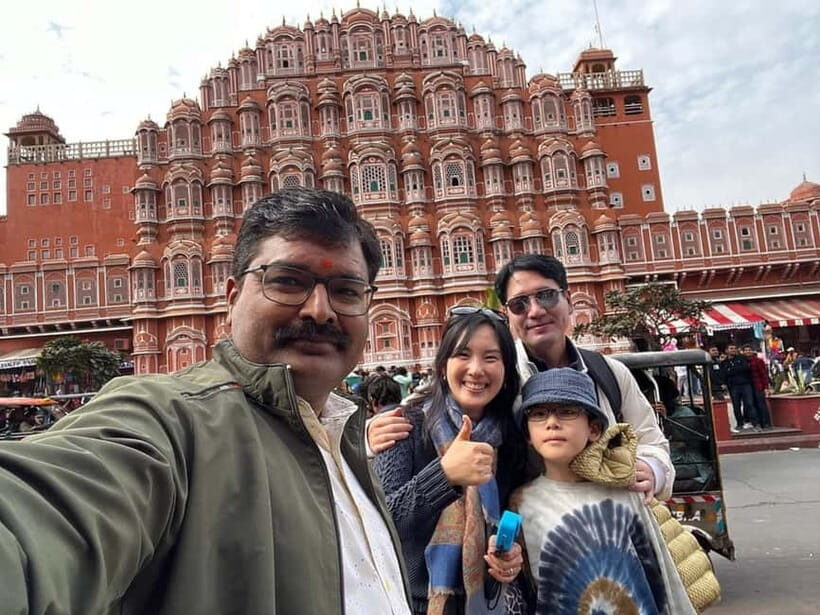
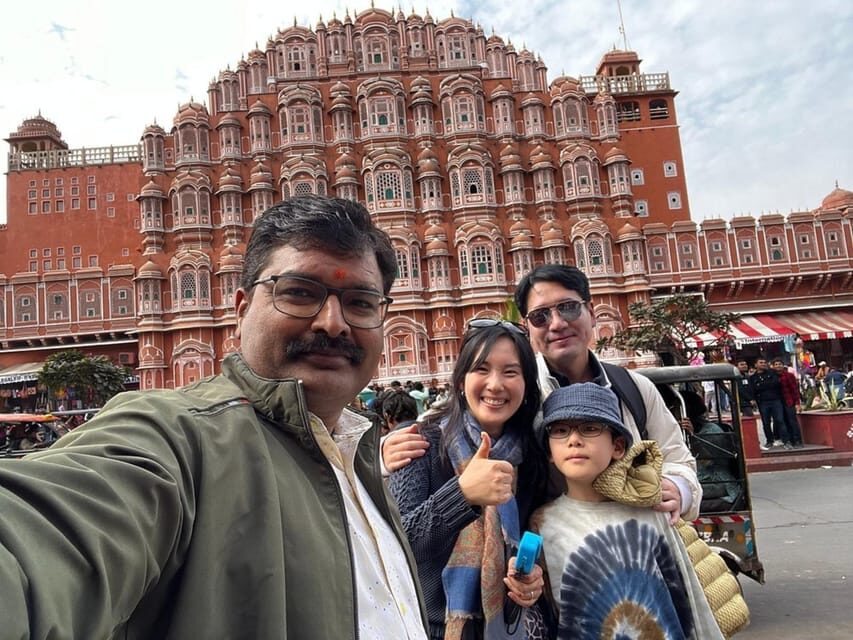
You’ll see the red and pink sandstone facade, famous for having over 900 latticed windows. The idea is simple: the windows help create airflow, which makes the building useful during summer, not just pretty.
I like this stop late afternoon or near the end of the day because the facade feels different with changing light. You get that Instagram-famous silhouette, but you also get to understand why the city shaped architecture around weather.
Again, wear comfortable shoes. This is a “look, then reposition” type of visit.
Lunch in Jaipur: What’s Included and What You Pay For
This trip includes time at a traditional restaurant, but meals are listed as not included. Translation: you get the stop and the chance to try local favorites, and you pay for what you order.
The menu options mentioned for this stop include:
- Lal Maas
- Ker Sangriya
- Besan Gatta
- Missi Roti
- Junglee Murgh
- Lassi
If you want to try a range of flavors, order one or two savory dishes plus a lassi. If you’re not into very spicy food, ask the guide for a mild option before you commit. Jaipur food can be bold.
If you have dietary limits, I strongly recommend you mention them to the guide ahead of time. The tour runs on a tight schedule, so last-minute substitutions can be hard.
One more practical note: you’ll want water during the day, and bottled water is provided.
The Day’s Pace: How to Stay Comfortable for 15 Hours
The total duration is about 15 hours, and it’s a full day by design. That means you should treat this like a marathon, not a casual stroll.
Here’s how I’d prepare:
- Wear comfortable shoes with grip. You’ll walk, then walk again.
- Bring a hat and sunscreen. Jaipur heat is real.
- Keep your camera ready, but don’t rush each stop. The best photos often happen after you get your bearings.
- Expect security checks at entrance points, and plan to move when asked.
There’s also a clear no-smoking rule. Not a big deal, but it’s good to know in advance.
Returning to Delhi: Drop-Off That Respects Your Schedule
At the end of the day, you’ll begin the return journey to Delhi. The service includes hotel pickup and drop-off, so you’re not stranded at some random point in the city.
This is one of those underrated benefits. When your day includes early mornings and multiple monuments, convenience on the back end matters. You’ll arrive back feeling like you finished what you planned, not like you survived it.
Price and Value at Around $16 Per Person
At roughly $16 per person, this tour can be a strong value if you want a guided hit list without the stress of planning.
Here’s what you’re getting for your money:
- Hotel pickup and drop-off
- Air-conditioned transportation
- A live guide
- Bottled water
- Entry fees if you select the option
What you’re not getting:
- Meals (you pay at the restaurant)
- Personal expenses
So what’s the “value math”? If you’d otherwise spend time coordinating transport, lining up guides, and figuring out how to group the monuments, this day trip is doing that heavy lifting. You’re also paying for guidance at the sites that reward context—especially Jantar Mantar and the layered storytelling around City Palace and forts.
One word of caution: because the plan is tight and time is short, you’ll want to be the kind of traveler who enjoys seeing the highlights, then moving on. If you want a slow, unstructured day, you may feel rushed.
Who This Tour Works For (and Who Should Skip It)
This itinerary is a good fit if you:
- Want major Jaipur landmarks in one day
- Like having a guide explain meaning, not just dates
- Are comfortable with moderate walking and early departures
- Prefer a private group experience
It’s not suitable for:
- Pregnant women
- People with back problems
- Wheelchair users
If you’re in any of those categories, you’ll probably enjoy Jaipur more with a different format that reduces walking and offers more flexibility.
Should You Book This Jaipur Day Tour?
I think this is an easy yes if your goal is to see Amber Fort, City Palace, Jantar Mantar, and Hawa Mahal with a guide and don’t want to manage logistics yourself. The strongest reasons to book are the early-start efficiency, the guided context at the big sites, and the structured flow that gets you from one landmark to the next.
I’d pass if you know you’ll struggle with walking for much of the day or you need a slower pace. Also, because meals aren’t included, budget a bit extra for lunch and drinks.
If your plans are flexible, the tour offers free cancellation up to 24 hours in advance and a reserve-and-pay-later option, which lowers risk if your schedule shifts.
If you want Jaipur without the planning headache, this is one of the most practical ways to do it in a single long day.
FAQ
How long is the Jaipur guided city tour from New Delhi?
The duration is about 15 hours.
Where does hotel pickup and drop-off happen?
You’ll be picked up from your hotel and dropped off at your desired location.
Is transportation included, and is it air-conditioned?
Yes. Transportation by an air-conditioned vehicle is included.
Do I get a live guide, and what languages are available?
A live tour guide is included. English, Spanish, French, and German are available.
Are entry fees included?
Entry fees are included if you select the option that includes them.
Is lunch included in the tour price?
Meals are listed as not included. The tour does include a lunch stop at a traditional restaurant where you can order local dishes.
Will I be able to skip lines?
Yes. There is skip-the-line access via a separate entrance.
Are there any photography limits?
Photography is restricted in certain areas. Your guide will explain where it’s allowed and where it isn’t.
What should I bring for the day?
Bring comfortable shoes, a hat, a camera, sunscreen, and water. You may also face security checks at each site.