REVIEW · JAIPUR
From New Delhi: Jaipur Day Trip by Train or Car
Book on GetYourGuide →Operated by Best Golden Triangle Tour · Bookable on GetYourGuide
Jaipur in a single day can feel like magic. This trip stitches together Delhi to Jaipur round-trip transport (train or private car) with a live guide and a tight run through Amber Fort, City Palace, and the Hawa Mahal lattice facade with its 953 windows.
I especially like the way the day is structured for first-timers: you get the big-name sights without spending hours figuring things out on your own. The one drawback is also the main trade-off—this is a packed schedule, and you should expect a good amount of walking and heat.
In This Review
- Key Reasons This Delhi-to-Jaipur Day Trip Works
- How the Delhi to Jaipur Route Works (Train or Private Car)
- What $10 Buys You (and Why the Value is the Point)
- Amber Fort and Jal Mahal: Views That Make the Day Feel Real
- Jantar Mantar and City Palace: Two UNESCO-Level Stops, One Guided Pace
- Hawa Mahal’s 953 Windows: How to See the Wind Palace Properly
- Galta Ji (Monkey Temple) Add-On: Worth It If Time Allows
- Skip-the-Line Entry and Monument Rules You Should Respect
- Comfort Tips That Make or Break a 6-to-13 Hour Day
- Who This Tour Fits Best (and Who Should Skip It)
- Final Verdict: Should You Book This Delhi-to-Jaipur Day Trip?
- FAQ
- How do I get from New Delhi to Jaipur on this trip?
- How long is the Jaipur day trip from Delhi?
- What attractions are included in the Jaipur sightseeing?
- Is the entry ticket to monuments included?
- Are meals included?
- Will I have a live guide during the day?
- Can I take photos with flash inside the monuments?
- Is this tour wheelchair accessible?
Key Reasons This Delhi-to-Jaipur Day Trip Works
- Round-trip options (train or private car) make it easy to match your comfort level and schedule
- Live guide with English plus several other languages keeps you moving with context, not confusion
- Skip-the-line via a separate entrance saves time at busy monuments
- Private car sightseeing in Jaipur means less hassle between stops
- Photo help is part of the experience with guides who will point out strong spots
How the Delhi to Jaipur Route Works (Train or Private Car)
You can do this day trip two ways, and both aim for the same goal: see the top Jaipur sights in one long day, with minimal logistics stress.
Option 1 is round-trip by train. You start with a hotel pickup in New Delhi, then head to the railway station. After you arrive in Jaipur, you meet your guide and shift into a private car for the sightseeing loop. The day ends back at the Jaipur railway station with the evening train to Delhi and a final drop-off.
Option 2 is round-trip by car. You’re picked up in New Delhi and driven to Jaipur in a private air-conditioned car. Once you arrive, you meet your guide, do the same core attractions, and then return to New Delhi in the evening with either a hotel or airport drop-off.
Duration runs 6 to 13 hours, depending on departure times. That wide range is your hint to plan for a full day, not a quick pop over. If you hate rushing, pick the route that fits your body clock best.
You can also read our reviews of more tours and experiences in Jaipur



What $10 Buys You (and Why the Value is the Point)

On paper, the price looks simple: around $10 per person. In practice, what makes it good value is what’s included.
You’re covered for round-trip transportation (train or car), a live tour guide, and sightseeing inside Jaipur at the key sights: Amber Fort, Jal Mahal, Jantar Mantar, City Palace, Hawa Mahal, and Galta Ji Temple (if time allows). You also get monument entry tickets at all places (for the option you book). Extras like water bottles and tolls, parking, and taxes are part of the package too.
What’s not included is simple: meals and drinks. That matters because Jaipur can run hot, and you’ll burn energy walking and climbing. Plan on budgeting time for lunch outside the monuments, since eating and drinking inside the sites isn’t allowed.
Amber Fort and Jal Mahal: Views That Make the Day Feel Real
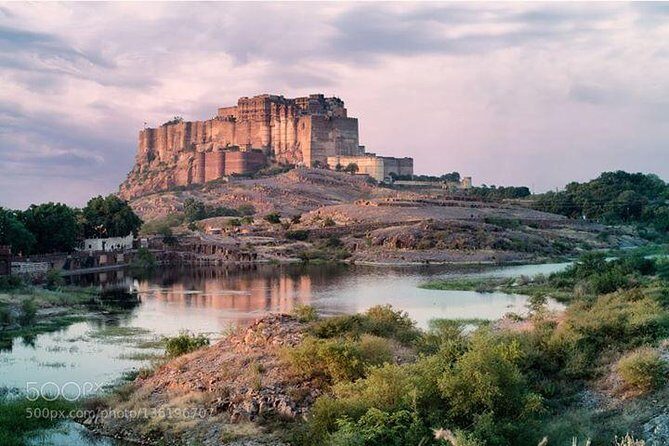
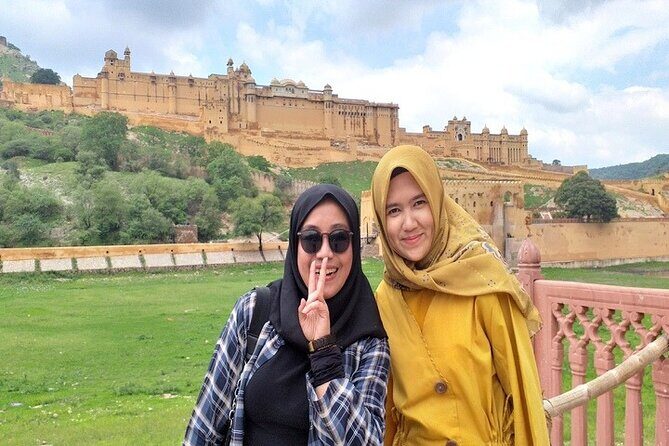
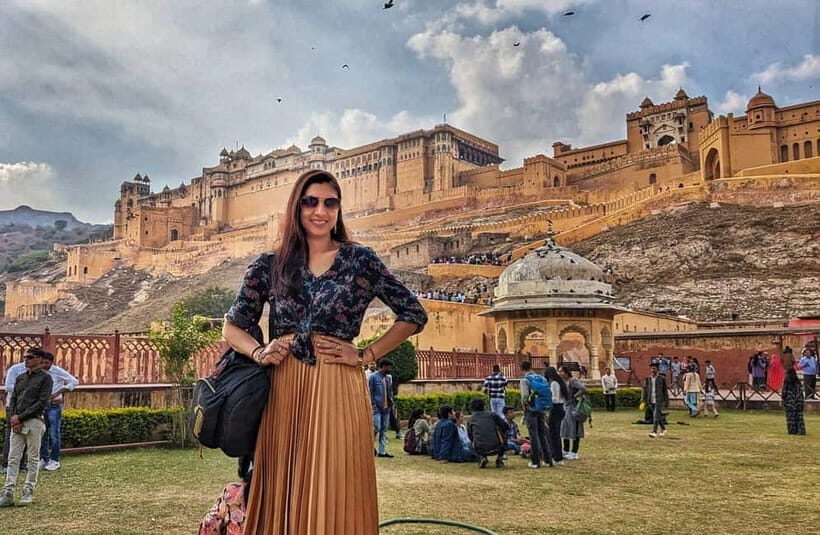
The tour starts strong with Amber Fort, described as a stunning stop with a scenic hilltop setting. Even without getting lost in details, the value here is the payoff: you arrive ready to see why Jaipur became a royal magnet. Expect architecture, viewpoints, and plenty of opportunities to pause and take in the surroundings.
Then comes Jal Mahal, the palace positioned in the middle of Man Sagar Lake. This is mainly a photo stop, and it’s a smart one to include. It breaks up the day’s heavier walking with something calmer and visually different, plus it gives you a classic Jaipur “I get it now” moment.
A practical consideration: Fort days often mean steps and uneven ground. This is why the trip keeps telling you to bring comfortable shoes. If your feet get cranky easily, you’ll feel it here first.
Jantar Mantar and City Palace: Two UNESCO-Level Stops, One Guided Pace
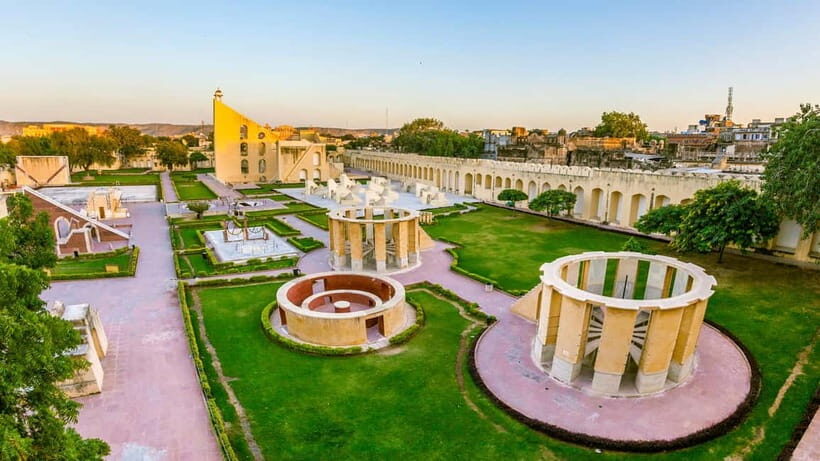
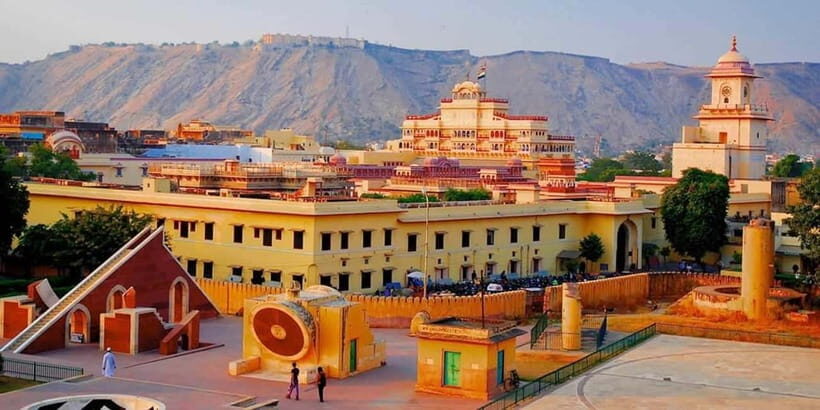
Next you hit Jantar Mantar, the UNESCO World Heritage Site with fascinating astronomical instruments. The big win isn’t only the site—it’s the fact that you have a live guide while you’re there. Instruments and layouts are easier to make sense of when someone can explain what you’re looking at and what to notice.
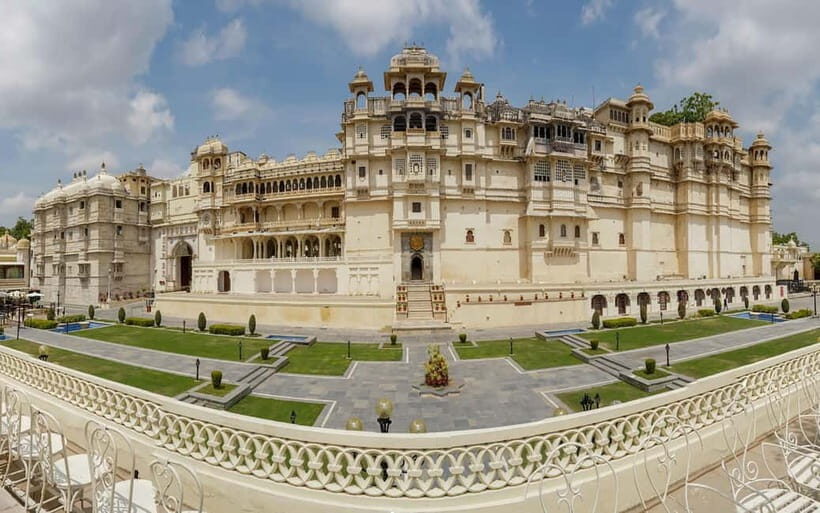
Then it’s City Palace, with its courtyards, gardens, museums, and Chandra Mahal. For many first-time visitors, City Palace is where Jaipur shifts from “scenic postcard” into “this place has layers.” You’ll get space to wander inside the palace complex rather than just snapping one photo and leaving.
Possible drawback: this part of the day can feel crowded and time-compressed, especially if you’re someone who likes to linger. The tour is built for seeing the essentials, so if you want slow wandering, you’ll need to manage expectations and accept shorter time at each area.
Hawa Mahal’s 953 Windows: How to See the Wind Palace Properly
The headline for many people is Hawa Mahal, the Wind Palace famous for its intricate latticework and 953 windows. This is one of those monuments that can look like a wall of patterns—until you know what to look for. That’s where the guide helps: they point out the key parts and help you spot strong angles.
Photography rules matter here. The tour notes that photography is restricted in certain areas and flash photography isn’t allowed. So go in ready to take your time with your phone or camera setup without rushing, and follow your guide’s instructions.
One more useful detail: based on how guides have been described, yours may also help you plan photo stops. If you’re hoping for great angles, don’t be shy about asking your guide where to stand—some guides are known for being patient with photo taking and for directing people to better spots.






Galta Ji (Monkey Temple) Add-On: Worth It If Time Allows
Galta Ji Temple, also called the Monkey Temple, is listed as optional if time permits. That optional slot is there for a reason: it gives you flexibility, but it also means it’s the first thing to get squeezed when the day runs tight.
What you can count on from this stop is the setting. It includes ancient temples and water tanks, and it offers a different feel from the palace-and-fort rhythm. It’s also a good choice if you want one more “local” stop beyond the main royal attractions.
Practical note: because it’s optional, don’t build your day around this one. Let it be a bonus. If you do get it, wear shoes you can handle for walking.
Skip-the-Line Entry and Monument Rules You Should Respect
A real time-saver here is skip-the-line entry. You use a separate entrance, so you’re not stuck losing your day to long queues. In a day trip where every hour matters, that’s the difference between “I saw it” and “I actually enjoyed it.”
At monuments, there are also clear rules:
- No smoking
- No flash photography
- No eating and drinking inside monuments
These rules are easy to follow, but they matter for pacing. If you’re carrying a packed lunch plan, remember you’ll need to eat outside the monuments. The good news is you get water bottles, so you’re not starting totally dry.
Comfort Tips That Make or Break a 6-to-13 Hour Day
This isn’t a sit-and-watch kind of tour. It’s a “walk, look, take pictures, move on” style day. The basics are spelled out for a reason: bring comfortable shoes, a hat, sunscreen, and a camera.
Also keep water handy. Even though water bottles are included, the day can vary by season and schedule. Staying hydrated is your best defense against feeling wiped out too early.
Weather can shift through the day, and the tour plan covers it with practical packing advice. If you’re traveling with glasses, a hat, and sunscreen already ready, you’ll feel the day go smoother.
Who This Tour Fits Best (and Who Should Skip It)

This is a private group tour with a live guide, and that tends to be ideal when you want structure but still like personal attention.
It’s especially well suited for:
- First-time visitors who want the main Jaipur sights in one go
- Travelers who prefer guided context instead of reading plaques alone
- People who value a clean transport plan from New Delhi, whether by train or car
It’s not suitable for pregnant women, people with back problems, and wheelchair users. That last point is important because the activity also mentions wheelchair accessibility, so there’s some mixed messaging in the information you’re given. If mobility is a concern, check directly before booking so you don’t end up with an experience that feels physically unsafe or stressful.
Final Verdict: Should You Book This Delhi-to-Jaipur Day Trip?
Book it if you want an efficient, guided day that hits the essentials: Amber Fort, Jal Mahal, Jantar Mantar, City Palace, and Hawa Mahal, with the possible add-on of Galta Ji Temple. The real reason to choose it is the value blend: transport, guide, entry tickets, and practical time-saving all rolled into one plan.
Skip it if you want slow travel. This is built for seeing a lot, not for lingering for hours in one spot. It’s also better for people with solid mobility, since the day includes plenty of walking.
If you do book, I’d go in with the mindset of a photo-and-sight day, pack for sun, and lean on your guide for the best angles and pacing—especially for places like Hawa Mahal where the details matter.
FAQ
How do I get from New Delhi to Jaipur on this trip?
You can choose round-trip transportation by train or by private car. Train option includes hotel pickup to the railway station, train to Jaipur, private car sightseeing, then the evening train back to Delhi.
How long is the Jaipur day trip from Delhi?
The duration is listed as 6 to 13 hours, depending on the starting time and schedule.
What attractions are included in the Jaipur sightseeing?
The core stops are Amber Fort, Jal Mahal, Jantar Mantar, City Palace, and Hawa Mahal. Galta Ji Temple (Monkey Temple) is optional if time permits.
Is the entry ticket to monuments included?
Yes. Monument entry tickets at all places are included if you book the option that lists tickets.
Are meals included?
No. Meals and drinks are not included.
Will I have a live guide during the day?
Yes. You get a live tour guide during the experience, and they speak English plus Spanish, French, German, Russian, and Japanese.
Can I take photos with flash inside the monuments?
No. Flash photography is not allowed, and photography is restricted in certain areas—follow your guide’s instructions.
Is this tour wheelchair accessible?
The information provided includes wheelchair accessibility, but it also lists the tour as not suitable for wheelchair users. If you need wheelchair access, it’s smart to confirm details directly before booking.