REVIEW · JAISALMER
From Jaisalmer: Overnight Camping & Camel Safari in Khuri
Book on GetYourGuide →Operated by Balaji Forex Tours And Travels · Bookable on GetYourGuide
A camel ride at sunset changes your pace. This 19-hour trip from Jaisalmer to Khuri desert gives you Sam Sand Dunes at the best light, plus a night in a Swiss tent with Rajasthani dinner and folk dance. Two things I really like: the camel safari rhythm through nearby villages and the camp’s cultural music and dance. One possible drawback to know up front: the village area can be noisy (dogs barking), and tent comfort can vary from roomy and fine to a bit basic or in need of small repairs.
Pickup is included from a centrally located hotel, and you get an English-speaking driver plus an expert guide to keep the logistics moving. You’ll sleep overnight, then ride again at sunrise before heading back to Jaisalmer around 10–11 AM, which makes this a full, satisfying desert loop without feeling rushed.
In This Review
- Key things to know before you go
- Jaisalmer to Khuri: the ride that sets the whole mood
- Camel safari through villages: what it’s like in real life
- The Sam Sand Dunes sunset: the best time to be quiet
- Camp night: Rajasthani dinner and folk dance
- Sleeping in a Swiss tent under desert stars
- Morning camel ride and the drive back to Jaisalmer
- Price and value: what $60 really covers
- Who should book this Khuri overnight camel safari
- My booking checklist (so the night goes smoother)
- Should you book this overnight camping and camel safari in Khuri?
- FAQ
- How long is the tour from Jaisalmer to Khuri?
- What time will I be back in Jaisalmer?
- Will I be picked up from my hotel?
- Is the driver and guide in English?
- What do I sleep in overnight?
- What meals are included?
- How many camel rides are there?
- Do you include cultural entertainment?
- Is free cancellation available?
Key things to know before you go

- Sunset at Sam Sand Dunes: You arrive right as the light starts to soften.
- Two camel rides, not one: One at arrival and one after sunrise.
- Village stop time: You get out of the sand for a look at local life.
- Rajasthani dinner + folk dance: Culture is part of the camp night, not an afterthought.
- Swiss-tent sleep: It’s outdoor camping with a more structured tent setup than a bare camp mat.
- Noise and condition can vary: Expect possible dog barking and check how well tents are maintained.
Jaisalmer to Khuri: the ride that sets the whole mood
Most overnight desert experiences live or die on timing. This one starts in the afternoon with hotel pickup in Jaisalmer, then you drive out to Khuri Sand Dunes. I like that the schedule doesn’t treat the “desert part” like a quick photo stop. Instead, you get proper late-day arrival, which means your first real view of the dunes comes at sunset.
On the road, you’re not stuck with long stretches of nothing. You’ll eventually transition from the car to the camel safari, and that shift matters. A camel ride slows your thinking in a good way. The pace changes from road-world to sand-world fast.
Because it’s a private group and you’re not mixing with strangers, your day usually feels more controlled. A private group also helps if you’re the type who likes to ask a question and get a straight answer, not listen over a crowd.
If you’re sensitive to noise, keep one thing in mind: once you reach the campsite area, you may hear barking from nearby villages. That’s not the fault of the desert itself, but it can affect sleep.
You can also read our reviews of more tours and experiences in Jaisalmer
Camel safari through villages: what it’s like in real life
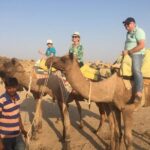
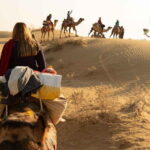
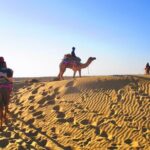
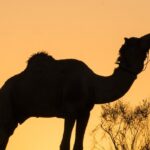
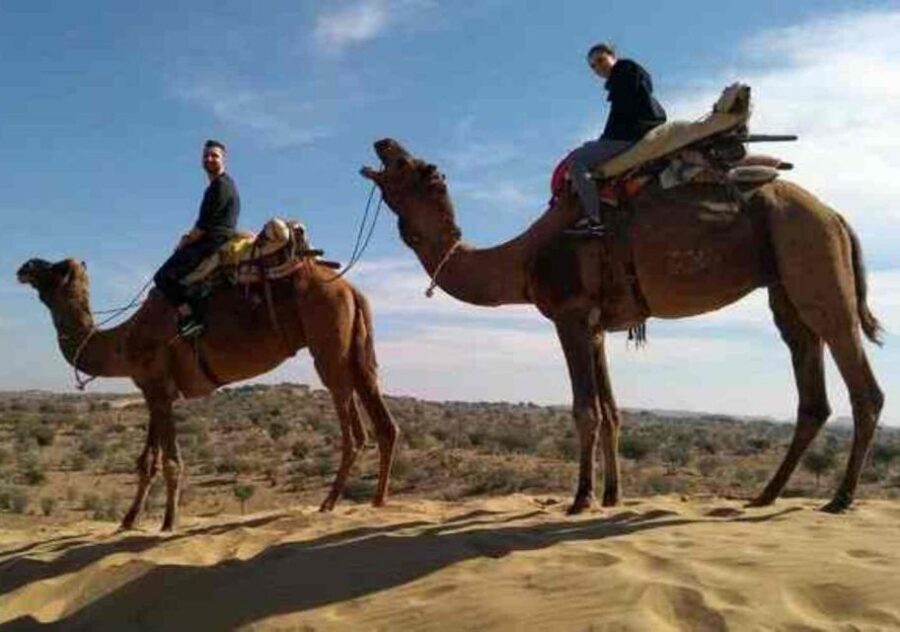
Your camel safari begins once you reach Khuri. From there, you ride and also visit quaint villages along the way. This is the part I’d call the “human scale” of the trip. The dunes are impressive, but the village stop time is what helps the experience feel grounded in daily life instead of just scenic sand.
Here’s what to expect from the ride:
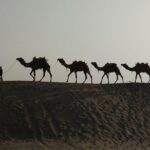
- The camels move at a steady, working rhythm. You’ll feel the swaying, and you’ll want to hold on in a way that’s comfortable for you.
- You’re outdoors for long-ish stretches. Even with a short village stop, it’s not the kind of activity where you can fully relax and scroll your phone the whole time.
It’s also worth mentioning something that came up in feedback: in some cases, kids may be involved in camel handling. If child labor is a dealbreaker for you, pay attention to what you see on the ride and decide if that’s acceptable. You can also ask your guide what roles people take before you mount, so you’re not guessing once you’re already committed.
Language can be another practical factor. The driver is listed as English-speaking, which helps a lot during the drive. But camel-handling staff might not speak English as smoothly, so your “camel-side” explanations could be limited. I’d go into this expecting the main guide to translate or guide the main points, not that every person at every moment will be able to chat.
The Sam Sand Dunes sunset: the best time to be quiet
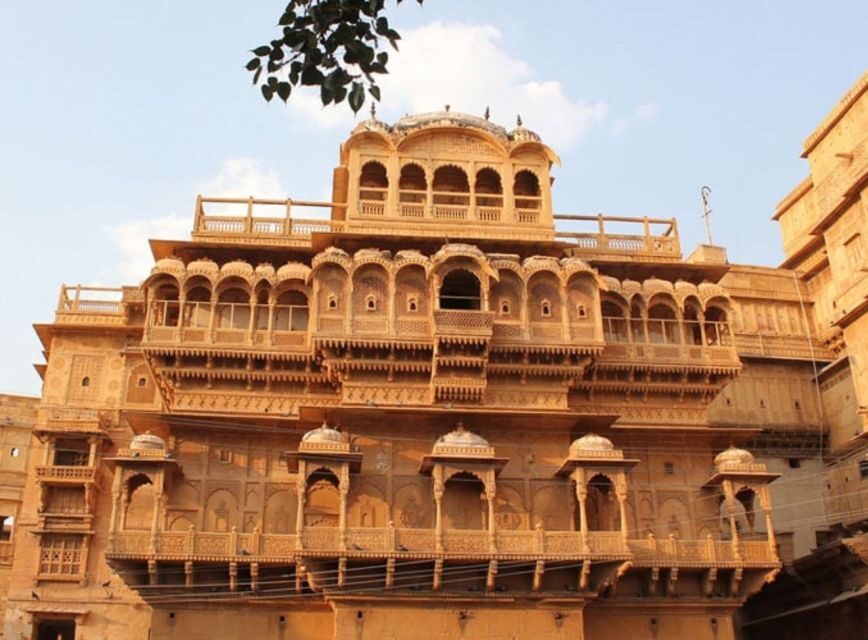
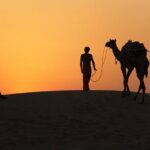
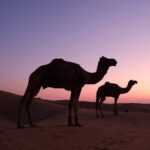
Sam Sand Dunes and Khuri desert are famous for a reason: the light turns sand into something that looks almost sculpted. The schedule is built for this. After you arrive, you continue the safari and get to the sand dunes just in time for sunset.
This is when I think most people get their strongest memory. Not because someone told you it would be beautiful. Because your senses catch up. The air feels different. Shadows stretch. The dunes look deeper than they do in midday photos.
Practical tip: don’t plan to watch a sunset while doing a hundred things at once. If you care about the view, slow down. Use the time to take in the color changes and the quiet around you.
If you’re traveling with someone who wants constant action, this part can feel calm rather than thrilling. But if you like being present, it’s a strong payoff.
Camp night: Rajasthani dinner and folk dance
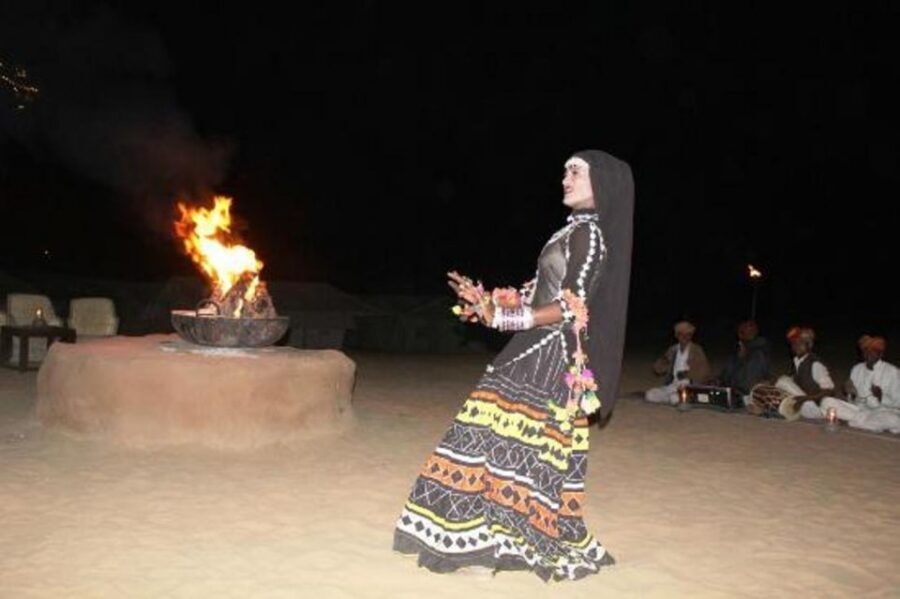
After your first taste of the dunes, you’ll shift to camp. This is where the trip moves from “outdoor activity” to “evening experience.” You’ll have a delicious Rajasthani dinner, plus Rajasthani folk dance and music as part of the night.
I like that food and culture are paired. It makes sense: after riding, your appetite is real, and the music lands better once you’re settled. The dance and singing also break up the night. Instead of sitting around waiting to sleep, you get an event you can focus on.
The camp atmosphere tends to be social and welcoming. One thing I’d keep in mind: even if the program is planned well, the night environment can include village sounds. If you’re a light sleeper, consider bringing earplugs if you have them.
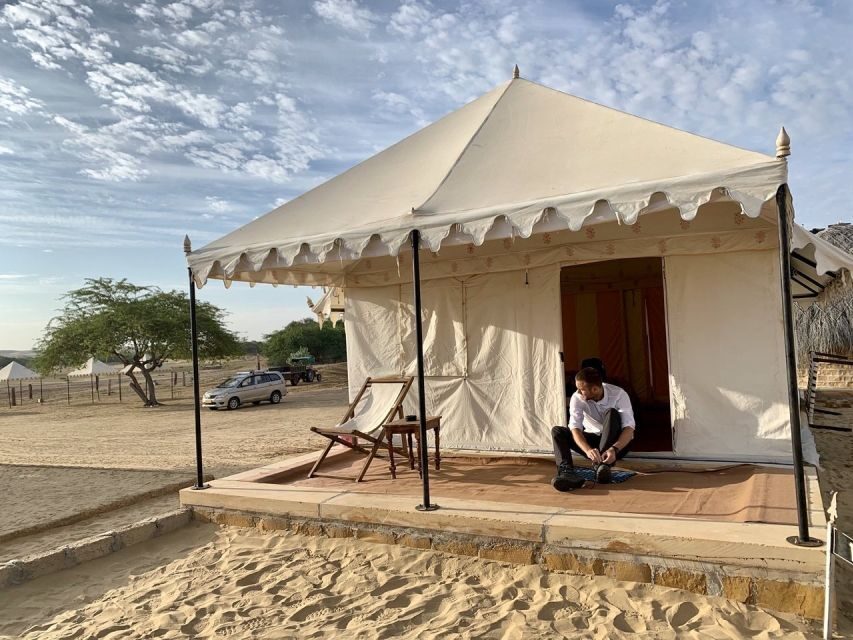
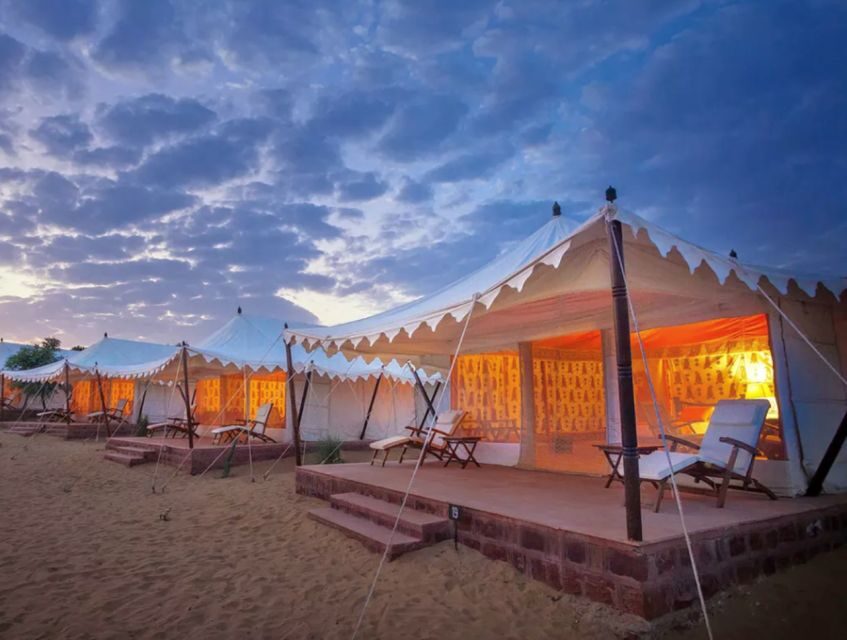
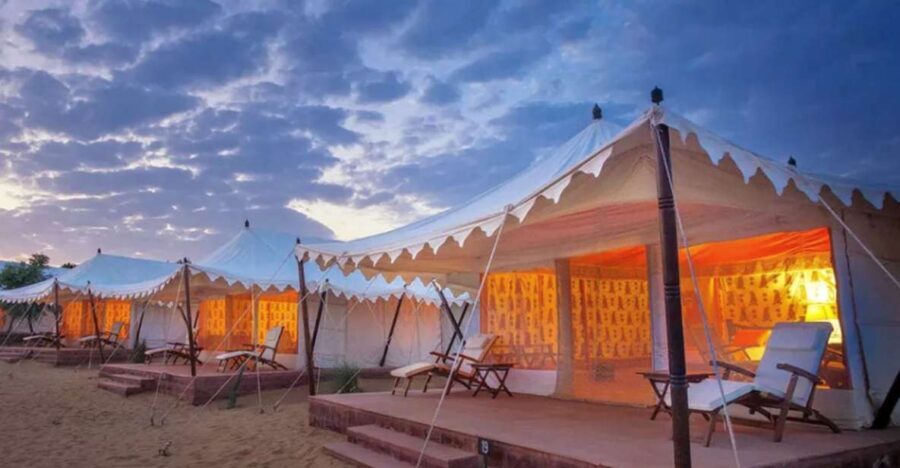
The other “real-life” thing is tent comfort. Swiss tent sounds tidy and structured, and for many people it is. But condition can be uneven. In one case, a tent was described as spacious yet a bit uncared for, including a damaged zipper on a bathroom setup. The moral is simple: if something feels broken when you arrive, say so right away so the team can fix what they can.
Sleeping in a Swiss tent under desert stars
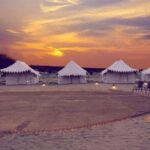
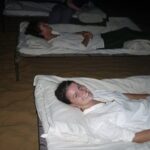
Sleeping outdoors is the whole point of an overnight desert safari. Here, you sleep in a Swiss tent at the campsite, after nightfall and under the stars.
When it works, it’s magic. The stars can feel close. Your night gets long and quiet in a way cities rarely allow. Even if you don’t think you’re a “camp person,” this kind of night often changes your mind because the setting does the heavy lifting.
But I won’t sell it as a hotel bed in a fancy tent. Feedback suggests comfort ranges. Some tents are described as comfortable. Others are described as basic or a bit rough around the edges.
So how do you make this safer for your expectations?
- Inspect your tent when you first arrive. Check zippers and entrances.
- If you’re sharing a space, be clear with your group about what you’re using and where you’re storing things.
- If you’re bringing anything that must stay dry, protect it. You’re in a sandy outdoor environment, not an indoor room.
Also remember: you’re not just sleeping in a desert field. You might be sleeping near a village. That means barking and general nighttime sounds can happen.

Morning camel ride and the drive back to Jaisalmer
The next morning starts after sunrise. You’ll have breakfast and then head out for another camel ride. I like the fact that they give you a second ride rather than a single sunset-only ride. Sunrise is quieter, and it feels like a different kind of experience. The desert light is new, and the dunes don’t look like they did the night before.
After the morning camel safari, you’ll be driven back to Jaisalmer between 10–11 AM. That timing is practical. You still get part of your day back in town instead of being stuck in transit all afternoon.
If you’re connecting to other plans, build in a little buffer. Even with a clean schedule, road time and the “camp morning” pace can make you feel a bit slower when you reach town.
Price and value: what $60 really covers
At about $60 per person for a 19-hour overnight camel safari, the value is pretty clear if you look at what’s included. You’re not just paying for a camel. You’re paying for:
- Round-trip transportation from your hotel in Jaisalmer
- An overnight stay in a tent
- Breakfast and dinner
- Camel safari (including the village stop time)
- Rajasthani folk dance and music
- Snacks, bottled water, and coffee and/or tea
- An expert guide
- English driver service
For many people, the “value” isn’t the math. It’s the convenience: pickup and return are handled, meals are included, and the overnight logistics are set up so you don’t have to piece together transport, food, and a desert campsite yourself.
That said, value depends on your tolerance for variability. If you expect hotel-level cleanliness and silence, you might feel the price doesn’t match the comfort. If you’re happy with outdoor camping, love cultural performances, and want a real desert night without extra planning, $60 starts to feel fair.
One piece of advice: compare what you’d pay for a private vehicle, a camel safari, and dinner plus a campsite on your own. In most cases, this kind of package is cheaper and easier, even if tent conditions are not perfect.
Who should book this Khuri overnight camel safari
This trip fits best if you want:
- A genuine overnight desert experience without heavy planning
- Two camel rides plus a cultural night program
- A guided structure that keeps you from worrying about transport and timing
It’s also a good fit for couples, small groups, and anyone who wants to experience Khuri and Sam Sand Dunes in one shot. The private group format can help you feel like the day is built around your party instead of absorbing a big crowd.
I’d think twice or ask more questions if:
- You’re very sensitive to noise at night due to barking in nearby areas
- You strongly object to any form of child labor you might witness during camel handling
- You need high certainty about English explanations from all staff, not just the driver
My booking checklist (so the night goes smoother)
Before you go, do three quick things:
- Confirm expectations about the tent: ask the team what to expect for the Swiss tent setup and check it on arrival.
- Plan for a quieter sleep: if you’re a light sleeper, consider earplugs. Night sounds may be part of the experience.
- Stay with your group and your guide: you may encounter informal sellers or pressure tactics around tour areas. If something feels pushy, ignore it and stick to the official plan you booked.
If you care about cultural performance quality and not just the showtime slot, arrive ready to enjoy the evening—after your camel ride, you’ll likely be ready for both food and music.
Should you book this overnight camping and camel safari in Khuri?
I’d book it if your goal is a full Jaisalmer to Khuri desert night with two camel rides, sunset dunes, and a real camp evening with Rajasthani dinner and folk dance. The package is convenient, and the desert timing is built for memorable light.
I wouldn’t book it if you’re expecting quiet, hotel-grade sleep and flawless comfort. Conditions can vary, and nighttime sounds can intrude. Also consider whether any child involvement in camel handling is something you can’t accept; that’s a legitimate personal line.
If you’re the type who can roll with outdoor camping details while focusing on the bigger picture—the dunes, stars, camels, and culture—this is a strong value pick for Rajasthan.
FAQ
How long is the tour from Jaisalmer to Khuri?
The total duration is 19 hours.
What time will I be back in Jaisalmer?
You’ll be driven back to Jaisalmer between 10 AM and 11 AM the next day.
Will I be picked up from my hotel?
Yes, pickup is included from your centrally located hotel in Jaisalmer.
Is the driver and guide in English?
The driver is listed as English-speaking, and the tour includes an expert guide.
What do I sleep in overnight?
You sleep in a Swiss tent at the campsite.
What meals are included?
Breakfast is included the next morning, and you’ll have a Rajasthani style dinner in the evening. Snacks, bottled water, and coffee and/or tea are also included.
How many camel rides are there?
You’ll take a camel ride when you arrive in Khuri (with village visits) and another camel ride the following morning after sunrise.
Do you include cultural entertainment?
Yes. The camp program includes Rajasthani folk dance and music along with dinner.
Is free cancellation available?
Yes. You can cancel up to 24 hours in advance for a full refund.