REVIEW · JAIPUR
From Jaipur: Same Day Taj Mahal Tour with Fatehpur Sikri
Book on GetYourGuide →Operated by Janu Private Tours · Bookable on GetYourGuide
That Taj photo is only half the story.
This full-day drive hits three UNESCO sites in one smooth loop: Fatehpur Sikri, the Taj Mahal, and Agra Fort, with a guide to translate the big sights into real meaning. I like that it starts early (6:30 AM pickup) so you’re not arriving after the harshest crowds. I also like the tight pacing with guided time at each monument—plus the practical perks like bottled water and bottled water. One thing to keep in mind: it’s a long day with a lot of walking, and the drive is about 4.5 hours each way from Jaipur.
If you want the highlights without the headache, this tour is built for you.
The possible drawback is simple: the Taj Mahal is closed every Friday, so your day trip may need a date change. If you’re sensitive to sitting in traffic for hours or you don’t like early starts, plan accordingly.
In This Review
- Key points worth planning around
- The best part: a full UNESCO day without doing the admin
- Jaipur to Agra: the 4.5-hour drive you should treat like part of the trip
- Fatehpur Sikri: a one-hour stop that pays off if you walk and look
- Taj Mahal with a plan: skip the line, then slow down inside
- Agra Fort (Red Fort): red sandstone, big walls, and an imperial story
- Baby Taj (Tomb of I’timād-ud-Daulah): the calmer “jewel box” finish
- Lunch in Agra: choose comfort and keep moving
- Price and logistics: is $80 a good deal for this route?
- Who this tour suits best (and who should rethink it)
- Notes that can save your day (Taj closures, dress code, what to bring)
- Should you book this Taj + Agra Fort + Fatehpur Sikri day tour?
- FAQ
- What time is pickup in Jaipur?
- How long is the drive from Jaipur to Agra?
- Is the Taj Mahal open every day?
- What UNESCO sites are included in the tour?
- Are monument entrance fees and lunch included?
- How long do I spend at each main site?
- Is a passport required?
- Is this tour wheelchair-friendly?
Key points worth planning around
- 6:30 AM pickup means you start sightseeing while the day is still young
- UNESCO trio in one day: Fatehpur Sikri, Taj Mahal, and Agra Fort
- Guides that do more than talk: great at explaining details and managing the crowd
- Skip-the-line at monuments helps you spend time looking, not queuing
- Add Baby Taj at the end for a calmer, jewel-box style contrast
- Smart logistics: air-conditioned private car options, parking/tolls covered, bottled water included
The best part: a full UNESCO day without doing the admin
I like tours that reduce decision fatigue. This one gives you a clear sequence and a private English-speaking guide, so you can focus on seeing instead of figuring out timing, tickets, and routes. The private setup also helps if you want photos at your pace, not the group shuffle pace.
You’ll cover a lot—so the value isn’t just that it hits famous names. It’s that each stop gets guided time, which makes the landmarks feel less like postcards and more like places with rules, symbols, and stories you can actually notice. And when the guide is strong (some guides named in bookings include Mehraj, Asif Malik, Shubham, and Imran Khan), you get explanations that connect the buildings to the era that built them.
That said, the day still runs on the clock. Expect a moderate amount of walking, and don’t plan to come home and do extra sightseeing in Jaipur the same evening.
You can also read our reviews of more tours and experiences in Jaipur.


Jaipur to Agra: the 4.5-hour drive you should treat like part of the trip
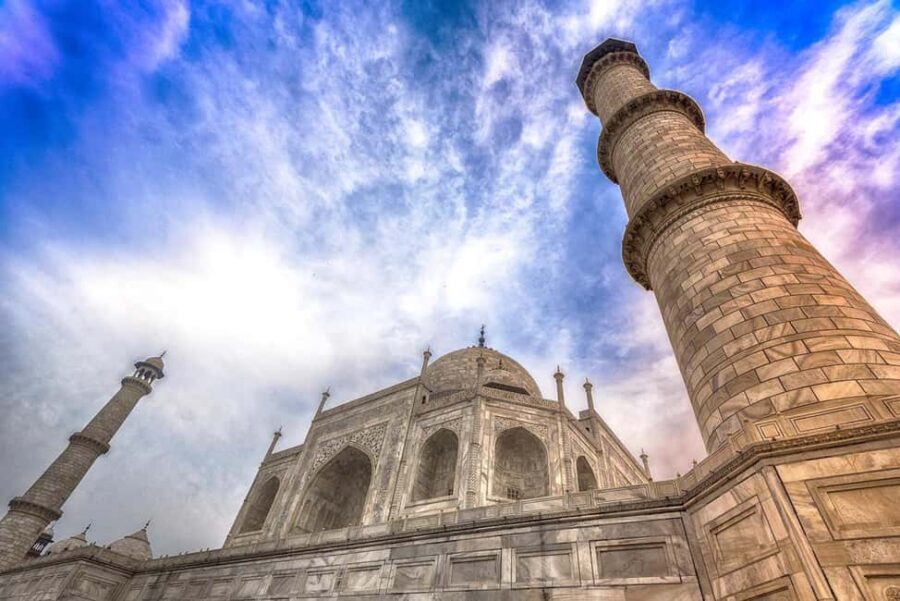
The distance is about 250 kilometers, and the transfer is roughly 4.5 hours each way, traffic-dependent. That means comfort matters. If you choose the chauffeur-driven air-conditioned private vehicle option, you’ll have a much easier time handling the long sit.
A big practical tip: pack your day-bag like you’re doing a small expedition. Comfortable shoes matter. Bring your ID or passport (a current valid passport is required on travel day), and keep your essentials accessible for photo stops and quick transitions.
I also suggest you arrive ready for heat and glare. Agra’s daylight can be intense, and the Taj experience relies heavily on light and angles. Hats, sunglasses, and sunscreen can make a real difference when you’re standing around for photos.
Fatehpur Sikri: a one-hour stop that pays off if you walk and look
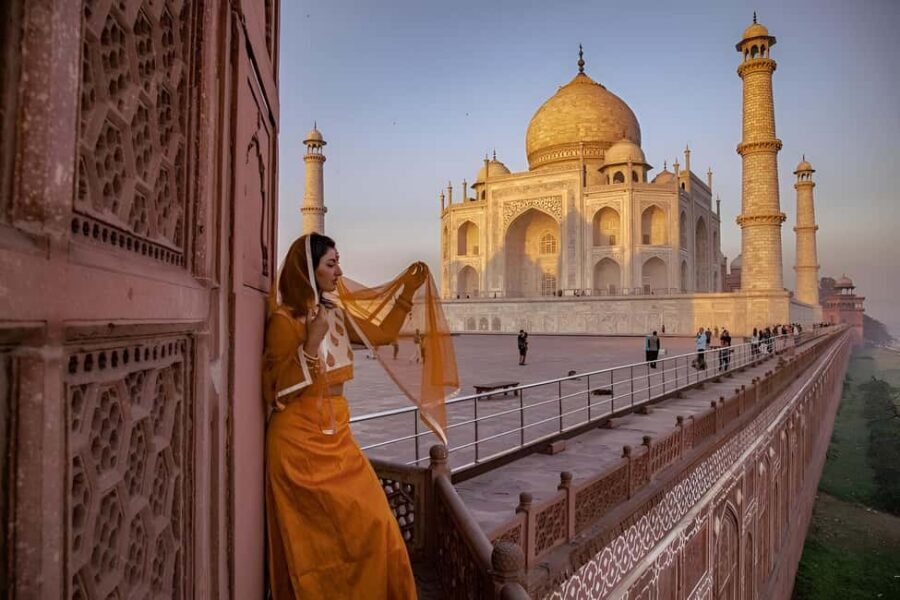
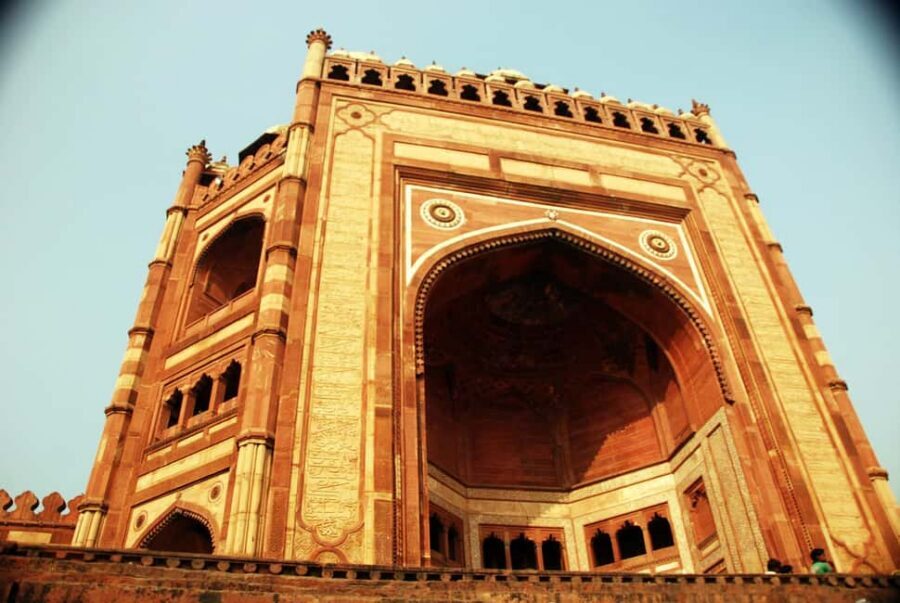
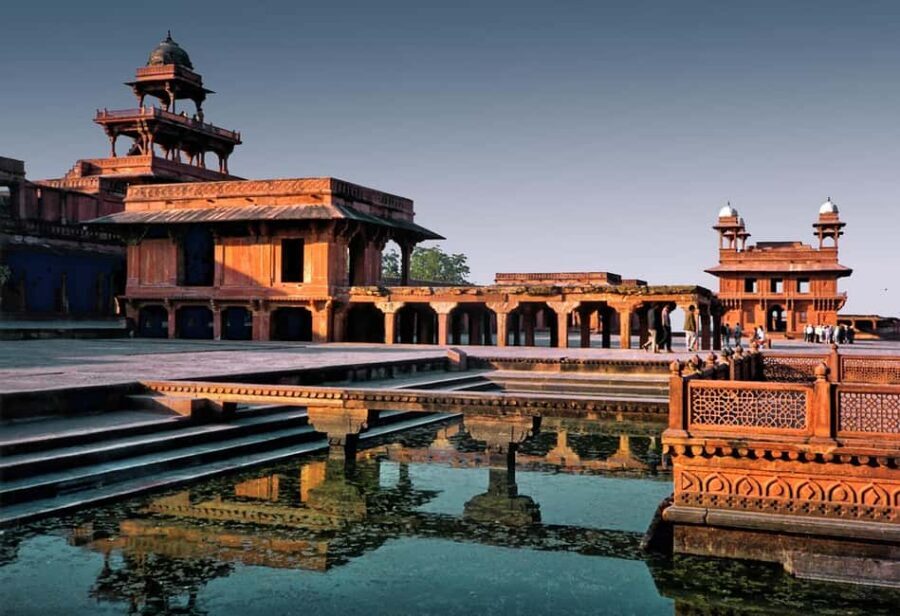
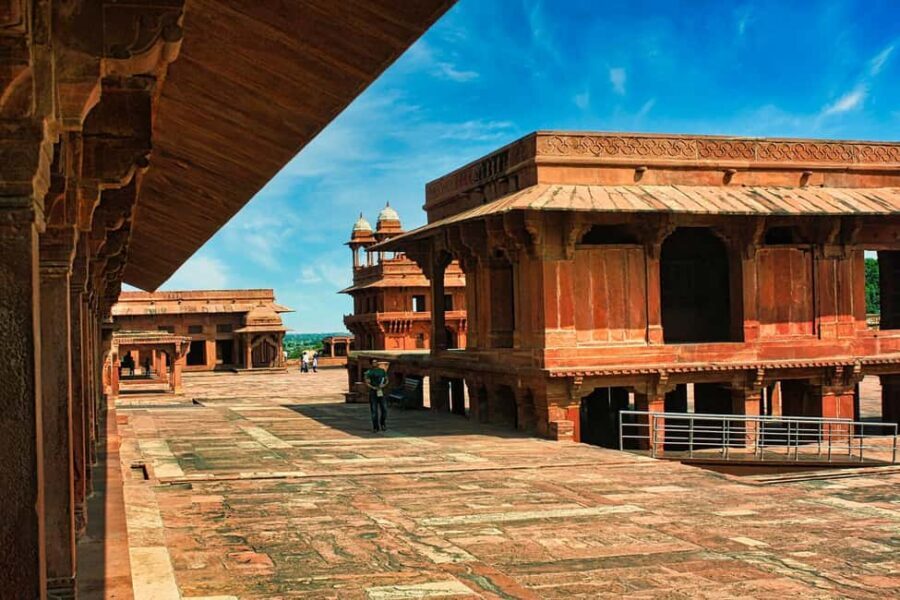
The tour stops at Fatehpur Sikri on the way back toward Jaipur. You’ll get about 1 hour for photo time, a guided visit, and a walk through the palace complex area.
This stop matters because it breaks up the day. Before you hit the Taj’s white marble spectacle, Fatehpur Sikri gives you a different kind of grandeur: Mughal-era palace space and courtly architecture with a strong sense of how power was staged. It was declared a UNESCO World Heritage site in 1986, and that status is justified by how much is still readable in the layout and structures.
If you only sprint through, you’ll miss the geometry—how rooms and courtyards connect, and how the site feels like a built system rather than random ruins. The guide helps you spot what to notice fast. Still, one hour can feel short, so keep your pace steady and save questions for the guide rather than wandering aimlessly.
Taj Mahal with a plan: skip the line, then slow down inside
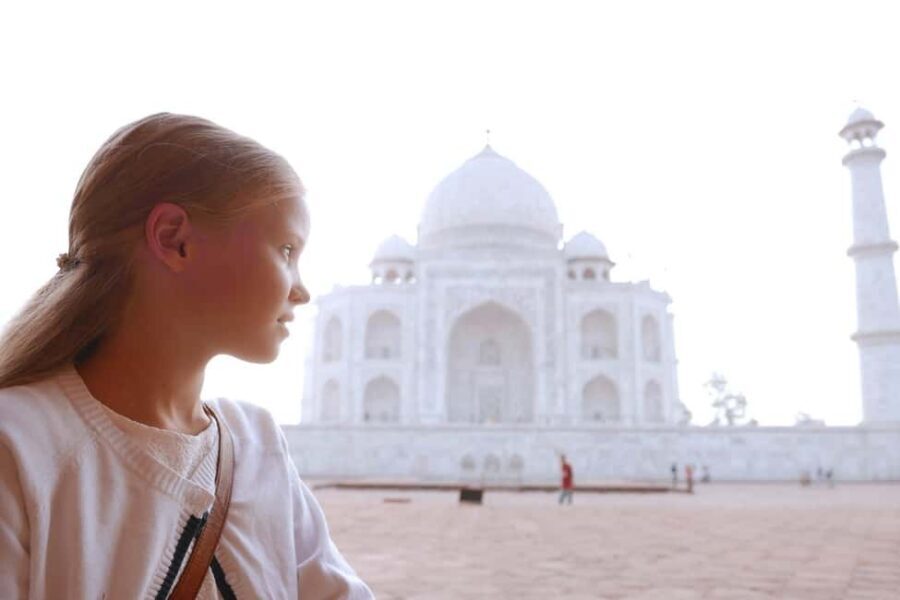
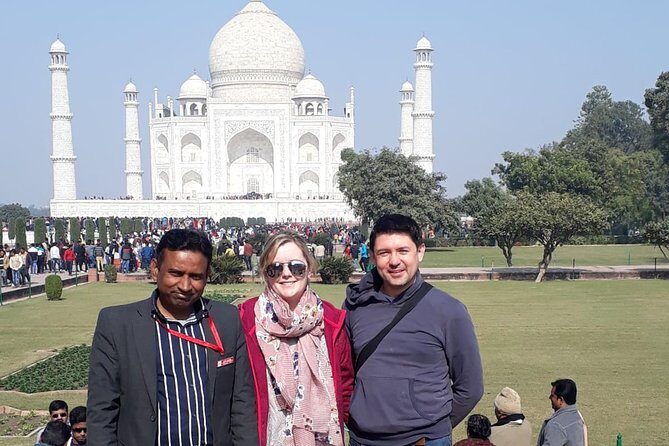
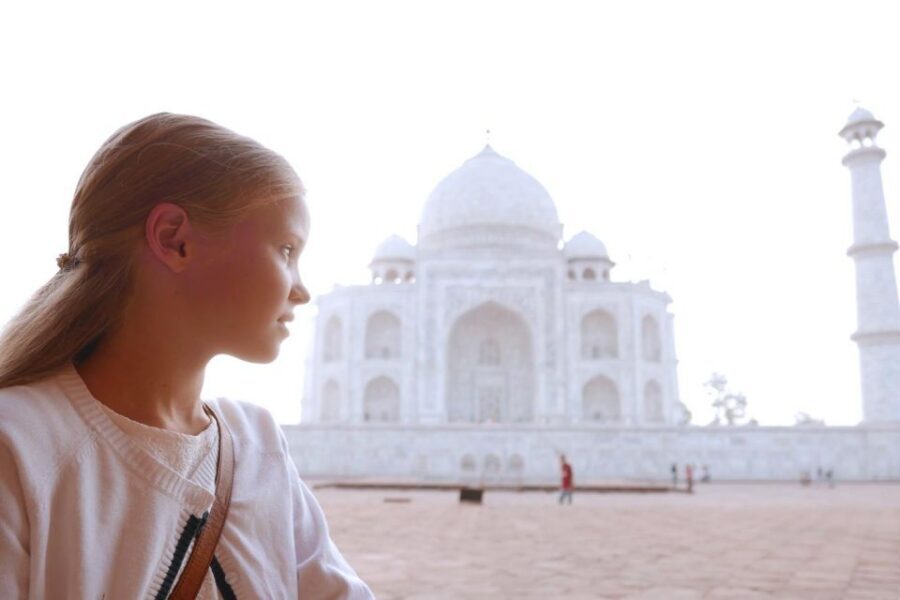
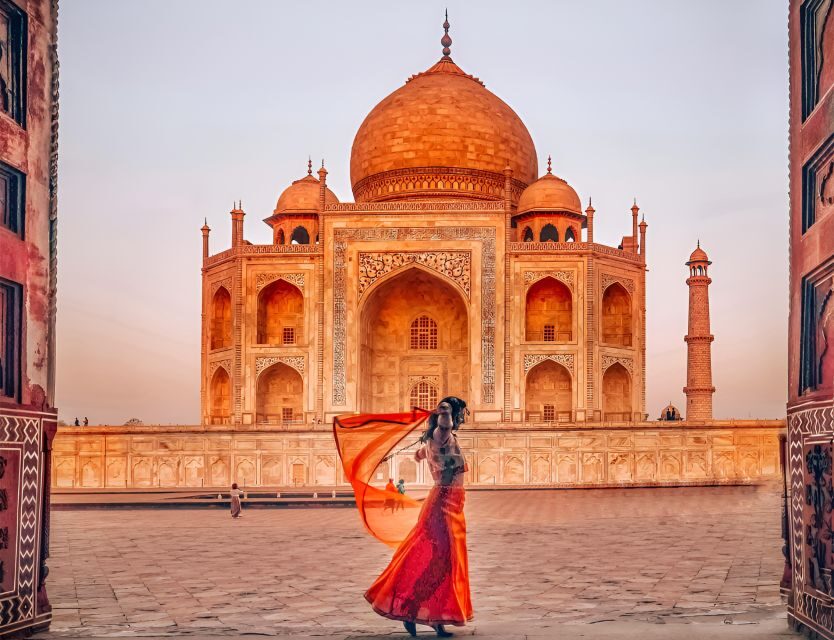
The Taj Mahal is the main event, and you’ll have about 2 hours here, including photo time, guided viewing, and sightseeing walking time. One practical win: you skip the ticket line, which reduces delays and helps the day stay on schedule.
The real advantage of a guided Taj visit is focus. The guide helps you notice the marble details and the inlays, but also the bigger idea: why it looks the way it does and why people respond to it so strongly. In bookings, guides such as Shubham and Asif Malik are praised for clear explanations and pacing that avoids rushing you past the best viewpoints.
Here’s how I’d approach it if I were planning your day: don’t treat the Taj as one photo. Think of it as layers. Start by orienting yourself, then return your attention to smaller features—patterns, symmetry, and the way light shifts on the surface. It’s also worth remembering that the Taj Mahal is closed every Friday, so double-check your travel date.
Also: dress matters. Smart casual is the rule, and short shorts or sleeveless tops are not recommended in the temple setting. Comfortable, closed-toe shoes help because you’ll do a moderate amount of walking.
Agra Fort (Red Fort): red sandstone, big walls, and an imperial story
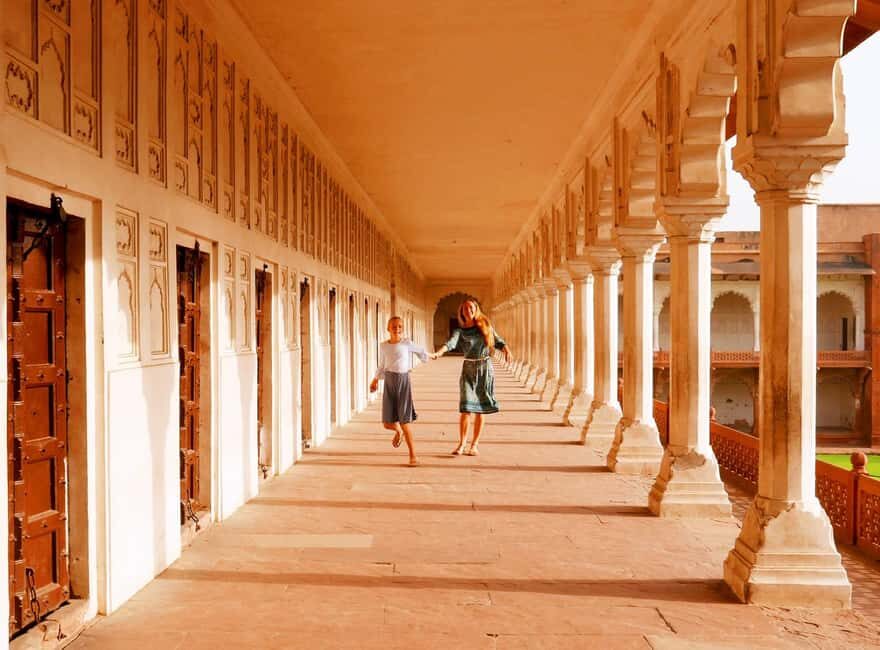
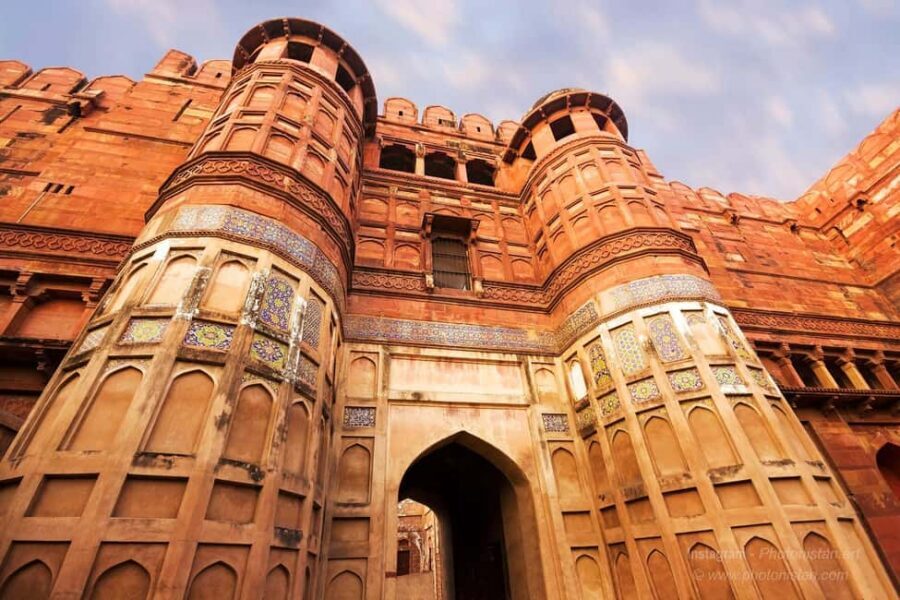
After the Taj, you’ll head to Agra Fort, often called the Red Fort. You’ll have about 1 hour for photo stop, guided tour, sightseeing, and walking time.
This fort is huge in both size and symbolism: it spreads across 94 acres and sits parallel to the Yamuna River, about 2 kilometers northwest of the Taj Mahal. The guide turns those facts into a timeline you can actually follow. The fort was originally occupied by the Sikarwar Rajputs, then captured by the Lodi rulers of Delhi. After the Lodis were defeated in the Battle of Panipat in 1526, Babur took over the fort. It was briefly held by the Suri rulers, and then reclaimed by Akbar, who made Agra his capital.
What I like here is the contrast with the Taj. The Taj is crafted as a monument to love and marble beauty. Agra Fort is all about power: walls, fortification, and the hard edges of rule. If you love architecture, you’ll also appreciate how the fort’s scale changes your sense of place—you stop thinking of it as a building and start seeing it as a working stronghold.






Baby Taj (Tomb of I’timād-ud-Daulah): the calmer “jewel box” finish
Once lunch is handled, the day ends at Baby Taj, the Tomb of I’timād-ud-Daulah. You’ll get about 1 hour for photo stop, guided visit, and sightseeing.
This stop is often the secret sauce of the day because it slows everything down. It’s often described as a jewel box and regarded as a draft of the Taj Mahal. That comparison is useful. Instead of repeating the entire Taj experience, Baby Taj gives you a smaller, more intimate view of Mughal mausoleum design, with details that reward closer attention.
If the Taj felt like a wave of spectacle, Baby Taj can feel like the aftertaste: quieter and more specific. And since it comes later in the day, it’s a nice way to end the loop without exhausting yourself before the drive back.
Lunch in Agra: choose comfort and keep moving
Lunch is built into the schedule. The tour includes lunch only if you choose the option, and you can eat at a restaurant of your choice (the tour provides suggestions if you want them). You’ll typically have time to refuel before heading back out for Baby Taj.
A practical approach: aim for something filling but not heavy. You want energy for walking around tombs and courtyards, not a food coma. Also, keep an eye on hydration. Bottled water is included, which is helpful when the day starts at dawn and ends later.
One piece of advice from strong-day execution: pick a place that feels clean and relaxed. In bookings, lunch at a local restaurant has been described as excellent with demonstrable hygiene, which is exactly what you want on a day trip where timing matters.
Price and logistics: is $80 a good deal for this route?
At $80 per person for a 1-day private tour, the big question is what you get for that money. Based on what’s included, this is more than a driver with a map.
You’re paying for:
- Hotel/airport/rail/bus/Jaipur hotel pickup and drop-off
- A professional guide (English)
- Monument entrance if you select that option
- Private air-conditioned car if you select that option
- Fuel, parking, tolls, and taxes
- Bottled water, and high tea
- The ability to skip the ticket line at the Taj Mahal area
What’s not included: alcohol, souvenir photos, driver tip, camera fees, national park entrance fees (if any), and personal expenses. So if you want museum-like access, it’s worth confirming what entrance fees are covered in your selected option.
Is it good value? For me, yes—if you’re splitting the cost among travel companions or you value guided context at each UNESCO site. The guide component matters. A DIY day trip can work, but you’ll spend more time sorting logistics and less time understanding what you’re seeing. In addition, the strong driver-guide pairing is a major part of the experience, and bookings include praise for professional driving and smooth crowd management.
Who this tour suits best (and who should rethink it)
This day trip is a strong fit if you want a memorable, structured UNESCO day with minimal hassle. It’s ideal for first-timers to Agra who want the Taj Mahal and Agra Fort, plus a meaningful detour to Fatehpur Sikri.
It’s less suitable if:
- you need wheelchair access (it’s listed as not suitable for wheelchair users)
- you have pre-existing medical conditions that could be affected by a long day and walking
- you travel with large luggage (luggage or large bags are not allowed)
It also helps if you can handle early mornings and a full day timeline. The payoff is big, but the schedule doesn’t offer “sleep in” flexibility.
Notes that can save your day (Taj closures, dress code, what to bring)
A few details can make or break your trip.
- Taj Mahal is closed every Friday. If your travel date lands on Friday, plan a different day.
- Dress code: smart casual. Short shorts and sleeveless tops are not recommended in the temple setting.
- Bring: a passport or ID card. A current valid passport is required on the day of travel.
- Shoes: comfortable shoes. There’s moderate walking throughout.
- Restrictions: pets aren’t allowed, and luggage/large bags aren’t allowed. Unaccompanied minors aren’t allowed.
If you’re traveling with a lead traveler name and passport details, have that info ready. The tour requires lead traveler details and arrival port details and passport number.
Should you book this Taj + Agra Fort + Fatehpur Sikri day tour?
I’d book it if you want the big hitters in one day and you like having a guide explain what you’re looking at. The $80 price makes sense when you consider the full-day transport effort, private guide time at each UNESCO site, and the practical extras like bottled water and skip-the-line access. I also like that the schedule doesn’t stop at just the Taj. Fatehpur Sikri and Agra Fort give you context, and Baby Taj adds a softer finale.
Skip it or adjust if Friday is your travel date, or if you know the combination of early pickup, long drives, and walking will be tough. If that’s you, choose a slower approach with fewer stops.
If your priority is classic Agra in a single day with solid guidance and low stress, this is a straightforward way to get there.
FAQ
What time is pickup in Jaipur?
Pickup is scheduled for 6:30 AM. The exact drive timing can vary with traffic.
How long is the drive from Jaipur to Agra?
It’s about 250 kilometers, roughly 4.5 hours each way, depending on traffic.
Is the Taj Mahal open every day?
No. The Taj Mahal is closed every Friday.
What UNESCO sites are included in the tour?
You’ll visit Fatehpur Sikri, the Taj Mahal, and Agra Fort, all UNESCO World Heritage sites. You also stop at Baby Taj.
Are monument entrance fees and lunch included?
Monument entrance and lunch are included if you choose the option. Lunch is described as available if the option is selected.
How long do I spend at each main site?
Fatehpur Sikri is about 1 hour, the Taj Mahal about 2 hours, Agra Fort about 1 hour, and Baby Taj about 1 hour.
Is a passport required?
Yes. A current valid passport is required on the day of travel (or bring an ID card as stated, but the passport requirement is explicit).
Is this tour wheelchair-friendly?
No. It’s listed as not suitable for wheelchair users. It’s also listed as not suitable for people with pre-existing medical conditions.