REVIEW · JAIPUR
From Jaipur: Pushkar and Ajmer Private Day Trip
Book on GetYourGuide →Operated by Parikshit Tour and travels · Bookable on GetYourGuide
A spiritual day trip with real-world value. You’ll head from Jaipur to Pushkar and Ajmer, where religion isn’t museum-dead—it’s something people practice in everyday life. What I like most is the mix: a temple stop that feels calm, then street time where you can watch how devotion and daily routines overlap.
Two big wins for your time: the Pushkar Brahma Temple visit (often described as grounding) and the option to add a desert-style safari experience around town. One thing to watch: Pushkar can involve extra paid add-ons (camel/jeep and sometimes photo or temple-related fees), and you’ll want to agree on costs before anyone starts steering the day in that direction.
In This Review
- Key things to know before you go
- How the Jaipur-to-Pushkar-and-Ajmer Day Works in Real Life
- Pushkar’s Ana Sagar Lake Setting and Why It Feels Different
- The Camel/Jeep Safari Add-On: Fun, But Confirm Before You Pay
- Brahma Temple in Pushkar: Spiritual Calm Plus the Real-World Fees
- Ajmer After Pushkar: Pilgrimage Energy at the Khwaja Shrine
- Comfort, Timing, and the Private-Group Difference
- Price and Value at About $43: What You Get vs. What Costs Extra
- What to Bring (So You’re Not Miserable in the Sun)
- Who This Trip Fits Best (and Who Should Skip It)
- How to Make This Day Go Smoothly (Avoid the Common Pitfalls)
- Should You Book This Jaipur-to-Pushkar-and-Ajmer Trip?
- FAQ
- How long is the Jaipur to Pushkar and Ajmer private day trip?
- Is this tour private or shared?
- What’s included in the price?
- Is a guide included, and what language do they speak?
- Do I get to do camel or jeep safari rides?
- Are food and drinks included?
- Are monument or entry fees included?
- What should I bring for the day?
- Does the trip include skipping the line?
Key things to know before you go
- Private, air-conditioned vehicle from Jaipur so the long drive stays comfortable
- English live guide for Pushkar (Ajmer is still guided, but the formal guided segment is Pushkar-focused)
- Brahma Temple visit with a separate entrance to reduce waiting
- Optional camel/jeep safaris cost extra, so confirm duration and price up front
- Ajmer’s Khwaja Muin-ud-din Chishti Shrine stop for a strong pilgrimage atmosphere
- Walking is part of it, and comfy shoes matter more than you think
How the Jaipur-to-Pushkar-and-Ajmer Day Works in Real Life
This is a full-day loop—leaving Jaipur, spending most of your attention on Pushkar, then continuing on to Ajmer before returning. The timing is tight enough that you’ll feel the day moving, but not so rushed that it’s one single blur. You’re doing two sacred towns in one go, so think of it as a “taste with momentum,” not a slow travel day.
The ride is private and air-conditioned, with hotel pickup and drop-off inside Jaipur. That matters because you’re spending real hours on the road, and Rajasthan sun waits for nobody. You also get water bottles, plus fuel, tolls, and parking are covered—small stuff that keeps the day smoother.
In practice, you’ll usually meet a guide specifically for the Pushkar portion once you arrive, while the driver handles getting you there and back. One guide name that came up in English-language experiences is Pradeep in Pushkar. Another guide name mentioned is Yogesh. Your exact guide may differ, but the pattern—driver first, guide joining for Pushkar—shows up.
You can also read our reviews of more private tours in Jaipur
Pushkar’s Ana Sagar Lake Setting and Why It Feels Different
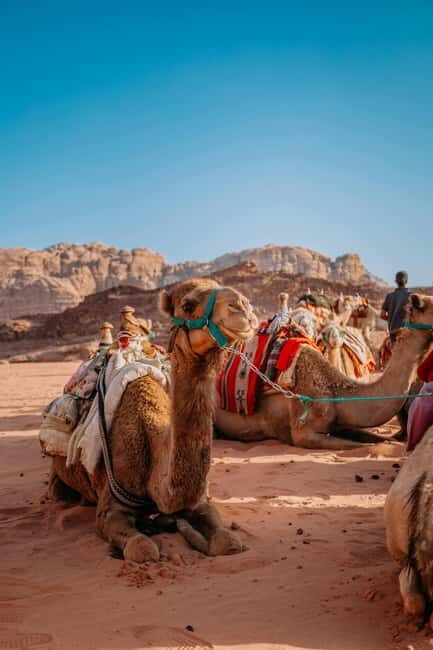
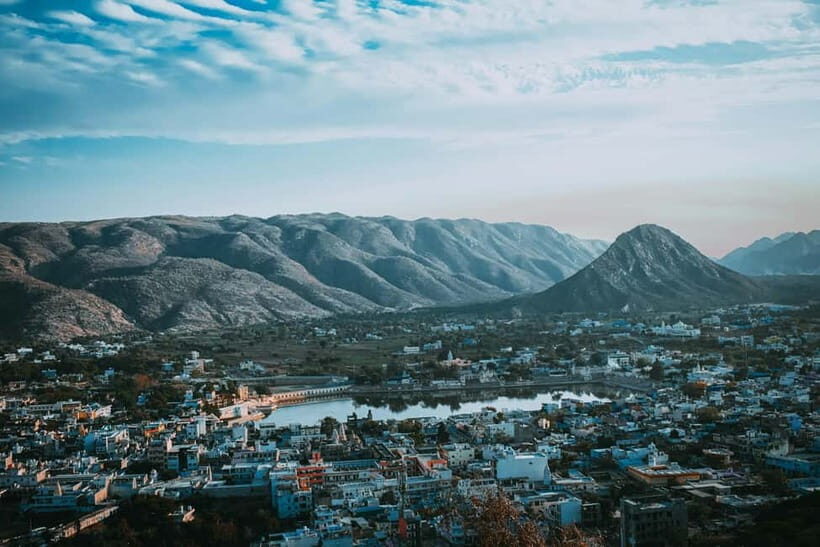
Pushkar sits under the Aravalli Hills and near Ana Sagar Lake, and that geography changes the mood. Instead of a giant city feel, you get a town scale where you can walk between spiritual sights, household life, and small shops without needing constant transport.
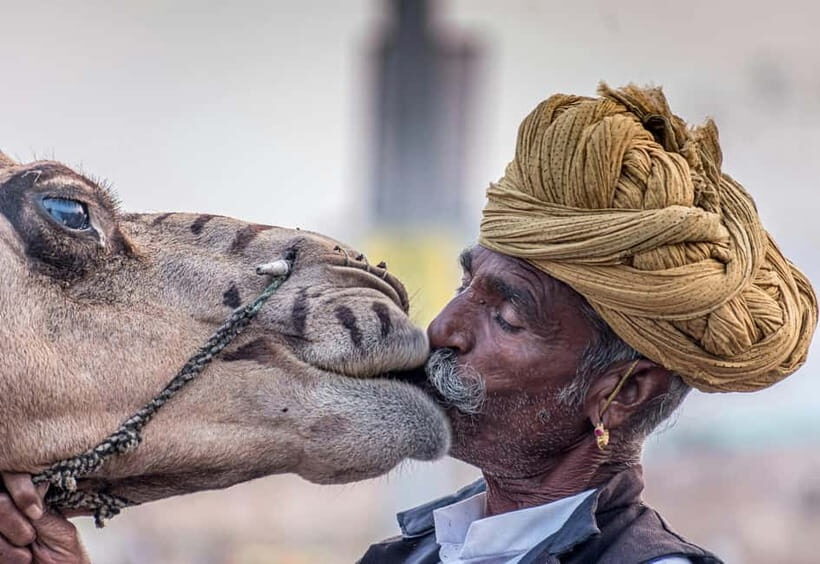
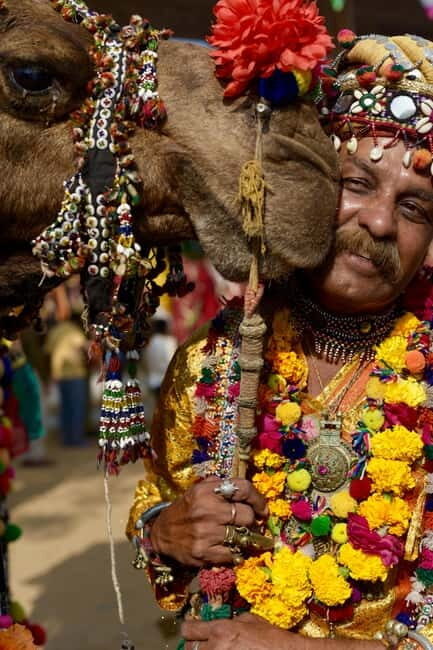
Expect a local town pace: people moving between errands and devotion, colorful everyday clothing, and narrow lanes where you can feel the town’s rhythm. The tour-style walking here is part of the point. You’re not just collecting sights—you’re watching how a sacred place lives.
A key practical detail: Pushkar has lots of places to walk, so bring comfortable shoes. If you hate stairs or long walking in heat, you’ll feel it here. Sunscreen and water are not optional; you’ll likely wish you’d applied them earlier than you planned.
The Camel/Jeep Safari Add-On: Fun, But Confirm Before You Pay
Here’s where this trip can go from memorable to annoying—depending on how you handle the safari decision.
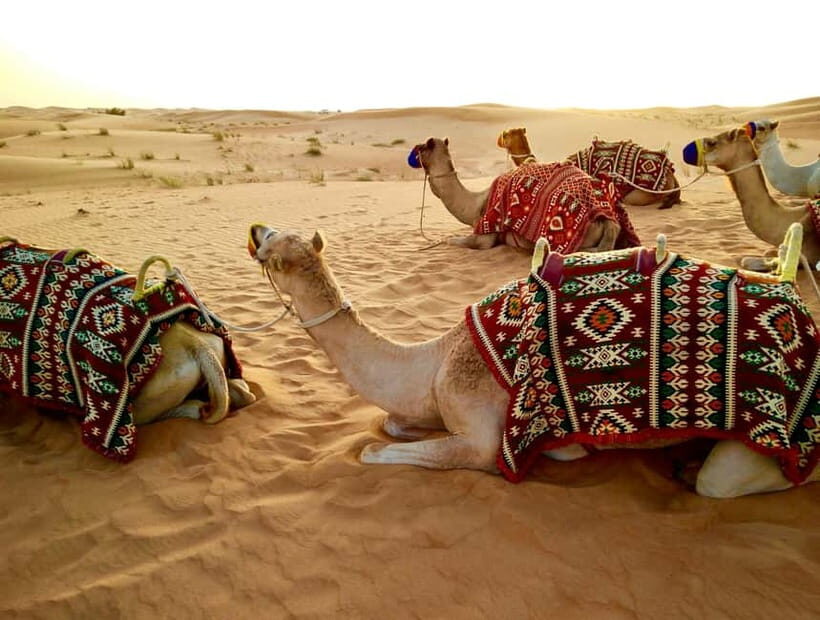
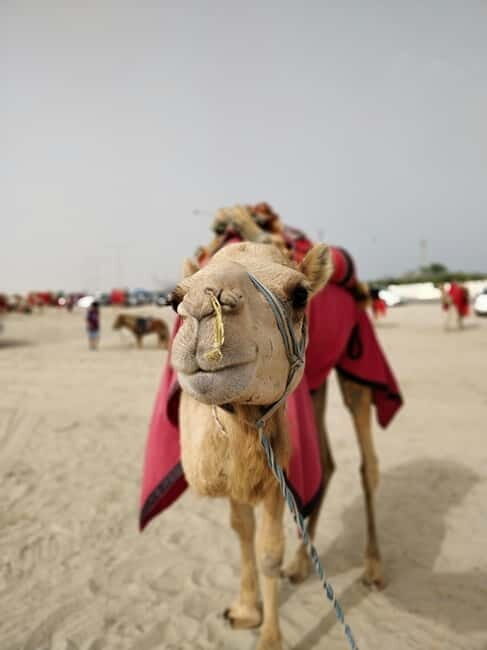
You can add camel safaris and jeep safaris around Pushkar’s desert edge. That’s a legit way to see the “outside-town” texture of the area. But the important part is control. One unhappy experience described being steered into a safari that wasn’t the planned choice, with pricing that felt high and timing that didn’t match what was expected. Another critique mentioned a higher cost jeep ride and a shift toward tourist-photo stops.
So here’s your best approach:
- Ask the guide/driver before any safari starts: camel or jeep, how long, total cost, and whether photo/dressing-up extras are separate.
- Say clearly what you want—then stick to it. Friendly guidance can still turn into pressure if nobody sets expectations early.
If you like adventure and you’re comfortable with optional costs, this add-on can make your day feel more “Rajasthan” than just temples and streets. If you prefer pure walking and temple time, skip the safari and keep the day focused.
Brahma Temple in Pushkar: Spiritual Calm Plus the Real-World Fees
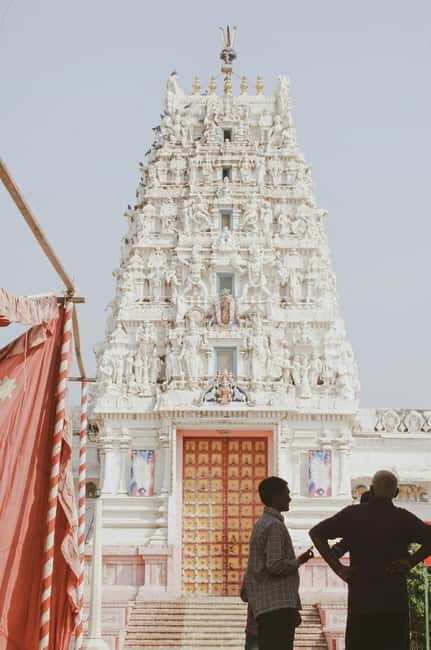
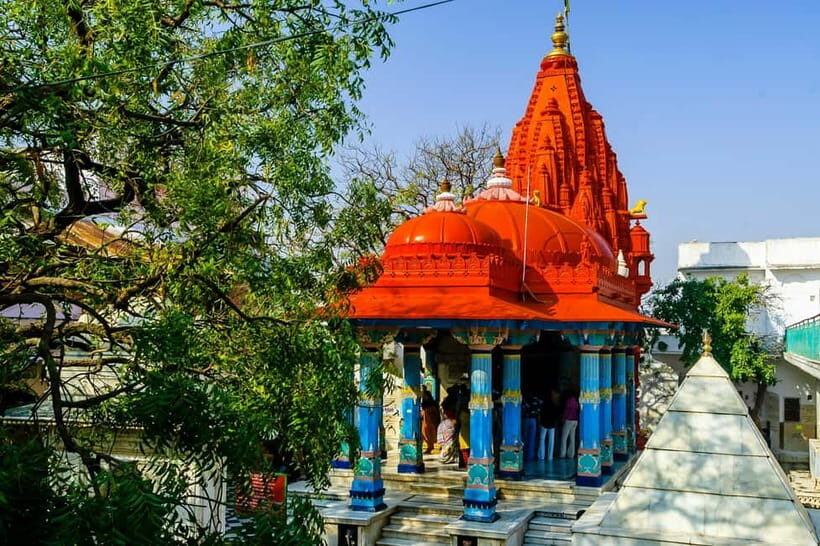
The Brahma Temple is the headline for many people in Pushkar, and it’s easy to see why. The architecture and the temple setting can feel grounding, especially after the road and the heat. One experience described the visit as calming and worth the time.
Now the practical side. Temple visits often come with small, annoying-but-common expenses like storage (for example, sandal storage). One negative account included getting asked to pay for sandal storage before being led toward a donation request. Another point of conflict in that same type of situation was a pressured donation conversation tied to expectations about foreigners.
Here’s the advice that keeps this sacred visit from becoming stressful:
- Treat all donation requests with caution. You’re not obligated to match someone’s number, and you can offer a small, respectful amount if you choose.
- If you’re unsure about storage or any other fee, ask early and in plain terms: what do I pay, for what, and is there a separate entrance line skip included?
- Keep your donation decisions personal and calm. If someone pushes hard, it’s okay to step back.
Also, the trip includes skip-the-line access through a separate entrance, which can save time and help you stay focused on the temple itself.
Ajmer After Pushkar: Pilgrimage Energy at the Khwaja Shrine
Ajmer shifts the tone. This is a major Muslim pilgrimage city, and the stop at the Khwaja Muin-ud-din Chishti Shrine brings a strong sense of devotion. Even if you’re not deeply tied to the tradition, you’ll likely feel the atmosphere—people arriving with purpose, quiet intensity, and the sense that faith here blends into everyday movement.
From the route description, you’ll follow local guidance through busy streets and then end at the shrine. Since the guided segment is explicitly Pushkar-focused, how much your Ajmer walking is guided can vary by day. Still, you should expect a clear plan for where to go and what to see.
If Pushkar ran long (it happens—Pushkar is easy to fall into), Ajmer can feel shorter than you expected. One positive note included a day where Ajmer wasn’t reached because Pushkar took more time than planned. That tells you something: Pushkar can be more absorbing than the schedule suggests, so be mentally ready.
You can also read our reviews of more tours and experiences in Jaipur



Comfort, Timing, and the Private-Group Difference
At 11 hours total, this is a long day, but it stays doable because it’s private. You’re not stuck with a random bus group pace. You can also ask for adjustments—at least within the boundaries of the driver’s plan.
Comfort is a real part of the value here. The transport is private and air-conditioned, and you’ll get water bottles. One of the best-reviewed aspects of the day was a smooth, comfortable ride—no harsh driving, just steady movement between towns. A driver named Manoj was noted for punctuality and fluent English, plus a relaxed, friendly approach. Another driver experience mentioned Pradeep as a strong guide and a comfortable ride.
One small tip: if you’re prone to motion discomfort, tell the driver at pickup. A good driver will aim for smoother driving, especially on longer stretches.
Price and Value at About $43: What You Get vs. What Costs Extra
$43 per person for an 11-hour private day trip sounds like a deal, and it can be. The value is strongest because several “pain points” are included:
- hotel pickup and drop-off in Jaipur
- private air-conditioned vehicle
- water bottles
- fuel charges, tolls, and parking
- guided tour in Pushkar
- English live guide
- skip-the-line access through a separate entrance
But here’s the honest part: what’s not included can change the final cost.
- Food and drinks are not included.
- Monuments entry fees are not included.
- camel and jeep safaris cost extra.
- personal expenses are on you.
And there’s also the “extras atmosphere” risk in Pushkar and temple zones, where small costs and requests can add up. The safari cost situation described in one negative account included a very specific high rupee figure for a jeep ride, plus extra photo-related dressing costs. You can’t assume it will be the same every day, but you can assume the safari and photo-shopping area exists, and you should control your agreement.
My practical rule: before you pay for anything extra, ask for the full amount and the timing. If the day starts moving toward a paid add-on you didn’t plan, stop it early and get clarity.
What to Bring (So You’re Not Miserable in the Sun)
This trip is simple on paper, but your body will do the heavy lifting. Bring:
- comfortable shoes (lots of walking)
- a camera (there’s plenty to photograph)
- sunscreen
- water
Also, keep your plans flexible. If you’re doing the safari add-on, you’ll need to be okay with sand-dust conditions and changes in plans. If you’re skipping safari, you might still end up with extra time in Pushkar streets—Pushkar can be a “slow-walk town” even when you’re trying to stick to a schedule.
Who This Trip Fits Best (and Who Should Skip It)
This experience makes the most sense for people who:
- want a single-day combo of Pushkar (temples and town life) and Ajmer (pilgrimage and shrine atmosphere)
- like guided walking but still want freedom to decide about add-ons
- value a comfortable private vehicle over crowded group transport
- can handle heat and walking for a full day
It’s not suitable for pregnant women, people with back problems, and wheelchair users. The walking component and temple/shrine movement aren’t set up for easier mobility from the info provided.
If you’re traveling with limited tolerance for cultural pressure around donations or shopping, go in with a calm plan. Decide ahead of time what you will and won’t pay for, and stick to it.
How to Make This Day Go Smoothly (Avoid the Common Pitfalls)
You can’t control everything—temple zones have routines, and some guides are more sales-minded than others. But you can control your side of the bargain.
Do this:
- Set expectations on day one: safari yes/no, and if yes, which one and for how long.
- Ask about any likely extra payments in Pushkar before committing.
- Decide your donation stance for temples and shrines before you’re put on the spot.
- If a conversation gets pushy, stay polite, but end it and refocus on the site.
One positive pattern in the feedback was drivers who made thoughtful suggestions and adjusted to wishes. That’s what you want: a guide who supports your interests rather than redirecting the day for extra income.
Should You Book This Jaipur-to-Pushkar-and-Ajmer Trip?
Book it if you want a private, comfortable day that hits two major spiritual destinations—Pushkar with the Brahma Temple, then Ajmer with the Khwaja shrine. The included transport, the Pushkar guiding, and the skip-the-line access can make the $43 price feel fair, especially if you’re not planning extra paid activities.
Consider skipping or customizing if you’re sensitive to surprise costs or pressured donation conversations, or if you really want to keep the day strictly temple-and-streets without any safari add-ons. In that case, you’ll want to negotiate clearly before you arrive in Pushkar and keep firm control once you’re there.
FAQ
How long is the Jaipur to Pushkar and Ajmer private day trip?
It runs for 11 hours total.
Is this tour private or shared?
It’s a private group.
What’s included in the price?
Included are hotel pickup and drop-off from Jaipur, a private air-conditioned vehicle, a guided tour in Pushkar only, water bottles, and fuel, toll, and parking.
Is a guide included, and what language do they speak?
Yes. There is a live tour guide who speaks English.
Do I get to do camel or jeep safari rides?
Camel and jeep safaris are available, but they are not included in the price. They cost extra.
Are food and drinks included?
No. Food and drinks are not included.
Are monument or entry fees included?
No. Monuments entry fees are not included.
What should I bring for the day?
Bring comfortable shoes, a camera, sunscreen, and water.
Does the trip include skipping the line?
Yes. You get skip-the-line access through a separate entrance.