REVIEW · JAIPUR
From Delhi: 6-Day Golden Triangle Tour with Ranthambore
Book on GetYourGuide →Operated by India Tour Solution - ITS · Bookable on GetYourGuide
A good tiger day changes your whole mood. This Delhi–Agra–Jaipur–Ranthambore route blends India’s big-signpost sights with real-time wildlife chances, and it keeps you moving without feeling rushed. I especially like the private professional guide setup and the way you get two Ranthambore safaris, not just one.
The second thing I like: you’re treated to UNESCO heavyweight hits across two cities—Taj Mahal and Qutub Minar—plus major forts and monuments that make the Golden Triangle feel like more than a checklist. One consideration: the hotel brand in Agra can shift depending on availability, so it’s worth confirming the exact property before you go.
In This Review
- Key things that make this tour click
- Delhi in a Single Sweep: Old City to New City
- Taj Mahal at Sunrise, Agra Fort Later: The Perfect Two-Part Day
- Ranthambore Gets Two Shots: Evening Safari and a Morning Follow-Up
- Jaipur Power Day: Amber Fort, Photo Stops, and Monument Time
- Walking the Old Walled City: Bazaars and Spice Markets
- Driver and Guide Quality: Where This Tour Wins
- Price and Value: $183 Worth It or Not?
- Dates, Closures, and Small Rules You Should Know
- Getting There Smoothly: Vehicles and Pickup in Delhi
- Who This Tour Fits Best (and Who Should Skip It)
- Should You Book This 6-Day Golden Triangle with Ranthambore?
- FAQ
- Is the Taj Mahal included, and is it ever closed?
- How many tiger safaris are included in Ranthambore?
- What languages are the guides available in?
- Do I get pickup and drop-off in Delhi?
- What type of vehicle will I use?
- What if I’m traveling with 3 people and want two rooms?
Key things that make this tour click

- Private, named guides with clear local context (for example Amir in Delhi, Ar Rahman in Agra, and Soni in Jaipur)
- Two Ranthambore safaris: one afternoon/evening and one early morning
- Skip-the-line access at major monuments via a separate entrance
- Real guide help on entry tickets, so you’re not stuck buying while others move ahead
- City-by-city pacing that covers Old Delhi, New Delhi, Agra, and Jaipur without long gaps
- Comfortable vehicle matching your group size (sedan, MPV, or minivan)
Delhi in a Single Sweep: Old City to New City
Day 1 is about getting your bearings fast. You start with pickup in Delhi, then head into Old Delhi to see Jama Masjid, the Red Fort area (from the outside), and the Chandni Chowk market lanes. It’s a great first taste of daily India—loud, colorful, and very human—where the guide can help you understand what you’re looking at instead of just watching crowds.
After lunch, the route shifts to New Delhi for the major landmarks: India Gate, Rashtrapati Bhawan, Humayun’s Tomb, and Qutub Minar. This mix matters because it shows two faces of the same capital—imperial-era monumental planning next to everyday market life. You finish the day by driving to Agra and checking into your hotel.
Practical note: wear comfy shoes. Delhi sightseeing often means a lot of walking and quick stops for photos.
You can also read our reviews of more tours and experiences in Jaipur


Taj Mahal at Sunrise, Agra Fort Later: The Perfect Two-Part Day
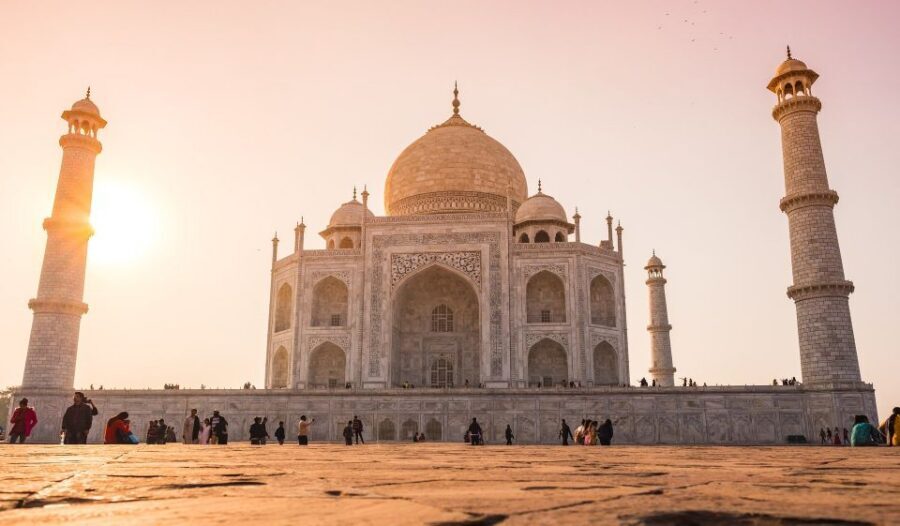
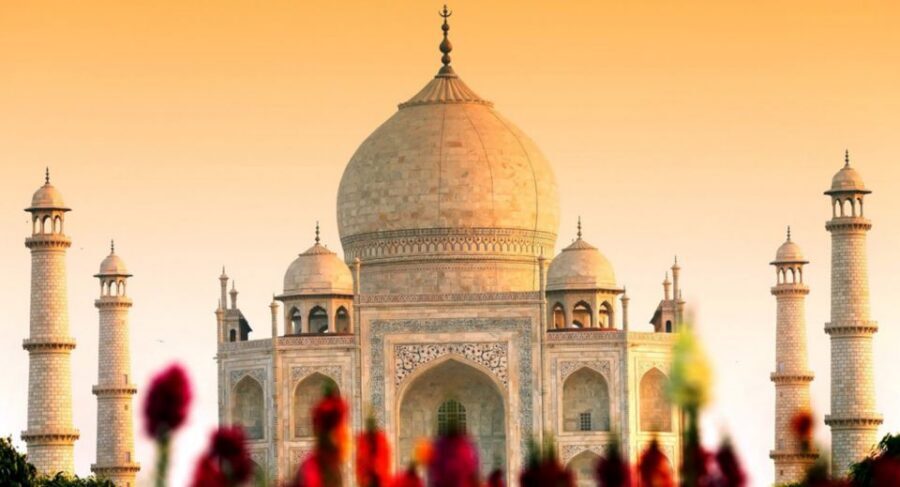
Day 2 is built around one smart idea: beat the crowds with a sunrise Taj Mahal visit. The Taj Mahal is closed on Fridays, so your start time and day flow depend on the calendar. When it’s open, the early timing usually helps you enjoy the marble glow before the day turns busy.
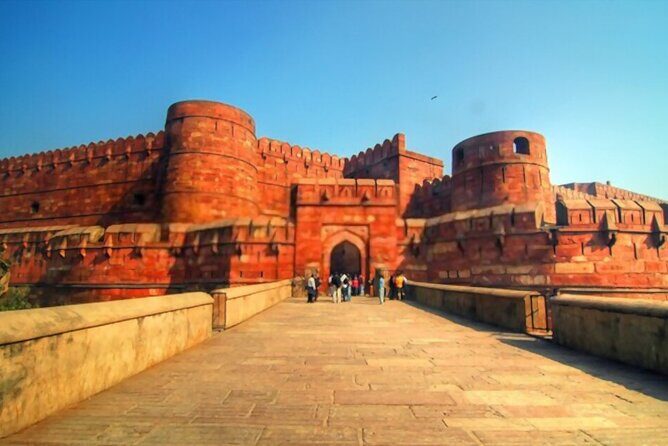
You’ll also visit Agra Fort, which is a different kind of wow. If Taj Mahal is emotion and symmetry, Agra Fort is power and fortifications—walls, gateways, and history you can feel in the scale. And since your guide helps with entry steps, you’re not wasting your morning hunting for tickets.
If you like photography, plan to slow down here. The Taj Mahal is famous, yes, but what makes it special is how the details (carvings, reflections, the courtyard layout) change with the light.
Ranthambore Gets Two Shots: Evening Safari and a Morning Follow-Up

This is the heart of the trip. After breakfast, you drive to Ranthambore National Park and check in, then do an afternoon/evening safari after lunch. You’re looking for tigers, but the park also has leopards, deer, and other wildlife—so even on a slower sighting day, you’re not just waiting for one species.
Day 4 repeats the strategy, with an early morning safari. That second trip matters because wildlife behavior changes over the day. Morning often brings different movement patterns, and it gives you another real chance at that standout moment.
Here’s the honest way to think about safari value: you’re paying for access, timing, and expertise. The guide being English-speaking during safari helps you interpret animal tracks, behavior, and where sightings are likely to come from—especially because Ranthambore can feel like a large puzzle when you’re inside it.
Practical note: safari days can be long and cool-into-warm. Bring layers and keep water handy.
Jaipur Power Day: Amber Fort, Photo Stops, and Monument Time
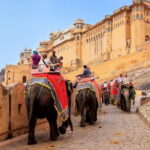
Day 5 is classic Jaipur, with enough variety to keep you from feeling like you’re only doing one thing. You start with Amber Fort, and there’s an optional elephant ride available. If you’re deciding, keep your comfort and ethics in mind; since it’s optional, you can skip and still get the fort experience.
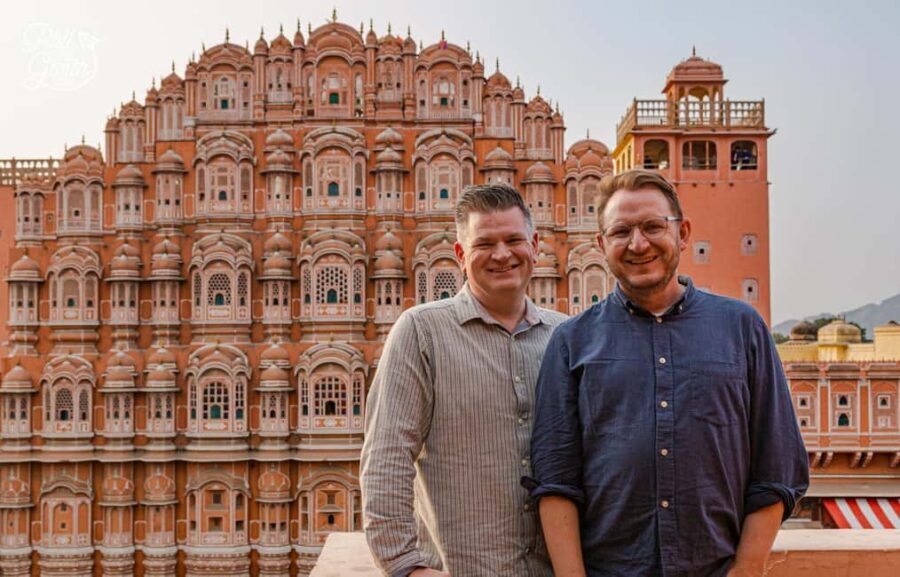
Next are photo stops at Jal Mahal and Hawa Mahal. These two are different in purpose: Jal Mahal is about the look—reflections and the palace sitting over water—while Hawa Mahal is about the façade and the idea of ventilation and light. Then you move into City Palace and Jantar Mantar, where the focus shifts to design and science in stone.
What I like here is how the day mixes big-ticket monuments with quick moments you can enjoy even if you’re tired—especially after the safari and travel legs. It keeps energy steady.
Walking the Old Walled City: Bazaars and Spice Markets

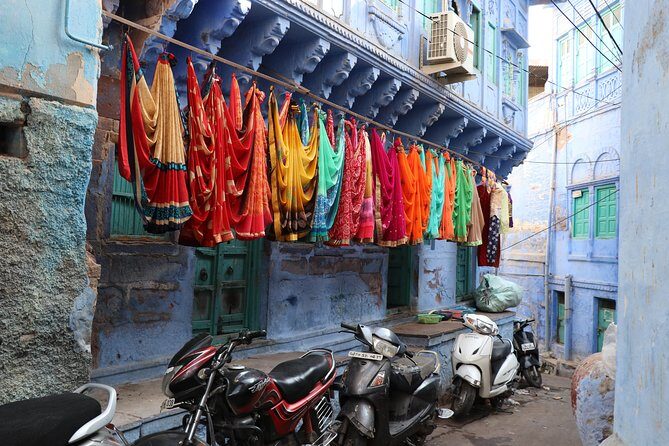
Later in Jaipur, you do a guided walking tour through the old walled city, colorful bazaars, and spice markets. This part is where the trip stops feeling like pure sightseeing and starts feeling like daily life. Your guide helps you make sense of what’s around you—what people actually do there, and why certain places matter.
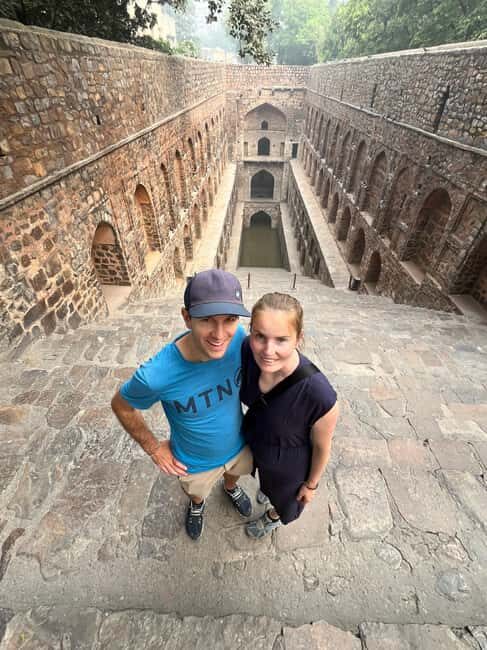
Depending on timing, you might also see sights like a step well during this area-focused portion, since the guide may weave in extra points of interest. Even without that extra stop, you’ll still get the best part of Jaipur: texture. Clay, textiles, spice colors, and street scenes that don’t show up on postcards.
Practical note: take small cash for snacks and simple purchases. Also, expect narrow lanes—good shoes win again.






Driver and Guide Quality: Where This Tour Wins
This tour consistently lands on one key strength: organization with a human touch. You’ll have a private professional guide and a driver, plus taxi arrangements for the sighting days. One of the standout details from real experiences is that guide handoffs felt smooth—Amir guiding Delhi, Ar Rahman in Agra, and Soni in Jaipur, with Satish driving through the full six days.
That matters more than it sounds. When a driver knows the flow of the day and your guide knows the story behind the places, you spend less time figuring out what’s next. It also helps with practical stuff like ticket handling—your guide assists you with monument entrance tickets so you don’t get stuck in queue lines.
Price and Value: $183 Worth It or Not?

At $183 per person for six days, the value depends on what you want the trip to do for you. This price is most attractive if you want:
- Private guidance rather than a seat on a shared bus
- Two Ranthambore safaris, which is the main driver of cost and excitement
- Major monument coverage across multiple cities (Taj Mahal, Qutub Minar, Amber Fort, and more)
- Less friction: skip-the-line access at key monuments and guide help with entry tickets
Your main “cost” beyond money is time and energy. The Golden Triangle pace means you’re often in transit, especially between Agra, Ranthambore, and Jaipur. But if you prefer seeing a lot with structure, the itinerary style makes sense.
Where you should be cautious on value is lodging expectations. One experience noted a shift from a promised Jaypee Palace option to Courtyard by Marriott in Agra, and the booking ended up at a better hotel after paying more. That’s not necessarily the norm, but it’s a good reminder: confirm the exact hotel name and category before you pay fully.
Dates, Closures, and Small Rules You Should Know
A few calendar details can affect what you’ll see:
- Taj Mahal is closed on Fridays.
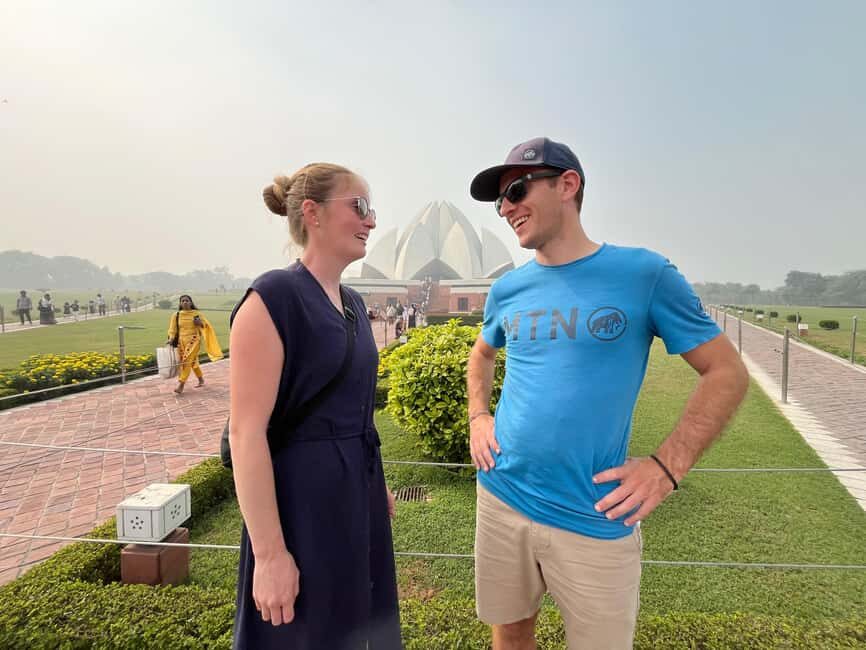
- Lotus and Akshardham temple are closed on Tuesdays.
- The plan includes holiday gala dinner charges during New Year’s Eve and Christmas days (from 24th December to 5th January, based on hotel policy).
Also, rooms are usually twin-sharing by default. In a booking of 3 people, the setup may be triple-sharing unless three guests prefer two rooms and pay extra. This is simple, but it’s worth thinking through so you’re not surprised when it’s time to sleep.
Getting There Smoothly: Vehicles and Pickup in Delhi

Pickup is included from any location or airport in Delhi. That’s a big comfort factor if you’re arriving late or coordinating with domestic flights. Vehicle size depends on group size: a 4-seater sedan for 1–2 people, a 6-seater MPV for 3–4, and a minivan for 5–10.
This matters because it affects how much you can settle into the trip. Smaller vehicles feel more personal; larger ones are efficient for groups. Either way, having private transport is part of what makes a multi-city plan workable.
Who This Tour Fits Best (and Who Should Skip It)
This tour fits best if you want a structured first-timer Golden Triangle experience with a real wildlife focus. It’s ideal for couples, small groups, and anyone who likes having a guide explain what they’re looking at instead of reading signs alone.
It’s not suitable for pregnant women, as stated. If you have mobility concerns, note that the tour is marked wheelchair accessible, but you’ll still want to think about walking in crowded market areas and forts.
Should You Book This 6-Day Golden Triangle with Ranthambore?
If you’re choosing between a simple Golden Triangle and one with tigers, I’d book this one. The combination of sunrise Taj Mahal, UNESCO-level monument time, and two Ranthambore safari chances gives you a better shot at both the classic and the wild side of India.
Book it if:
- You want private guides and less queue stress via separate entrance access
- You like the idea of two safari days instead of a single gamble
- You value smooth planning, especially with a driver who’s with you the whole run
Hold off or ask extra questions if:
- You care a lot about the exact Agra hotel name and want it locked in ahead of time
- You’re sensitive to early starts and long travel legs between cities
- You’re traveling on a Friday (Taj Mahal closure) or Tuesday (Lotus/Akshardham closure)
If those points work for you, this is a strong value way to see a lot of India in six days—plus the chance of that tiger moment that makes the photos finally feel real.
FAQ
Is the Taj Mahal included, and is it ever closed?
Yes, the plan includes a sunrise Taj Mahal visit. It is closed on Fridays.
How many tiger safaris are included in Ranthambore?
You get two Ranthambore National Park safaris: one on Day 3 (after lunch/evening) and another on Day 4 (early morning).
What languages are the guides available in?
The live tour guide is available in English, Spanish, German, French, Russian, and Japanese. The safari guide is also English-speaking.
Do I get pickup and drop-off in Delhi?
Yes. Pickup and drop-off are included from any location or airport in Delhi.
What type of vehicle will I use?
Vehicle type depends on group size: a 4-seater sedan for 1–2 people, a 6-seater MPV for 3–4, and a minivan for 5–10.
What if I’m traveling with 3 people and want two rooms?
Rooms are generally twin-sharing. For 3 guests, the default is typically triple-sharing, unless you pay an additional charge to arrange two rooms.