REVIEW · FATEHPUR SIKRI
From Agra: Fatehpur Sikri Guided Tour
Book on GetYourGuide →Operated by India Tour · Bookable on GetYourGuide
Fatehpur Sikri is history you can walk through. This guided outing brings UNESCO-listed Fatehpur Sikri to life with clear context about Akbar’s short-lived capital and why the city was mysteriously abandoned. I particularly love the chance to see the blend of Islamic and Hindu architectural elements made in bold red sandstone, plus a guide who helps you read the site instead of just staring at it. The main trade-off: you’ll do a moderate amount of walking on rocky, uneven ground, in sun that can feel very direct.
You also get the practical side handled. Roundtrip transport from your Agra hotel area is done by an air-conditioned vehicle, and you’re not left guessing about basic needs like water, a snack, or where to go next. One thing to plan for: flash photography isn’t allowed inside monuments, and short skirts aren’t permitted, so wear something comfortable and cover-appropriate.
In This Review
- Key things worth knowing before you go
- Fatehpur Sikri: a city of power, then silence
- Getting there from Agra without the headache
- The guided tour: what you’ll actually learn on-site
- What the buildings and city layout tell you
- Walking, photos, and the small rules that matter
- Timing and pacing: 3 to 4 hours that actually works
- Price and value: why this one is such a practical pick
- Who this tour suits best
- Choosing your guide style: clarity makes the site click
- Should you book this Fatehpur Sikri tour?
- FAQ
- How long is the Fatehpur Sikri guided tour from Agra?
- Is round-trip transportation included?
- Can I get picked up from my Agra hotel?
- Is a guide included?
- What languages are available for the live tour guide?
- Are water and snacks provided?
- Is photography allowed at Fatehpur Sikri?
- What should I bring for the visit?
- Are there any clothing restrictions?
- What is the cancellation policy?
Key things worth knowing before you go
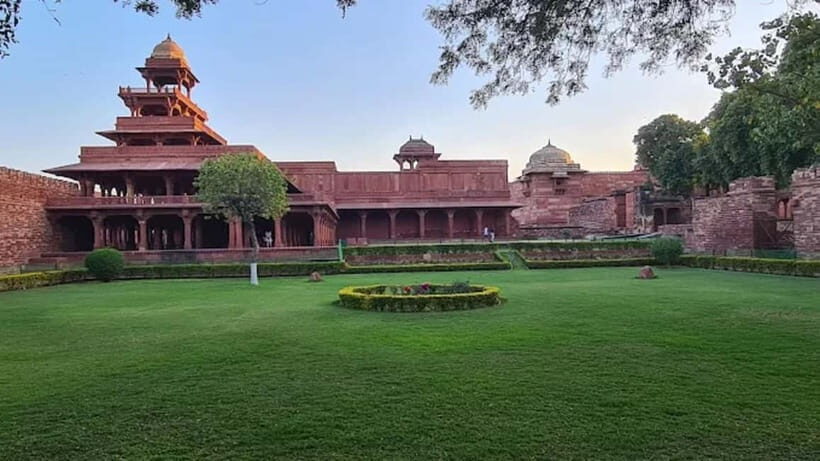
- UNESCO site, but with a story: you’ll get the bigger picture of Akbar’s “City of Victory” and its sudden fade.
- A guided walk that makes details matter: the guide’s explanations turn architecture into a readable timeline.
- Islamic-Hindu design mix: expect red sandstone monuments showing a cultural blend.
- Short, focused time in the field: 3–4 hours is enough to see the main areas without eating your whole day.
- Ride comfort from Agra: air-conditioned roundtrip transport reduces fatigue before and after walking.
- Practical help with the visit: guides can help with logistics like tickets and electric cart options when needed.
Fatehpur Sikri: a city of power, then silence
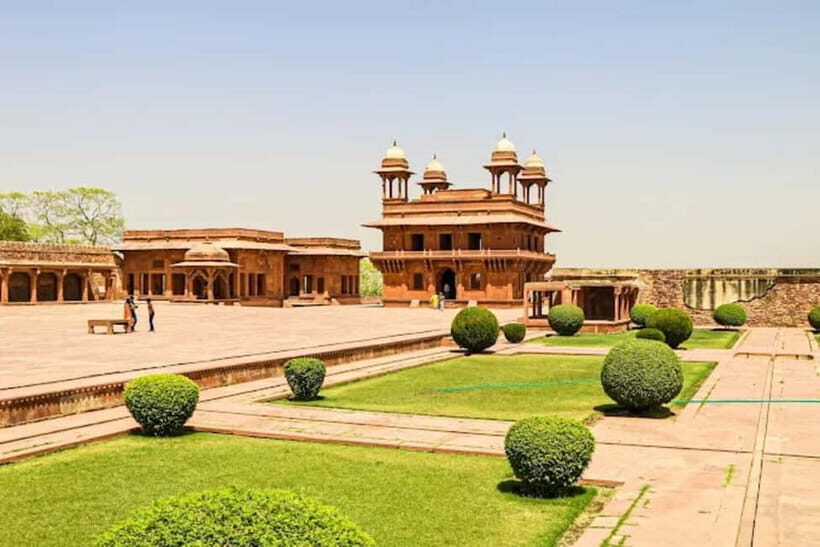
Fatehpur Sikri can feel slightly unreal at first. A whole capital city was built here, then the city’s momentum stopped by the early 17th century. You’re walking around a place that looks complete, but the political center behind it vanished. That tension—grand creation followed by long pause—is what makes this UNESCO site so compelling.
Emperor Akbar established the city in the 1570s, and the design reflects his idea of cultural and religious unity. The result isn’t just “pretty buildings.” The complex layout, the walls, and the fact that it sits on a rocky ridge all communicate control and intention. From the outside, the city reads like a stronghold. From within, it reads like a carefully planned stage for ceremony, administration, and court life.
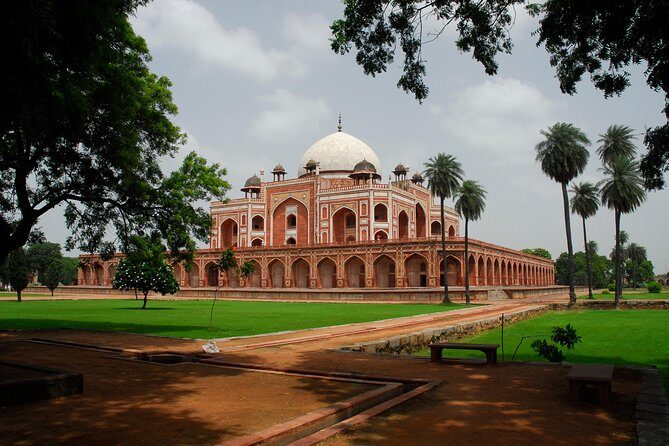
The city’s construction style matters too. Most of it is built in red sandstone, which gives the monuments that warm, earthy tone. In changing light, the color shifts—so even on a cloudy afternoon, the structures don’t look flat.
You can also read our reviews of more guided tours in Fatehpur Sikri

Getting there from Agra without the headache
This is one of the reasons I like this format. You’re not trying to arrange transport last-minute or juggling multiple directions on your own. The tour includes roundtrip transportation by air-conditioned vehicle, and pickup is available from your Agra hotel area (depending on the option you choose).
In practice, that means you can keep the day simple:
- you start with a short ride out of Agra
- you focus on the site once you arrive
- you return the same way, without extra planning
For a 3–4 hour experience, that matters. If you spend half a day managing transport, you lose the best part: actually being in the place and having time to understand it.
The guided tour: what you’ll actually learn on-site
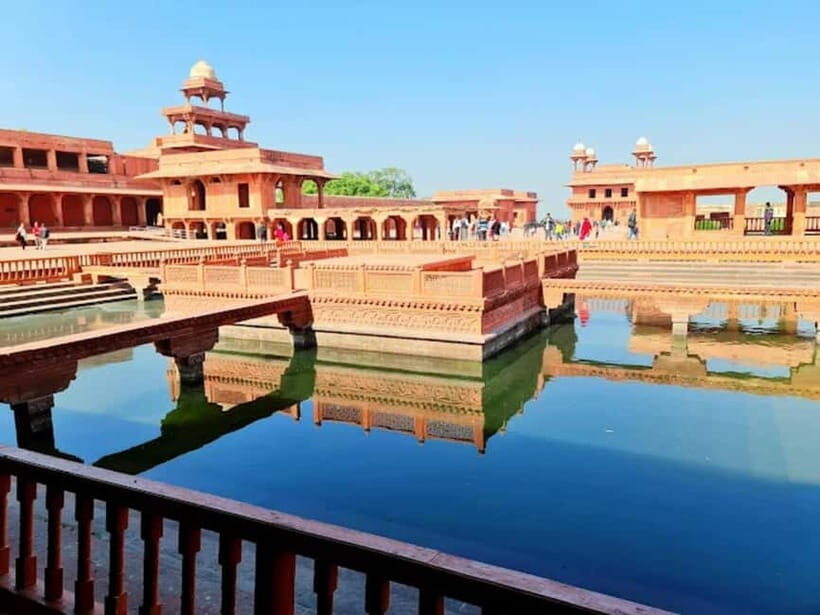
At Fatehpur Sikri, the “wow” is immediate—walls, monuments, palaces, mosques, temples, all in one large historic complex. But the real value is what a good guide does with that variety. Instead of you collecting random facts, you get a guided narrative that connects the dots.
You’ll learn about:
- why the city was created by Akbar in the 1570s
- what “City of Victory” refers to in the broader story
- how the city’s layout reflects its purpose
- why the city was abandoned relatively soon
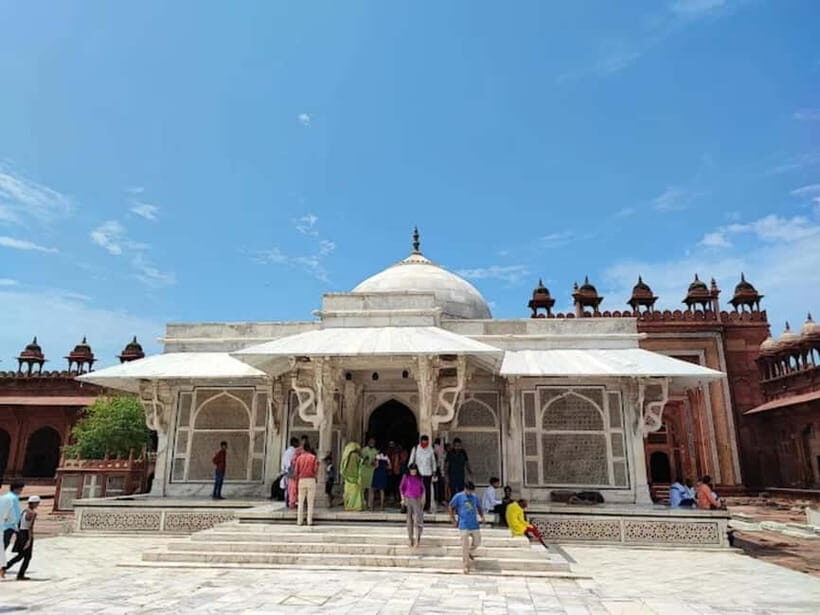
The architectural mix is a big part of the learning. Fatehpur Sikri is known for showing a blend of Islamic and Hindu architectural elements in the same built environment. That’s not just an aesthetic detail; it’s part of Akbar’s vision of unity and the way royal authority was expressed through culture.
And yes, the best guides make the visit easier to follow for all ages. One shared experience described a guide who explained things so kids stayed interested, and who handled tickets and electric carts. That’s the kind of day that feels smoother than a “just follow me” walk.
What the buildings and city layout tell you
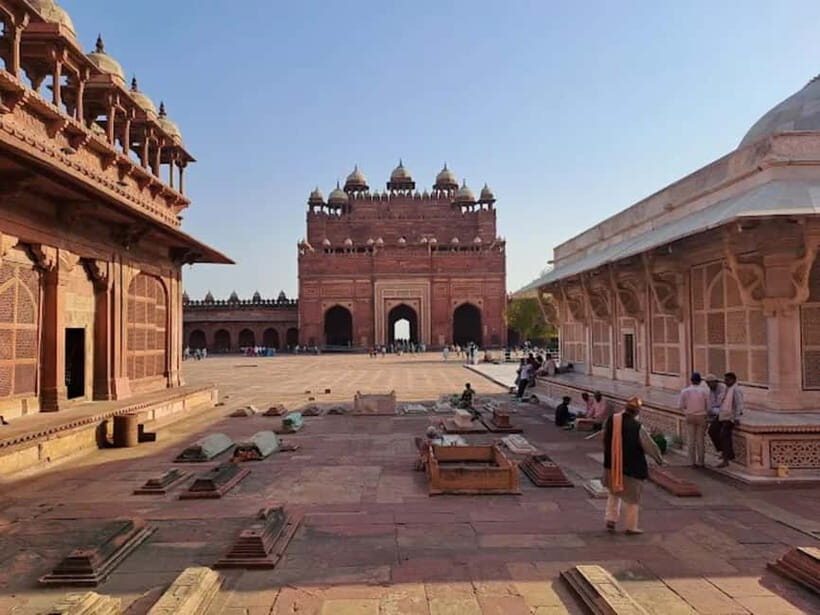
Even if you’ve seen photos, being inside Fatehpur Sikri changes how you understand the place. The city sits on a rocky ridge and is surrounded by sturdy walls. So right away, you feel the sense of boundaries—this was designed to be contained, protected, and organized.
As you move through the site with your guide, you’ll notice the mix of different types of buildings:
- monuments and palaces linked to royal life
- mosques tied to religious practice
- temples reflecting Hindu traditions
That variety can overwhelm you if you’re on your own. With a guide, it becomes a map of how the city functioned—what might have been used for leadership, worship, and public life.
The “mysterious abandonment” adds a second layer. When a city is suddenly left behind, it turns into a kind of time capsule. You can’t fully verify the reasons just by looking, but you can feel the contrast between what was built for power and what later generations inherited.
If it’s raining, the mood changes too. One experience noted the site’s grandeur even when the weather turned. In bad weather, details can look darker and more dramatic, but stone can get slick, so keep your footing careful.
Walking, photos, and the small rules that matter
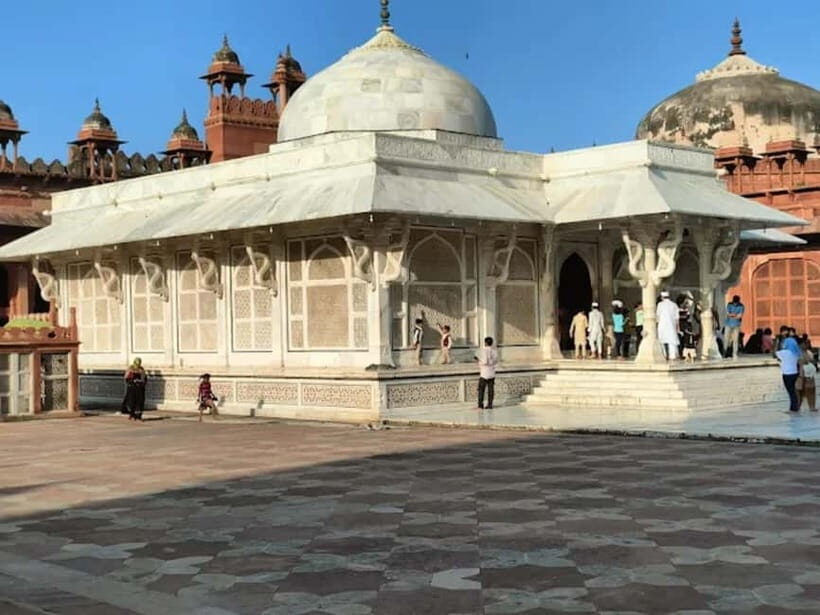
This tour is short, which is great. The catch is that you should come ready to walk. The site involves a moderate amount of walking, and comfortable shoes are a must. I’m a fan of tours like this because they’re long enough to see the real scope, but not long enough to turn into a grind.
A few rules to plan around:
- Photography is allowed, but flash is prohibited inside the monuments.
- You should bring sunscreen and consider a hat in hot weather.
- Short skirts aren’t allowed.
Also, keep your belongings secure. This kind of busy heritage visit can attract opportunists, especially where crowds gather.
If you want an easier pace, ask about electric cart options. One positive experience highlighted that the guide took care of electric carts as well as tickets, which can make the day smoother for families or anyone who wants to conserve energy.




Timing and pacing: 3 to 4 hours that actually works
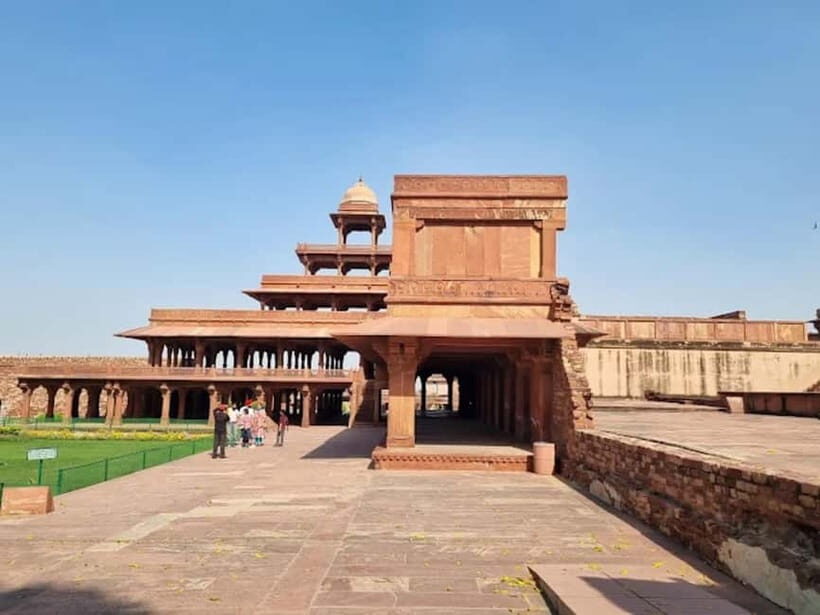
A 3–4 hour duration is a sweet spot for Fatehpur Sikri. You’re not rushing across the site like a checklist tourist. You also aren’t stuck for an entire day in one complex when you might want to explore other parts of Agra later.
That time frame usually makes the experience feel “complete”:
- arrive, meet the guide, get oriented
- walk through the key areas with explanations
- leave with a clearer understanding of the city’s role and why it ended so abruptly
Because pickup and drop-off are included, your day stays predictable. You’ll know you can keep other plans flexible without needing to coordinate transport on your own.
Price and value: why this one is such a practical pick
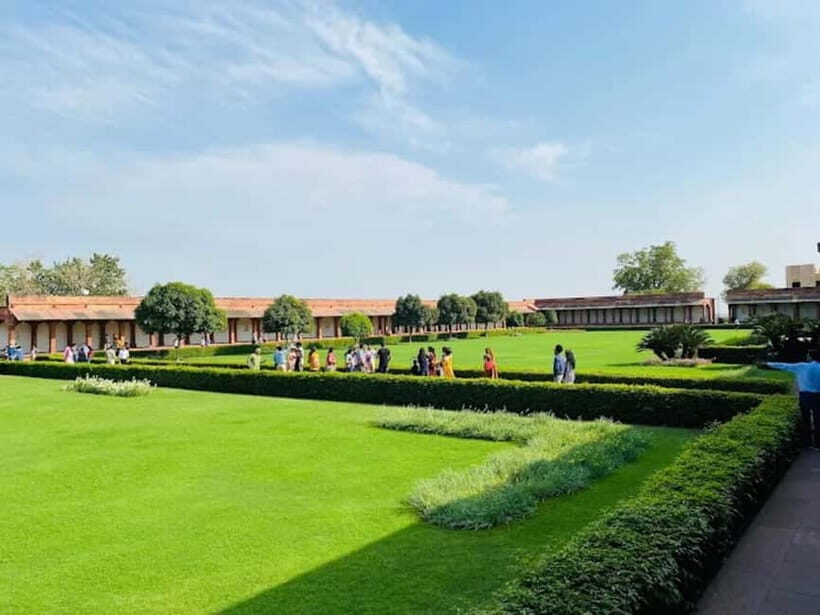
This tour is priced at about $4.39 per person for a 3–4 hour guided visit that includes air-conditioned roundtrip transport, a professional guide, bottled water, a snack, and all taxes/charges/tolls.
That’s strong value for a few reasons:
- You’re paying for interpretation
Fatehpur Sikri is visually impressive, but it becomes much more satisfying when you understand what you’re looking at—especially the Akbar-era story and the Islamic-Hindu design blend.
- Transport is included
Without it, a solo or DIY day can cost more once you add rides and time lost negotiating.
- The tour keeps you efficient
In a place like Agra, time is money. A short, guided loop lets you fit in a major heritage site without derailing your whole schedule.
If you’re comparing options, focus less on how many “stops” are listed and more on whether you’ll get a guide who helps you connect the monuments to the broader narrative. This format is built for that.
Who this tour suits best
This is a good fit if you want a focused heritage hit from Agra. You’ll likely enjoy it if:
- you like guided history that explains why a place matters, not just what it looks like
- you want to see the UNESCO scale of Fatehpur Sikri within a half-day window
- you’re traveling with family and want explanations suited for different ages (a past experience mentioned a guide who kept kids engaged)
- you prefer air-conditioned roundtrip comfort rather than DIY logistics
It may be less ideal if you’re extremely sensitive to walking, sun, or uneven stone—though you can still plan for it with supportive shoes, water, and asking about electric carts if available.
Choosing your guide style: clarity makes the site click
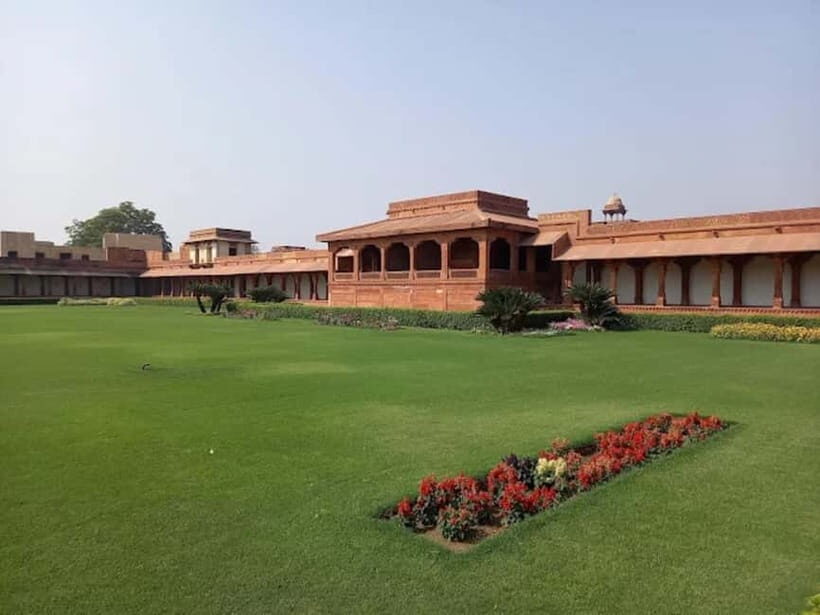
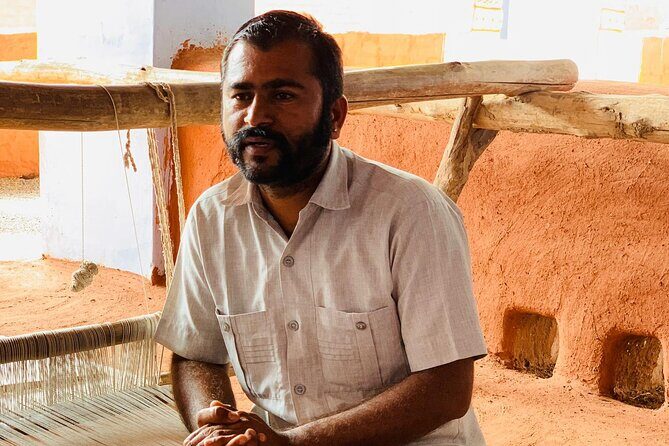
One of the most praised parts of this experience is how the guide explains the story. In the shared feedback I saw, guides like Hasan and Abdul were named for having plenty to say and making the explanations easy to follow, even when the day included other major sights. A comfortable driver like salin also came up, which matters because it keeps your energy steady from start to finish.
You don’t need a professor to enjoy Fatehpur Sikri—you need the right guide moments. The key is being able to connect:
- the city’s purpose under Akbar
- the mix of architectural traditions
- the scale of monuments and why the walls and ridge location matter
- the sadness of abandonment without turning it into gloom
When that clicks, the site becomes more than scenery. It becomes a story you can actually feel.
Should you book this Fatehpur Sikri tour?
Yes, if you want an efficient, guided way to experience one of North India’s major UNESCO sites without the stress of arranging transport. The combination of air-conditioned roundtrip transport, a professional guide, and a structured 3–4 hour visit is the right formula for most schedules in Agra.
Book it if you:
- want clear context about Akbar’s capital and the reasons it was abandoned
- value the Islamic-Hindu architecture blend as a real theme, not just a photo subject
- prefer a short outing with practical support like water, a snack, and assistance with on-site logistics
Skip it or consider another option if:
- you know you can’t handle any walking on uneven stone
- you’re very strict about photography rules and don’t want to work around the flash restriction
- you want a long, slow, no-rush day rather than a focused half-day
FAQ
How long is the Fatehpur Sikri guided tour from Agra?
The tour duration is 3 to 4 hours.
Is round-trip transportation included?
Yes. It includes round-trip transportation by air-conditioned vehicle.
Can I get picked up from my Agra hotel?
Pickup is optional, and your driver can pick you up from your desired Agra hotel location based on the option selected.
Is a guide included?
Yes. The tour includes a professional guide.
What languages are available for the live tour guide?
The live guide is available in English, Spanish, and French.
Are water and snacks provided?
Yes. Bottled water and a snack are included.
Is photography allowed at Fatehpur Sikri?
Photography is allowed, but flash is prohibited inside the monuments.
What should I bring for the visit?
Comfortable shoes are important because there is a moderate amount of walking. Sunscreen is recommended, and it can help to bring a hat in hot weather.
Are there any clothing restrictions?
Short skirts are not allowed.
What is the cancellation policy?
Free cancellation is available up to 24 hours in advance for a full refund.