REVIEW · NEW DELHI
Delhi to Varanasi: Tour to the Sacred Ganga Aarti Ceremony
Book on Viator →Operated by Private India Guided Tours · Bookable on Viator
Firelight over the Ganges makes time slow.
This Delhi-to-Varanasi overnight is built around one thing: the Ganga Aarti—a flame-heavy, prayer-filled ceremony where a “holy fire” offering is made to Lord Shiva and the wider universe. You also get the softer counterpoint of dusk on the river, plus time for old-city wandering and a proper look at how Banarasi silk is made by hand.
I really like how the schedule mixes big-signal moments with real texture. Two standouts for me are the sunset boat ride setting up the mood for the evening ritual, and the cycle-rickshaw ride that gets you into Varanasi’s narrow lanes instead of just riding past them. One possible drawback: the trip moves fast and the night air can be cold and smoky—so you’ll want to prep your body for a long, sensory evening.
You also get solid logistics for the price: hotel with breakfast in Varanasi and express train comfort both ways, plus meals on the train. When a trip like this is this structured, it helps you spend your energy on what matters—watching the flames, listening to the guide, and letting the Ganges do its thing.
In This Review
- Key things I’d plan for
- The morning plan: Delhi pick-up and an early train to Varanasi
- Getting your bearings in Varanasi: old city lanes by cycle-rickshaw
- Dusk on the Ganges: boat ride timing and what to bring
- Ganga Aarti at Dashashwamedh Ghat: why the fire ritual hits hard
- Manikarnika Ghat at 8:00 PM: a pause for reflection
- Banarasi silk factory visit: what liquid gold means in practice
- Where the comfort shows up: hotel, train meals, and time to recover
- Price and value: what $90 covers, and where you’ll still spend a bit
- Who this overnight works for (and who might prefer a slower version)
- Practical tips that make the difference on ghats
- Should you book this Delhi to Varanasi Aarti overnight?
- FAQ
- How long is the Delhi to Varanasi sacred Ganga Aarti trip?
- What’s included in the price?
- Are meals included?
- Do I need to bring anything for the evening ceremony?
- Is there a dress code for temples and sacred places?
- Is tipping required?
- What happens if I need to cancel?
Key things I’d plan for
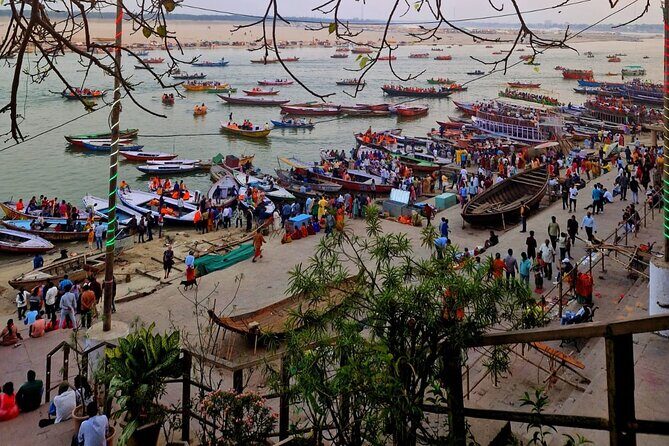
- Ganga Aarti with a private guide at the height of evening light
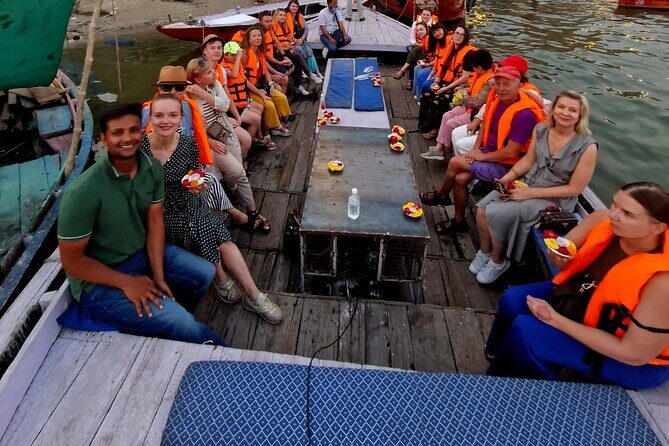
- Sunset boat ride on the Ganges right before the ceremony
- Cycle-rickshaw through old Varanasi for up-close street-level views
- Manikarnika cremation ghat visit for quiet reflection, not sightseeing
- Banarasi silk factory stop to see the “liquid gold” process up close
- Express trains + included meals so you’re not stuck managing food all day
The morning plan: Delhi pick-up and an early train to Varanasi
Your day starts early, with pick-up in the 3:00–5:00 AM window from your hotel, the airport, or another convenient Delhi location. You’ll also get a traditional floral garland, which sounds small, but it sets the tone. India has a lot of “start rituals,” and this is an easy one.
Then you head to the station for the scenic express train ride to Varanasi. The train runs for about 8 hours, and it’s air-conditioned, which matters because you’ll be awake before sunrise. The ride also includes food on the journey, so you’re not hunting for meals halfway through the travel day. Along the way, you’ll see countryside views, including tea plantations—nice little visual breaks between the spiritual focus of the itinerary.
Practical note: starting that early means you’ll want a simple breakfast plan before pick-up if you can. Even though the train includes food, your first hours are still about timing and getting settled.
You can also read our reviews of more tours and experiences in New Delhi.



Getting your bearings in Varanasi: old city lanes by cycle-rickshaw
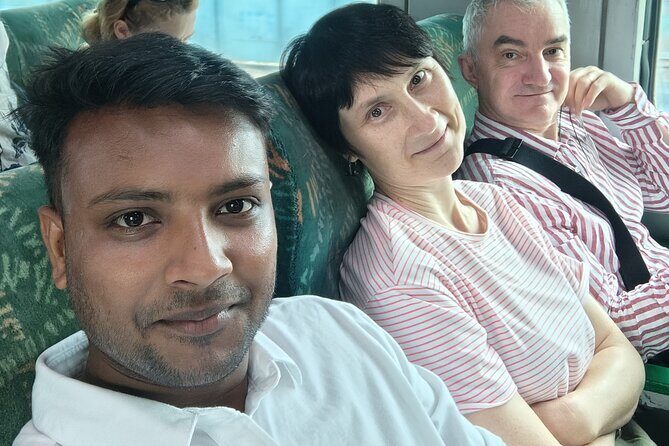
After you arrive, there’s a station pick-up and hotel drop, followed by time to head out toward the old city area later in the afternoon. One of the best parts of this tour is that you don’t go straight to the ghat by car. You go by cycle-rickshaw, which is slower by design—and that’s the point.
At around 4:00 PM, you’ll ride from the hotel toward the classic ghat area via the markets and quieter lanes. This is where Varanasi feels different from the “photo spots.” You’re moving at human speed. You notice the small rhythm of streets, the way shops and shrines sit close together, and the way crowds shift from busy to calm as you turn a corner.
A drawback to know: rickshaw rides aren’t always smooth. If you’re sensitive to jostling or have back issues, wear comfortable clothes and avoid anything too stiff or heavy. Still, the trade is worth it—the ride helps you arrive at the evening with your eyes already adjusted to how the city works.
Dusk on the Ganges: boat ride timing and what to bring

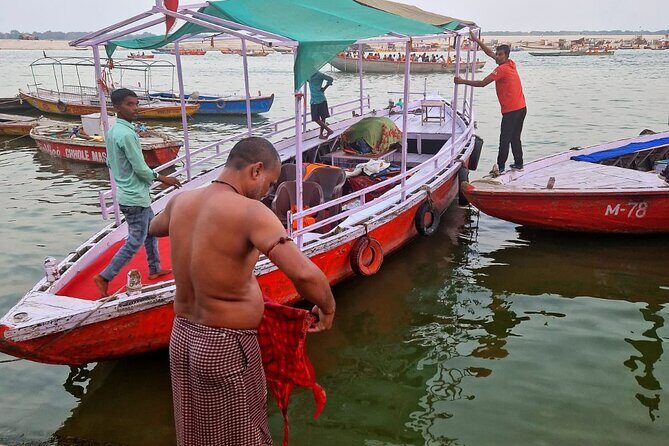
The trip leans into the power of timing. You get a sunset boat ride on the Ganges, scheduled around late afternoon into evening (you’re in that 3-hour window leading into the ceremony). Dusk is when the river turns from scenery into atmosphere. The light softens the ghats, and it’s easier to imagine the ceremony as something lived, not staged.
This is also when practical prep pays off. You’ll want:
- a sweater or jacket for the evening (even in warm months, nights can feel cool on the water)
- insect repellent, since insects are especially common near the water in the evening
- a face mask if you’re sensitive to smoke or dust during the Aarti
If you’re planning to photograph: bring a lens cloth and keep your phone/camera protected from light mist and wind. You won’t want to fight gear while you’re trying to watch the firelight.
Ganga Aarti at Dashashwamedh Ghat: why the fire ritual hits hard

The main event happens at Dashashwamedh Ghat in the evening. The whole ceremony centers on a spectacular fire offering—a ritual connected with Lord Shiva and also framed as an offering to the Sun and the universe.
What makes this part special is not just the flames. It’s the combination of sound, movement, and guided meaning. You’ll have a private guide during the evening aarti ceremony, and that matters because the ritual can look chaotic if you don’t know what you’re seeing. With guidance, you start noticing the pattern: how the offering is presented, how the group acts in rhythm, and why this fire is treated with deep seriousness.
Dress code also becomes real here. In sacred places, you should cover shoulders and knees. It’s not a “nice to have”—it’s a sign of respect. Wear clothes that won’t distract you from watching: breathable fabric, nothing too slippery, and something you can comfortably stand or sit in for a while.
One more reality check: the Aarti environment can include smoke and heavy sensory input. If you’re sensitive, the mask tip above isn’t overkill—it helps you stay present.
Manikarnika Ghat at 8:00 PM: a pause for reflection
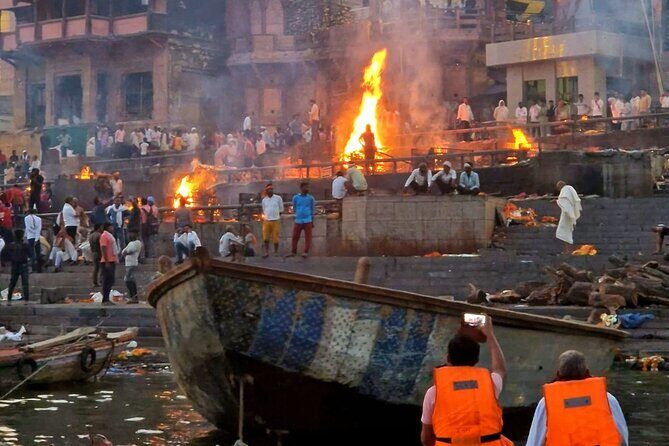
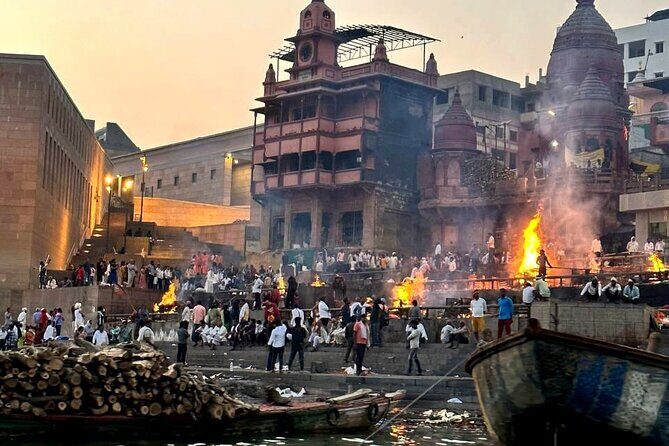
After the ceremony, you head to Manikarnika Ghat at around 8:00 PM for a short visit (about 15 minutes). This is the primary cremation ghat, and the sacred fire there is said to have burned for thousands of years.
This stop is the emotional counterweight to the spectacle of the Aarti. It’s not about dramatic visuals. It’s about facing a part of life that many visitors are used to avoiding: death, ash, and the cycle that follows. The tour frames it as a moment for profound reflection.
How to handle this respectfully: keep your tone low, don’t treat it like a photo safari, and be mindful that you’re stepping into a working sacred space. If you’re the type who needs explanations to stay calm, rely on the structure of the tour and your guide’s pacing so you don’t feel rushed.

Banarasi silk factory visit: what liquid gold means in practice
Next comes something more hands-on and quietly surprising: a Banarasi silk weaving factory visit in the Cantonment area. You’ll spend about 30 minutes learning how Banarasi silk—often called “liquid gold”—is made by hand.
This stop adds value because it turns Varanasi from a spiritual place into a working craft center. Instead of only seeing the city as rituals and river steps, you see the economy behind the art. You’re not just buying a souvenir. You’re seeing the effort that goes into the fabric that people carry as identity and celebration.
What you should focus on during the visit:
- how the materials are handled
- the step-by-step nature of handmade production
- the care that goes into finishing
Even if you don’t plan to buy silk, this stop helps you understand why the city has so much pride in its crafts.
Where the comfort shows up: hotel, train meals, and time to recover
This tour includes a Varanasi 3-star hotel with breakfast (double occupancy). You’re also provided train meals on the express ride in both directions.
Still, you should expect limited downtime. The day is packed: early train travel, afternoon rickshaw movement, evening boat + Aarti, night reflection at Manikarnika, then a silk factory visit, and then you’re back on a high-speed train around 15:00 for your ride back to Delhi.
On the return: dinner is served during the journey, and you arrive in Delhi around 23:00 at the railway station. That late arrival is normal for this style of trip, so plan for a restful night once you land back in Delhi.
Price and value: what $90 covers, and where you’ll still spend a bit
At $90 per person, this is priced like a “do the big stuff, don’t micromanage it” trip. What you get for that money is a lot of transportation value: Delhi-area pick-up/drop, express train tickets both ways with food, Varanasi hotel with breakfast, rickshaw transfers tied to the old-city area, plus the boat ride and the Aarti ceremony with a private guide.
What you don’t get is also clear. Personal expenses and food/drinks outside what’s already included are not part of the package. And there’s a suggested tipping amount listed as $5.00 per person.
If you keep your spending simple—bottled water, a snack if you want one, maybe a small purchase at the silk stop—you can usually keep control. The value here is in reducing decision fatigue. You’re not building your own day around multiple tickets and timing puzzles.
Who this overnight works for (and who might prefer a slower version)
This tour fits best if you:
- want one trip that hits spiritual ritual, river atmosphere, and a craft stop
- like the energy of an early start and a tightly planned evening
- don’t mind being outside at night and dealing with smoke/insects (you can reduce the discomfort with the tips provided)
- appreciate a private guide during the ceremony, so you get context, not just sights
It may feel like too much if you:
- hate fast schedules and short time windows
- have trouble with cold nights, smoke, or strong sensory environments
- prefer to skip cremation-related sites
Practical tips that make the difference on ghats
A few things I’d treat as non-negotiables:
- Wear clothes that follow the shoulders and knees coverage rule in sacred places
- Choose comfortable shoes—you’ll be standing and walking more than you think
- Bring a jacket/sweater for the evening boat and the nighttime ghat areas
- Use insect repellent before you reach the river
- If smoke/dust bothers you, bring a face mask
Also, pack light enough that you can move easily between stops. The whole flow depends on keeping your hands free for your camera/phone when the firelight starts.
Should you book this Delhi to Varanasi Aarti overnight?
If your goal is to see the Ganga Aarti with proper timing and not waste your limited time juggling tickets, this is a strong choice. The blend of boat ride, guided ceremony, and a city experience by cycle-rickshaw makes the evening feel meaningful rather than rushed.
I’d book it if you’re comfortable with a packed schedule and the realities of night on the river—cool air, insects, and smoke. If you want slow travel or total comfort above all else, choose a lighter itinerary.
In short: this trip gives you the spiritual “center of gravity” of Varanasi, plus enough texture—silk craft and old-city streets—to make it more than a one-ceremony day.
FAQ
How long is the Delhi to Varanasi sacred Ganga Aarti trip?
It runs from about 20 hours to roughly 1 day, depending on the train timing and your exact pick-up window. The day starts between 3:00–5:00 AM in Delhi and you arrive back in Delhi around 23:00.
What’s included in the price?
Pickup and drop in Delhi, express train tickets with food to Varanasi and back, a 3-star hotel in Varanasi with breakfast (double occupancy), station pick-up and hotel drop in Varanasi, rickshaw ride from hotel to old city and return, plus a boat ride and the evening aarti ceremony with a private guide.
Are meals included?
Breakfast is included at the Varanasi hotel. Meals are also included on the express train journeys. Other food and drinks are not included.
Do I need to bring anything for the evening ceremony?
Yes. Bring a sweater or jacket for the evening boat ride, insect repellent for the river area, and consider a face mask if smoke or dust affects you.
Is there a dress code for temples and sacred places?
Yes. You should cover your shoulders and knees in temples and sacred places as a sign of respect.
Is tipping required?
Tipping is not included, but a tipping amount of $5.00 per person is listed as a recommendation.
What happens if I need to cancel?
Free cancellation is available if you cancel at least 24 hours before the experience’s start time for a full refund. If you cancel less than 24 hours before, the amount paid is not refunded.