REVIEW · NEW DELHI
Delhi: Customized Full Day Tour of Old and New Delhi
Book on Viator →Operated by Shadow Trips · Bookable on Viator
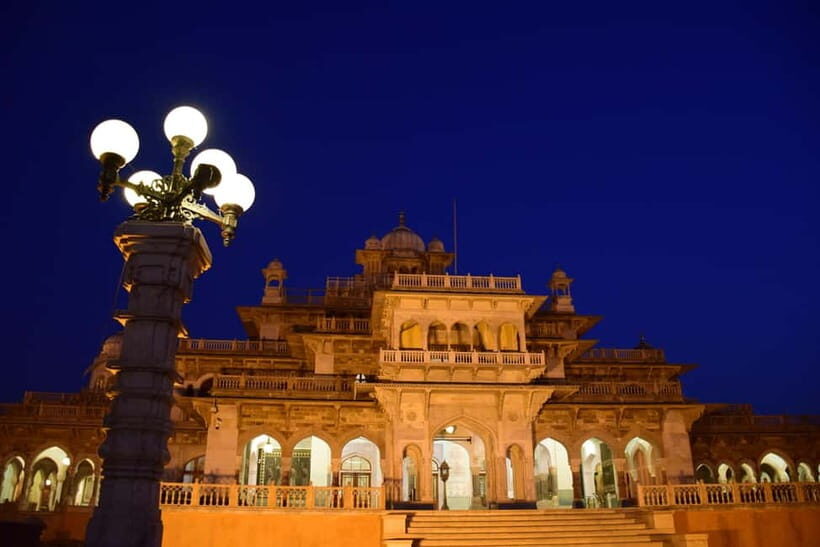
Delhi can feel like sensory overload. This tour turns that chaos into a plan you can actually follow. You get a private, live guide and a route you can adjust to your interests, whether you want the big monuments or the street-level stuff. In reviews, guides like Kamran and Diaz are praised for making sense of the neighborhoods, not just listing sights. The other thing I like a lot is the sense of comfort in motion—people report feeling respected and safe with the driver and guide working as a team. One drawback to plan for: it is a long day (about 7–8 hours), and there are extra costs that may not be covered in the base price, like meals, tips, and optional monument/entrance fees.
The itinerary itself is built for contrasts, with an Old Delhi morning and a calmer New Delhi finish. You’ll likely start with Chandni Chowk (including a short rickshaw ride) and move through major religious and historical stops like Jama Masjid and Raj Ghat. Then the day flips to places such as Akshardham, Bangla Sahib, India Gate/Rajpath, and ends around Lotus Temple. My only caution: lunch can be hit-or-miss depending on what the guide chooses that day, so you’ll want to state what you do and don’t want before you’re hungry.
In This Review
- Key Highlights You’ll Feel in Day-to-Day Travel
- Why This Old-and-New Delhi Plan Works in One Day
- Getting Picked Up Without Wasting Your Morning
- Old Delhi Morning: Chandni Chowk to Jama Masjid
- Raj Ghat and the Gandhi Memorial Pause
- Akshardham and Bangla Sahib: Modern Grandeur Meets Community Quiet
- Agrasen Ki Baoli: A Short Stop With Big Atmosphere
- India Gate, Rajpath, and Parliament Pass-By: Classic New Delhi Views
- Lodhi Garden and Lotus Temple: Finishing With Calm and Contrast
- Transportation, Time Management, and What the Schedule Feels Like
- What You Can Ask Your Guide Before You Go
- Price and Value: The Real Math Behind the Low Base Cost
- Should You Book This Delhi Old-and-New Tour?
- FAQ
- How long is the Delhi Old and New Delhi full day tour?
- Where can pickup happen and can I choose the pickup time?
- Is this tour private and guided?
- Are entrance fees included?
- What’s included in the price?
- Can I cancel and get a full refund?
Key Highlights You’ll Feel in Day-to-Day Travel
- You control the route: your guide shapes the day around your interests, not a rigid checklist
- Pickup flexibility: choose a pickup window between 8 AM and 10 AM, with pickup options across Delhi and nearby cities
- Old Delhi by street-level pace: Chandni Chowk with a rickshaw ride and a real feel for market life
- Major landmarks plus reflective stops: Jama Masjid, Raj Ghat, and Gandhi’s memorial area are part of the flow
- Spiritual Delhi in multiple faiths: Akshardham, Bangla Sahib, and Lotus Temple help you understand the city’s religious geography
- Optional monument fees: you can add monument fees so you don’t need to pay on the spot
Why This Old-and-New Delhi Plan Works in One Day
If you only have one day in Delhi, you need two things: good sequencing and smart pacing. This tour is designed around that reality. Old Delhi is where you’ll feel crowds, lanes, and markets, while New Delhi is where you get broad avenues, planned layouts, and the classic capital monuments. The best value here is that you’re not forced to spend your time on what doesn’t matter to you.
The private guide role matters more than you might think. With a group tour, you can end up standing around because you’re waiting for everyone else. With this setup, your guide can adjust the order and spend time where you actually look and ask questions. People also highlight that the guide and driver are coordinated—especially in rough weather—so you don’t lose your rhythm just because Delhi’s traffic turns chaotic.
One more reason I’d book this style of tour: it’s structured to mix iconic sites with a few stops that feel more personal. Agrasen Ki Baoli, for example, is short on time but memorable in mood. And Raj Ghat isn’t about sightseeing—it’s a moment to pause in a place that carries weight for many visitors, which helps break up the “constant moving” feeling of a big-city day.
You can also read our reviews of more tours and experiences in New Delhi



Getting Picked Up Without Wasting Your Morning
You can pick a pickup time between 8 AM and 10 AM, and pickup is offered from areas including Delhi, Noida, Gurugram, Ghaziabad, and Faridabad. That time window is important because Delhi’s heat can hit fast, and the earlier you start the more comfortable you’ll be. One practical tip: if you’re traveling in a hotter month, aim for the earlier end of the window.
The meeting point is listed near Sunehri Masjid on Nishad Raj Marg by Lal Qila in Old Delhi. In some cases, the day may end with a drop-off back to where you prefer within the Delhi/nearby-city area, but it’s worth confirming the exact end plan when you book.
This tour also uses a mobile ticket and is a private tour/activity, meaning it’s just your group (not a shared group in a big vehicle). That matters if you want photo stops, a quick break, or time to talk with your guide instead of hearing everything through the noise of a crowd.
Old Delhi Morning: Chandni Chowk to Jama Masjid
Old Delhi is where the city gets loud, close, and real. The tour typically starts by heading into Old Delhi, with a first stop at Chandni Chowk. The plan includes a short rickshaw ride through the market area, which is one of those travel moments you remember because it gives you motion, sights, and sound in a small space.
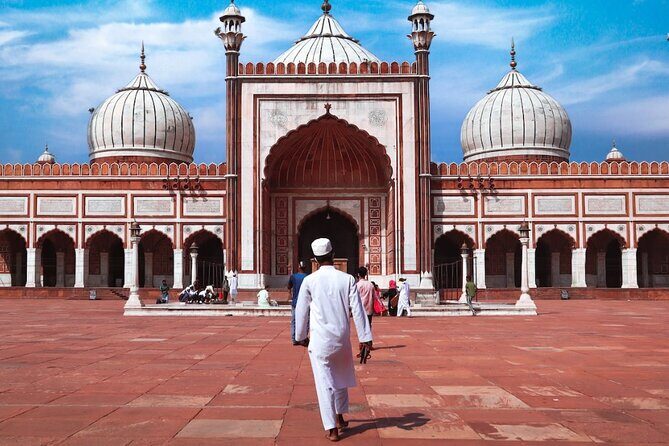
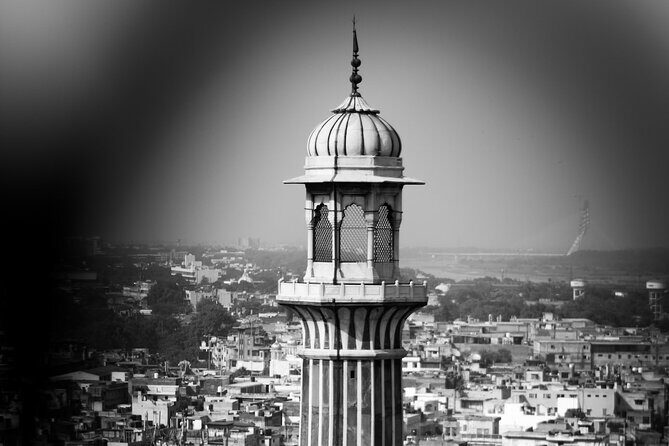
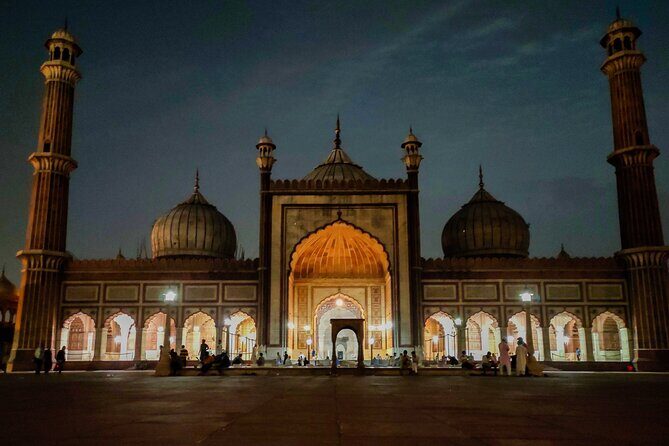
After Chandni Chowk, the next major stop is Jama Masjid. The itinerary lists admission for Jama Masjid as included for this tour. You’ll get about 30 minutes there—enough time to take in the scale and architecture, then move with purpose rather than getting stuck in a long stall of crowds.
This is one of the biggest advantages of a private guide: you don’t have to “figure it out” on your own. Jama Masjid can be visually overwhelming, and your guide can help you understand what you’re seeing without turning the day into a lecture. In reviews, people also mention guides taking good photos, so you’re not just rushing through just to capture a quick shot.
Raj Ghat and the Gandhi Memorial Pause
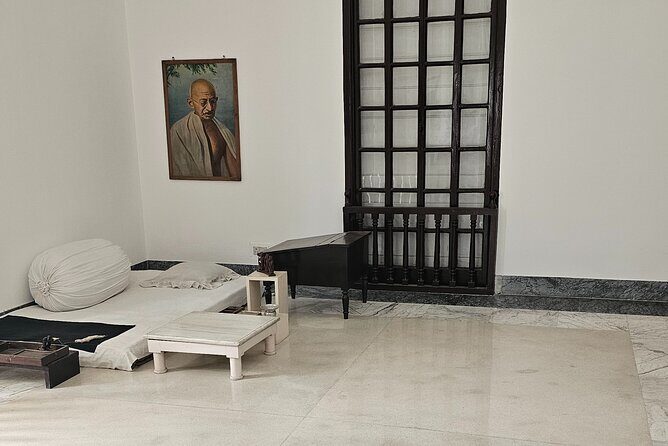
Next comes Raj Ghat, the memorial site of Mahatma Gandhi. The listed time is about 30 minutes, and the stop is marked as admission free in the plan.
This is the part of the day I’d protect with intention. It’s easy to treat memorials like another photo-op, but Raj Ghat works better if you slow down for a few minutes. Your guide can also help connect the stop to the wider history of India and the idea of non-violence—without making it heavy or overly academic.
After the energy of Chandni Chowk and Jama Masjid, Raj Ghat acts like a palate cleanser. It also helps you keep your day balanced, because the afternoon includes several religious and monumental stops that are visually striking. If you rush Raj Ghat, the rest of the day can start to feel like “checkpoints.” If you take it as a pause, the contrast makes more sense.
Akshardham and Bangla Sahib: Modern Grandeur Meets Community Quiet
By late morning, the itinerary typically includes Swaminarayan Akshardham. The listed stop length is about 1 hour. Akshardham is known for its dramatic, modern architectural approach, and for many first-time visitors it becomes an unexpected shift from Old Delhi’s texture.
After Akshardham, the tour moves to Gurudwara Bangla Sahib, which is listed as about 1 hour. The plan includes time to experience the Sikh temple atmosphere. Many tours like this one also highlight the idea of community space—your guide may point out how the temple operates as more than a landmark.
This section of the day is valuable because it helps you see Delhi as more than monuments. You’re watching how major religious sites function socially: worship spaces, public areas, and moments where visitors observe daily rituals and routines. If you like understanding a place through how people actually use it, this is where the tour delivers.
One practical note: these sites can involve walking and indoor/outdoor movement. Since the whole tour is about 7–8 hours, comfortable shoes matter.





Agrasen Ki Baoli: A Short Stop With Big Atmosphere
Then you get Agrasen Ki Baoli, listed for about 30 minutes. The tour description points to the steps and the historic rainwater-collection concept tied to the structure.
This stop is short, but it often lands well because it’s different from the major “grand” monuments. It feels more local and quirky, and your guide can usually help you read what you’re seeing—why the space was built the way it was, and how it fits into the area’s older Delhi story. It’s also a good spot to step away from the biggest crowds for a bit, depending on the time of day.
India Gate, Rajpath, and Parliament Pass-By: Classic New Delhi Views
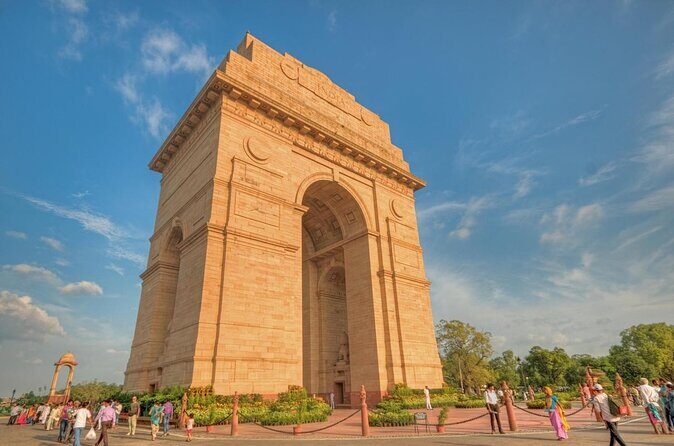
After the religious and heritage stops, the itinerary shifts to a drive past India Gate and along Rajpath. The listed time is about 30 minutes, with the day describing a drive past and a brief stroll along the greenery.
This part is more about perspective than deep entry tickets. It’s where you see Delhi’s “capital layout” and how wide spaces contrast with the narrow lanes of Old Delhi. Even if you don’t go inside buildings (the plan lists pass-by for some major government landmarks), the views help stitch the city together in your mind.
The tour also includes a pass-by of Rashtrapati Bhavan (President’s House) and Parliament House, each listed for about 30 minutes in the itinerary notes. Because this is a drive/passing segment, your time is mostly observational—so it’s best if you’re comfortable with the idea that some parts are about seeing the city’s scale.
If you’re the kind of traveler who loves symmetry, official buildings, and “postcard angles,” this is often a highlight.
Lodhi Garden and Lotus Temple: Finishing With Calm and Contrast
Next is Lodhi Garden, listed for about 30 minutes. The notes describe a heritage-walk style component with historical charm, narrow lanes, and references to ancient havelis. Since the stop name is Lodhi Garden but the description mentions Old Delhi lanes, you may want to treat this as a short walking-and-looking moment where your guide uses nearby streets/areas to connect the dots.
Finally, the day often ends at the Lotus Temple. The plan lists about 1 hour, with admission marked as free in the tour info.
Lotus Temple works well as a closing stop because it’s visually distinctive without being chaotic. By the time you get there, you’ve already been through heavy history, crowds, and religious sites. Lotus Temple gives you a calm ending: a chance to step back, slow down, and feel the day’s contrast rather than sprinting into the last minutes.
Transportation, Time Management, and What the Schedule Feels Like
Total duration is 7 to 8 hours, and the itinerary includes a mix of:
- short stops (about 30 minutes each)
- a couple longer site visits (about 1 hour each)
- drive-by segments where you’ll see big-picture views
This style is good if you want variety without wasting time. But it also means you won’t spend all day lingering at one place. If your goal is slow travel, this can feel fast. The upside is that the “customizable” promise is your safety net: if you care deeply about one site, your guide can likely adjust the plan.
Also, pay attention to the extra costs. The tour data shows meals and gratuities are not included. It also references suggested amounts in euros (meal/gratuity and tips), and it mentions monument/entrance fees may be added via an option. The tour summary is clear that you can choose to add monument fees so you don’t need to pay on the spot, but the exact approach depends on the option selected.
So the value equation looks like this: the base price can look very low, but your real spending will come from the day’s optional extras—especially if you want entrance fees included.
What You Can Ask Your Guide Before You Go
To get the best version of this tour, communicate clearly from the start. These are practical requests that match what the tour is built to do:
- Tell your guide your must-sees vs. skip list early, especially if Old Delhi lanes are not your thing
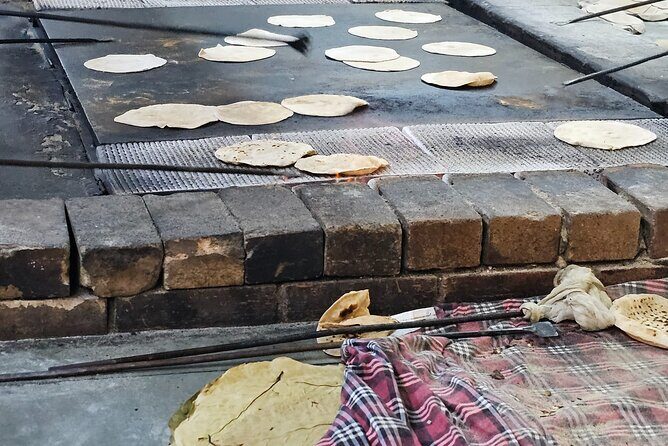
- If you have a food preference, ask how lunch will be handled and request a local option you’ll actually like
- If you want more photos, ask for small photo stops instead of longer pauses in traffic
- If you want small cultural add-ons (some guides have been reported arranging experiences like spice tasting and even henna when time allows), ask whether it can fit your schedule
This is also a good tour choice if you’re a solo traveler. Multiple reviews mention comfort and safety, including cases where a female guide was provided. That’s not a guarantee for every booking, but it does suggest the operator takes client comfort seriously.
Price and Value: The Real Math Behind the Low Base Cost
On paper, the price shows as $5.00 per person, and the tour is often booked about 24 days in advance. That kind of price looks like a bargain, but Delhi tours usually have extra spending layers, and this one does too.
What’s included (based on the provided details):
- pickup and drop-off within the supported area (depends on option)
- a personalized live guide
- transportation with parking, tolls, fuel, and taxes covered
- a water bottle
- some entrance fees depending on the selected option and the specific site
What’s not included:
- meals and gratuities
- tips
- monument/entrance fees are included only if you select that option
So the smart way to evaluate value is to treat the base price as covering the big machinery (driver, guide, vehicle, and key movements). Then you budget separately for meals, tips, and entrance fees if you want them handled in advance.
If you’re traveling with flexibility—meaning you’re happy to pay a few extra things when you decide you really want them—this tour can be a great way to see a lot in a single day without the stress of planning each stop.
Should You Book This Delhi Old-and-New Tour?
I’d book this tour if you want a one-day, private plan that mixes Old Delhi texture with New Delhi landmarks, and you like the idea that your guide can adjust the pacing to your interests. It’s especially strong for first-time visitors who don’t want to wrestle with logistics while trying to understand what they’re seeing.
Skip it (or at least ask more questions) if you hate long days or you strongly prefer a slow, unhurried pace at fewer places. Also, because meals, tips, and monument fees can add up depending on your choices, you should go into the day with a clear budget, not just the headline price.
If you do book, start early (8 AM if you can), tell your guide what you really care about, and plan to treat lunch as part of your strategy. Get that right, and this becomes one of the most efficient ways to see Delhi without feeling rushed or stranded.
FAQ
How long is the Delhi Old and New Delhi full day tour?
It runs about 7 to 8 hours.
Where can pickup happen and can I choose the pickup time?
Pickup is offered from Delhi and nearby areas including Noida, Gurugram, Ghaziabad, and Faridabad. You can choose a pickup time between 8 AM and 10 AM.
Is this tour private and guided?
Yes. It’s a private tour/activity with a personal live guide, and it operates for only your group.
Are entrance fees included?
The itinerary shows Jama Masjid admission as included, and many other stops are listed as admission ticket free. Entrance fees for monuments can also be included if you select that option, which helps you avoid paying on the spot.
What’s included in the price?
Included items are pickup and drop-off (depending on option), transportation with parking/tolls/fuel/taxes covered, a personalized live tour guide, and a water bottle.
Can I cancel and get a full refund?
Yes. Free cancellation is available, with a full refund if you cancel at least 24 hours before the experience’s start time.