REVIEW · AGRA
Agra: Create Your Own Itinerary – Private Tour & Transfer
Book on Viator →Operated by Kings Travels India · Bookable on Viator
A great Agra day shouldn’t feel rushed. This private tour is built for your pace, with a dedicated guide, pickup/drop-off, and an AC car doing the driving while you focus on the sights. I like the way the owner and guide treated safety as part of the plan, not an afterthought, and how the itinerary can flex if you want fewer stops or different priorities.
You get a practical mix of big icons and calmer Mughal-era sites: the Taj Mahal and Agra Fort for the wow factor, plus Itmad-ud-Daula and Jama Masjid for a more human scale. One possible drawback: monument entry fees may be extra, so you should confirm which sites’ tickets are covered before you go (the overall experience says entry fees aren’t included, even though the suggested stops sometimes list admission).
Finally, plan for a long day. This can run about 5 to 9 hours, and adding Fatehpur Sikri means more driving time and more walking in the heat.
In This Review
- Key highlights to know before you go
- How a private custom plan works in Agra
- Your included comfort: AC car, guide, water, and the driving handled
- Taj Mahal: plan for time, crowds, and the right entry approach
- Agra Fort: the fortress that explains Mughal power
- Itmad-ud-Daula (Baby Taj): the quieter beauty break
- Jama Masjid: Mughal design with a more local rhythm
- Fatehpur Sikri: a short visit to Akbar’s red city
- Money and ticket reality: why the cost isn’t the whole story
- Safety and flexibility: the human side that matters
- How to structure your day (so it doesn’t feel like a checklist)
- Who this private Agra tour is best for
- Quick FAQ
- FAQ
- How long is the Agra custom private tour?
- Is this tour private?
- Are monument entry fees included?
- What sites are typically included in the schedule?
- Is lunch included?
- Can I cancel for a full refund?
- Should you book this Agra private itinerary?
Key highlights to know before you go
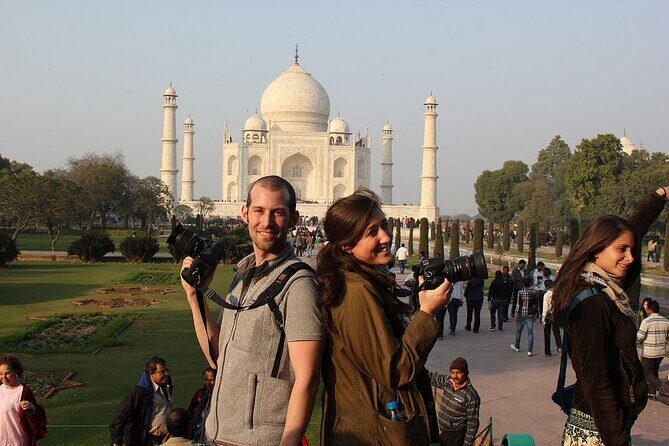
- Custom itinerary in real time: tell your driver/guide what you want, and adjust the order on the day.
- Comfort included: private AC car, pickup/drop-off, tolls, parking, and mineral water.
- Money-saver potential: group discounts are available if you travel with others.
- Big sights plus smaller stops: Taj Mahal, Agra Fort, Baby Taj, and Jama Masjid, not just one monument.
- Safety-minded local support: the guide (Lucky) and the owner emphasize staying on track and helping if issues come up.
- Fridays matter for Taj Mahal: the Taj Mahal is closed on Fridays.
How a private custom plan works in Agra

Agra can overwhelm you fast—ticket lines, crowds, touts, and the simple fact that everything is spread out. This tour’s main value is that you’re not stuck with a rigid route. You can create your own itinerary by suggesting attractions at booking or discussing it with the driver/guide on the day of travel.
That flexibility is more than convenience. It lets you match the day to your energy. If you’re camera-happy, you’ll likely want longer at the Taj Mahal. If you prefer architecture over crowds, you can spend relatively more time at Agra Fort, Itmad-ud-Daula (the Baby Taj), and Jama Masjid.
You’re also traveling with a professional guide, which matters in Agra. Even when you know the basics, a good explanation helps you spot what you’d otherwise miss—like how the Mughal style shifts from one era to the next.
You can also read our reviews of more private tours in Agra



Your included comfort: AC car, guide, water, and the driving handled
This experience is built around transportation and guidance, so you don’t spend your day negotiating logistics. You get pickup and drop-off, a private AC car for the entire tour activity, and all toll taxes and parking handled.
The mineral water bottle is small, but on an Agra day it’s one less thing to juggle. I also appreciate that the tour is positioned as private—meaning only your group participates—so you’re not squeezing your day between other people’s schedules.
One practical note: the tour is near public transportation, and most travelers can participate. That’s helpful if you’re moving around the city on your own before or after the tour, but you’ll still get the big benefit of a car for the monument hops.
Taj Mahal: plan for time, crowds, and the right entry approach
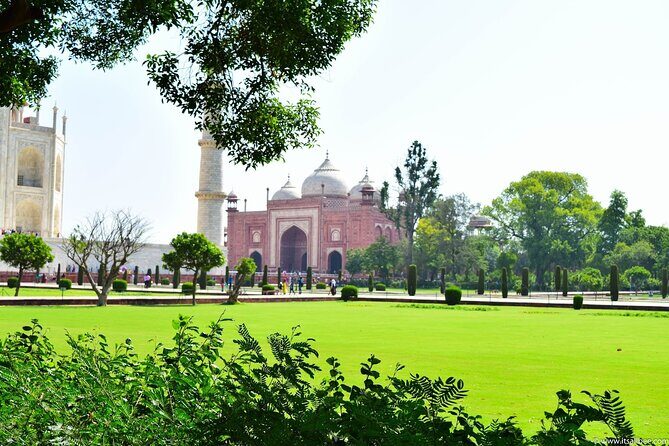
The Taj Mahal is why most people come to Agra, and it’s still the star of the show. Built by Mughal Emperor Shah Jahan in memory of Mumtaz Mahal and completed in 1653, it’s a UNESCO World Heritage Site and an instant lesson in Mughal ambition and craftsmanship.
In this kind of plan, you’ll typically spend around 3 hours at the Taj Mahal. That’s a smart amount of time because you’ll want room for photos, the main view areas, and the slow moments when you start noticing details like marble work and symmetry.
How to make it easier: buy tickets in advance if you can. The experience mentions that skip-the-line entry is possible with advance purchase, which is exactly what you want here. If you wait until you arrive, you may lose time to queues.
Also keep one critical detail in mind: the Taj Mahal is closed on Fridays. If your trip includes a Friday, you’ll need to swap stops and build your plan around that.
Agra Fort: the fortress that explains Mughal power
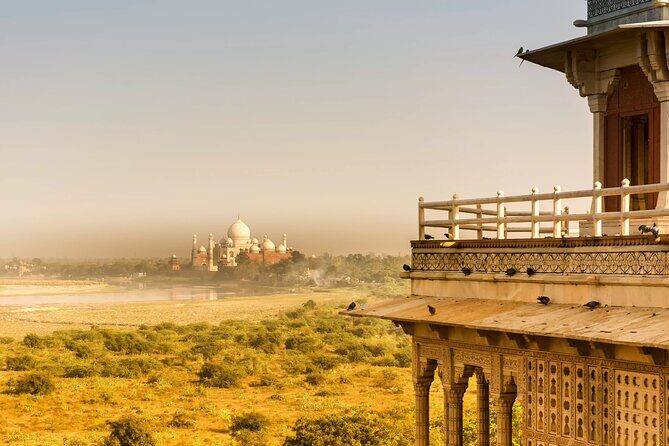
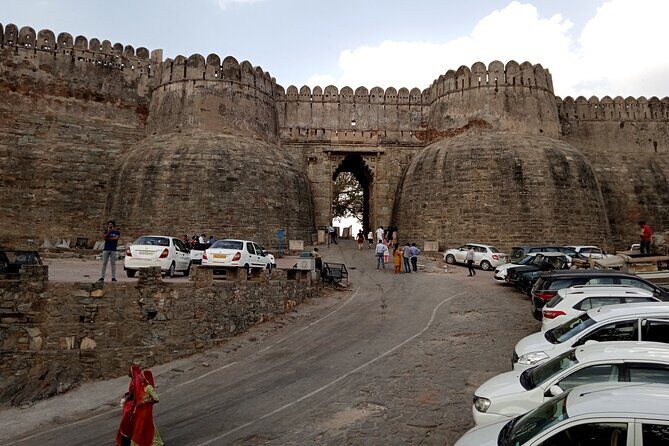
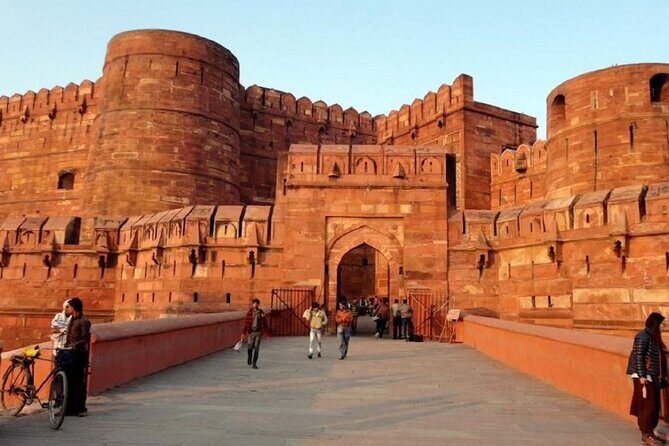
Right near the Taj Mahal (about 2.5 km away), Agra Fort gives you the military and political context behind the beauty. It’s another UNESCO World Heritage Site and was the main residence of Mughal emperors until the 18th century, so you’re not just looking at walls—you’re standing where power operated.
A typical stop here is about 2 hours. That time is enough to walk the key areas without rushing, especially if your guide points out what each section was used for. Forts can feel repetitive if you’re just reading signs, but with a guide you can start to “see” the logic of the complex.
Is there a drawback? You will be walking. Agra Fort isn’t just indoor viewing, and you’ll feel the sun if you’re there midday. If your itinerary is flexible, consider pairing this with a slightly later Taj Mahal visit or adjust the order to avoid the hottest part of the day.
Itmad-ud-Daula (Baby Taj): the quieter beauty break
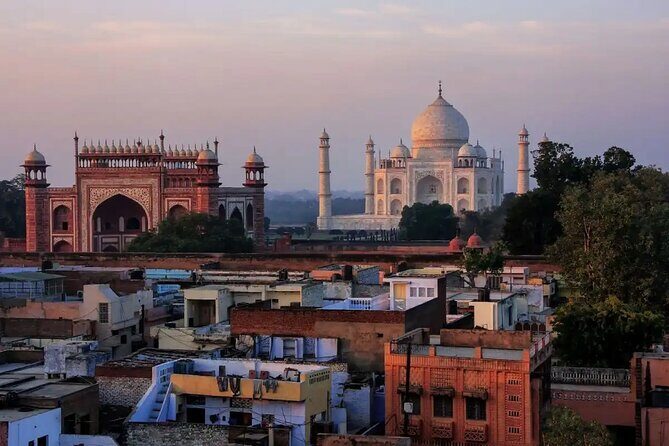
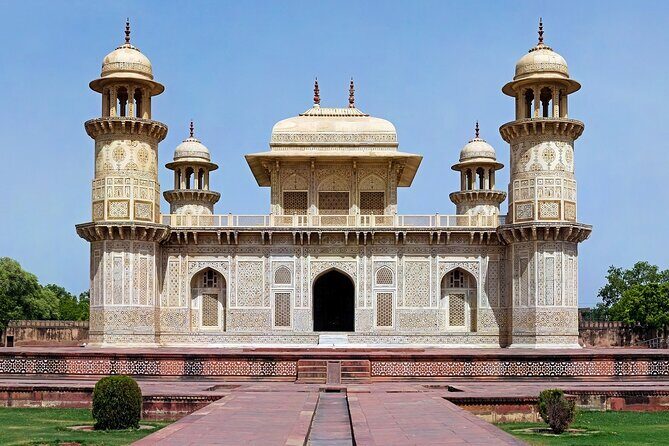
Itmad-ud-Daula—often called the Baby Taj—hits a different note. Instead of the full scale of the Taj Mahal, you get a smaller, more intimate Mughal mausoleum. It was built between 1622 and 1628 by Nur Jahan for her father, Mirza Ghiyas Beg, and it marks a shift in style, including the move from red sandstone toward white marble.
Plan for about 1 hour here. That’s a good target because it lets you enjoy the architecture and details without turning the day into a marathon. Baby Taj is also a strong “breather stop” if you’ve already had your fill of massive crowds and want a calmer mood.
One tip: if you’re an architecture fan, ask your guide to explain how the site’s style bridges periods. That’s the kind of insight that turns a fast photo stop into something you remember.
You can also read our reviews of more tours and experiences in Agra




Jama Masjid: Mughal design with a more local rhythm
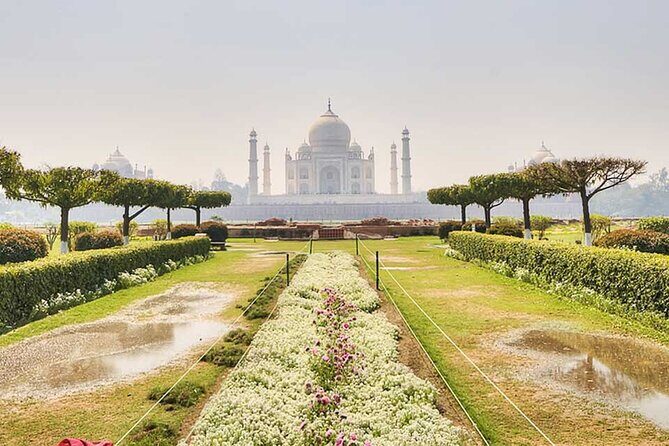
Jama Masjid in Agra is a beautiful example of Mughal architecture built in 1648 by Shah Jahan’s daughter, Jahanara Begum. Made of red sandstone with white marble inlays, it’s got the grandeur of a major religious site—but it also tends to feel more grounded than some of the surrounding tourist magnets.
You’ll usually spend about 1 hour here. That timing works because you can explore the key areas, look closely at the domes and the prayer hall layout, and still keep your day on schedule.
If you’re sensitive to crowd levels or want variety in your itinerary, this is a solid choice. It breaks up the day between the Taj Mahal’s peak fame and the other monumental stops.
Fatehpur Sikri: a short visit to Akbar’s red city
Fatehpur Sikri is a UNESCO World Heritage Site near Agra and was built by Emperor Akbar in the 16th century. It served as the Mughal capital for a short time, and the site reflects a blend of Hindu and Islamic influences—exactly the kind of historical mixing that makes Mughal India so interesting.
In this tour plan, Fatehpur Sikri is listed as about 2 hours, and it’s noted as free in the suggested schedule. Even if you’re not paying entry fees for the stop itself, you’ll still want to budget time for walking and settling into the site.
The main consideration is logistics: Fatehpur Sikri adds driving and can extend your day closer to the upper end of the range. If you’re only doing a single long outing in Agra, this can be worth it. If you’re already committed to Taj Mahal plus Fort plus multiple mausoleums, you might prefer to keep Fatehpur Sikri optional and let the guide adjust.
Money and ticket reality: why the cost isn’t the whole story
The price listed is $3.97 per person, which is strikingly low for a private setup. Here’s why it can still make sense: you’re not just buying walking time through monuments. You’re getting a private AC car, pickup and drop-off, a professional guide, mineral water, and coverage for tolls and parking.
That said, the experience also notes that monument entry fees are not included. Meanwhile, the suggested stops sometimes mention admission tickets included. That mismatch can happen in different ways of packaging. For you, the practical move is simple: confirm entry-fee coverage for each monument during booking.
One more cost factor: lunch isn’t included. If you’re prone to getting hangry (and in Agra, you might), plan a meal stop yourself or ask the guide to help you time food breaks without wasting sightseeing hours.
Safety and flexibility: the human side that matters
The best part of this kind of private tour isn’t just the monuments. It’s how you feel while you’re there.
In one of the standout experiences, the owner made it clear that safety in Agra was important, both during the tour and outside it, and there was confidence that help would be available if someone got into a bind. That’s not a small thing. Agra can be chaotic at street level, and having people who take your wellbeing seriously changes the vibe of the day.
Guide Lucky is specifically called out for being flexible with destinations and informative about what you’re seeing. That combination is ideal: you can adjust the order without losing context, and you still get explanations that make the stops click.
How to structure your day (so it doesn’t feel like a checklist)
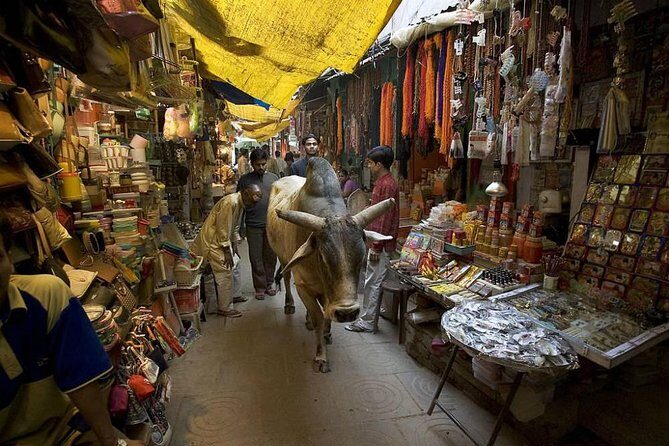
A great custom tour works when you decide what matters most to you. Use the suggested stops as a menu, not a mandate. The plan mentions other options like Mehtab Bagh and local markets or artisan shops. You don’t need to do everything.
Here are three simple ways to shape it:
- Classic Mughal highlights: Taj Mahal, Agra Fort, Itmad-ud-Daula, then Jama Masjid.
- Architecture-focused: Baby Taj and Jama Masjid get more time, Taj Mahal is timed for the best light, and Fort is kept to the essentials.
- Culture + scenery day: add Fatehpur Sikri and include a market/artisan stop if your energy holds out.
If you want the most satisfying day, don’t overbook the last hour. Save some room for travel time back and a relaxed wrap-up rather than sprinting to the car.
Who this private Agra tour is best for
This is a strong fit if you want:
- a private guide and a calmer pace than large group tours
- the flexibility to swap sites based on your interests
- comfort and less hassle thanks to an AC car and pickup/drop-off
It might be less ideal if you’re trying to minimize costs to the absolute minimum. The price looks great on paper, but entry fees and lunch are separate, and a longer day means more time on your feet.
It also helps if you’re comfortable planning around the Taj Mahal’s Friday closure. If your schedule has a Friday, treat it as a planning constraint, not a surprise.
Quick FAQ
FAQ
How long is the Agra custom private tour?
The tour runs about 5 to 9 hours, depending on which stops you choose and how your day is paced.
Is this tour private?
Yes. It’s a private tour/activity, so only your group participates.
Are monument entry fees included?
Monument entry fees are listed as not included, though the suggested stops may mention admission tickets. Confirm ticket coverage for each site when booking.
What sites are typically included in the schedule?
Common stops are Taj Mahal, Agra Fort, Itmad-ud-Daula (Baby Taj), Jama Masjid, and Fatehpur Sikri (also suggested as a free stop in the plan).
Is lunch included?
No. Lunch is not included.
Can I cancel for a full refund?
Yes. You can cancel up to 24 hours in advance for a full refund.
Should you book this Agra private itinerary?
Yes, if you want an Agra day that feels organized but not scripted. The combo of private AC transport, a guide, and real itinerary flexibility is exactly what makes monument days less stressful. I’d book it especially for Taj Mahal + Fort days, with Baby Taj and Jama Masjid as the best “second tier” stops to round out the story.
Just do two small checks before you go: confirm how ticket fees are handled for each monument, and plan around the Taj Mahal’s Friday closure. Get those right, and you’ll have a strong, value-packed day where you control the pacing instead of fighting the logistics.