REVIEW · NEW DELHI
8-Day Golden Triangle & Varanasi Tour: Culture, Heritage & Faith
Book on Viator →Operated by Holiday Tours And Travels · Bookable on Viator
This tour squeezes India’s big signals into a tight, logical route. You get the Golden Triangle classics (Delhi, Agra, Jaipur) plus Varanasi’s spiritual heart with the Ganges at dawn and the Ganga Aarti at Dashashwamedh Ghat.
I especially like how the itinerary includes both Old Delhi on foot and New Delhi’s monumental sights in the same trip. I also like that you’re not just staring at monuments—you’re also riding a boat on the Ganges early in the morning, which changes how you understand Varanasi. The one drawback to plan for: it’s a long day-to-day schedule with two overnight train rides, so your comfort level with sleeper travel matters.
This is a strong fit if you want one guided package that covers a lot of ground—and you’re okay with skipping some flexibility for the sake of hitting the highlights.
In This Review
- Key Things to Know Before You Go
- The Golden Triangle + Varanasi Pace: What It Feels Like
- Day 1 Delhi: Old Delhi Walking Tour (Your Fast Orientation)
- Day 2 New Delhi: Birla Temple, India Gate, Humayun’s Tomb
- Overnight Trains: The Deal and the Reality Between Cities
- Day 3 Varanasi: Dashashwamedh Ghat and the Ganga Aarti
- Day 4 Varanasi: Ganges Tour and Sunrise Boat Ride
- Day 5 Agra: Taj Mahal Time in a Tight Schedule
- Day 6 Fatehpur Sikri to Jaipur: Akbar’s 16th-Century Stop
- Day 7 Jaipur: Amber Fort Palace and the Pink City Circuit
- Day 8 Back to Delhi: A Clean Finish
- Price and Value: Is $770 Fair for What You Get?
- Comfort, Food, and Small Tips That Make This Easier
- Should You Book This 8-Day Golden Triangle and Varanasi Tour?
- FAQ
- What cities are covered on this tour?
- How many days is the tour?
- Is airport or station pickup included?
- Are transfers and sightseeing done by air-conditioned vehicle?
- Is the Ganga Aarti included?
- Is the sunrise boat ride on the Ganges included?
- Are local English-speaking guides included?
- Is breakfast included, and are meals included in the price?
- Can I get a refund if I cancel?
Key Things to Know Before You Go
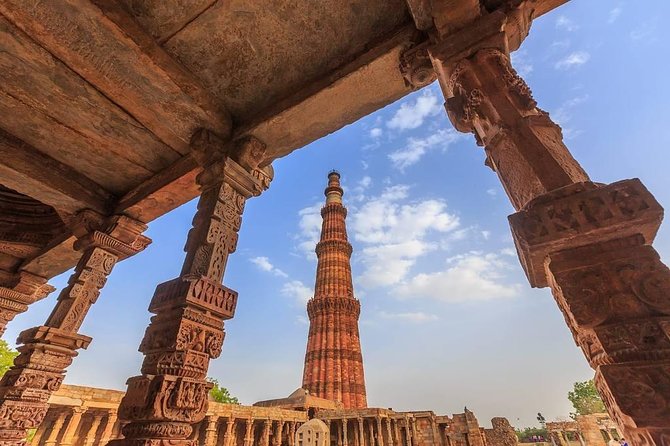
- Private vehicle transfers: you’re traveling by air-conditioned car for sightseeing and city-to-city legs.
- Two overnight trains with sleeping beds: saves some daytime travel time, but it’s still train time.
- Ganga Aarti at Dashashwamedh Ghat: a signature evening ritual, with the admission ticket not included.
- Local English-speaking guides in Agra and Jaipur only: Delhi and Varanasi rely more on representatives/your general tour structure.
- Breakfast included for 5 mornings: lunches and dinners are on you.
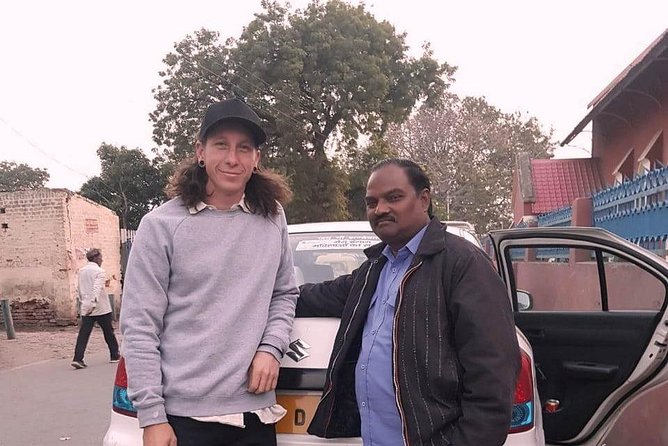
- Showkat Wani and attentive driving: the experience is organized with named support and a strong focus on smooth logistics.
The Golden Triangle + Varanasi Pace: What It Feels Like
Eight days is not a lot of time for four major hubs, so this tour runs on smart sequencing. You’ll start in Delhi with orientation, move to Agra for the Taj Mahal, continue by road to Jaipur (via Fatehpur Sikri), and then cap it with Varanasi’s river life and rituals.
The trade-off is speed. You’ll see a lot, but you won’t have long, slow afternoons everywhere. If you like to linger in markets, revisit temples, or take extra photo stops without a timetable—this route may feel a bit scheduled. If you like clear structure and “do the must-sees with less hassle,” it’s a good deal.
You can also read our reviews of more tours and experiences in New Delhi.



Day 1 Delhi: Old Delhi Walking Tour (Your Fast Orientation)
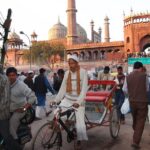
After you arrive in Delhi, you’ll get a meet-and-greet and a transfer to your hotel. The next move is a walking tour of Old Delhi, focused on streets and bazaars. This is a smart first day because Old Delhi’s layout is easier to understand once you’re already on foot, not just looking at it from a car.
Old Delhi walking tours also help you adjust to the pace and texture of the city. You’ll get your bearings on where things cluster—temples, market lanes, and busy street life—so later stops make more sense.
Practical consideration: Old Delhi walking means you’ll want comfortable shoes and patience for crowd density. You’ll also be walking in areas where shops and street activity can be intense, so plan to pace yourself and keep water handy.
Day 2 New Delhi: Birla Temple, India Gate, Humayun’s Tomb
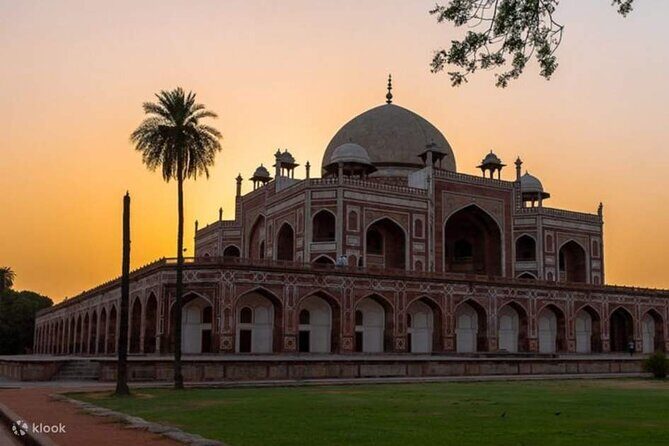
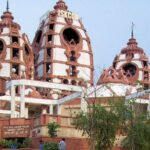
Day 2 shifts to New Delhi for a full-day sightseeing sweep. You’ll visit Birla Temple, India Gate, and government-area highlights including President House and Parliament House. The day also includes Humayun’s Tomb, a major Mughal-era monument that helps you connect Delhi’s architecture to what you’ll see later in Agra.
What I like about this day is the balance. It’s not only “big famous buildings.” You get a mix of spiritual space (Birla Temple), national symbolism (India Gate and the Parliament area), and historic Mughal design (Humayun’s Tomb).
One planning note: some of these government-area stops can have tight security and changing access rules. Even if you don’t spend long inside every site, the overall circuit helps you understand why Delhi is both political capital and deep historical center.
Overnight Trains: The Deal and the Reality Between Cities
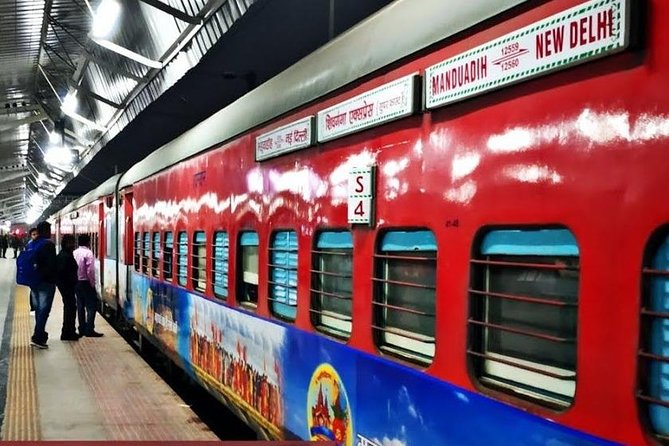
This tour includes two overnight air-conditioned train journeys with sleeping beds for the Delhi–Varanasi–Agra routing. That’s not a small detail. Trains are part of the value here because they compress travel time—so you arrive in the next city ready to sightsee instead of burning a full day moving.
The reality check is comfort. Sleeper travel can be fine if you’re flexible and you pack for it (earplugs, water, a light layer). If you’re a light sleeper or you hate the idea of moving at night, this can feel like the hardest part of the itinerary.
Still, if you’re comfortable with train travel, it’s one of the smarter ways to keep an 8-day plan from turning into an exhausting nonstop road trip.
Day 3 Varanasi: Dashashwamedh Ghat and the Ganga Aarti
On arrival in Varanasi, you’re picked up from the train station and transferred to your hotel. After a chance to rest, you’ll head out for sightseeing. Then the evening highlight is the Ganga Aarti at Dashashwamedh Ghat.
This part is where Varanasi becomes more than a destination. The Aarti is a synchronized riverside ritual with fire, chanting, and music, done in a place where the river is part of daily life—not just scenery. It’s also an intense sensory experience: light from lamps, incense in the air, and a crowd that feels very focused on the ritual.
Important detail: the Ganga Aarti admission ticket is not included. The experience includes you witnessing it at Dashashwamedh Ghat, but you should plan to pay that separate cost.
If you’re photographing, be ready for conditions that change fast—flame light is dramatic, but it also means tricky exposure. If you’re sensitive to crowds, arrive calmly and give yourself a few minutes to settle.

Day 4 Varanasi: Ganges Tour and Sunrise Boat Ride
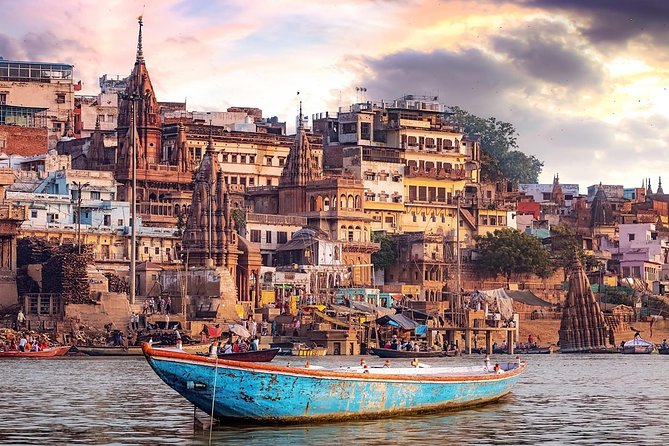
Day 4 starts early with a Ganges tour and a boat ride, designed around early morning river life. The itinerary specifically points to sunrise views on the Ganges, which is the right time for understanding what makes Varanasi different.
Early morning helps in two ways. First, the light is gentler and the river looks less harsh than later in the day. Second, the city’s routines feel more exposed—activity near the ghats, people moving through morning rituals, and that everyday sense of faith and water being tied together.
This is one of those experiences where “what you see” matters, but “how you feel while watching” matters just as much. If you want Varanasi in a single day that doesn’t just scratch the surface, the boat + sunrise plan is the strongest choice on the schedule.
A practical note: mornings on the river can feel cooler than you expect, then warm up quickly. Bring a layer you can toss in your bag.
Day 5 Agra: Taj Mahal Time in a Tight Schedule
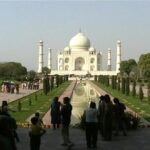
After arriving in Agra by train, you’ll be met and taken to your hotel, then go out for sightseeing. The headline is a visit to the Taj Mahal.
Here’s why I think this works: the Taj Mahal is easiest to appreciate when you treat it like a full sensory experience, not a quick checklist stop. You’ll have time built into the day for the main sightseeing before returning to your plans for the evening.
One consideration: Taj Mahal days can come with crowds and strong midday heat depending on timing. This tour doesn’t spell out exact entry times here, so you’ll want to be ready for early or mid-day conditions and plan accordingly—water, a hat, and comfortable walking shoes.
Also, the tour notes local English speaking guide in Agra. That’s helpful because the Taj Mahal’s details—materials, design choices, and symbolism—are the difference between seeing it and understanding it.
Day 6 Fatehpur Sikri to Jaipur: Akbar’s 16th-Century Stop
Day 6 begins after breakfast with a drive to Jaipur. En route you visit Fatehpur Sikri, described as Akbar’s built capital and palace complex in the 16th century. Then you continue to Jaipur and check in.
Fatehpur Sikri is a perfect “in-between” stop. It breaks up the monotony of long travel and adds depth to your Mughal timeline before you hit Jaipur’s major fort and city sights.
You’ll want to bring your walking stamina here. This is the kind of historic site where you’ll naturally look upward, wander across open areas, and slow down to take in details. Even if you don’t climb every level, it’s still a good amount of on-foot time.
Then you reach Jaipur, which shifts the mood again—more forts, more color in the city streets, and a very strong sense of place.
Day 7 Jaipur: Amber Fort Palace and the Pink City Circuit
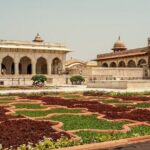
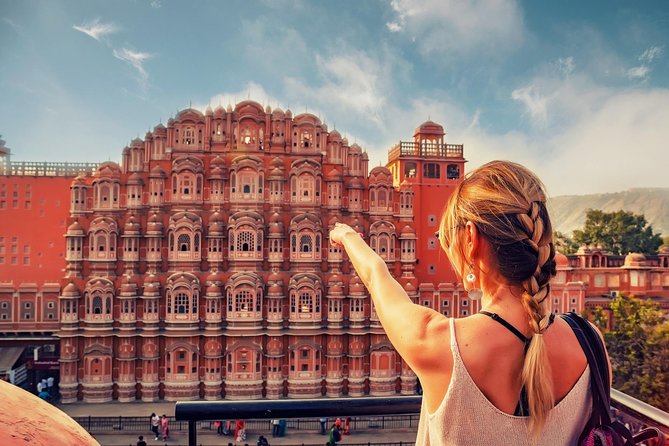
The day starts with a tour of Amber Fort Palace. This is one of Jaipur’s signature sights, and the itinerary frames it as the classic, romantic fort palace with a magnificent aura. Then you continue with a city tour that includes Jaipur’s Pink City areas.
I like this day because it’s built around two layers: first the fort complex (big views, heavy history, impressive fort architecture), then the city streets (the everyday scene that makes Jaipur feel lived-in, not staged).
Also, Jaipur has a local English speaking guide included. That matters because forts and city layouts can be confusing without context. With a guide, you’re more likely to catch why the fort is placed where it is and how the city function connects to the palace.
Practical tip: fort complexes usually mean stairs, slopes, and uneven surfaces. Wear shoes that can handle it, and plan for sun exposure.
Day 8 Back to Delhi: A Clean Finish
On the final morning, you drive back to Delhi for your onward journey. This ending is practical: it avoids the problem of getting stuck too far from an airport or train station on the last day.
Since the tour ends in Delhi, it also makes it easier to attach extra days on your own if you want. Maybe you want more time for museums, food areas, or more Old Delhi wandering—this schedule leaves you room to do that without feeling like you rushed the entire trip.
Price and Value: Is $770 Fair for What You Get?
At $770 per person for an 8-day route, this tour earns its money by packaging three expensive challenges: transportation across multiple cities, overnight travel, and guided sightseeing.
Here’s what’s included that drives value:
- 5 nights accommodation (twin/double/triple sharing) with breakfast
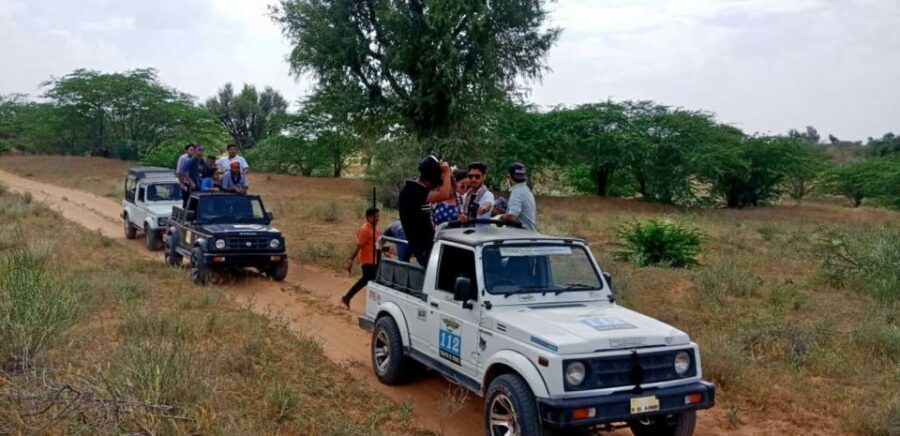
- All transfers and sightseeing by private air-conditioned vehicles
- Arrival/departure and sightseeing in Delhi
- Boat ride in Varanasi plus Varanasi arrival/departure support
- Two overnight train journeys with sleeping beds (a big cost and time saver)
- Local English-speaking guides in Agra and Jaipur
- All applicable taxes
What’s not included:
- Lunch, dinner, snacks, drinks
- Tips
- Travel insurance and personal expenses
- Ganga Aarti admission ticket
So the real question isn’t just the sticker price. It’s whether you’re comfortable paying separately for meals and a couple add-ons while letting the tour handle the hard part: moving you safely and efficiently between Delhi, Agra, Jaipur, and Varanasi.
If you’re trying to keep planning simple, this pricing looks reasonable. If you prefer to control every meal and entry detail yourself, you might find the “not included” items add up a bit.
Comfort, Food, and Small Tips That Make This Easier
A few practical pointers based on how this itinerary is structured:
- Start early when the day says early. Ganges sunrise moments and river rituals depend on timing.
- Bring layers for Varanasi mornings. Cool early, warm later is common.
- Pack for train sleep. The overnight sleeper journeys mean you’ll live out of a bag for those nights.
- Plan modest clothing for temples and river rituals. You’ll be walking in religious spaces.
- Carry water and sun protection. Delhi and Agra/Jaipur days can get intense.
On meals: only breakfast is included (5 breakfasts). Lunch and dinner are on you, so you’ll want to build a daily budget. The good news is that this tour’s sightseeing focus means you’re not stuck eating long restaurant meals—you’ll often be moving.
Should You Book This 8-Day Golden Triangle and Varanasi Tour?
I’d book this tour if:
- You’re a first-time visitor who wants big highlights without complicated planning
- You want both monuments and faith (Taj Mahal and Ganga Aarti)
- You’re okay with overnight sleeper trains as part of the route
- You value private air-conditioned transfers and a guide presence in Agra and Jaipur
I would hesitate if:
- You dislike train sleep or think you’ll be miserable on sleeper berths
- You want long free time in each city instead of a tight schedule
- You really want guides in every city in English, not only in Agra and Jaipur
If your goal is a strong first pass through India’s history and spirituality—done in one coordinated package—this is a solid choice.
FAQ
What cities are covered on this tour?
This tour covers Delhi, Agra, Jaipur, and Varanasi.
How many days is the tour?
The tour runs for 8 days.
Is airport or station pickup included?
Yes. You’ll have a meet-and-greet and transfer on arrival at the Delhi airport/train station, and you’ll also be picked up in cities where you arrive by train.
Are transfers and sightseeing done by air-conditioned vehicle?
Yes. The tour includes all transfers and sightseeing by private vehicle air-conditioned vehicles.
Is the Ganga Aarti included?
You’ll witness the Ganga Aarti at Dashashwamedh Ghat. However, the Ganga Aarti admission ticket is not included.
Is the sunrise boat ride on the Ganges included?
Yes. The tour includes a boat ride in Varanasi, tied to the early-morning Ganges tour.
Are local English-speaking guides included?
Local English-speaking guides are included in Agra and Jaipur only. The itinerary also includes representatives for transfers and city support.
Is breakfast included, and are meals included in the price?
Breakfast is included for 5 mornings. Lunch, dinner, snacks, and drinks are not included.
Can I get a refund if I cancel?
No. The experience is non-refundable and cannot be changed for any reason. If it’s canceled due to poor weather, you’ll be offered a different date or a full refund.