REVIEW · JAISALMER
1 night 2 days Thar Desert Experience Jaisalmer
Book on GetYourGuide →Operated by Tokyo desert camp Jaisalmer · Bookable on GetYourGuide
A desert night can change your pace. This Jaisalmer Thar Desert Experience sends you away from the city for a hands-on camel safari and a quiet night under a sky full of stars, with Kuldhara and Khaba Fort stops before the dunes. I love that you get two camel riding moments, not just a quick photo stop, and I love the fact that dinner and breakfast feel made-by-locals, not packaged. One thing to consider: the trip goes into the deep desert, so it is not ideal if you’re very unwell or have major mobility limits.
The vibe is simple and honest: dune time, tea and snacks, gypsy-style music and dance, and then sleeping outside with sunrise on the agenda. The crew is also the real support system here, and one host named Eli came up in a review for helpfulness. If you hate early mornings or you don’t like long stretches without city comforts, plan for that going in.
In This Review
- Key highlights worth your time
- Kuldhara and Khaba Fort: the cultural start before the sand
- The camel safari rhythm: two rides that make it feel real
- Desert tea, coffee, and the timeline of sunset
- Gypsy music, guided desert time, and off-road fun
- Sleeping outside in the Thar: stars, sunrise, and what to wear
- Meals and water: what’s included, and why it affects comfort
- Value for money: why $40 can feel like a bargain here
- Best fit: who this Thar Desert camel safari suits
- Should you book the Tokyo Desert Camp Jaisalmer Thar safari?
- FAQ
- FAQ
- How long is the Thar Desert Experience from Jaisalmer?
- What is the price per person?
- What stops are included during the trip?
- How many camel safari rides do you get?
- What meals and drinks are included?
- Does the camp include time for sunset and stargazing?
- What language is the tour guide?
- What should I bring?
- What is not allowed during the experience?
- Who is this not suitable for?
Key highlights worth your time
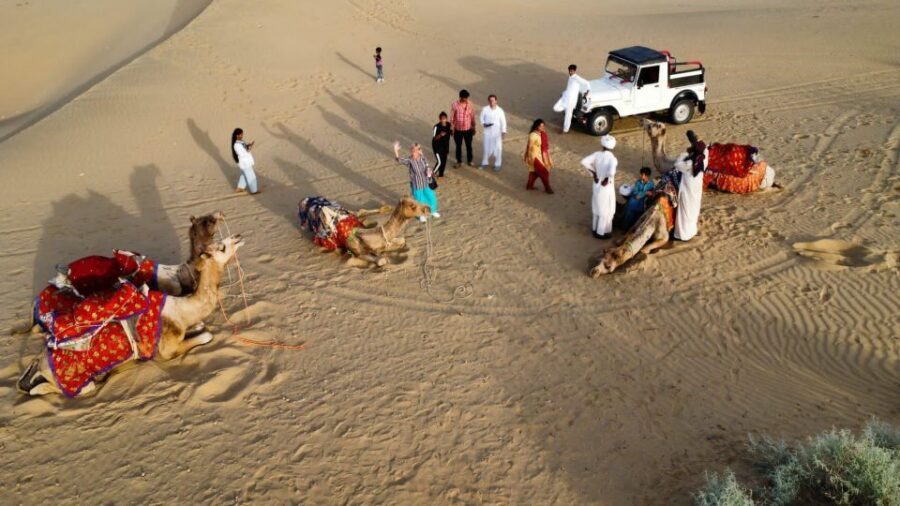
- Two camel safari rides that actually let you feel the pace of the desert
- Kuldhara and Khaba Fort for a cultural warm-up before the dunes
- Unlimited mineral water bottles plus tea, desert chips, and local snacks
- Dinner and breakfast on-site, paired with a proper night-sky camp setup
- Sunset and sunrise timing that makes the whole night feel worth it
- Gypsy house and performances for atmosphere beyond just sand and photos
Kuldhara and Khaba Fort: the cultural start before the sand
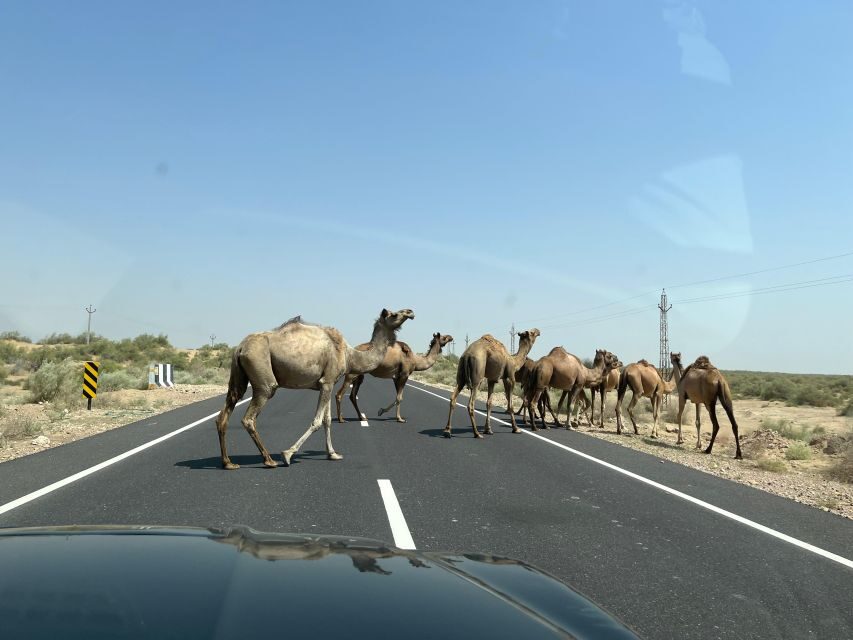
Your 2-day journey begins with pickup that depends on your selected option, then a Jeep or SUV ride (about 45 minutes) toward the desert route. Right away, this tour does something smart for your day. You don’t jump from city life straight into sand time. You get context first.
Next comes Kuldhara, with a short sightseeing stop (around 20 minutes). Kuldhara is one of those places that gives you the feeling that the desert has stories behind it. Even in a brief visit, it helps you understand why this region feels so different from a typical day trip: you’re moving through a landscape where history and legend still color how people talk about the area.
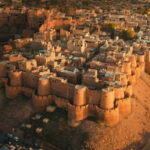
Then you hit Khaba Fort (another ~20 minutes). Think of it like a quick visual “stretch” for your eyes. Fort walls and desert light mix in a way that makes photos look more dramatic than you expect. The short time here is intentional too; you’re not wasting your day inside a slow schedule.
Possible drawback: these stops are brief. If you’re the type who wants long guided museum-style explanations, this part will feel more like a scenic introduction than a deep education.
You can also read our reviews of more evening experiences in Jaisalmer
The camel safari rhythm: two rides that make it feel real
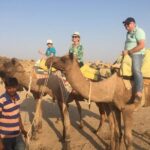
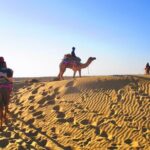
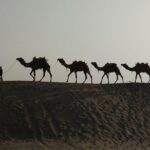
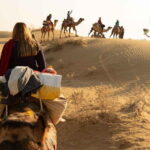
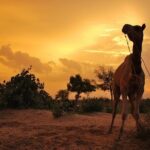
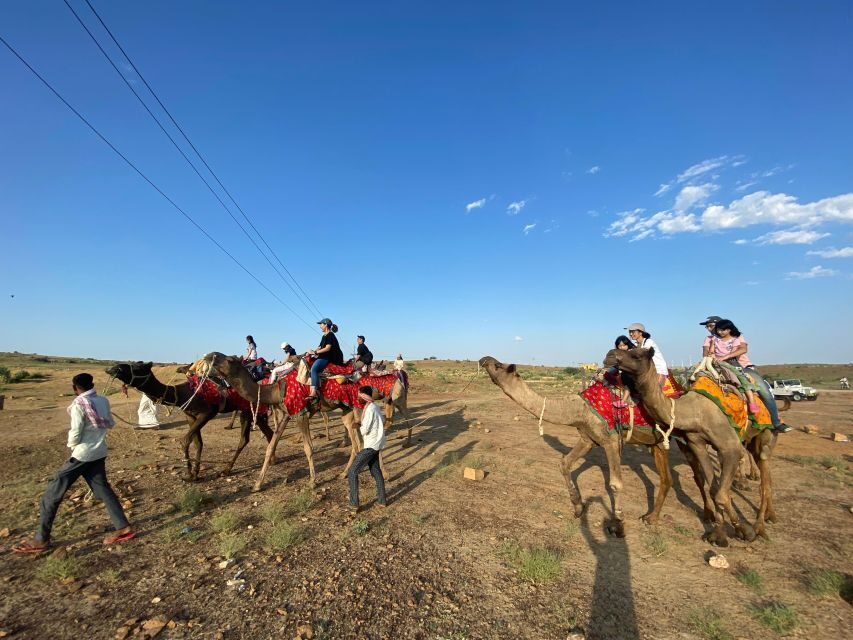
Here’s the main reason most people sign up: the camel safari. Your day in the desert includes breaks, photo stops, and sightseeing time, but the centerpiece is the slow, physical rhythm of camel riding. The highlights call out camel safari x2, and that matters. Two riding sessions spread the experience out, so you’re not mentally overloaded after one long push.
When you’re on the camel, you’re not just sitting. You’re adjusting to the movement, watching dunes stretch out, and feeling how the desert changes sound. One review notes the “ship of desert” feeling, and that lines up with what you’ll notice in motion: the wind and the shifting sand are part of the soundtrack.
This is also where the tour leans into a more personalized, “non-touristic” style. The idea is that your safari is customized with comfort and safety in mind, instead of being a rushed conveyor belt.
My practical tip: if you get motion-sensitive, take it easy between rides. Water and breaks are included, but you still want your body to reset before you climb back on.
Desert tea, coffee, and the timeline of sunset
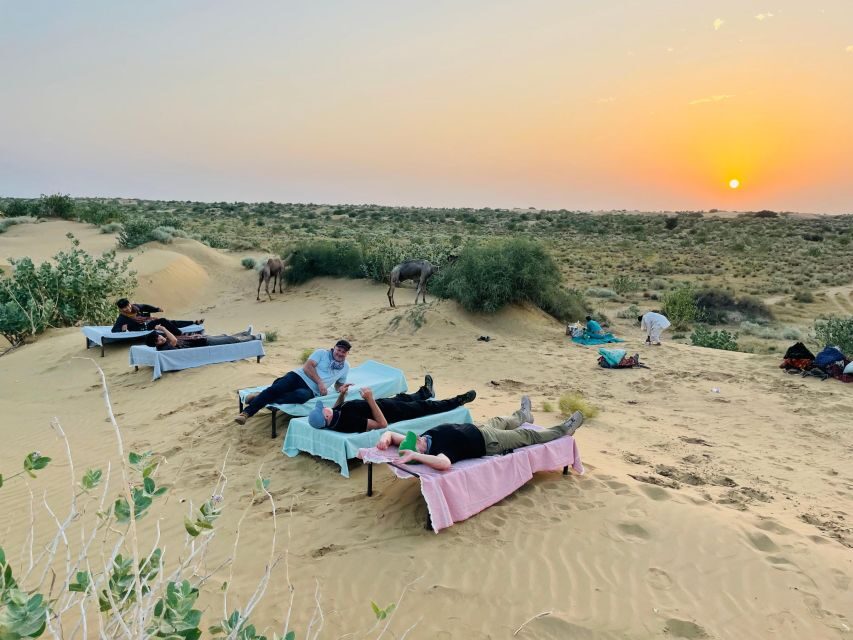
Once you reach the Thar Desert area, the schedule turns into a mix of “small moments” that add up. You’ll have break time and photo stops, plus time for coffee and tea, breakfast, and dessert before the night.
This portion is valuable because it stops the desert from feeling like a long waiting game. You’re moving, pausing, and eating at the right moments, so you’re not just dragging through heat until it cools down.
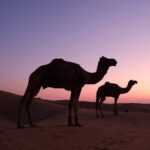
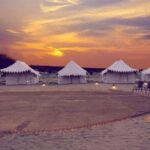
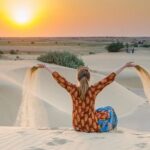
Sunset is the big event. The experience is described as having spreading sunset views and sky full of stars later, and the itinerary includes sunset and evening activity as part of the desert plan. In practical terms, sunset is when the dunes start looking soft instead of harsh, and that is when you’ll want your camera ready.
One Japanese review also mentioned adding sunglasses and noting strong daytime heat. That tracks with how sunlight works out here. Plan for a bright day even if mornings feel mild.
Gypsy music, guided desert time, and off-road fun
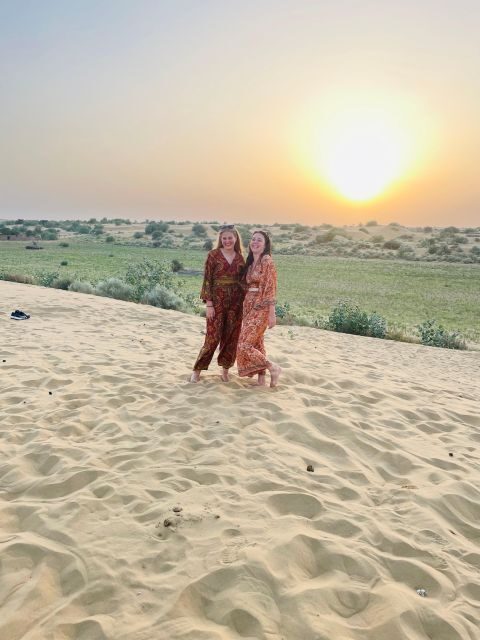
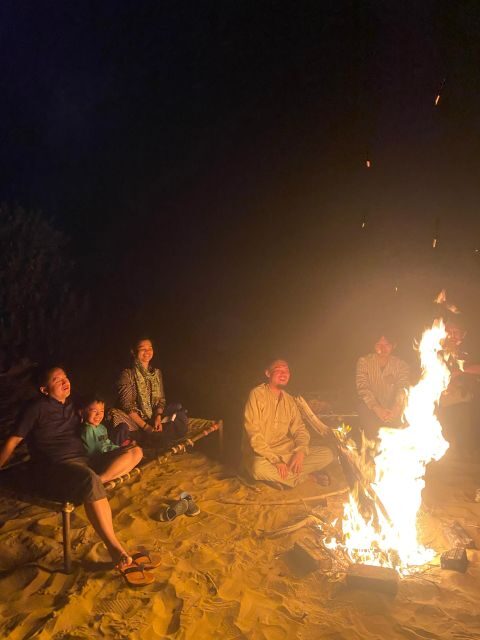
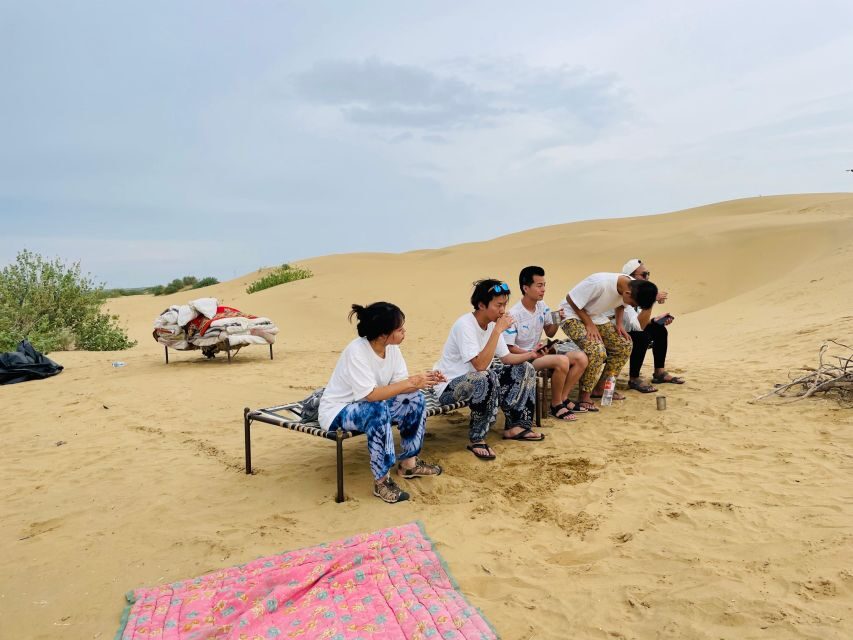
After the late-day build-up, you’re not stuck in silence. The program includes gypsy music and dance and also references a gypsy house experience. This adds a social layer to the night beyond sitting quietly with your snacks.
You’ll also have guided touring and free time during your desert stay. That matters because it gives you options. Want to walk a bit and look around? You can. Want to stay settled and focus on star-gazing later? Also fine.
The itinerary also mentions dune bashing and an off-road adventure by Jeep/SUV as part of the desert experience. That’s a different kind of thrill than the camel ride. If camel time feels steady and slow, dune bashing feels more like a roller ride across sand.
Consideration: dune bashing can be bumpy. If you’re sensitive to rough travel, you may want to choose your seating carefully during any off-road segments.
Sleeping outside in the Thar: stars, sunrise, and what to wear
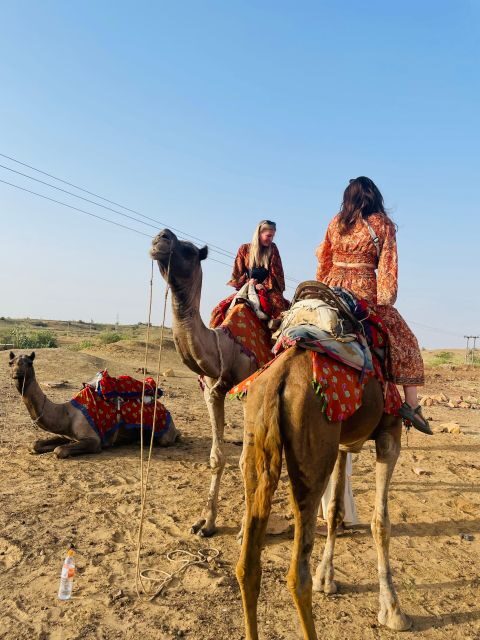
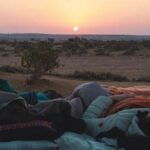
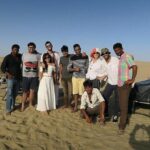
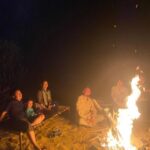
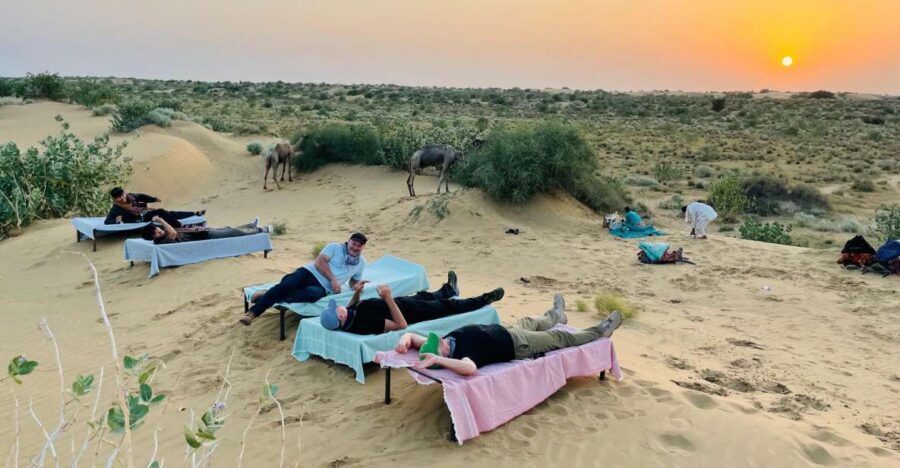
The best part for many people is the overnight setup. Reviews specifically mention sleeping outside and watching stars at night, plus sunrise in the morning. That’s the kind of memory you can’t fake with a hotel room with a skylight.
In one review from Japan, the traveler noted that in early October, blankets were enough and a thick jacket might not be necessary at night, while daytime can still be hot. That’s helpful because it matches desert logic: warm sunshine by day, cooler air after sunset.
So pack for temperature swings:
- breathable clothing for daylight heat
- a jacket or warm layer for night air
- hiking shoes (or sturdy closed footwear), because you’ll be on sand and uneven ground
Also, the activity info suggests bringing items like a camera and headphones. You might find headphones useful if you want calm music during downtime, but the core experience will be star time anyway.
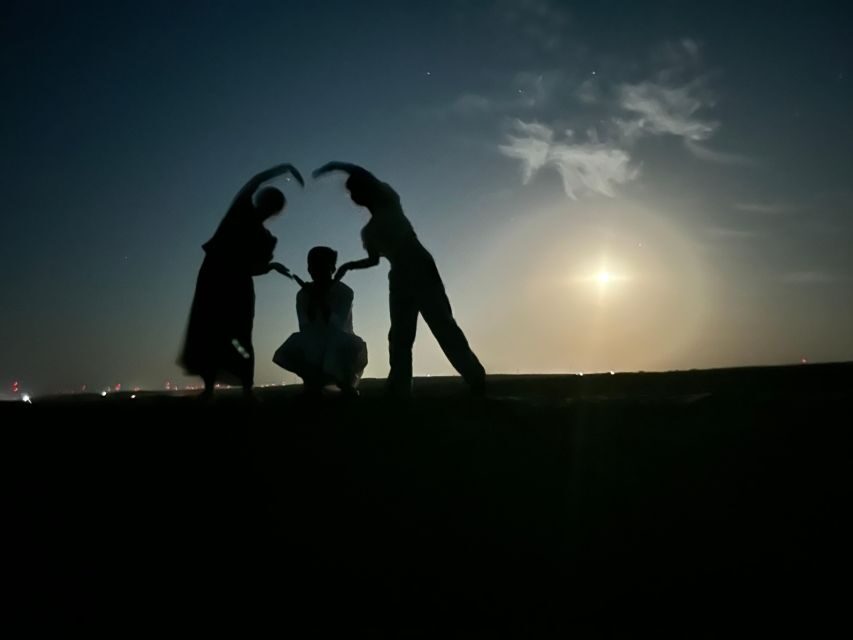
My favorite detail from the reviews: people weren’t just staring at stars from a “camp chair.” They described stepping into the night with the sky overhead in a way that feels close and real. If you like nature at its most direct, this is the moment you came for.
You can also read our reviews of more tours and experiences in Jaisalmer
Meals and water: what’s included, and why it affects comfort
This is a big part of why the experience feels “mind free,” as the description puts it. You get dinner and breakfast included, plus evening tea and desert chips, and unlimited mineral water bottles.
That matters more than it sounds. In the desert, hunger and thirst are the fastest ways to make a great plan feel stressful. Here, the setup removes that problem, so you can stay present for dunes, photos, and the night sky.
Dinner and breakfast are cooked on-site by locals, based on a review that specifically praised the meal preparation. It also means the food fits the conditions better than something pre-packaged. You’re eating while the camp atmosphere is still happening, not just rushing to a restaurant afterward.
One practical note: alcohol and drugs are not allowed, and chewing gum is also listed as not allowed. That keeps the camp environment consistent and focused.
Value for money: why $40 can feel like a bargain here
At about $40 per person for 1 night and 2 days, this is one of those deals where value comes from logistics you don’t have to manage yourself.
You’re not just buying a camel ride. You’re getting:
- transport via round-trip shared transfer
- pickup and drop (including drop-off at Hotel Tokyo Palace, Jaisalmer)
- Kuldhara and Khaba Fort entry and village fees
- water (unlimited mineral water bottles)
- guided desert time and photography opportunities
- dinner and breakfast plus tea and snacks
If you tried to recreate this on your own, it’s usually the “in-between” work that kills your budget: finding a reliable driver, coordinating entry fees, lining up a camel team, and building a night plan that actually feels safe and comfortable. Here, those pieces are already handled.
Small caution: it’s shared transportation, and part of the schedule is set. If you expect total freedom to change everything mid-trip, you might feel constrained.
Best fit: who this Thar Desert camel safari suits
This tour is best for you if you want an experience that feels both scenic and real, with enough structure that you’re not worrying all day.
It also fits well if you like:
- outdoor nights and star viewing
- calm, non-rushed desert time
- cultural stops that are short but meaningful (Kuldhara and Khaba Fort)
- simple comfort: sleeping arranged, meals included, water handled
The info also makes it clear it’s not suitable for people over 95 years and people over 309 lbs (140 kg). There’s also a note telling very sick and disabled customers to check and book carefully because you’re going deep into the desert.
So if you’re traveling with limited mobility, you’ll want to be honest about what you can handle: sand footing, uneven ground, and the overnight outdoors.
Should you book the Tokyo Desert Camp Jaisalmer Thar safari?
If you want one clear answer: book it if you’re chasing the desert as an experience, not a checklist.
I’d choose it when you value:
- two camel rides (not just one)
- a star-filled night you can actually see from your sleeping setup
- meals and water included so you can stay relaxed
- a desert route with cultural stops beforehand
Skip it (or ask more questions first) if you:
- need lots of indoor comfort
- have strong motion sensitivity for any off-road portions
- dislike early mornings, since sunrise is part of the plan
One more smart move: pack your basics for the real desert weather. Sunglasses and sun protection help in the daytime heat, and you’ll want a warm layer for night air.
FAQ
FAQ
How long is the Thar Desert Experience from Jaisalmer?
It runs for 2 days and 1 night.
What is the price per person?
The price is listed as $40 per person.
What stops are included during the trip?
You’ll visit Kuldhara and Khaba Fort before heading into the Thar Desert.
How many camel safari rides do you get?
The highlights mention camel safari x2, meaning two camel riding sessions during the experience.
What meals and drinks are included?
The package includes dinner and breakfast, plus evening tea and desert chips. It also includes unlimited mineral water bottles.
Does the camp include time for sunset and stargazing?
Yes. The itinerary includes sunset, and reviews mention sleeping outside with stars visible, plus sunrise in the morning.
What language is the tour guide?
The live tour guide is listed as English and Japanese.
What should I bring?
Bring a passport or ID card (passport or a copy accepted), a camera, jacket, hiking shoes, breathable clothing, and headphones are mentioned as helpful.
What is not allowed during the experience?
Alcohol and drugs are not allowed, and chewing gum is also listed as not allowed.
Who is this not suitable for?
It’s listed as not suitable for people over 95 years old, and people over 309 lbs (140 kg). There is also a note to check and book carefully if you are very sick or disabled because the route goes deep into the desert.