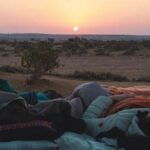
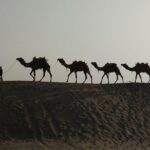
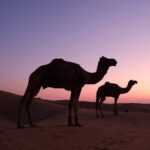
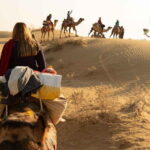
Two days of desert hush. The Shahi Non-touristic sand dune camel safari is built for the real dunes around Jaisalmer: a jeep ride out, a long camel stretch with village stops, then an overnight camp where you count stars in a quiet, secluded spot.
I like the pacing because it is not just a quick ride. You get a real rhythm: ride, rest, eat, ride again, then settle in for sunset and dinner by firelight. I also love the atmosphere, with tea and snacks after sunset, bonfire in winter, and camp dinner cooked fresh desert-style in front of you.
One thing to consider: this is a true desert night, so it depends on weather and you should be comfortable with an outdoor sleeping setup rather than a hotel bed.
In This Review
- Key Things I’d Not Miss
- Shahi Non-Touristic Dunes: Why This Safari Feels More Real
- Jaisalmer Pickup at Shahi Palace Hotel: Getting Started Right
- Meeting the Camels: The Day 1 2–3 Hour Ride and Two Village Stops
- Lunch, Shade Break, Then Wildlife to the Dunes
- Sunset on Secluded Dunes: Tea, Snacks, Bonfire (Winter Only), and Camp Cooking
- Sleeping Under the Stars: What Bedding and Night Time Actually Mean
- Day 2 Morning Rhythm: Breakfast, More Camel Ride, Village Stop, and Return
- Price and Value: What You Get for Around $50.56
- Who This Safari Fits Best (And Who Might Want Something Else)
- Practical Tips Before You Go (So Day 1 Goes Smooth)
- Should You Book Shahi’s 1 Night 2 Days Camel Safari?
- FAQ
- Where does the safari start?
- What time does the activity start?
- How long is the camel safari?
- Is this tour private or shared?
- What is included in the price?
- Are breakfast and meals included across both days?
- Is there a bonfire?
- Are alcoholic drinks included?
- What happens if the weather is bad?
Key Things I’d Not Miss
- Jeep pickup from Shahi Palace Hotel area and private transportation for your group
- Long camel time with a Day 1 camel ride of about 2 to 3 hours
- Village visits built in (two villages on Day 1, plus another village stop on Day 2)
- Sunset at quieter dunes with tea and snacks afterward
- Dinner cooked fresh at camp with campfire energy (including singing mentioned by the operator)
- One camel each for your ride, plus bedding for the night
Shahi Non-Touristic Dunes: Why This Safari Feels More Real
This is the kind of camel safari that tries to get you past the crowds. The goal is simple: you ride out into the dunes, you spend the night under the sky, and you live a bit of desert day-to-day instead of just doing a stop-and-snap itinerary.
I like that the experience is structured around real breaks. You are not constantly in the saddle. You get rest under shade, meals made on fire, and time to watch dunes go from daylight to sunset silence. Those pauses matter because they turn the desert from a spectacle into something you can actually feel.
The “non-touristic” angle also hints at what you should expect: a more peaceful dune setting. The sunset is described as secluded and calm, and the night is framed around looking at the stars, not chasing activity.
You can also read our reviews of more evening experiences in Jaisalmer

Jaisalmer Pickup at Shahi Palace Hotel: Getting Started Right
Your day begins at Shahi Palace Hotel, Fort Road (behind HDFC Bank, near State Bank of India), in the Dhibba Para / Sadar Bazar area of Jaisalmer. That is helpful because it is a clear landmark, and it also means you do not need to figure out where your camel is waiting on your own.
Pickup time is listed as 12:00 am, which is unusual enough that you should double-check the exact meeting time with Shahi Camel Safari Jaisalmer when you book. Times can shift a bit depending on season and routing, but the stated start time is worth confirming early.
You will travel by private transportation (your group only), then switch to camel once you meet the team and camels. The itinerary is designed so the transition feels organized, not chaotic.
One small but real value point: the tour includes your bottled water, which is the kind of detail that keeps a desert day from getting annoying fast.
Meeting the Camels: The Day 1 2–3 Hour Ride and Two Village Stops
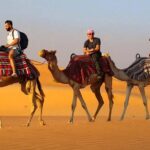
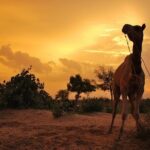
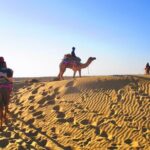
After the jeep portion, you meet your camel and camel guide. The big early highlight is the camel ride of about 2 to 3 hours. That is enough time to feel like you are actually moving through the desert, not just trying it once and being done.
During that ride, you stop for two village visits. These stops are not presented as “tours of attractions.” They are included as part of how the route connects dunes and daily life, and they help break up the ride so it feels like an experience, not a single long stretch in the saddle.
You also learn the practical side of camel riding. People often describe it as different from a horse, and that difference is part of the charm. The pace is more grounded, and the movements take a little getting used to—especially if you are trying to sit comfortably for the first stretch.
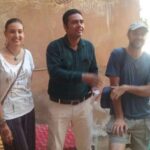
In past interactions with this team, named guides like Devi and Nett have been associated with organization and safe guidance, which is exactly what you want when you are transferring from jeep to camel and then heading toward dunes.
Lunch, Shade Break, Then Wildlife to the Dunes
Once the first riding portion is done, you take a break with lunch and rest. The plan is to pause in the heat by moving into tree shade and taking time to recover before continuing.
The lunch is described as freshly made by the camel drivers. That matters because desert tours often rely on pre-packed meals. Here, the focus is on food cooked for the camp routine, and it fits the overall “real desert” style of the day.
After lunch, you get back on your camel and continue toward the sand dunes, with the chance to watch local wildlife along the way. Wildlife spotting can be hit-or-miss anywhere, so I treat this as a bonus moment rather than a guaranteed game of spotting. Still, having it written into the route tells you the safari is designed to be slower and more observant, not just speedy transportation to a sunset viewpoint.
Sunset on Secluded Dunes: Tea, Snacks, Bonfire (Winter Only), and Camp Cooking
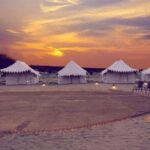
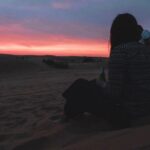
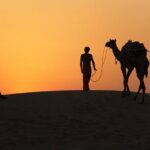
The dune section is where the safari earns its reputation. You reach the sand dunes in time for sunset, and the setting is described as peaceful and secluded. That kind of wording is not marketing fluff here—it signals fewer distractions so you can actually watch light shift across sand.
After sunset you have tea and snacks, and in winter there is a bonfire mentioned as part of that evening rhythm. Even if you visit outside winter, the tea/snack portion is still part of the core plan, and it gives you a calm, social moment before dinner.
Dinner is a major point of pride: camel men are said to cook fresh desert-style dinner in front of you, with campfire cooking and energy like singing mentioned by the operator. If you care about the full cultural feel of being in a desert camp (instead of eating quickly and rushing back), this is one of the best parts of the safari.
People also mention that the night portion can feel magical, especially when the sky clears. The itinerary basically sets you up to relax after sunset so you are not stuck standing around waiting.
You can also read our reviews of more tours and experiences in Jaisalmer

Sleeping Under the Stars: What Bedding and Night Time Actually Mean
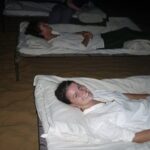
This safari includes bedding for sleeping, and that is important because it signals you are not expected to just improvise on the ground. You sleep in the desert camp setting after dinner, under the sky.
The evening focus is very clear: dinner, then relaxation, then counting stars. The sky is described as extremely clear in how people talk about it, and that is one reason an overnight safari is such a different experience than a day trip.
You also have an option to wake up early for sunrise. If you like quiet mornings, this is one of those “do it if you can” moments. Sunrise is not forced into the schedule, but the tour gives you the chance.
If you are someone who needs thick comfort layers or you cannot sleep outdoors, this might feel less comfortable than a hotel stay. But if you are good with basic camp life, the star-filled night is the payoff.
Day 2 Morning Rhythm: Breakfast, More Camel Ride, Village Stop, and Return
Day 2 starts with breakfast and then more camel riding. The plan includes a camel ride that goes through the desert again, with a visit to a local village and time to watch local wildlife.
Then comes another break for lunch, described as freshly made on a camp fire, followed by rest under tree shade again. That repeat of shade + meal time is not accidental. It keeps the day from turning into a nonstop ride marathon.
After lunch, you continue riding for a final segment toward the pick-up point. Then you return by the same overall route back to the meeting point area. The itinerary is designed so Day 2 still feels substantial, even though the ride time is split into multiple parts.
It also stays consistent with the “real desert lifestyle” idea: you are not rushing straight from camp to town. You get a morning experience first, then you head back.
Price and Value: What You Get for Around $50.56
At $50.56 per person, the big question is whether the cost matches what is included. In this case, the value is fairly solid because the price covers a lot of the stuff that would otherwise cost extra on your own.
Included items:
- Private transportation
- Coffee and/or tea
- Lunch, snacks, dinner
- Breakfast (mentioned in the Day 2 flow)
- Bottled water
- Bedding for sleeping
- One camel each for your ride
That is a full-day/overnight package, not just transport and a photo opportunity. Also, since it is private for your group (with group discounts available), you are paying for a more controlled experience rather than being mixed into a big crowd.
What is not included is also clear: alcoholic beverages are not part of the base package, but the operator notes you can arrange them on request for an extra charge. If you want beer or spirits, plan on paying separately.
If you are short on time in Jaisalmer but still want a night under the stars, this is the kind of “pay once, relax, and get fed” value that often ends up being worth it.
Who This Safari Fits Best (And Who Might Want Something Else)
This safari is a great match if you:
- want 1 night, 2 days but still want meaningful camel time
- care about sunset + stargazing, not just a quick ride
- like the idea of camp cooking in the desert
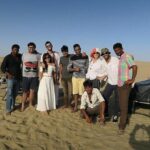
- prefer a private experience for your group
It might be less ideal if you:
- want a fully luxury bedding setup and indoor bathroom comforts (the tour is clearly outdoor-camp focused)
- dislike camel riding and the slower movement it brings
- expect a rigid schedule that feels like a city tour
One more practical angle: guides like Dharmendra have been praised for being great and helping make the trip feel smooth. Named mentions like that are a clue that the team’s day-to-day organization is a real strength here.
Practical Tips Before You Go (So Day 1 Goes Smooth)
Here are the things I would handle up front based on what the tour actually includes.
First, confirm the pickup time. The listing shows 12:00 am, so you should verify your exact schedule close to booking. Desert timings shift with daylight and season, and you will enjoy the ride more if you are not guessing.
Second, plan for the fact that a bonfire is winter only. If you are traveling outside winter, do not assume there will be a bonfire nightly. Tea and snacks are still part of the evening plan.
Third, if you want alcohol, ask at booking time or request it ahead. Alcohol is not included, but it can be arranged for an extra charge.
Finally, treat the camel ride as the main activity. The tour includes one camel each for your ride, so you want to be ready to sit comfortably and pay attention to your camel guide. If you meet guides such as Devi or Nett, stick close and follow their instructions—especially during transitions between jeep, villages, dunes, and camp.
Should You Book Shahi’s 1 Night 2 Days Camel Safari?
Book it if your priority is a non-touristy desert night with real riding time, village connections, sunset on secluded dunes, and a camp atmosphere built around fresh food and stargazing. The fact that meals, bedding, water, and private transport are included helps the price feel fair instead of nickel-and-diming you later.
Pass or consider another option if you need hotel-style comfort, or if camel riding feels like too much for you. Also, since the experience requires good weather, keep your plan flexible if you are traveling during a season that can change quickly.
If you want the kind of Jaisalmer experience that ends with a sky you can’t stop looking at, this one is a strong bet.
FAQ
Where does the safari start?
It starts at Shahi Palace Hotel, Fort Rd, behind HDFC Bank, near State Bank of India, in the Dhibba Para area of Sadar Bazar, Jaisalmer, Rajasthan 345001.
What time does the activity start?
The start time is listed as 12:00 am, so it is smart to confirm your exact pickup time when you book.
How long is the camel safari?
It runs for about 1 day 8 hours, and it is described as an overnight option with 1 night and 2 days.
Is this tour private or shared?
It is private, meaning only your group participates. Group discounts are available, but the experience is not mixed with other groups.
What is included in the price?
Included are coffee and/or tea, lunch, snacks, dinner, bottled water, private transportation, bedding for sleeping, and one camel each for the ride.
Are breakfast and meals included across both days?
Breakfast is part of the Day 2 schedule, and the tour also includes lunch, snacks, and dinner as described for the two-day flow.
Is there a bonfire?
After sunset, tea and snacks are included, and a bonfire is mentioned for winter only.
Are alcoholic drinks included?
Alcoholic beverages are not included, but they can be arranged on request for an extra charge.
What happens if the weather is bad?
The experience requires good weather. If it is canceled due to poor weather, you are offered a different date or a full refund.