REVIEW · JAIPUR
Jaipur: City Palace Museum – Direct Official Ticket
Book on GetYourGuide →Operated by City Palace Museum, Jaipur · Bookable on GetYourGuide
Seven courtyards, one ticket.
This is a practical way to see how Jaipur’s rulers lived and governed inside the City Palace, a former administrative headquarters. I like that the ticket is issued directly by the palace, so you’re not playing guess-the-operator. I also like the sheer walking circuit: seven interconnected courtyards that feel like moving through linked rooms, not just one big hall.
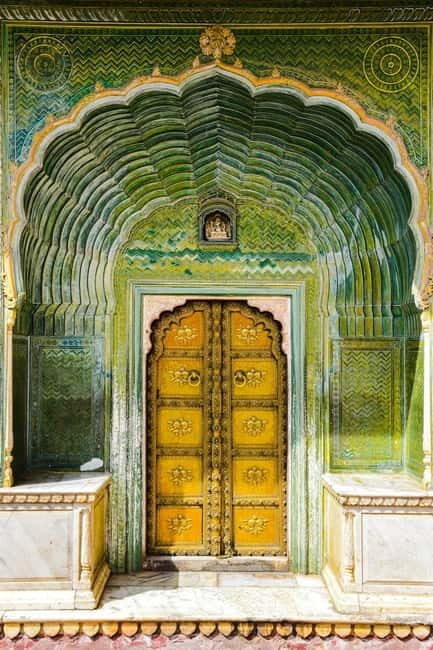
You’ll start at Pritam Niwas Chowk with four decorated gates (deories) tied to deities, which is a great way to get oriented fast. From there, the courtyards shift in mood from cultural and religious spaces to public-facing halls, then to museum galleries like the MSMS II Museum, textiles, arms and armor, and even royal transports.
One consideration: in at least one reported case, the ticket supposedly did not work at entry, and the palace area was described as not in great condition with workmen rubbish. I’d still plan to go, but I’d also go early and be ready to speak up at the counter if anything looks off.
In This Review
- Key things to know before you go
- City Palace Ticket: getting in the right way at Baradari Restaurant
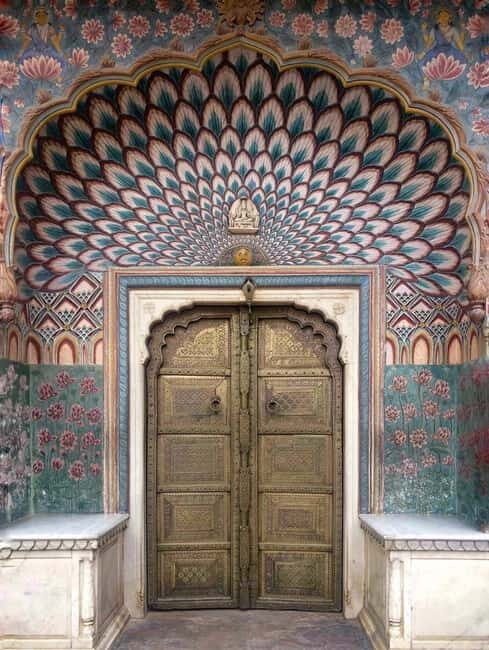
- Pritam Niwas Chowk: four gates, a fast orientation to palace symbolism
- Seven interconnected courtyards: how the palace flows like a city within a palace
- Diwan-e-Khas and Sarvato Bhadra: where ceremonies and the Gangajalis steal the show
- Diwan-e-Aam (Sabha Niwas): the public-facing hall inside royal power
- Mubarak Mahal (1902): textiles and the guesthouse side of the court
- Sileh-Khana: arms and armor as functional art
- Painting & Photography Gallery: maps, paintings, and historic photos
- Rath-Khana: royal transports and how ceremony keeps objects in use
- Timing and pacing: making 1 day feel like enough
- Rules you should know before you step inside
- Price and value check: is $16 a good deal for this palace circuit?
- Who should book this City Palace ticket?
- Should you book this official City Palace Museum ticket?
- FAQ
- How much does the City Palace Museum ticket cost?
- How long is the visit?
- Where do I enter to get my ticket?
- What is included with the ticket?
- Are professional cameras or flash photography allowed?
- Are pets allowed inside the City Palace?
- Is the site wheelchair accessible?
Key things to know before you go
- Official issue at the palace counter: You enter the gate to the ticketing counter near Baradari Restaurant.
- Seven courtyards with a single pass: You can walk between connected sections in one day.
- MSMS II Museum is built into the experience: It includes access to four courtyards as part of your ticket.
- Don’t miss the Gangajalis: Two gigantic silver urns are a must-see moment when you enter the Diwan-e-Khas area.
- Strong museum mix, not just courtyards: Textiles (Mubarak Mahal), arms and armor (Sileh-Khana), plus art, maps, and historic photos.
- Photo rules are specific: Photography is allowed, but flash and professional cameras are not.
City Palace Ticket: getting in the right way at Baradari Restaurant
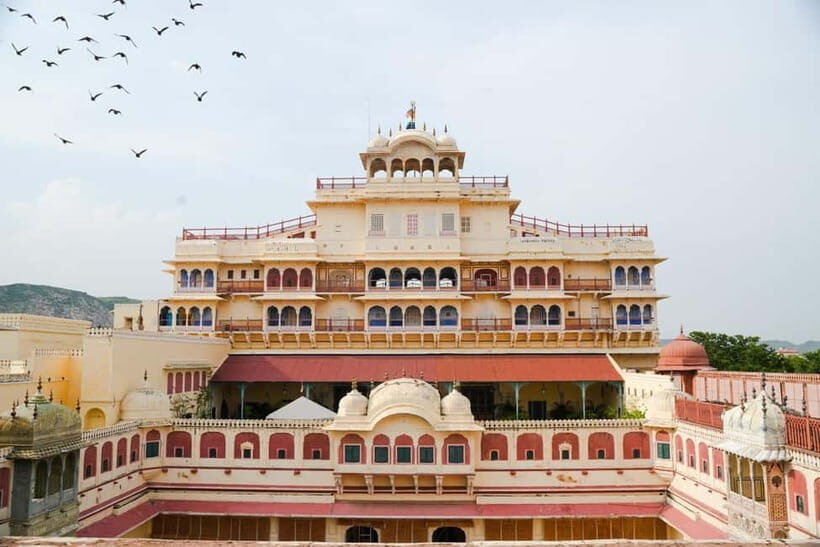
The biggest value here is simple: you’re buying a direct official City Palace ticket that grants access to the courtyards and galleries. For many palace sites, the “ticket chain” can get messy. Here, the meeting point is clear—enter the gate to the ticketing counter near Baradari Restaurant—so you can focus on the palace itself.
Price is listed at $16 per person for a 1-day valid ticket. That’s a fair deal if you’re truly going to use the pass to see multiple courtyards plus the MSMS II Museum galleries. If you only want one small highlight, the cost might feel like more than it should, because there’s a lot to cover in a day.
Plan on a self-paced visit. This isn’t pitched as a guided tour with narration. Instead, you’re walking your own route through designed spaces, which means you’ll get more out of it if you’re comfortable reading signage and taking your time.
You can also read our reviews of more tours and experiences in Jaipur

Pritam Niwas Chowk: four gates, a fast orientation to palace symbolism
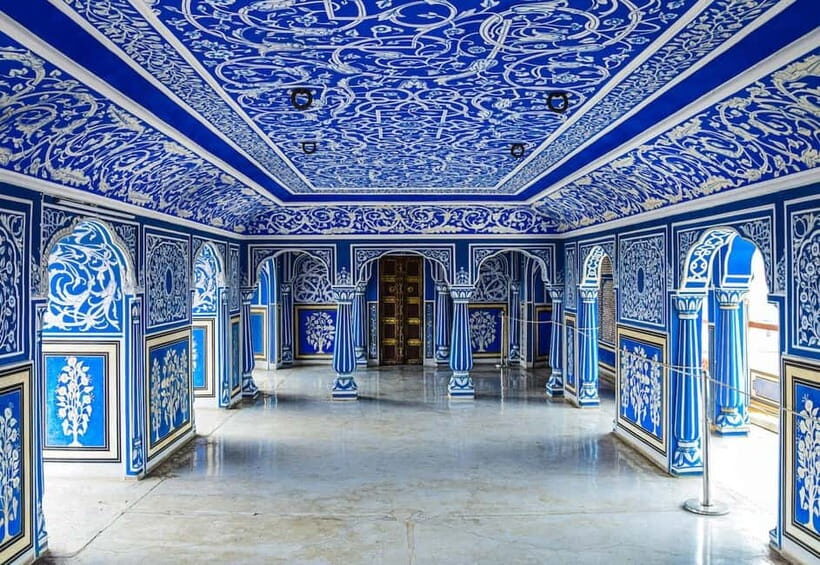
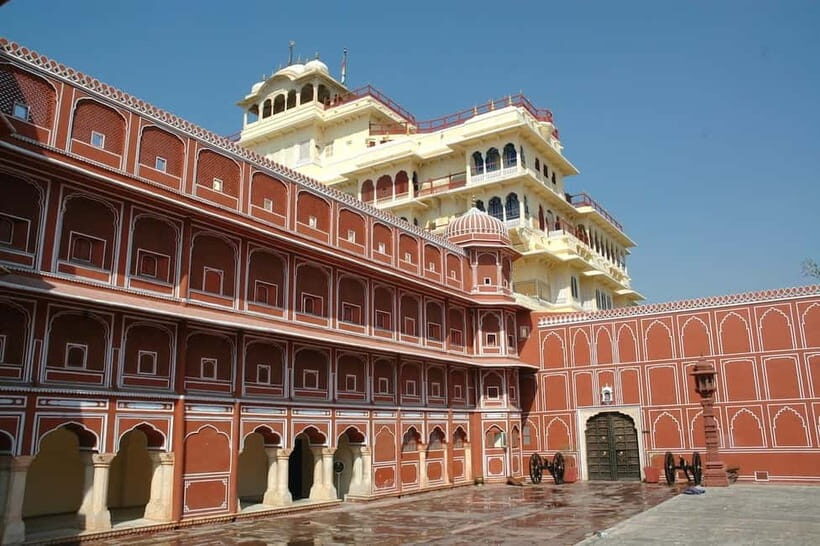
Your route starts at Pritam Niwas Chowk, and I love this opening because it sets tone before you even reach the inner areas. You’ll see four magnificently decorated gates or deories, each tied to deities. Even if you don’t know the religious details, the visual language is strong and helps you understand that this place blended rule, religion, and daily court life.
This is also a good moment to slow down. Before you move deeper, take a few minutes to notice the layout around you. Courtyards are connected here in a way that can feel confusing later, so getting your bearings early makes the rest of the palace day easier.
If you’re coming during hot weather, this early courtyard is also where you’ll feel the heat the most—so it’s smart to bring water and save your energy for the longer indoor-and-semi-outdoor stretches.
Seven interconnected courtyards: how the palace flows like a city within a palace
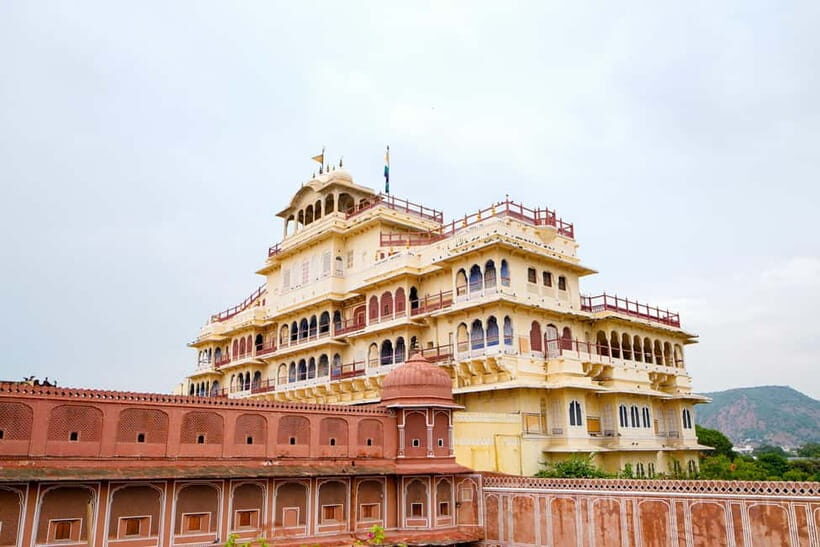
The heart of the experience is that the City Palace is structured as seven interconnected courtyards. That matters because you’re not just looking at one viewpoint; you’re moving through a network. Each courtyard functions like a chapter—different purposes, different levels of openness, and different kinds of collections.
Your ticket also connects you to the MSMS II Museum, which is described as being home to four of these courtyards. Practically, that means you’ll see a museum-style experience without losing the “living palace” feeling. It’s more than glass-cased objects. You’re still walking in palace architecture, not just standing in a corridor.
Because this is a lot of walking, wear comfortable shoes. You’ll cover enough ground that sore feet can turn the palace into a chore. If you pace yourself—courtyard to courtyard, with short pauses—you’ll have a much better day.
Diwan-e-Khas and Sarvato Bhadra: where ceremonies and the Gangajalis steal the show
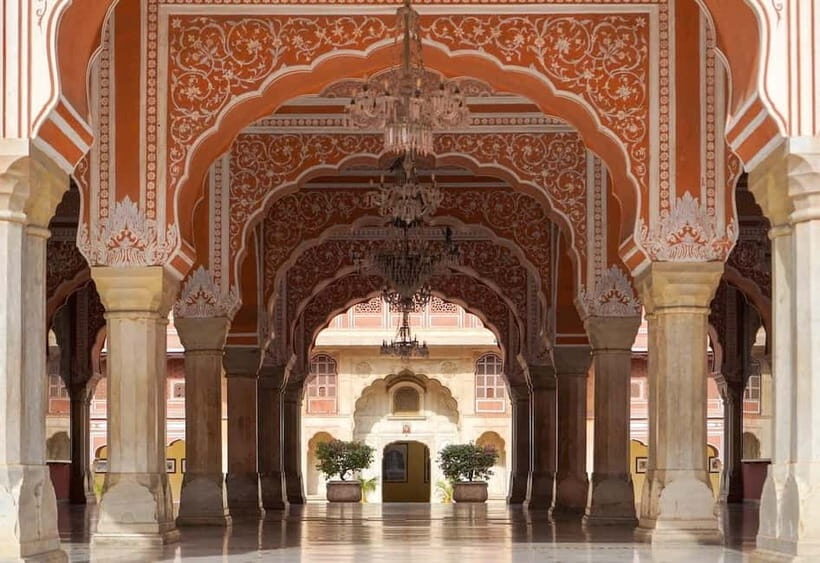
After Pritam Niwas Chowk, you’ll move toward Sarvato Bhadra, also referenced as Diwan-e-Khas. This is one of those spaces where the description alone gives you a hint of the atmosphere: it played host to religious and cultural celebrations. That’s the kind of context that makes palace rooms feel purposeful, not random.
When you enter this area, don’t miss the Gangajalis—two gigantic silver urns. Even if you’re not into metalwork, these are the kind of visual anchor pieces that help you remember the palace as a whole. They also give you something easy to point out in photos without needing a perfect angle.
One practical tip: expect that some areas may have photo restrictions beyond flash. The general rule provided is that flash photography may be restricted in certain areas, so keep an eye out and follow posted guidance. If you’re bringing your phone, this is still an easy place to get good shots because the urns are visually dominant.
Diwan-e-Aam (Sabha Niwas): the public-facing hall inside royal power
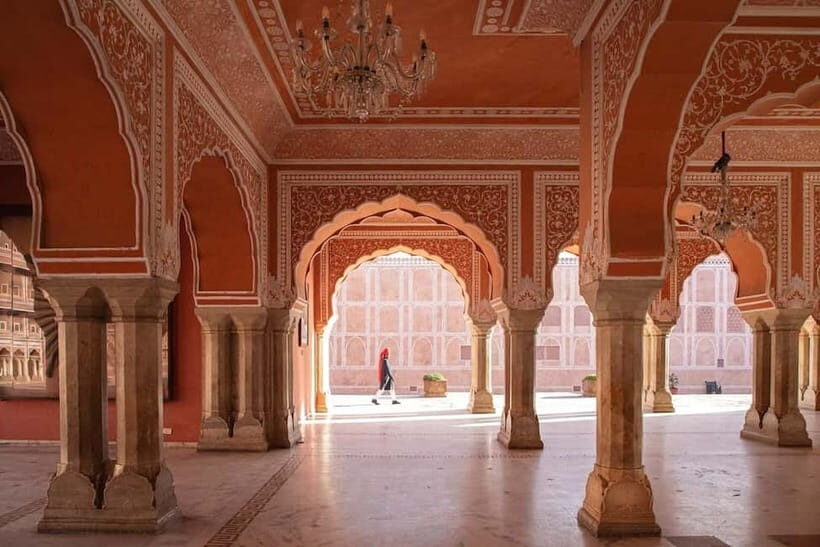
Next is Sabha Niwas, also called Diwan-e-Aam. This is the hall where the Maharaja would hear from his public and greet foreign dignitaries. I like this stop because it reminds you that the palace wasn’t only for private life. It had a public role, even if the audience was carefully curated.
When you stand in a hall described this way, it changes how you see the space. You start noticing where people would have stood and where announcements or greetings likely took place. You also get a clearer mental picture of how power worked in an older system: decisions made by rulers, but with channels for interaction.
If you like architecture and layouts, take your time here. The Diwan-e-Aam is a good “bridge” between ceremonial courtyards and the museum galleries that come next.
You can also read our reviews of more city tours in Jaipur


Mubarak Mahal (1902): textiles and the guesthouse side of the court
From the public hall, you’ll head to Mubarak Mahal. It’s noted as being built in 1902 as a guest house for foreign dignitaries, and today it houses the textile collection. That combination—foreign guests and textiles—makes the space feel like a meeting point between local identity and outside visitors.
I’d treat this as your “museum pacing” moment. After courtyards and halls, textiles give you a chance to slow down and look closely. Textiles are also good for dry, indoor-style viewing, which can help if the weather is rough outside.
Because the listing focuses on the textile collection inside this palace wing, don’t rush through. Even a 10–15 minute stop with a few close looks can make a big difference in how much you enjoy this part of the day.
Sileh-Khana: arms and armor as functional art
Next up is Sileh-Khana, described as a gallery with a vast and unparalleled collection of arms and armor. This is the kind of gallery that usually grabs people in two ways: either you’re into weaponry and craftsmanship, or you’re fascinated by what a collection like this reveals about power and protection.
In a palace context, it helps to imagine the objects as practical tools, not just displays. That framing makes the gallery more interesting because you’re not just looking at shapes—you’re looking at purpose.
If you plan to photograph, remember the rules: flash photography may be restricted in certain areas, and professional cameras aren’t allowed. For most phone photos, you’ll still be able to get what you need by using normal lighting and avoiding direct flash.
Painting & Photography Gallery: maps, paintings, and historic photos
Then you move to the Painting & Photography Gallery, which is dedicated to paintings, maps, and historic photographs. This is a great change of pace if you’ve been surrounded by courtyards and objects. Here, you’re dealing with documentation and representation—how people pictured places, power, and events.
Maps are especially useful because they connect the palace to the broader idea of Jaipur beyond just one building. Even without deep context, maps help your brain organize what you’re seeing around town.
Again, keep photo rules in mind. Photography is allowed, but flash can be limited. Also, professional cameras are not allowed, so if you’re planning a gear-heavy setup, plan to use only what’s permitted.
Rath-Khana: royal transports and how ceremony keeps objects in use
Finally, you’ll see Rath-Khana, a special display of important royal transports spanning three centuries. What makes this stand out is that it’s explicitly tied to ceremonies, and some objects are still part of annual festivals.
That detail matters. It reframes the displays from “museum leftovers” into objects with continuing cultural roles. Even if you only see the transports indoors, the idea that they show up during festivals gives them more meaning than a static showcase.
If you’re someone who likes stories tied to objects, this is a good ending point for your day. It also gives you a strong last visual memory—transport and ceremony is an easy theme to remember later when you’re comparing Jaipur’s landmarks.
Timing and pacing: making 1 day feel like enough
This ticket is valid for 1 day, with starting times available based on availability. Since you’re covering multiple courtyards and several galleries, your best strategy is pacing, not speed. Think in blocks: one courtyard group in the morning, one in the late morning/early afternoon, then galleries to finish.
It’s a walking day. You’ll want comfortable shoes and you should carry water, especially if you’re visiting during hot weather. Jaipur heat can sneak up on you, and once your energy drops, every museum room starts feeling longer than it should.
If you can, schedule an earlier start so you’re not doing the hardest walking in peak sun. Even without exact time recommendations, the general principle holds: mornings keep the day more pleasant.
Rules you should know before you step inside
The palace has clear limits designed to protect the site and keep things orderly. Pets are not allowed (assistance dogs are allowed). Alcohol and drugs are not allowed. Professional cameras are not allowed.
Flash photography can be restricted in certain areas. So if photography matters to you, take it seriously: keep your flash off, watch for posted signs, and be respectful of staff instructions. A smooth visit is usually just you following the rules the first time.
Also, be respectful of the cultural and historical significance of the site. That sounds basic, but palaces are still active cultural spaces. Your best photos and best memories usually come from calm, careful behavior—especially in more sacred-feeling rooms or courtyards.
Price and value check: is $16 a good deal for this palace circuit?
At $16 per person, this is priced like a straightforward museum ticket. The value comes from the breadth: courtyards plus multiple themed galleries. You’re not just paying to enter once—you’re paying to walk a connected set of spaces and see collections in a palace setting.
You also get the key structure that makes this ticket work: the access covers both the courtyards and the MSMS II Museum areas, plus specific galleries like textiles, arms and armor, and the painting and photo display. That mix makes it easier to enjoy even if you’re not equally excited about every type of collection.
That said, there’s a small risk to factor in. One reported incident described a ticket that did not work at entry, and noted the palace condition wasn’t great. You can’t predict that kind of problem, but you can reduce stress by arriving early, keeping your booking info handy, and being ready to resolve issues at the counter.
Who should book this City Palace ticket?
I think this is a good fit if you like architecture, palace layouts, and museum galleries that feel tied to place. It’s also a solid choice if you want a flexible, self-guided route rather than a tight group schedule.
If you’re traveling with someone who needs mobility support, it’s listed as wheelchair accessible. The site involves multiple courtyards, so you’ll still want to plan for uneven transitions and indoor/outdoor movement, but accessibility is explicitly mentioned.
It may be less ideal if you hate walking or if you rely heavily on professional camera equipment. The restrictions are clear: no professional cameras, and flash may be restricted.
And if you only want a single quick highlight, you might feel the time pressure. This experience works best when you treat it as a full palace day.
Should you book this official City Palace Museum ticket?
Yes, I’d book it if you want an official, palace-run ticket that gives you a structured day through seven interconnected courtyards and the MSMS II Museum experience. The standout value is that you’re getting both palace space and museum collections without needing a separate add-on.
Just go with eyes open. Wear comfy shoes, bring water, and follow the photo rules. If you’re traveling at a busy time, arrive a bit early so any entry hiccups—like the one reported ticket issue—don’t wreck your whole schedule.
If your goal is a genuine Jaipur palace circuit—courtyards, collections, and royal storytelling—this is a sensible way to spend your day.
FAQ
How much does the City Palace Museum ticket cost?
The price is listed as $16 per person.
How long is the visit?
The ticket is valid for 1 day, and you can check availability to see starting times.
Where do I enter to get my ticket?
Enter the gate to the ticketing counter near Baradari Restaurant.
What is included with the ticket?
The ticket includes access to City Palace courtyards and galleries, including the MSMS II Museum areas that feature four of the courtyards, plus platform booking fees.
Are professional cameras or flash photography allowed?
Professional cameras are not allowed. Flash photography may be restricted in certain areas, even though photography is generally allowed.
Are pets allowed inside the City Palace?
Pets are not allowed. Assistance dogs are allowed.
Is the site wheelchair accessible?
Yes, the experience is listed as wheelchair accessible.