REVIEW · JAISALMER
Half Day Sunset Camel Safari Jaisalmer
Book on Viator →Operated by Trotters Tours & Travels Camel Safari · Bookable on Viator
The Thar desert feels quieter than you expect. This half-day sunset camel safari is built for a non-crowded, off-the-beaten-track outing, with time in places most day tours skip. I like that you get a proper 90-minute camel ride (not a quick hop-on hop-off), plus real desert time for sunset and stargazing.
One thing to plan around: there’s no bathroom facility during the tour. If that’s a dealbreaker for you, this might be a rough fit.
If you’re chasing the kind of desert evening where the sky actually looks like a sky, this tour delivers. It caps the group size at up to 20 travelers, and the route is designed to feel calm—so you’re not spending your short evening watching other people’s heads bob in and out of photos.
In This Review
- Key highlights that matter
- Non-crowded camel safari in Jaisalmer: what makes it feel real
- Timing the golden hour: why 1:30 pm vs 2:30 pm matters
- Ruth Natural Lake Jaseheri and Khaba Fort: the stops that set the mood
- Stop 1: Ruth Natural Lake Jaseheri (Lake of Dedha oasis)
- Stop 2: Khaba Fort (abandoned city in the Thar)
- Thar Desert dunes: the main event
- The 90-minute camel ride: one camel per person, your own pace
- What the ride feels like (practically)
- Who should do the camel ride
- Safety and comfort notes I’d take seriously
- Sunset, stargazing, and vegetarian dinner by bonfire
- Sunset on the dunes
- Stargazing under dark skies
- Freshly cooked vegetarian dinner after sunset
- Meeting point, return time, and small practical notes that save you stress
- Price and value in context: is $34.50 worth it?
- Who should book this sunset camel safari (and who might want another option)
- Should you book this Jaisalmer camel safari?
- FAQ
- What time does the camel safari start?
- How long is the camel ride?
- What stops are included before you reach the dunes?
- Is dinner included?
- Is there a bathroom facility during the tour?
- How large is the group?
Key highlights that matter
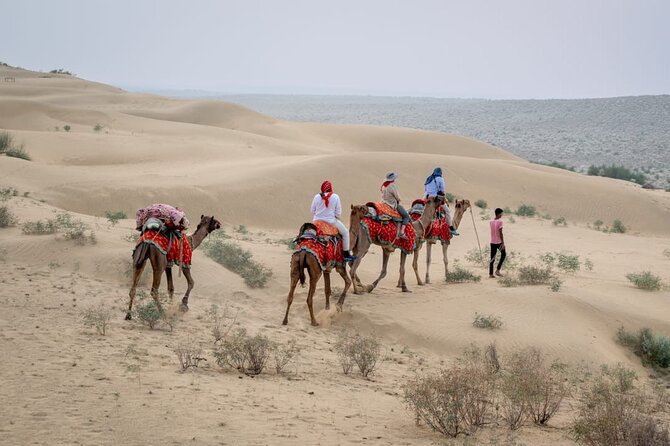
- Small-group desert time (max 20 travelers)
- Lake of Dedha area + stargazing under dark skies
- Khaba Fort, the abandoned-city stop
- One camel per person for a 90-minute dune ride
- Sunset on the dunes, followed by dinner
- Afternoon start times geared to golden hour
Non-crowded camel safari in Jaisalmer: what makes it feel real
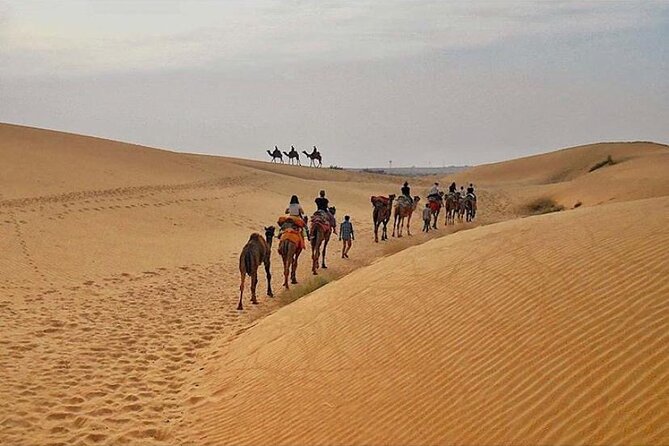
Jaisalmer camel tours can range from touristy to truly off the main drag. This one leans hard into the quieter side. The whole point is a peaceful desert experience that feels closer to nomadic life—slow, open, and un-rushed.
I also like how the day is structured so you’re not just transported from one viewpoint to another. Before the dunes, you get stops that add atmosphere: an oasis area near the Thar’s arid edge, and Khaba Fort’s eerie ruins. Then you transition into the dunes on camelback, with a proper stretch of time where the only schedule is your camel’s pace.
Finally, the people matter. In the reports I saw, guests repeatedly pointed to friendly, capable guides and herders who pay attention to comfort and safety. Mahindra is one guide name that comes up when people describe kindness, especially with kids. Another name, Chhgan, shows up when guests talk about getting helpful stories along the way—Jaisalmer history and desert village life-style context.
The result: you’re not just buying a ticket for an activity. You’re buying a sequence of desert moments that actually connect.
You can also read our reviews of more tours and experiences in Jaisalmer.
Timing the golden hour: why 1:30 pm vs 2:30 pm matters
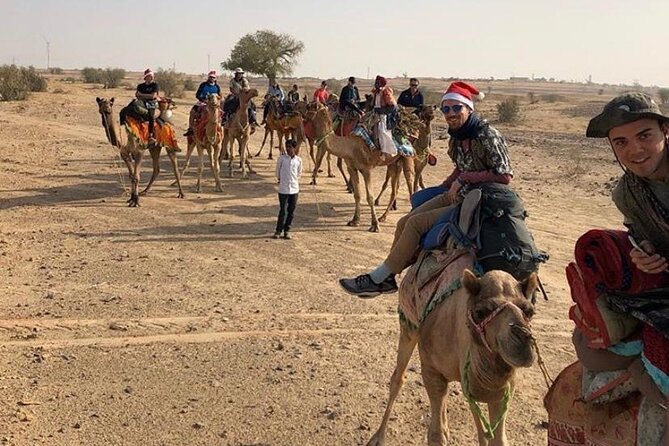
The safari starts in the afternoon, and the start time changes by season:
- October–March: about 1:30 pm
- April–September: about 2:30 pm
That shift is practical. You’re aiming to reach the dunes with enough daylight to do the ride comfortably, then catch sunset without feeling like you’re sprinting the last hour. If you arrive in Jaisalmer in the summer months, expect the later start (2:30) to help keep sunset timing on track.
The tour also runs longer than “half-day” sounds on paper. You’re typically back by around 9:30 pm, after jeeps return you from the desert. So think of it as an afternoon-to-night desert plan—one that trades a chunk of your evening for a sky you won’t see back in town.
One more timing tip: plan your day so you’re not rushed at the meeting point. You’ll be leaving in the afternoon and finishing at night, so anything that delays you can ripple into the whole evening.
Ruth Natural Lake Jaseheri and Khaba Fort: the stops that set the mood
This safari is built around a calm progression: oasis → ruins → dunes.
Stop 1: Ruth Natural Lake Jaseheri (Lake of Dedha oasis)
You’ll spend about 10 minutes at the Ruth Natural Lake Jaseheri area, described as a tranquil oasis zone in the Thar. The big draw here is the feeling. Even if you don’t linger long, the contrast hits you: green-and-wet-looking water amid arid surroundings.
Then comes the star-time plan. The tour includes a stargazing component, and the setting matters. The skies around the oasis are described as unpolluted, which is what you want if you’re hoping to see constellations clearly (or just stare and let the moment do its job). From what I can tell in the flow, you’ll connect this stop to the later desert evening, when darkness makes the sky pop.
Consideration: this is a short stop on the schedule. If you’re the type who wants long walks and slow exploration, you may wish you had more time here.
Stop 2: Khaba Fort (abandoned city in the Thar)
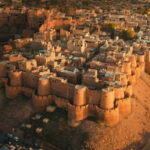
After the oasis area, you visit Khaba Fort, a 20-minute stop at a haunting abandoned fortress. The fort is described as an abandoned city in the desert—so it’s not the kind of stop where you’ll get a modern museum feel. Instead, you get silence, ruins, and that strange sense of time slowing down.
This is also where the tour shifts from “nature stop” to “history-in-the-desert stop.” You’re riding toward the dunes, so Khaba Fort acts like a mood change—more atmospheric than practical.

Thar Desert dunes: the main event
Once you’re on the dune side, most of your attention goes to the camel ride and sunset. The route includes reaching dunes after the oasis and Khaba Fort stops, and you end up spending the core time in the desert environment itself.
The 90-minute camel ride: one camel per person, your own pace
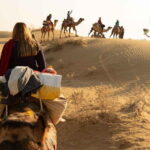
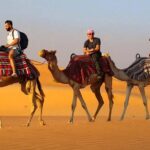
This is the part most people come for, and it’s handled the right way: you get one camel per person for about 90 minutes. That matters. When it’s your own camel and you’re not constantly swapping or sharing, the ride feels more personal and less like a line exercise.
Also, the tour emphasizes healthy camels and friendly guides. In the descriptions from guests, camels are treated with care, and herders stay vigilant about comfort and safety. That’s not a small detail. Camel safaris can be uncomfortable if the herding is careless or if people cram too many riders into one stretch. Here, the tone is that the guides actually watch how everyone is doing.
What the ride feels like (practically)
You’re moving at a camel’s pace—slower than you’d walk, steady rather than jerky. That’s why the “rhythm” thing keeps showing up in guest feedback. At first you’re adjusting. After that, you start to enjoy the sway and the slow turning of the desert around you.
Who should do the camel ride
- This works best for people who can handle the physical reality of riding.
- It’s less ideal if you’re expecting a smooth, seated thrill-ride style experience.
One review note that stuck with me: camel riding isn’t for the faint-hearted. But once you settle into the rhythm, the experience becomes genuinely fun.
Safety and comfort notes I’d take seriously
There’s no bathroom facility on the tour, so do what you need before you leave. Also, dress for the afternoon-to-night timing. Bring what you need to feel comfortable for an evening outdoors—especially since the tour includes sunset and night-sky viewing.
Sunset, stargazing, and vegetarian dinner by bonfire
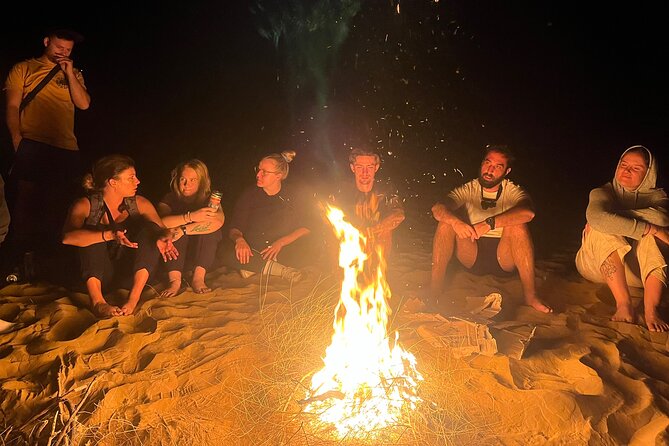
When the camel ride ends, you don’t just hop back in the jeep and disappear. The desert evening keeps going.
Sunset on the dunes
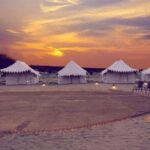
You’ll witness sunset on the dunes, and this is one of the most consistently praised moments. The desert is described as peaceful and quiet, with a non-touristy feel—so you can actually watch the light change without being surrounded by constant interruptions.
From guest comments, chai and snacks show up during this time as well. That small touch helps the moment feel less “logistical” and more like an evening.
Stargazing under dark skies
The tour includes a stargazing experience, tied to the Lake of Dedha area and the idea of unpolluted skies. This is the kind of activity that doesn’t need a gadget. If the night is clear, you’ll see far more than you get in town.
One person described it as magical, with the sky visible before heading home. That matches what you’d expect when the tour timing brings you into true nightfall.
Freshly cooked vegetarian dinner after sunset
After the desert’s darkening, you’ll be served freshly cooked vegetarian dinner. Guests also mention a bonfire setting, which usually means warm light, a relaxed atmosphere, and a meal that feels like it belongs to the place.
This is where the tour becomes more than a ride. You’re eating in the desert, not just stopping for food.
Meeting point, return time, and small practical notes that save you stress
You meet at Trotters Tours & Travels Camel Safari, Shop No. 7, Fort Complex, Gopa Chowk, near Fort Road, Dhibba Para, Manak Chowk, Amar Sagar Pol, Jaisalmer, Rajasthan 345001.
The tour ends back at the meeting point in the activity info, but the overview also says you’ll be dropped back at your hotel by about 9:30 pm. Those two details may differ in practice, so I’d treat it like this: confirm where you’ll be taken at the end, especially if you’re staying outside the Fort area.
Logistics basics from the data:
- You get a mobile ticket
- Group size is capped at 20 travelers
- It’s said to be near public transportation
- No bathroom facility during the tour
- Service animals allowed
- Most travelers can participate
Also, one review described extra help from the office team: a waiting room after check-out until the guest’s return train ticket. That’s not guaranteed in the base info, but it’s a helpful signal that they may try to be flexible if your day logistics are messy. If you’re tight on timing, ask ahead.
Price and value in context: is $34.50 worth it?
At $34.50 per person, this isn’t a budget-trap price. For Jaisalmer, you’re paying for a full evening program that includes:
- Jeep transport out to and back from the desert
- Stops at Lake of Dedha area and Khaba Fort
- A 90-minute camel ride with one camel per person
- Sunset time on the dunes
- Vegetarian dinner cooked after sunset
- A stargazing moment under clearer desert skies
What makes it feel like good value is the ride time. Many camel experiences are short. Here, the 90 minutes is a real chunk, and it’s long enough for the ride to turn from “adjusting” into “settling in.”
The small-group claim (max 20) also matters. Even if you’re not counting exact headcount, smaller groups usually mean less time waiting, fewer disruptions, and a calmer vibe when you’re trying to enjoy sunset and stars.
Who should book this sunset camel safari (and who might want another option)
Book it if you want:
- A non-crowded desert evening rather than a stampede of photos
- A real camel ride length (90 minutes)
- Sunset plus stargazing plus dinner in one package
- Guides who are friendly and attentive, with a reputation for comfort and safety
Skip it (or at least think twice) if:
- You strongly need bathroom access during the activity
- You don’t feel comfortable riding for a sustained period
- You’re looking for a quick, casual excursion that ends early in the afternoon (this one ends around 9:30 pm)
Should you book this Jaisalmer camel safari?
If you want an evening that feels like desert life rather than a checklist, I’d book it. The combination of a longer camel ride, calmer dunes time, and a full sunset-to-stars rhythm makes it more satisfying than many shorter or more crowded tours.
The only real “watch out” is the lack of a bathroom facility and the fact that camel riding takes some adjustment. If you can plan for that, this is a very strong way to spend your Jaisalmer hours.
FAQ
What time does the camel safari start?
The afternoon start changes by season: about 1:30 pm from October to March, and about 2:30 pm from April to September.
How long is the camel ride?
You get a camel ride of about 90 minutes, with one camel allotted per person.
What stops are included before you reach the dunes?
You visit the Ruth Natural Lake Jaseheri area (related to the Lake of Dedha oasis) and Khaba Fort before heading into the Thar Desert and dunes.
Is dinner included?
Yes. After sunset, you’re served a freshly cooked vegetarian dinner in the desert.
Is there a bathroom facility during the tour?
No bathroom facility is listed for this activity.
How large is the group?
The tour has a maximum group size of 20 travelers.