REVIEW · JAIPUR
Full day Jaipur sightseeing tour by tuk tuk.
Book on GetYourGuide →Operated by Jaipur tour taxi cab · Bookable on GetYourGuide
Jaipur is best when the day feels flexible. This private tuk-tuk tour strings together the city’s top landmarks with enough time to actually look, not just rush through, and it runs on hotel pickup and drop-off.
I like two things most: first, the ride itself. You zip through Jaipur’s lanes with an English-speaking driver who keeps things calm and on schedule. Second, the stop mix hits the big names—Amber Fort, Hawa Mahal, City Palace, and Jantar Mantar—without turning the day into a ticket-and-bus workout.
One drawback to plan for: the schedule includes both visits and shorter photo-stop windows. If you want long, unhurried time at every place, you’ll need to steer the day when you’re on the ground so the priorities don’t get squeezed.
In This Review
- Key things that make this tuk-tuk Jaipur tour worth your time
- How the full-day loop stays simple: hotel pickup, private ride, and a driver who controls the rhythm
- Hawa Mahal in 30 minutes: a quick win for photos and first impressions
- Amber Fort and the hilltop mood: 1.5 hours that feel like a proper visit
- Panna Meena ka Kund: a short stop that breaks up the royal-palace pace
- Jal Mahal (on water): a palace view you can enjoy even without a long stay
- Shopping and lunch breaks that protect your day (instead of stealing it)
- Gaitor Ki Chhatriyan: photo stop energy plus an extra hour to slow down
- City Palace and its museums: courtyards and the names behind the story
- Jantar Mantar: UNESCO astronomy tools you can read with your eyes
- If Albert Hall Museum fits: the art-and-objects stop for rainy-day vibes
- The driver and optional guide factor: where the best days get made
- Price and value: why $7 can still work, and what to double-check
- Practical tips so your 8-hour day feels smooth
- Should you book this Jaipur full-day tuk-tuk tour?
- FAQ
- How long is the Jaipur full-day sightseeing tour by tuk-tuk?
- Where does the tour start and end?
- Is the tour private?
- Do I get an English-speaking driver?
- Are entrance fees included?
- Is a guide included?
- Are meals included?
- Does the tour skip the ticket line?
- What cancellation options are available?
Key things that make this tuk-tuk Jaipur tour worth your time
- Private pacing: you can tailor the plan to match your comfort.
- English-speaking driver: helpful in traffic and good for practical navigation.
- Major UNESCO hits: Amber Fort and Jantar Mantar are built into the route.
- Photo-stop structure: you still get strong views from key angles without losing the whole day.
- Hotel pickup + bottled water: small details that keep the day stress-free.
- Optional guide and entrances: what you pay for depends on your selected option.
How the full-day loop stays simple: hotel pickup, private ride, and a driver who controls the rhythm

This is built as an easy, one-day Jaipur highlights circuit. You start with pickup from your hotel (or airport/railway station if that’s your situation), and you finish back where you began. It’s a private group, so you’re not stuck syncing your pace with strangers.
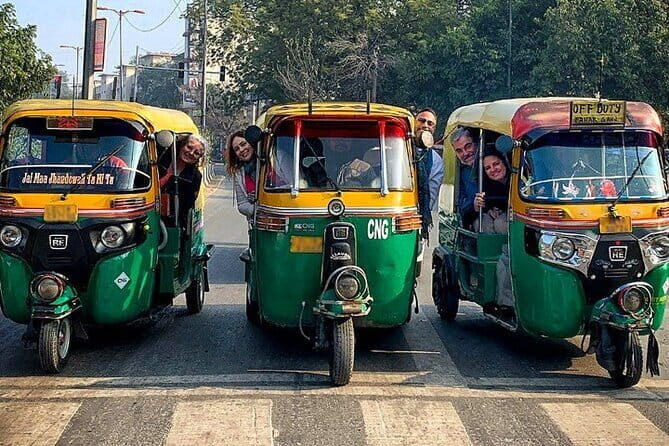
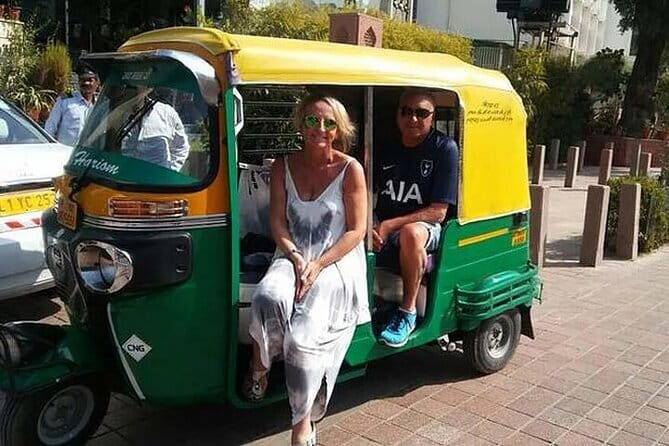
The ride is the charm. A tuk-tuk (with an English-speaking driver) makes it feel like you’re moving like a local, even while you’re visiting the most famous places. The driver’s job isn’t just driving; it’s also timing and navigating. In the experiences I’ve seen from people who booked this kind of day, the best sessions are the ones where the driver stays patient and safe through Jaipur traffic—and actually waits if you want extra minutes for photos or a quick look around.
You’ll also notice the tour is designed with practical stop types. Some places are listed as photo stops plus a bit of sightseeing or a walk. Others are longer visits. That matters because Jaipur is a city where your enjoyment depends on how much time you give each stop—especially at the hilltop sights.
Tip: since the day is only 8 hours, decide early what you care about most. If you love architecture, prioritize Amber Fort and City Palace. If you love a mix of big views and culture, spend your “flex” time on the places that feel most alive to you.
You can also read our reviews of more tours and experiences in Jaipur

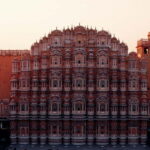

Hawa Mahal in 30 minutes: a quick win for photos and first impressions
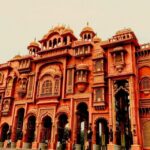
The day usually begins with Hawa Mahal. You get a photo stop plus a short visit/walk window (about 30 minutes). Even when your time is limited, Hawa Mahal’s façade is the kind of landmark that rewards just standing still and looking.
What I like about this early stop: it sets your visual theme for the day. Once you’ve seen those famous latticed windows, the rest of Jaipur’s palace-and-fort details start making more sense. This is also a good place to stretch your legs, orient yourself, and get a “Yes, I’m in Jaipur” moment before you head to the longer sights.
Reality check: because it’s a short time block, you’re not going to wander for hours. Go in with a simple plan—get the photos you came for, do a quick walk for angles, and then move on. That keeps your day from stalling.
Amber Fort and the hilltop mood: 1.5 hours that feel like a proper visit
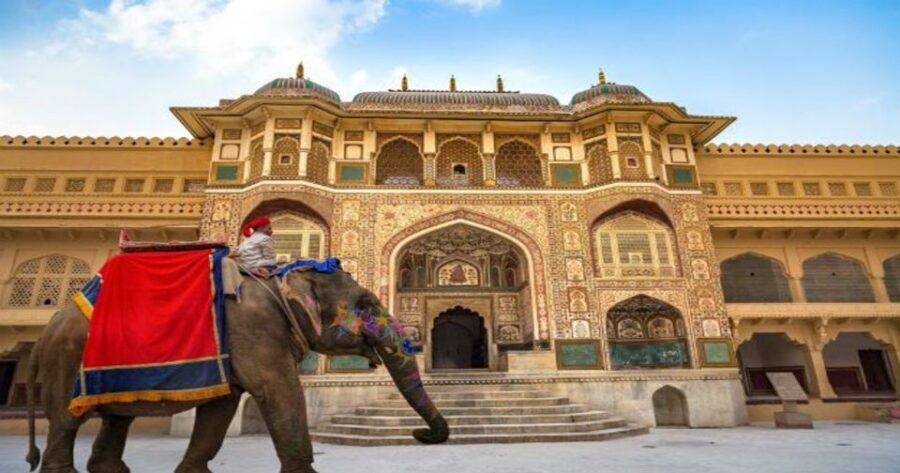
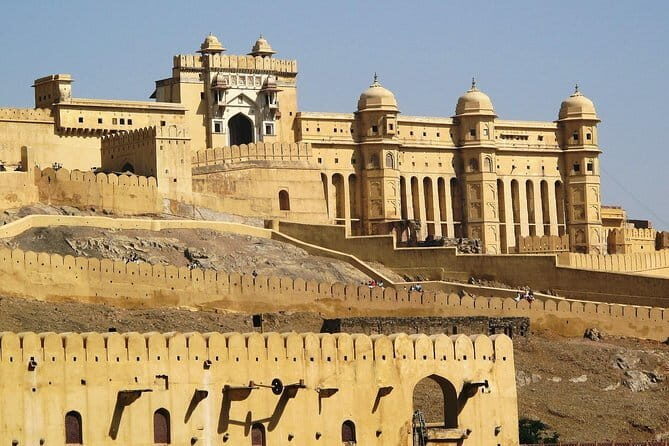
Next is Amber Fort, the big one. You’ll get about 1.5 hours for photo stops, sightseeing, and walking, plus scenic views on the approach. This is a UNESCO World Heritage Site and one of Jaipur’s most popular attractions, so expect it to be visually busy even when it’s not crowded.
Why I love giving Amber Fort a full chunk of time: the experience isn’t only the main complex. The fun is the details—carvings, decorative work, and the overall palace-fort layout perched over the landscape. You also get a “moving viewpoints” element because the route includes scenic views on the way.
Practical note: hilltop sights can add time and effort. If you’re balancing comfort, tell the driver you want a slower pace or a less stressful route through the complex. The tour is set up to tailor to your comfort, and that’s exactly where it helps.
Panna Meena ka Kund: a short stop that breaks up the royal-palace pace
After Amber Fort, there’s a stop for Panna Meena ka Kund—again with a photo stop plus visit/sightseeing around 30 minutes. This is one of those stops that works well mid-tour because it interrupts the “all palaces all the time” feeling.
I like shorter stops like this for one reason: they give you variety without costing you a big time chunk. You’re still learning Jaipur’s story, but you’re not constantly back-to-back-ing the heaviest sites.
If you’re the type who hates feeling rushed, keep an eye on how you spend your 30 minutes. Quick photos are fine, but don’t forget to leave yourself enough time to actually walk and look rather than just glance while moving.
Jal Mahal (on water): a palace view you can enjoy even without a long stay
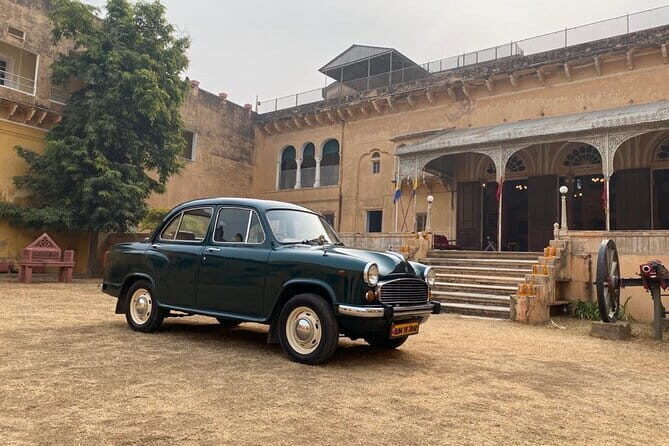
Then comes Jal Mahal, listed as a UNESCO World Heritage Site and described as a beautiful palace on water. You get about 30 minutes for photo stop, visit, sightseeing, and a walk.
Even with limited time, Jal Mahal is a contrast-builder. Amber Fort is all stone and height. Jal Mahal shifts your eye down to the waterline. It’s also a landmark that photographs well because the setting does part of the work for you.
What to do with your time here: don’t treat it like a checklist stop. Spend a couple of minutes just watching how the view changes from different angles, and take your photos quickly so you can enjoy the moment rather than racing it.




Shopping and lunch breaks that protect your day (instead of stealing it)
Between the big monuments, the tour builds in a chunk of shopping and arts & crafts market time (about 1 hour), plus lunch and free time (about 1 hour).
This is smart for two reasons. First, it’s a realistic way to experience everyday Jaipur life. You get a chance to browse without forcing a long detour. Second, lunch and free time prevent the most common tour problem: turning sightseeing into a nonstop sprint.
Two practical reminders:
- Meal expenses aren’t included, so treat lunch as your budget moment.
- Since markets can tempt you to linger, decide ahead if you want a quick browse or deeper shopping. If you go long on shopping, you may feel the squeeze later at the final sights.
If you want local food, use your free time to pick what feels simple and doable. The day’s value is the logistics; you don’t want to burn it on a long sit-down meal that keeps you from your last two stops.
Gaitor Ki Chhatriyan: photo stop energy plus an extra hour to slow down
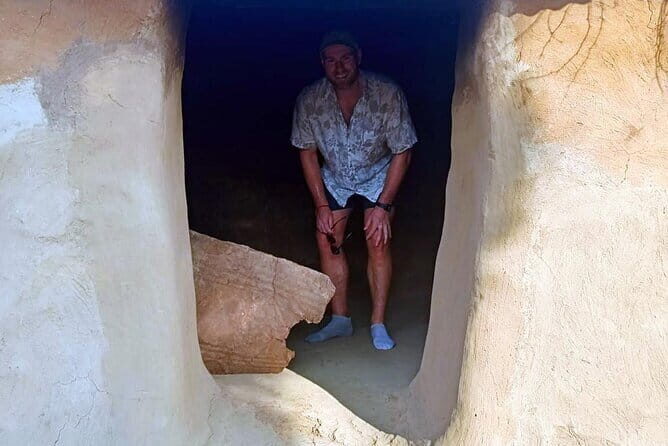
After lunch, you head to Gaitor Ki Chhatriyan with about 1 hour for photo stop, visit, shopping, and sightseeing/walk.
This stop fits well after the market-and-food intermission. It gives you another visual payoff and a chance to stretch your legs without the “hard stop” feeling of some palace interiors. It’s also a spot where shopping can happen without stealing your entire day—so if you want to pick up a small souvenir, this is a better place than trying to shop while you’re already tired.
City Palace and its museums: courtyards and the names behind the story
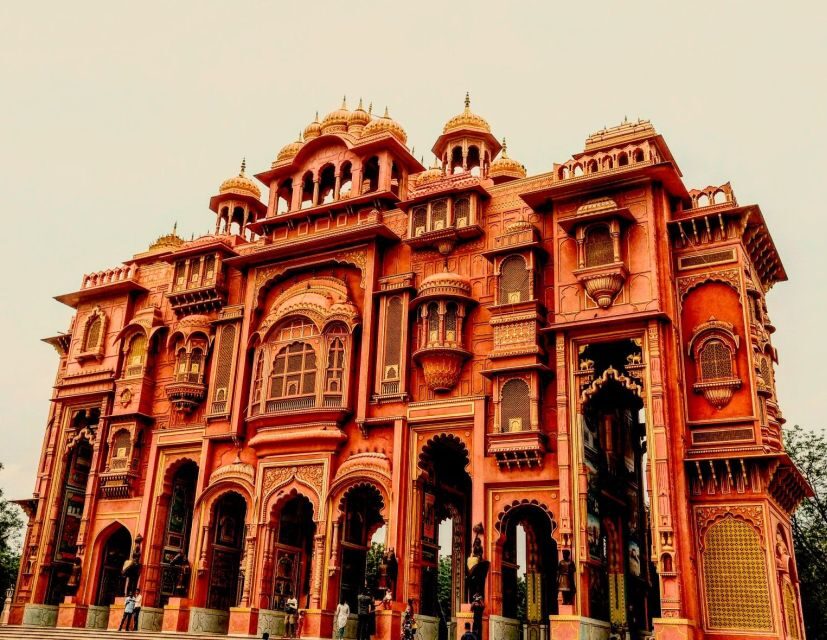
Next is City Palace, with about 1 hour for photo stop, visit, and sightseeing. City Palace is a grand complex built in the 18th century by Maharaja Sawai Jai Singh II. It also houses museums and galleries, including the Maharaja Sawai Man Singh II Museum.
What I like here is the pace the stop naturally creates. City Palace isn’t just one “thing.” It’s courtyards, gardens, and spaces that help you understand how royal power turned into lived-in city structure.
If you’re short on energy, focus on the exterior views and the most open, courtyard-style areas first. If you still have steam, then move into the museum components you’re most curious about. Either way, City Palace rewards you for picking a direction rather than trying to “see everything.”
Jantar Mantar: UNESCO astronomy tools you can read with your eyes
The final major monument is Jantar Mantar, the astronomical observatory built in the 18th century by Maharaja Sawai Jai Singh II. You’ll get about 1 hour for photo stop and visit/sightseeing.
I love Jantar Mantar because it feels both scientific and visual. You’re looking at big instruments and structures designed for observation, and you don’t need a technical background to enjoy the way they’re arranged. The key is to take a slower loop around the site and give yourself time to notice how the tools are built for measuring and tracking.
If you’re getting warm or tired near the end of an 8-hour day, Jantar Mantar is still a solid last stop because it works well as an “observe and understand” experience rather than a “walk and climb” one.
If Albert Hall Museum fits: the art-and-objects stop for rainy-day vibes
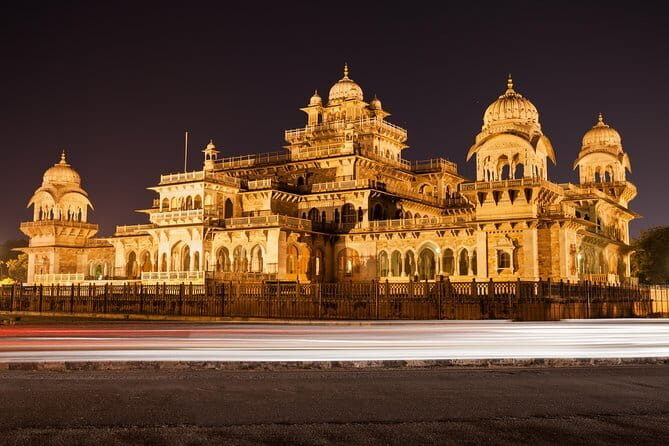
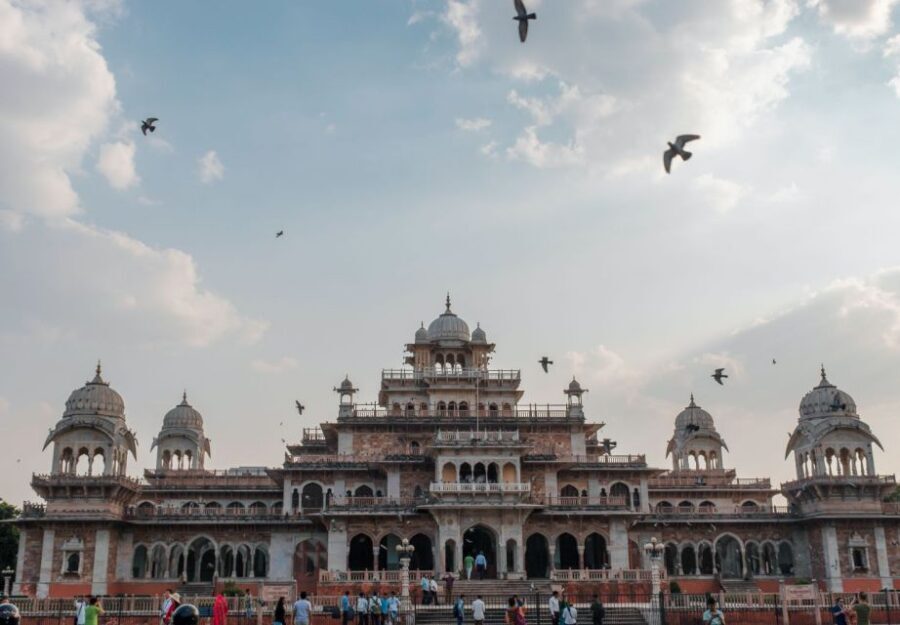
Albert Hall Museum is mentioned as part of the broader day highlights, and it’s housed in a striking building designed by Sir Samuel Swinton Jacob. The museum also holds a wide collection of artifacts and exhibits from across Rajasthan.
The reason I’m calling this out separately is timing. When museums are closed or you hit shifting schedules, a flexible driver/guide can redirect your time. One of the strongest features of this tour style is that you aren’t trapped in a rigid sequence.
If Albert Hall Museum is open when you arrive, it’s a great counterweight to the forts and palaces. You’ll swap “architecture and views” for “objects and stories.”
The driver and optional guide factor: where the best days get made
The quality jump on this tour comes from the people running it. Across bookings, you’ll see English-speaking drivers and guides who are patient, safe in traffic, and good at handling your preferences.
You might be looked after by drivers like Abdul or Avinash, or a team paired with guides such as Mohsin Khan. Some drivers are described as very careful behind the wheel, and others are praised for sharing practical context—how the city works, how neighborhoods connect, and how to make the most of the day without feeling pressured.
Also pay attention to photo help. Several people highlight the ability to take better photos at each stop, often by guiding where to stand and how to frame the views. If photography matters to you, don’t be shy about saying so early.
Price and value: why $7 can still work, and what to double-check
At around $7 per person for an 8-hour day, the value is mainly in the included logistics. You’re getting pickup and drop-off, bottled water, fuel/parking/taxes coverage, and a private ride with a chauffeur/driving setup. That’s the big cost in many cities, and it’s what makes this tour easier than trying to do everything on your own.
But there’s one “read the fine print” angle that matters: entrance fees are included only if you select the option that covers them, and the guide is also option-based. If you choose not to include entrances or not to include a guide, your out-of-pocket cost changes even if the base rate stays low.
What I recommend: check what’s included in your selected option. Then plan your day around the stops you care most about. If entrances are not included, you may still enjoy the photo stops and exterior viewpoints, but your budget will need a little extra for museum/fort tickets.
Practical tips so your 8-hour day feels smooth
Here are the things I’d do to make this tour feel like a win:
- Decide your top two sights before you start (most people pick Amber Fort and either City Palace or Jantar Mantar).
- Use the tailor-to-comfort option early. If you want fewer hurried moments, ask right away.
- Keep an eye on time blocks. Short stops are meant for photo + quick look. If you want longer, trade minutes from shopping or the market hour.
- Plan lunch on your own. You’ll have free time, but meal costs are not included.
- Bring a light layer and stay hydrated. Bottled water is provided, but Jaipur heat can still sneak up on you.
This is also a tour where being clear helps. If you want more walking, say so. If you want less, say so. That’s how you protect the experience from turning into a schedule you’re just surviving.
Should you book this Jaipur full-day tuk-tuk tour?
I’d book it if you want a single day that hits Jaipur’s headline sights with a low-stress setup. The private feel, hotel pickup/drop-off, English-speaking driver, and the mix of forts/palaces/observatory plus market time make it a strong match for first-timers and people who don’t want to coordinate transport all day.
I would think twice if you love long, slow museum-style exploring. The schedule uses shorter photo-stop windows, so you’ll need to guide the pacing. Still, the tour’s flexibility is a real advantage—especially if you’re the type who likes to set your own priorities once you’re in the city.
If you’re aiming for value, comfort, and good coverage in 8 hours, this is one of those tours that makes Jaipur feel doable.
FAQ
How long is the Jaipur full-day sightseeing tour by tuk-tuk?
The duration is 8 hours.
Where does the tour start and end?
Pickup and drop-off are at your hotel, airport, or railway station, and you return to Jaipur.
Is the tour private?
Yes, it is a private group.
Do I get an English-speaking driver?
Yes, the driver is listed as English-speaking.
Are entrance fees included?
Entrance fees are included only if the option is selected.
Is a guide included?
A guide is included if you choose the option that includes a guide.
Are meals included?
No. Meal expenses are not included, though you’ll have lunch and free time during the day.
Does the tour skip the ticket line?
Yes, it includes skipping the ticket line.
What cancellation options are available?
You can cancel up to 24 hours in advance for a full refund.