REVIEW · MATHURA
From Delhi : Elephant Conservation and Care Centre -Wildlife
Book on GetYourGuide →Operated by Sunrise Taj Mahal Tour · Bookable on GetYourGuide
Elephants with a purpose is the theme here. This Wildlife SOS Elephant Conservation and Care Centre day trip takes you from Delhi to Mathura to see how rescued elephants are rehabilitated and cared for, not just viewed. The setting is designed to let elephants live with daily walks, open space, and a water pool, all under professional conservation care.
What I like most is how practical it is. You get a private AC car with an English-speaking driver and roundtrip pickup/drop from the Delhi side (including Aerocity as an option), which is a huge stress-saver in traffic. I also like the structure of the visit: you’re given time to watch elephants moving around the center and to join a guided explanation of the elephants’ rescue stories and care.
One thing to consider: this is a care center, not a wild elephant safari. If you’re expecting elephants to feel exactly like they’re roaming totally free in the wild, your experience may feel different—some people want more “open roaming” than a conservation facility can realistically provide.
In This Review
- Key things to know before you go
- A day trip from Delhi to Mathura: what the AC car is really for
- How far can you realistically expect to sit in the car?
- Wildlife SOS: what you’re paying for (and what you’re supporting)
- You’ll also hear broader rescue stories
- On-site experience: the 1.5-hour visit that stays focused
- What the walk and viewing time feels like
- A note on expectations
- Grounds for elephant welfare: vegetation, open fields, and the water pool
- Why these setup details matter
- The elephant rescue story: how to read what you see
- A realistic way to approach it
- Price and value: is $109 reasonable for a private day trip?
- Who feels the best value?
- Comfort checklist: what to bring for a full, warm day
- Who should book—and who should think twice
- Not suitable for
- A good match for
- Dealing with the two common “watch-out” issues
- 1) Logistics and timing clarity
- 2) “Roaming free” expectations
- Should you book this Elephant Conservation and Care Centre day trip?
- FAQ
- What is the duration of the tour?
- Where do I get picked up in Delhi?
- What’s included in the price?
- Is lunch included?
- Is the tour wheelchair accessible?
- Who should avoid booking?
Key things to know before you go
- Private AC transport from Delhi (Aerocity and hotel/airport pickup areas) makes this a workable day trip
- About 1.5 hours on site gives you a focused window for walking, viewing, and learning
- Rehabilitation angle: you’re there to support rescued elephants’ recovery, not just take photos
- Natural-feeling grounds with vegetation and open fields aim to match daily elephant routines
- Water pool play and bathing is part of the elephants’ daily life at the center
- English-language guidance helps you understand why some rescues were so urgent
A day trip from Delhi to Mathura: what the AC car is really for
This is the kind of outing that works because the logistics are handled. You’re picked up from the Delhi area (hotel or airport side, with Aerocity in New Delhi listed as a pickup option) and driven to Mathura. Since this is a full-day plan, the value of a private AC vehicle with a driver is simple: you spend less energy figuring out routes and more energy preparing yourself for what you’ll see.
Also, the drive matters more than you’d think. One clear theme in driver feedback is that navigating Indian traffic takes skill, and the better drivers make the day feel calm even when the road gets busy. If you’re prone to motion discomfort, plan to use the AC, sit where you feel best, and bring sunglasses—comfort helps you enjoy the day instead of just surviving the ride.
You can also read our reviews of more tours and experiences in Mathura.


How far can you realistically expect to sit in the car?
The exact journey time isn’t fixed in the details you’re given, because it depends on traffic and the pickup point you choose. But you should mentally budget for a longer travel day. Plan your energy like it’s a full excursion, not a quick stop.
Wildlife SOS: what you’re paying for (and what you’re supporting)
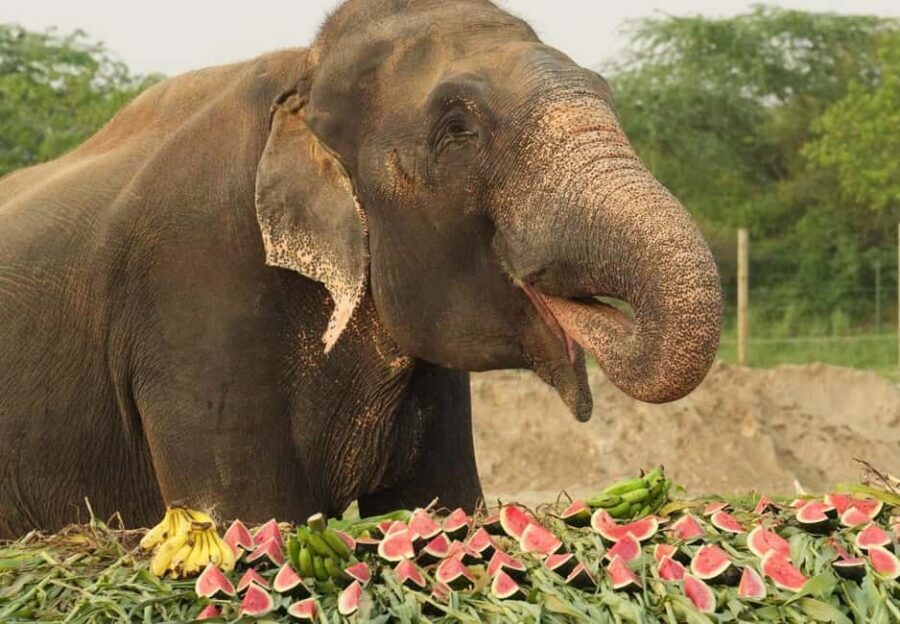
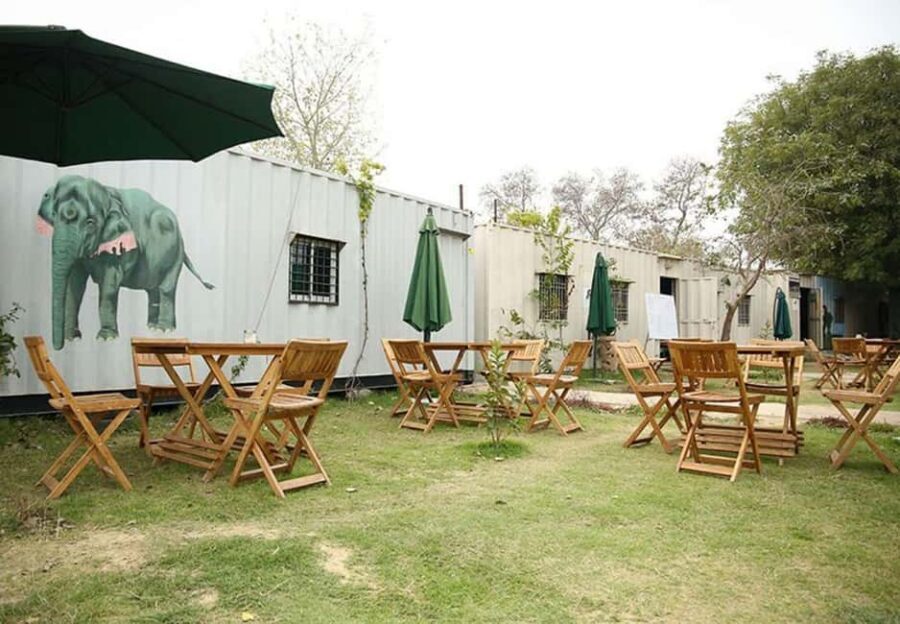
The heart of this experience is the Wildlife SOS Elephant Conservation and Care Centre, a project created in 2010 in collaboration with the state government. The elephants here were rescued from harsh situations—some faced exploitation for hard work with little to no safety or care. The center’s goal is rehabilitation and daily welfare, with staff building a routine that lets the animals recover physically and adapt to safer environments.
This is where the visit becomes more than a wildlife outing. Your entry supports ongoing care, and your time on site helps you understand the difference between a conservation center and a pure entertainment setup. If you’ve ever wondered how to spot responsible elephant experiences, this is one of the clearer ways to frame it: look for centers that focus on rescued animals’ recovery, with grounds and routines built around welfare.
You’ll also hear broader rescue stories
Even though the spotlight is on elephants, the guidance you receive can include context about other wildlife the organization deals with. In past experiences, visitors have shared that the information covered the fate of rescued elephants and bears. You might not hear every detail in every visit, but expect a conservation-focused explanation rather than a scripted “look at the animal” tour.
On-site experience: the 1.5-hour visit that stays focused
Your time at the center is organized to keep things clear and efficient. The on-site segment is listed as 1.5 hours, including a mix of photo stop, visit, sightseeing, walk, and wildlife viewing. That’s a realistic timeframe: long enough to watch behavior and absorb what the guide is explaining, but not so long that you’ll feel drained if the day trip starts early.





What the walk and viewing time feels like
You’re not just standing in one place. The plan includes a chance to walk within the center and watch elephants as they go about their daily routine. This matters because elephant behavior is subtle. The more you can watch from a comfortable spot and still move your eyes and attention with the guide, the more you’ll understand what “care” actually looks like day to day.
If you like calm, observational travel—more “watch and learn” than “rush for a photo”—this timing usually fits well.
A note on expectations
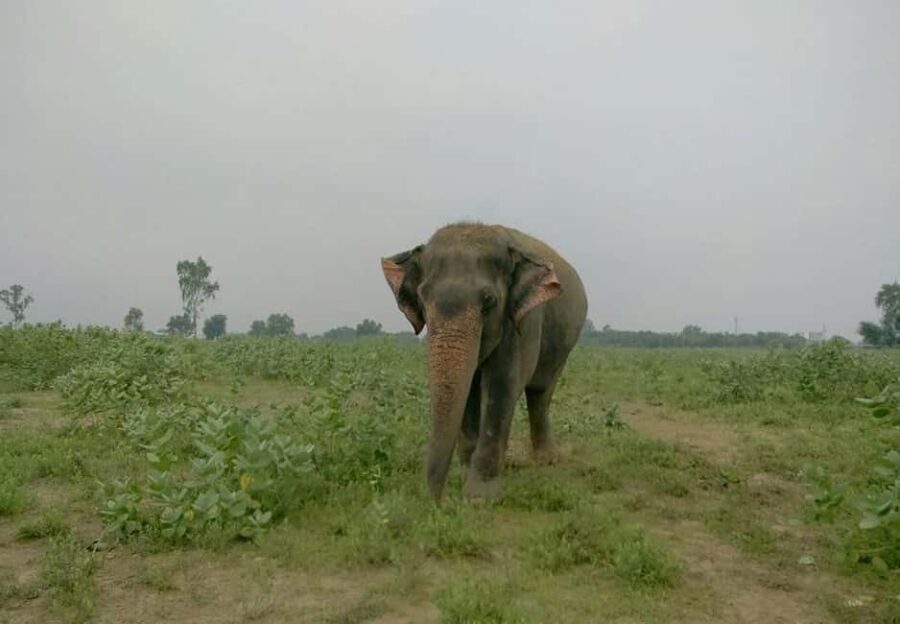
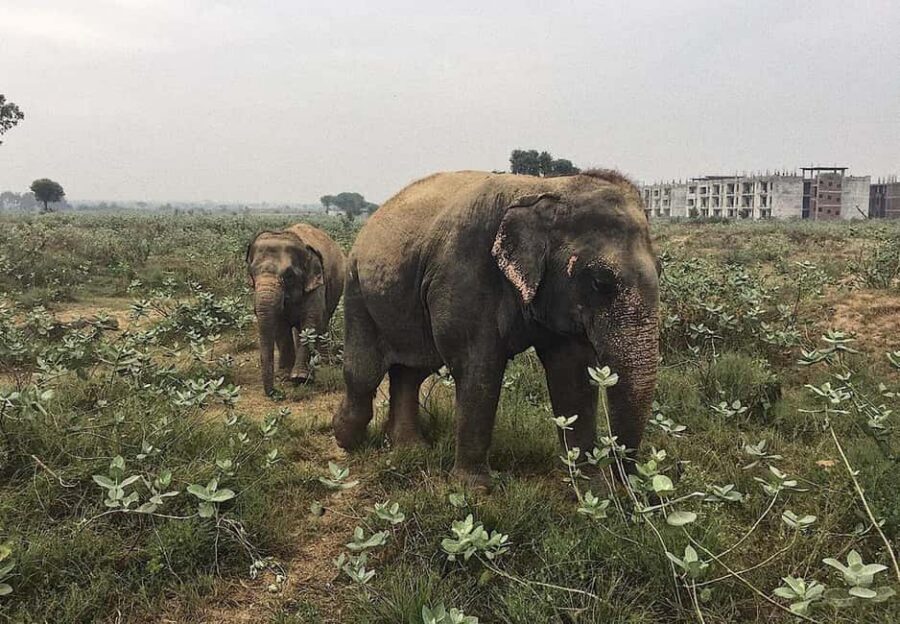
Some visitors want a more “free-roaming” feel. The center offers spacious areas with vegetation and open fields, and elephants can enjoy daily walks. Still, they’re in a conservation facility, so it won’t match a true wild habitat experience. If you’re emotionally attached to the wild version of elephant life, come ready for a different but important kind of story.
Grounds for elephant welfare: vegetation, open fields, and the water pool
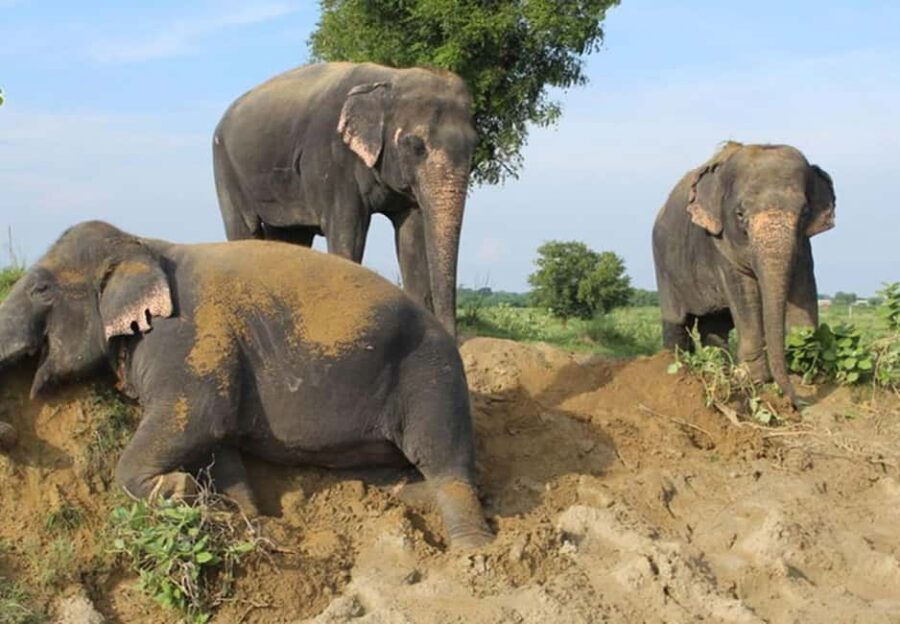
The center is described as having an environment that’s meant to feel as close as possible to a natural setting, including natural vegetation and open fields. You’ll likely see elephants moving around those spaces rather than staying in a bare, artificial area.
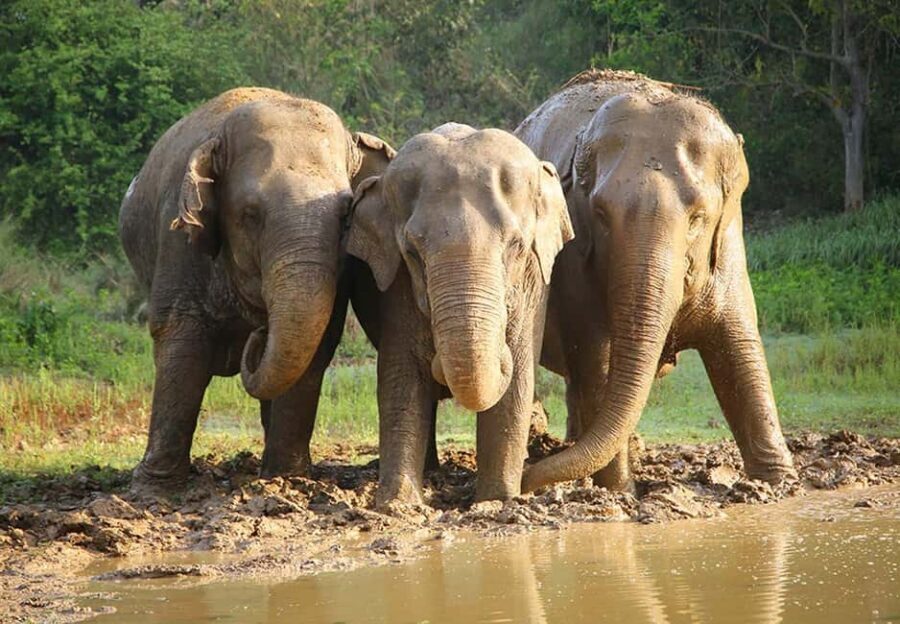
Another key detail is the water pool facility. The information you’re given specifically highlights that elephants can play and bathe there. For many people, seeing elephants engage with water—calmly, actively, and in a way that looks like normal behavior—is one of the most hopeful parts of a rescue-focused visit.
Why these setup details matter
It’s easy to reduce an animal-care visit to a checklist. But welfare design isn’t just “nice to have.” If an elephant can move, choose space, and interact with water, you get a better sense that the center is thinking in terms of daily needs, not just short-term viewing.
The elephant rescue story: how to read what you see
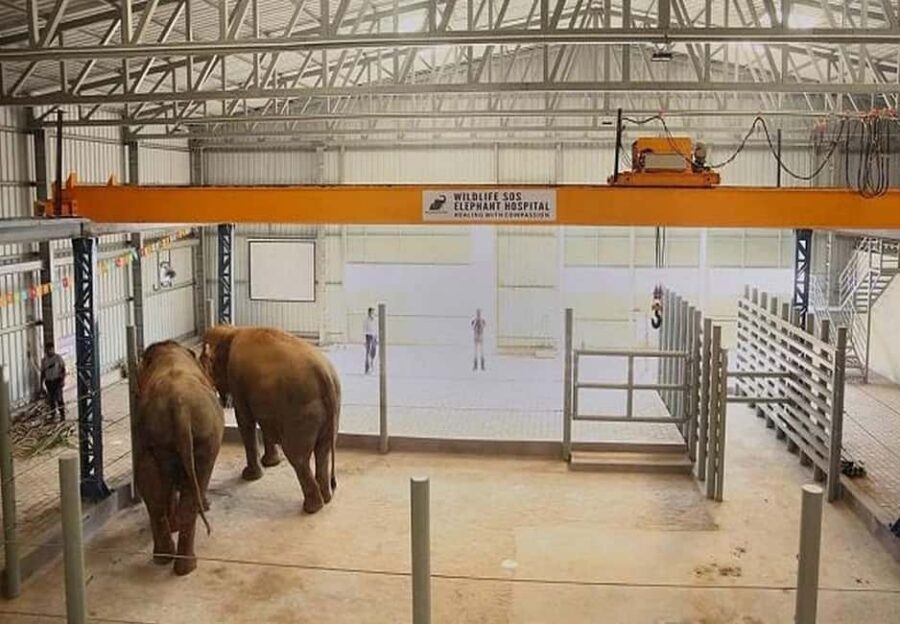
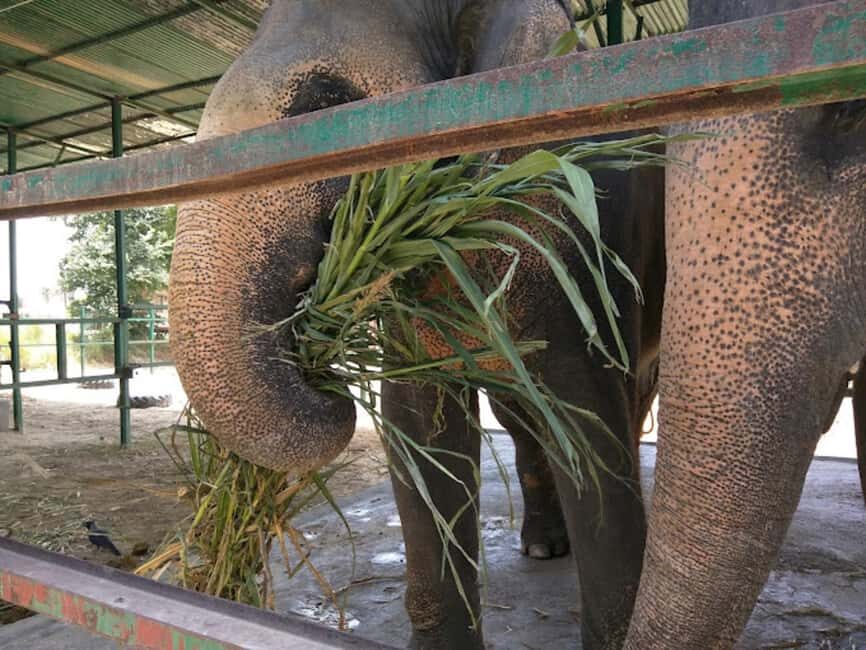
The elephants in the care center were rescued from situations that were described as gruesome, including cases where they were forced into hard work under harsh conditions without safety and care. That context can shape how you watch behavior. You may find yourself looking for signs of comfort: relaxed movement, social tolerance where relevant, and engagement with the environment like walking areas and water.
If you’re the type who gets emotional easily, this can land hard—in a good way. Some of the strongest feedback I’ve seen on experiences like this highlights how the explanation turns into empathy. The day can feel joyful in places, but it’s also a reminder of how much care is needed when animals are harmed.
A realistic way to approach it
Go in with two minds at once:
1) Appreciate the day-to-day life you’re seeing now.
2) Stay honest about why the elephants are there.
That balance is what makes a visit like this feel meaningful rather than just “sad and done.”
Price and value: is $109 reasonable for a private day trip?
At $109 per person for a 1-day plan, this sits in the mid-range for private guided wildlife experiences from Delhi. The best value angle isn’t just the entrance—it’s the total package: a private AC car with driver, roundtrip pickup/drop from the Delhi area, and a guided introduction that helps you interpret the center responsibly.
Also, the details note entrance fees are included if you choose an all-inclusive option. So if you’re comparing prices, make sure you’re comparing like-for-like. A cheaper ticket that doesn’t include the ride may cost you more once you hire transport separately.
Who feels the best value?
You’ll usually feel the value strongest if:
- you want door-to-door convenience from Delhi/Aerocity
- you care about having someone explain the conservation context
- you prefer private transport over joining something that can be slower and harder to manage
If you’re already comfortable arranging your own transport and don’t need a guided explanation, the value shifts. But for most people doing a one-day window, the convenience is a big part of the buy.
Comfort checklist: what to bring for a full, warm day
The essentials listed are worth following because Mathura weather can be bright and warm depending on the season. Pack:
- Comfortable shoes (you’ll do some walking and standing)
- Sunglasses and a sun hat
- Comfortable clothes suitable for outdoor time
- Passport or ID card
Also remember lunch and drinks aren’t included, so plan food timing around the center visit and the drive back.
Who should book—and who should think twice
This trip is rated 4.7 with a solid set of past experiences, and the positive notes consistently point to the center’s conservation approach and the quality of the driver experience. But it’s not for everyone.
Not suitable for
The tour information says it’s not suitable for people with heart problems or pre-existing medical conditions. If you fall into that category, it’s better to look for a gentler alternative that fits your medical needs and reduces physical strain.
A good match for
You’ll likely enjoy this most if you:
- want a single-day option from Delhi for elephant conservation learning
- care about animal welfare and rehabilitation
- prefer structured time on site (with viewing and explanations), rather than wandering without context
Dealing with the two common “watch-out” issues
From the information you’ve got, and from the reality of conservation visits, two considerations show up.
1) Logistics and timing clarity
Some feedback calls for more clarity about journey times and time on site. The center visit is fixed as 1.5 hours, but the full-day travel portion can vary. If you’re planning a tight schedule after you return to Delhi, keep your next appointment flexible.
2) “Roaming free” expectations
Even with open fields and vegetation, elephants in a care center aren’t wild. If your mental picture is elephants bathing in a totally natural river environment with maximum freedom, the setting can feel more controlled. That doesn’t mean it’s fake conservation—just a different goal: rehabilitation and welfare.
Should you book this Elephant Conservation and Care Centre day trip?
I think it’s a strong choice if you want a responsible, one-day way to support elephant rescue and learn what rehabilitation looks like. The combination of private AC transport, a focused on-site visit, and a welfare-first center makes it a practical use of time from Delhi.
Skip it or choose another option if:
- you need a very short day with minimal driving
- you’re hoping for a wild-safari feel and total open-roaming freedom
- you have medical limitations that make a longer travel day and outdoor walking difficult
If your goal is conservation-minded animal care—watching elephants in a setting built for welfare—then this is the kind of visit that can stay with you.
FAQ
What is the duration of the tour?
It’s listed as a 1-day experience, with about 1.5 hours spent at the Elephant Conservation and Care Centre.
Where do I get picked up in Delhi?
Pickup is available from Delhi hotel or the airport area (including Aerocity in New Delhi as an option). The driver will collect you from your chosen pickup location.
What’s included in the price?
Included items are the private AC vehicle with driver, water bottle in the car, pickup and drop from Delhi Airport/Hotel, the guide who explains the elephant rescue, and (if you choose the right option) entrance fees to the Wildlife SOS center. Tolls, taxes, parking, and fuel are also included.
Is lunch included?
No. Lunch and drinks are not included.
Is the tour wheelchair accessible?
Yes. The experience is listed as wheelchair accessible.
Who should avoid booking?
The tour is listed as not suitable for people with heart problems or pre-existing medical conditions. It also notes that pets are not allowed, and alcohol and drugs are not allowed.
If you want, tell me your pickup point in Delhi (hotel area or Aerocity) and your travel month, and I’ll help you plan a realistic day schedule around the drive and the on-site time.