REVIEW · MATHURA
From Agra: SOS Elephant Conservation & Bear Rescue Day Trip
Book on GetYourGuide →Operated by GRAND INDIA TOURS - GIT · Bookable on GetYourGuide
Those huge animals have stories.
This is a 1-day conservation-focused day trip from Agra that takes you to Wildlife SOS facilities for elephants and sloth bears, where rescued animals are rehabilitated instead of used for entertainment. I like how the day mixes big-animal closeness with clear explanations, and how the schedule also includes a nature setting at Keetham Lake. One thing to consider up front: the day runs as a long drive-and-visit format, and it will feel like a full day, not a quick stop.
Two things I especially like: first, you’ll hear the rescue backstory and see how care is planned and carried out, not just how animals look on site. Guides such as Sunny have a way of making the science and the ethics click, and the sanctuary-side staff like Vishan focus on the animals’ welfare details while you’re there. Second, you get activities like feeding and bathing as part of animal-care routines, which helps you understand what “care” actually involves.
The main drawback is practical, not emotional: meals aren’t included, so you’ll want to plan for lunch time (the itinerary includes a lunch break in Mathura) and keep water handy. If you’re sensitive to heat or long sit-down gaps, pack smart and pace yourself.
In This Review
- Key Points You’ll Really Care About
- Why Rescue Centers Near Agra Feel Different Than a Zoo
- Getting From Agra: The AC Car and the Wildlife Expert Guide
- Wildlife SOS Elephant Conservation & Care Center: What You’ll See and Do
- The care activities you may be part of
- What it feels like in the enclosure area
- The Documentary: The Stories Behind Rescue and Treatment
- Lunch Break in Mathura: A Practical Reset
- Keetham Bear Park at Keetham Lake: Bear Welfare in a Nature Setting
- What makes this stop special
- Walking and wildlife viewing
- What’s Included, What Costs Extra, and Where Value Comes In
- Practical Tips: What to Bring and What Not to Do
- Who This Tour Fits Best (and Who Should Skip It)
- Should You Book the SOS Elephant and Bear Rescue Day Trip from Agra?
- FAQ
- How long is the day trip?
- What does the tour price include?
- Are meals included?
- Do I need to pay donation fees or park entry fees?
- Is the tour guide available in English?
- Can I feed the animals or take flash photos?
- What should I bring for the day?
- Is the tour suitable for everyone?
Key Points You’ll Really Care About
- Real rescue work at Wildlife SOS, not a theme-park visit
- Elephant and sloth bear rehab stories explained by an English-speaking guide
- Documentary viewing that connects the animals’ histories to treatment and recovery
- Keetham Lake nature time around the bear rescue center
- Hands-on style activities like feeding and bathing (with clear rules)
- Smooth pickup from multiple Agra locations in a private AC car with a wildlife expert guide
Why Rescue Centers Near Agra Feel Different Than a Zoo
Agra is famous for monuments, but this day trip shifts the focus to something far more human and local: what people do to correct harm. You’re visiting the Elephant Conservation Center and the Keetham Bear Park for rescued elephants and sloth bears, including animals brought in from temples, circuses, and villages where they were used for transportation and domestic purposes.
What I like most is the tone of the day. It’s not about crowds and tricks. It’s about rehabilitation, treatment, and long-term care, with you learning the why behind each step.
You can also read our reviews of more tours and experiences in Mathura


Getting From Agra: The AC Car and the Wildlife Expert Guide
You start with hotel pickup in Agra, using a private air-conditioned car. This matters more than it sounds: the day involves travel between sites and a lunch stop, and the AC ride makes the heat manageable if you’re visiting in warmer months.
Your guide is a wildlife expert and the tour runs in English, which is a big deal for a conservation topic where details matter. People have described guides like Sunny as friendly and informative on the drive, and that early context helps when you arrive at the centers and you see the animals in a proper care setting.
Also, you’ll travel with someone who’s used to local traffic and timing. In at least some cases, the driver has been noted as extremely patient when roads got slow, which can save your energy for the main event.
Wildlife SOS Elephant Conservation & Care Center: What You’ll See and Do
This is the longest stop of the day, with several hours dedicated to the elephant conservation side. You’ll learn about the rescue and rehabilitation process and why elephants need specialized care after a difficult past.
Expect to hear about elephants that were rescued from environments where they were used for human work—places like temples and circuses. The message is direct: this isn’t just a sad backstory, it’s part of how care teams understand injuries, stress, and long-term wellbeing needs.
The care activities you may be part of
The experience can include activities tied to elephant care, such as feeding and bathing. You won’t be left guessing what’s happening, because the guides and keepers explain the routine and what you’re allowed to do. That’s also where the rules matter: flashing photos and trying to feed animals yourself are both off-limits.
If you’re worried that the day will be too hands-on, relax. You’re participating inside a structured care environment, not improvising around animals. The goal is education and animal welfare, not performance.
What it feels like in the enclosure area
You’ll be close enough to really register the scale of elephants. That can be emotional, especially when you’re hearing the rescue stories while watching daily care routines. The best approach is to watch, ask questions, and let the explanations land rather than trying to turn the visit into a photo shoot.
The Documentary: The Stories Behind Rescue and Treatment
Between the on-site learning and the animal viewing, you’ll watch a documentary about the rescue programs and how treatments are carried out. This is one of those add-ons that can make the day feel coherent.
Why it helps: you go from seeing an elephant or a sloth bear in a calm care environment to understanding the medical and operational side of getting them there. The day becomes less about shock and more about cause, recovery, and follow-up.
If you’re the kind of traveler who likes context, this film time is valuable. Even if you’re not a documentary person, the day’s strongest moments usually connect to the film and the guide’s explanation right after.
Lunch Break in Mathura: A Practical Reset
After the elephant center, you’ll get a break and a lunch stop in Mathura. It’s a welcome pause in the day, especially if you’ve been in sun and walking.
Since meals aren’t included, this is where you’ll want to plan your own food and hydration. Keep it simple: a reliable meal, water refill if you can, and then back to the car feeling human again.
This lunch window also helps you shift mentally from elephants to bears. You’ll be heading to a different animal and a different environment, so a short reset improves how you take in the bear park section.
Keetham Bear Park at Keetham Lake: Bear Welfare in a Nature Setting
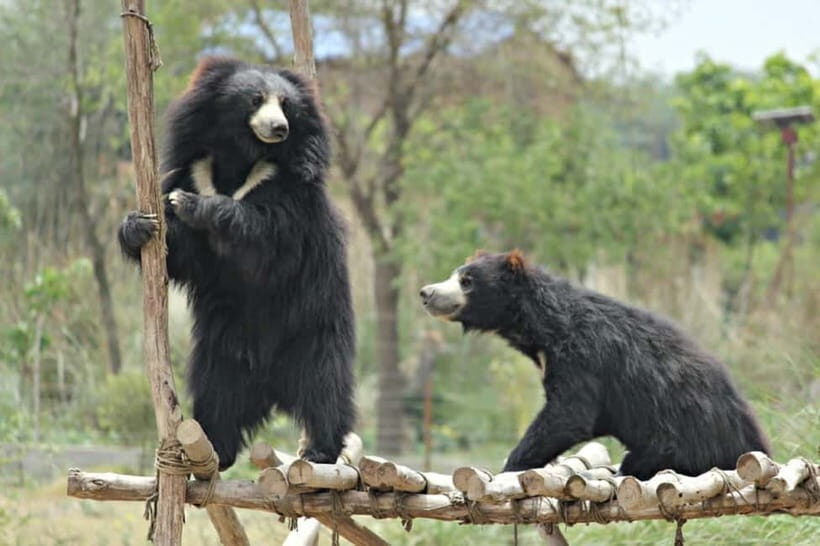
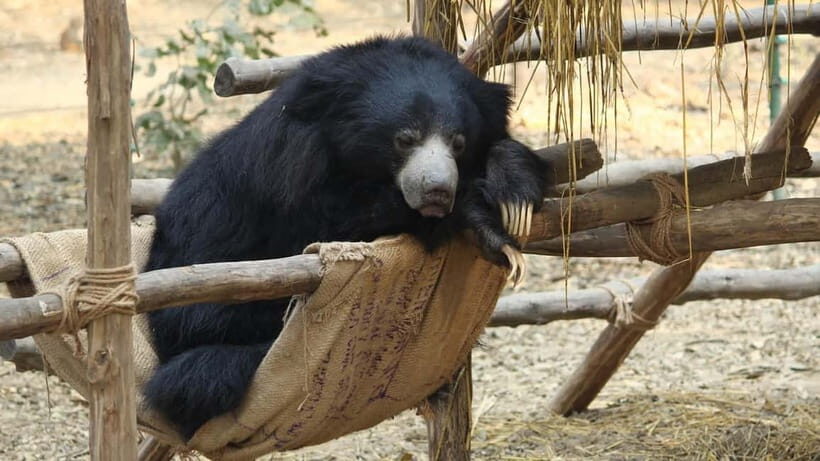
The second main animal visit is at the Keetham Bear Park (in the area around Keetham Lake). You’ll have a guided visit and time to walk and view wildlife in the park setting, with the total bear-park block lasting about a couple of hours.
Sloth bears have a unique reputation, and many visitors come into the day with only basic knowledge. Here, the focus is on rehabilitation and welfare after rescue, including the types of injuries and suffering that can come from humans exploiting animals.
What makes this stop special
It’s the combination of animals plus habitat. You’re not just transported from one enclosure to another. You’re in a landscape area that supports vegetation and wildlife where the bear rescue center operates.
That matters because rescue and rehab aren’t just medical. A proper environment, quiet spaces, and predictable routines can be as important as treatment itself. You’ll notice the tone of the guide: they’ll steer you toward understanding welfare, not just animal viewing.
Walking and wildlife viewing
The walking portion is usually gentle and designed for viewing time. Still, wear comfortable clothes and expect some walking during the guided block. If you’re sensitive to heat, plan to start early energy-wise and keep water close.
What’s Included, What Costs Extra, and Where Value Comes In
This tour is priced at $32 per person for a 1-day experience with hotel pickup and drop-off, a private AC car, an English-speaking wildlife expert guide, and documentary viewing.
That’s strong value for Agra, where you can easily spend similar amounts just getting in and out of sites without an expert guide explaining the conservation side. The private car also helps you keep the day efficient.
That said, two costs can add up:
- Donation fees to the sanctuaries aren’t included
- Meals and park entry fees aren’t included
In other words, you’re paying for interpretation and transport, while the centers cover their own running costs through donations and any local entry fees. If you want to support the work, budget a bit extra for donations.
Practical Tips: What to Bring and What Not to Do
For a day like this, packing smart makes the visit more comfortable and more respectful.
Bring:
- A hat
- Sunscreen
- Water
- Insect repellent
- Comfortable clothes
- A camera (non-flash)
Don’t do:
- Flash photography
- Smoking
- Feeding the animals yourself
That feeding rule is especially important. Many animal-care settings allow structured feeding only under staff guidance, and this tour keeps it that way. It’s safer for you, and better for the animals.
One more small thought: if you’re taking lots of photos, keep them ready but don’t forget to look up and watch the care happening. The day is most meaningful when you’re not constantly behind a camera screen.
Who This Tour Fits Best (and Who Should Skip It)
This trip is a good fit if you want Agra beyond the usual monument loop. It’s also a strong choice if you care about ethics and want to learn how rescued animals are rehabilitated.
It’s also worth it if you value guided explanation. With an English-speaking guide and sanctuary-side staff offering information, you’ll likely understand more than you would by going solo.
It may not be suitable for:
- Children under 3
- Pregnant women
- Wheelchair users
- People with animal allergies
If any of these apply, it’s best to consider alternatives that match your comfort and safety needs.
Should You Book the SOS Elephant and Bear Rescue Day Trip from Agra?
I’d book it if you want a day that’s both memorable and meaningful. It’s one of the best ways to see conservation work up close in the Agra area, and it helps you take a clear stand on animal welfare without turning the visit into a performance.
Book it if you:
- Want expert guidance in English
- Prefer conservation over a zoo feel
- Like learning how rescue stories connect to treatment and daily care
- Can handle a full day with a lunch break and no included meals
Skip it if you:
- Need meals fully included
- Prefer very short sightseeing blocks
- Have restrictions that make walking, heat, or animal proximity hard for you
If you’re even slightly curious about elephants and sloth bears beyond the headlines, this one is worth your time.
FAQ
How long is the day trip?
The experience runs for 1 day, with a full-day schedule that includes time at the elephant conservation center, a lunch break, and time at the bear rescue center.
What does the tour price include?
It includes hotel pickup and drop-off in Agra, a private air-conditioned car, a wildlife expert guide, and documentary viewing. It also includes the bear sanctuary and elephant sanctuary participation, with the note that donation fees are not included.
Are meals included?
No. Meals are not included, so you’ll need to plan for food during the lunch break.
Do I need to pay donation fees or park entry fees?
Donation fees for the sanctuaries are not included, and park entry fees are also not included.
Is the tour guide available in English?
Yes, the live tour guide is English-speaking.
Can I feed the animals or take flash photos?
No. Feeding animals and flash photography are not allowed.
What should I bring for the day?
Bring a hat, camera, sunscreen, water, insect repellent, and comfortable clothes.
Is the tour suitable for everyone?
It’s not suitable for children under 3, pregnant women, wheelchair users, or people with animal allergies.