REVIEW · AGRA
Delhi: Old and New Delhi Guided Private Tour
Book on Viator →Operated by Travocation Group · Bookable on Viator
Delhi moves fast. That is the charm of this private day: Old Delhi landmarks and New Delhi icons in one organized route, with hotel pickup and a driver in an AC private car. You start with Jama Masjid, then slide into the noise and smells of Chandni Chowk by rickshaw, before heading to quieter, bigger sites like India Gate, Qutub Minar, and Humayun’s Tomb. Two things I like a lot are the way Jama Masjid sets a majestic mood early and the fact that the day hits two UNESCO stops you can actually understand in a few hours. One possible drawback: it’s a long day (listed at about 8 to 16 hours), so you’ll want to pace yourself and stay flexible around traffic and meal timing.
The other big win is the human factor. With a professional tour guide riding with you the whole time, you get the story behind the stones, not just selfies. And the driving matters here; if you get a careful, efficient driver like Teekam, you’ll waste less time parked in traffic and more time walking through sites while you’re fresh. If time management is handled well, the schedule feels smooth; if not, you may end up adjusting lunch plans on the fly.
In This Review
- Key highlights that make this tour worth your time
- How a private Old-and-New Delhi day actually feels
- Jama Masjid: the morning landmark that sets the tone
- Chandni Chowk by rickshaw: street life with a navigator
- Raj Ghat: a quiet pause in the middle of the action
- Lunch in Old Delhi: planning for real food time
- India Gate: war memorial stop with a lingering atmosphere
- Qutub Minar: UNESCO and the kind of detail you notice up close
- Humayun’s Tomb: gardens and Mughal architecture before the Taj Mahal
- The car, driver, and guide: why private matters here
- Value for the money: where the $56.17 cost makes sense
- Who this tour fits best
- A few smart ways to get the best day possible
- Should you book this Old-and-New Delhi private tour?
- FAQ
- Is pickup from my hotel included?
- Is this tour private or shared?
- How long is the tour?
- Are monument entrance fees included?
- Is lunch included?
- Does the tour include air-conditioned transport?
- What’s not included in the price?
Key highlights that make this tour worth your time
Private, air-conditioned comfort all day with pickup and a dedicated driver
Jama Masjid early start for the grand Mughal feel and easy photo angles
Chandni Chowk by rickshaw for textiles and spices at street level
UNESCO pairing: Qutub Minar plus Humayun’s Tomb, both Mughal-era anchors
A real lunch pause (buffet option) so you’re not sightseeing on empty
Guides who chat: some departures have English or Spanish-speaking guides like Akash and Pallavi, so Q&A stays easy
How a private Old-and-New Delhi day actually feels
This tour is built for momentum. You’re not trying to fit Delhi into a spreadsheet; you’re moving from one landmark to the next with a guide to connect the dots. That matters in a city where distances can feel bigger than the map suggests.
Because the day runs roughly 8 to 16 hours, you’ll feel both sides of Delhi: the intense street energy of Old Delhi and the wider boulevards around New Delhi monuments. The best approach is simple: wear comfortable shoes, carry water, and treat lunch as part of the sightseeing, not a separate chore.
You can also read our reviews of more guided tours in Agra



Jama Masjid: the morning landmark that sets the tone

You begin at Jama Masjid, the Mughal-era mosque built in the 17th century by Emperor Shah Jahan. The big red sandstone presence and the marble domes make it feel monumental even before you step deeper into the complex.
This is one of those stops where your guide can change the whole experience. Instead of just looking at architecture, you’ll learn how the mosque fits into Delhi’s Mughal era and why this site became a central gathering point. I also like that your time here is scheduled as a full hour, which gives you room for a calm walk, not just a rushed photo sprint.
Practical tip: dress and behave respectfully here. You’ll want to keep your timing slow and steady, because crowds can be unpredictable around a famous mosque.
Chandni Chowk by rickshaw: street life with a navigator
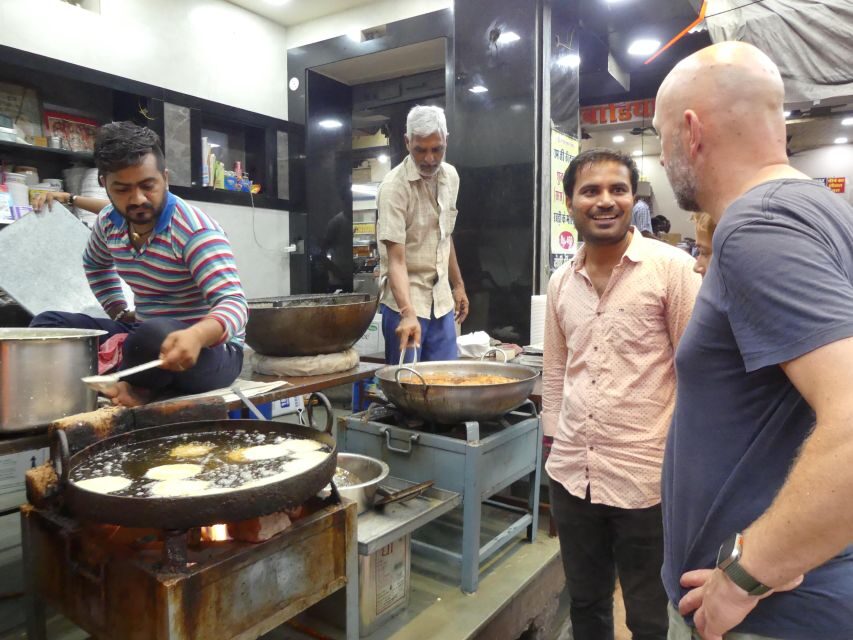
After Jama Masjid, you jump into Chandni Chowk with a rickshaw ride. This is the classic Old Delhi market world: narrow lanes, vendors, and lots of shopping energy—especially for textiles and spices.
What makes this stop work on a guided private tour is that you’re not guessing your way through. Your guide helps you understand what you’re seeing and gives you context so the chaos feels more like culture than confusion. The ride also keeps the day moving; you get the street-level look without trying to cover everything on foot.
This is the part of the day where you’ll feel Delhi’s sensory punch the most—sounds, smells, colors, and constant motion. If that feels like too much, take mini breaks while you walk; the rickshaw segment helps you reset before you move on.
Raj Ghat: a quiet pause in the middle of the action
Then you shift to Raj Ghat, a memorial associated with Mahatma Gandhi. The description is refreshingly simple: a serene place with a black marble platform set within maintained gardens.
This stop balances the intensity of Old Delhi. It’s not about shopping or scale; it’s about reflection. Even if you don’t spend long here (it’s listed around 30 minutes), it gives your brain a breather.
I like including Raj Ghat in a day like this because it keeps the tour from feeling like only monuments and photo ops. You get a human story pause before you head back into Delhi’s larger public landmarks.
Lunch in Old Delhi: planning for real food time
Lunch is built in as a traditional North Indian meal at a local restaurant. The day gives you examples like Karim’s or Paranthe Wali Gali, and you’ll have about an hour for the break.
What this means for you: you’re not wandering for food while everyone else is moving on. Having a scheduled lunch window reduces stress, especially on a day that also includes multiple major sites.
One note for expectations: drinks are not included, and tips are separate. So when you budget, think about the meal as a base cost plus whatever you personally choose to drink. If you’re picky about water and beverages (very normal in India), just plan to buy them during your meal break.
You can also read our reviews of more private tours in Agra






India Gate: war memorial stop with a lingering atmosphere
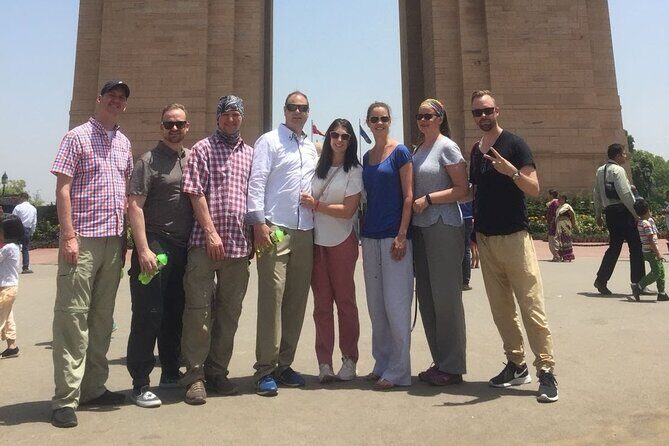
Next you head toward India Gate, a war memorial dedicated to Indian soldiers who died in World War I. Your guide will point out that more than 10,000 soldiers’ names are engraved on it, and there’s a flame kept burning to honor them.
This is not just a monument-photo stop. It’s the kind of site where you can stand and actually read what’s there, even if you only have a couple of hours total for the whole area. The engraving gives the memorial a scale that is hard to understand from a distance.
I also like India Gate as a transition point. After crowded lanes and a reflective memorial, this is a cleaner, more open space where you can breathe, stretch your legs, and regroup for the UNESCO-heavy part of the day.
Qutub Minar: UNESCO and the kind of detail you notice up close

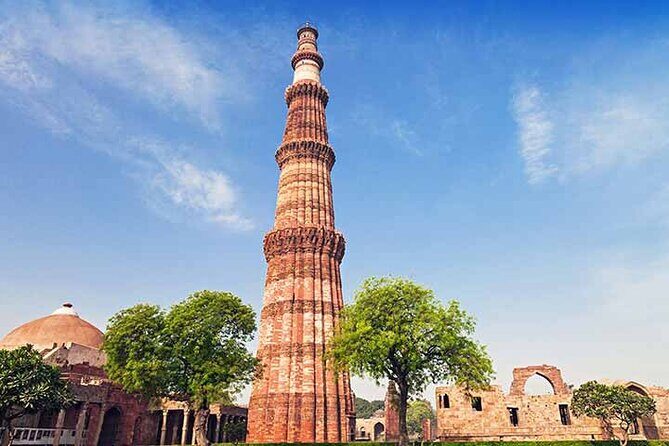
Qutub Minar is the tall brick minaret that forms the centerpiece of the Qutub complex, which is recognized as UNESCO World Heritage. The description highlights it as one of the tallest brick minarets in the world, plus you’ll explore the broader complex.
Within the Qutub area, you’ll also see the Iron Pillar and ancient ruins around the site. Having a guide here is key because these places can feel like scattered stones if you don’t know what you’re looking for. An hour on paper may sound short, but on-site explanations make that time feel fuller.
If you like architecture, this is a highlight. You’ll start noticing proportions, materials, and the way the complex evolved over time. It also helps that this stop includes admission fee if you select that option, so the day stays predictable.
Humayun’s Tomb: gardens and Mughal architecture before the Taj Mahal
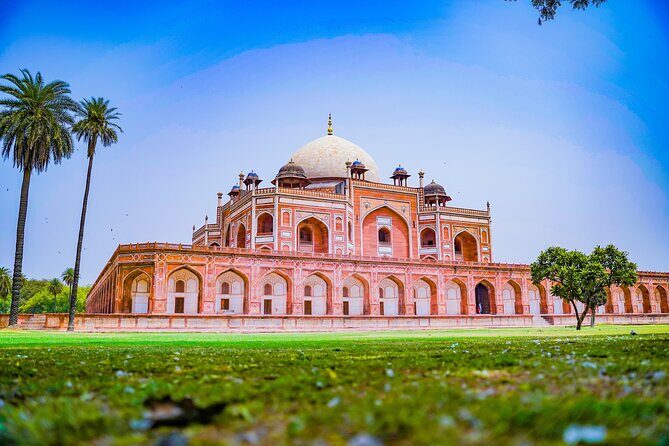
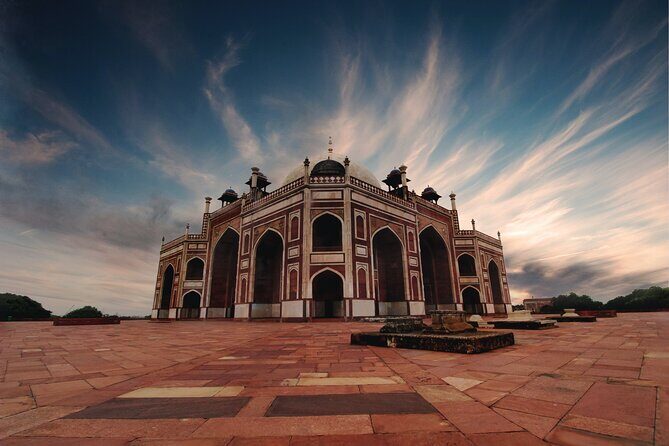
After Qutub Minar, you go to Humayun’s Tomb, another UNESCO site. It’s described as a precursor to the Taj Mahal, and it’s known for lush gardens and Mughal architecture.
I like Humayun’s Tomb because it feels more human-scale than some of the other famous landmarks. The gardens give you space to slow down, and the guide’s explanation helps you see why this mausoleum mattered historically.
This stop is scheduled for about an hour, which is enough time to take in the layout without turning it into a marathon. If you’re getting tired, Humayun’s Tomb is the place to lean into slower walking. Let the gardens do the work of making the site feel calm.
The car, driver, and guide: why private matters here
Delhi is not a city where you want to wing it between major stops. Distances, traffic patterns, and entry logistics can eat up your day fast. That’s why the private format is the real value driver.
You’re set with an AC private car and a professional tour guide. Plus, you get water bottles, which sounds minor until you’re standing outside in strong sun and you realize you didn’t plan for it.
On the guide side, the names that come up for some departures—Pallavi and Akash—are associated with strong communication and easy conversation. If your guide is talkative and patient, the tour feels like a lesson you can ask questions during, not a monologue you endure.
On the driver side, efficiency can make or break the vibe. If your driver is like Raza or Teekam—handling traffic calmly and keeping the car ready—you’ll feel like the day is working for you. If time management is shaky, you may end up rethinking lunch or moving slower through stops just to stay on schedule.
Value for the money: where the $56.17 cost makes sense
The price is listed at $56.17 per person, and the tour duration runs long enough to justify a guided, chauffeured day. The key is what is included vs what is optional.
Included basics are the AC private car with driver, a professional tour guide, and water bottles. Monument entrance fees are included only if you select that option, and lunch becomes a buffet option only if you select it.
So here’s how to judge value for your trip:
- If you want Jama Masjid, Qutub Minar, and Humayun’s Tomb covered by a guide, and you don’t want to coordinate transportation yourself, the private structure is worth it.
- If you’re the kind of traveler who hates paying separate ticket lines and would rather have the tour handle it, choose the entrance-fee option.
- If you already know exactly where you’re eating and you’re comfortable paying admissions on your own, you could compare costs—but the time saved is usually the real savings.
Also, this is marketed as a private experience, meaning it’s only your group. That’s ideal if you’re traveling with kids, friends, or anyone who wants a paced day without strangers moving you along.
Who this tour fits best
This is a great fit if you want a structured day without giving up the option to slow down for photos. It’s especially useful when you care about understanding what you’re seeing—mosque architecture, Mughal context, and why these UNESCO sites matter.
You’ll also appreciate this format if:
- you want hotel pickup and a driver in an AC car
- you’d rather not plan transport between Old Delhi and New Delhi monuments
- you’re traveling with kids and want control over pace
- you like asking questions rather than following a fixed audio script
A few smart ways to get the best day possible
First, pack for comfort, not just style. You’ll be outdoors for long stretches and moving between sites. Comfortable shoes matter more than you think.
Second, keep your lunch expectations flexible. Lunch is scheduled, but traffic and site pacing can change the exact feel of the break. If you’re sensitive to timing, treat that meal hour as your anchor point and build calm around it.
Third, bring cash or a card for drinks. Drinks aren’t included, and tips for your guide and driver are also not included. If you like to tip generously for a job well done, plan for it.
Should you book this Old-and-New Delhi private tour?
I’d book it if you want one guided day that mixes the highlights of Old and New Delhi with minimal planning stress. The strongest reason is the combination: Jama Masjid and Chandni Chowk’s street energy, then UNESCO stops at Qutub Minar and Humayun’s Tomb, all handled with pickup, an AC driver, and a professional guide.
Skip it or rethink it if you want a short outing or you’re sensitive to long days. With an 8 to 16 hour window, you’ll need stamina and patience for Delhi traffic and shifting time.
If you do book, choose the option that matches how you travel. If you want the day to feel smooth and predictable, pick the entrance and lunch inclusions. If you’re a do-it-yourself foodie and already budgeted admissions, you can still make the private guide portion work for you.
FAQ
Is pickup from my hotel included?
Yes. You’ll be picked up from your accommodation or another location you choose in and around Delhi, in a private AC car.
Is this tour private or shared?
It’s private. Only your group participates.
How long is the tour?
The duration is listed as about 8 to 16 hours.
Are monument entrance fees included?
Entrance fees are included only if you select the option for monument entrance fees.
Is lunch included?
Lunch is included if you select the buffet lunch option.
Does the tour include air-conditioned transport?
Yes. You get an AC private car with a driver for the day.
What’s not included in the price?
Tips and gratuities to your guide and driver are not included, and drinks are also not included.