REVIEW · AGRA
Cooking class with taj
Book on GetYourGuide →Operated by Explore taj · Bookable on GetYourGuide
Spices and culture share the same table. I like this class because it pairs henna art with a real sari how-to, and you finish by eating what you learned for dinner. One heads-up: the cooking portion can start more like a demo than a full free-for-all, so if you want lots of hands-on chopping, go in knowing you may need to ask for more chances.
For around $5 and about three hours, it’s a small-group vegetarian experience with an English-speaking instructor, plus ingredients and tea. You’ll be in a working kitchen vibe, so wear comfortable shoes and bring a camera if you want to capture the henna and sari moments.
In This Review
- Key Things I’d Pencil In
- Welcome Tea and the Kitchen Setup That Makes It Feel Real
- Henna Basics and Sari How-To: The Cultural Lesson Part
- The Vegetarian Cooking Class: What You’ll Learn and How It Flows
- Dinner at the Same Table: Eating the Lesson, Not Just Watching
- Gifts, Tea, and the Little Touches That Add Value
- Price and Timing: Why About $5 Can Still Feel Like a Lot
- Getting There, Pickup, and What to Confirm
- Should You Book This Cooking Class With Taj?
- FAQ
- How long is the cooking class?
- Is the instructor speaking English?
- How big is the group?
- Is the food vegetarian?
- Is pickup included and is beer provided?
- What should I bring, and is it okay for kids?
Key Things I’d Pencil In

- Henna + sari instruction together: you learn both, not just one side of the evening.
- Masala tea welcome: you start with a warm, spiced drink before you get cooking.
- Small group size (up to 10): easier questions and less waiting around.
- Vegetarian menu, full dinner included: you eat the same food you’re learning.
- Hands-on cooking is included, but may vary: you can expect chances to cook, not only watch.
- English instruction: built for visitors who don’t speak Hindi.
Welcome Tea and the Kitchen Setup That Makes It Feel Real

The experience begins with an Indian masala tea welcome. It’s a simple start, but it sets the tone: warm, casual, and focused on getting you comfortable before anyone talks spices or technique.
Then you’re brought into the kitchen where the host explains what you’re going to make and how the ingredients work together. This is where the value shows. For a low price, you’re not just getting a recipe card—you get context. You learn what each ingredient does and how Indian home-style cooking builds flavor step by step.
One more practical detail I like: the pace stays relaxed enough that you can actually ask questions. If something feels unfamiliar—like a spice blend name or how a masala base is formed—this format gives you a chance to slow down.
You can also read our reviews of more cooking classes in Agra


Henna Basics and Sari How-To: The Cultural Lesson Part

The cultural component is a big part of why this feels different from a standard cooking class. You get a lesson in henna and also learn how to wear a sari. That combo matters because it connects food to everyday life in India, not just the kitchen.
The henna side is mostly about learning the basics and understanding the look and meaning people associate with it. The sari lesson focuses on practical wrapping—what goes where, how it sits, and how to adjust it so it’s comfortable and not slipping. Even if you don’t plan to wear one again, the lesson gives you real insight into how people dress.
You’ll also get little gifts during the evening, including items tied to flavors—like masala tea or spice. It’s a nice touch because it turns the class into something you take away, not only something you eat and forget.
The Vegetarian Cooking Class: What You’ll Learn and How It Flows
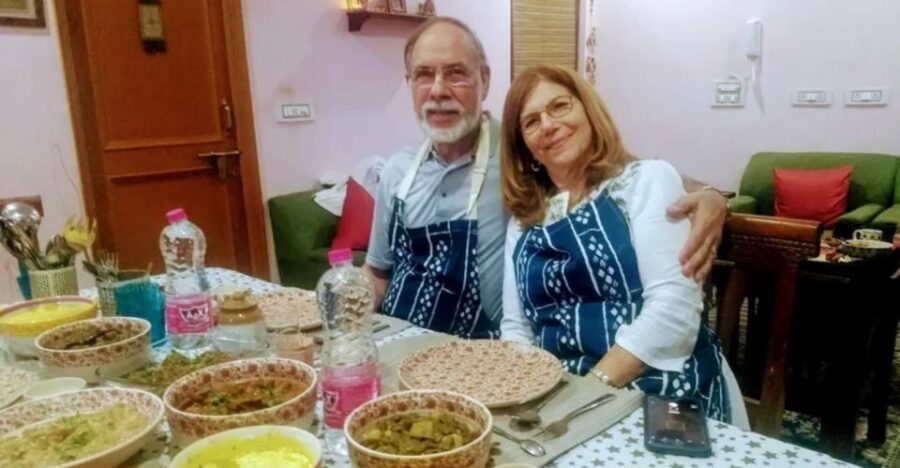
This is an all-vegetarian cooking class, and the food is built around spices, fresh vegetables, and classic Indian flavor combinations. You’ll cover the ingredients you’re using, how to work with them hygienically in a home-style setup, and the basic process behind Indian cooking.
The cooking flow usually follows a pattern:
1) you’re shown or explained how dishes are put together
2) you get a chance to try parts yourself
3) you taste, adjust, and then sit down for dinner
Now, here’s the honest consideration. One past booking noted that the cooking portion wasn’t super interactive and was more watching than doing. That doesn’t mean you won’t participate—your info also says guests can cook as well—but it does mean the “hands-on level” can depend on the day and the group.
So my advice: when you arrive, ask the instructor to point out what you’ll be doing specifically—chopping, mixing, tempering spices, rolling, plating—so you can maximize your time.
Also, because it’s vegetarian, you can expect choices that stay focused on vegetables and masala flavors. If you’re someone who loves spice and wants to know why a curry tastes the way it does, ask about the spice order and the role of the masala tea or spice blends during the meal.
Dinner at the Same Table: Eating the Lesson, Not Just Watching
The dinner part is included, and it’s not a random side restaurant meal. You eat with the same food you learn, so everything connects: the ingredient explanations lead directly into what lands on your plate.
This is one of those small details that makes the experience feel worth it. Lots of cooking classes teach you steps, but you don’t always get a matching meal. Here, dinner is part of the lesson arc.
And because the group is small (up to 10), it’s easier to have a conversation while you eat. You can ask more about Indian culture, cooking habits, or what you’re tasting. The overall vibe is family-style and friendly, not staged.
If you’re a vegetarian traveler who’s tired of bland versions of Indian food, this format is a good fit. You get to see how flavors get built and then taste the result right away.
Gifts, Tea, and the Little Touches That Add Value
The class includes tea, the vegetables used for cooking, and the ingredients tied to the lesson. You also get some small gifts during the evening—like masala tea or spice.
Those details might sound minor, but they’re part of the real “value equation.” At a low price point (around $5 per person), the experience isn’t only selling a recipe. It’s giving you the ingredients, the cultural lessons, and the meal.
One more practical note: drinks beyond tea aren’t included by default. The info you provided also says you can drink beer if you want, but another line says beer isn’t included. Since those conflict, I’d treat it like this: expect masala tea and water as the safe, included baseline, and confirm ahead of time if you’re hoping for beer.






Price and Timing: Why About $5 Can Still Feel Like a Lot
Let’s talk real value. Around $5 for roughly three hours is unusually affordable, especially since you’re getting:
- vegetarian cooking instruction in English
- ingredients (vegetables) for the class
- masala tea
- dinner on the same menu
- henna and sari lessons
- small group time with the instructor
For many people, the “cheap price” is what draws them in. For me, the bigger point is the mix of experiences. You’re not only learning recipes. You’re also learning how people dress and celebrate everyday culture—while still leaving with a full meal.
Timing is also tight enough to feel focused. Three hours is long enough to cook, learn, and eat. It’s short enough that you can fit it into your day without planning your whole schedule around it.
If you’re comparing options, look for classes where you get both the cultural pieces and the dinner. That combo is what makes the value actually work.
Getting There, Pickup, and What to Confirm
The info provided is a little inconsistent on pickup. One part says pickup is included from hotels on Taj Link Road, while another part says pickup is not included.
So here’s the practical move: message the provider to confirm pickup and drop details specifically—where they pick you up from and where they drop you after. If you don’t, you might end up relying on luck, and you don’t want that with a time-sensitive three-hour experience.
Also, because you’re entering a kitchen setting, wear comfortable shoes. Bring your camera if you want photos of the sari wrap and henna look.
Should You Book This Cooking Class With Taj?
I think this is a strong booking if you want a low-cost, small-group, vegetarian night that mixes cooking with everyday culture. It’s especially good for couples, solo travelers, and anyone who likes learning through doing—like tasting, asking questions, and trying small cooking steps yourself.
It may not be the best match if:
- you want a very hands-on cooking-only workshop with lots of time fully cooking from start to finish (the class can lean toward watching first)
- you’re traveling with kids under 10 (it’s not suitable for children under 10)
One more caution I’d use before you go: because it’s a small, family-run kind of operation, confirm your booking details ahead of time. There’s at least one prior case where a session didn’t happen and no response was received. A quick message day-of can save you a lot of stress.
If you like food + culture, and you’re comfortable asking for more participation if the demo style is heavier than expected, this is the kind of experience you’ll remember.
FAQ
How long is the cooking class?
It lasts about 3 hours.
Is the instructor speaking English?
Yes, the instructor is listed as English-speaking.
How big is the group?
It’s a small group, limited to 10 participants.
Is the food vegetarian?
Yes. The meals are all vegetarian, and you’ll dine with the same food from the class.
Is pickup included and is beer provided?
Pickup is listed as included from hotels on Taj Link Road, but another part says no pickup—so confirm directly. Beer is not listed as included, though the information also says you can drink beer if you want, so again, confirm what’s actually available.
What should I bring, and is it okay for kids?
Bring comfortable shoes and a camera. It’s not suitable for children under 10 years.