REVIEW · NEW DELHI
Best of India – 4 Days Golden Triangle Private Trip
Book on Viator →Operated by Kaimur Holidays · Bookable on Viator
Golden Triangle trips can feel chaotic. This one stays on rails. You’ll ride in a chauffeur-driven, air-conditioned vehicle between Delhi, Agra, and Jaipur, then meet local guides in each destination for the big sights. I like that it’s built for flexibility—more time where you care most, fewer rushed photo sprints. The main catch to plan for: several top monuments have entrance fees that aren’t included, and the days run full with driving.
In practical terms, this is ideal if you want the headline sites—Taj Mahal, Agra Fort, Amber Fort, and Old Delhi—without doing the logistics math yourself. You’ll start with pickup anywhere in Delhi, Noida, or Gurugram, plus airport/rail transfers, and you get water in the car to keep the day moving.
The vibe is also personal. It’s private (just your group), priced for a group of up to five passengers, and it can be customized. One driver name that came up in a top rating is Raza, praised for both safe driving and helpful context as you travel.
In This Review
- Key things that make this Golden Triangle tour worth your time
- Private chauffeur drive: why this setup makes the Golden Triangle easier
- Day 1 in Agra: Agra Fort, Baby Taj, and a sunset bank-view moment
- Day 2: sunrise Taj Mahal plus the ride toward Jaipur (Chand Baori on the way)
- Day 3 in Jaipur: Amber Fort, Hawa Mahal, and the City Palace live-in feel
- Day 4 in Delhi: Old Delhi spice markets, Jama Masjid, and a final temple-and-memorial loop
- Price and logistics: what you’re paying for (and what you still need to budget)
- Who this tour suits best (and who should consider alternatives)
- Should you book the Best of India 4 Days Golden Triangle Private Trip?
- FAQ
- What’s included in the Best of India Golden Triangle private trip?
- Are monument entrance tickets included?
- How many people can join a group?
- Where can pickup happen?
- What cities are covered in the 4 days?
- Can the tour be customized?
Key things that make this Golden Triangle tour worth your time
- Chauffeur + air-conditioning all day: real comfort during long stretches between cities.
- Local guides in each city: you get explanations tailored to Delhi, Agra, and Jaipur, not one generic script.
- Taj Mahal timing options: you’ll do a sunrise visit plus a later sunset viewpoint from the Yamuna for different moods.
- Old Delhi with the senses turned on: spice markets, Chandni Chowk atmosphere, and a rickshaw ride.
- Photo-friendly Jaipur stops: Hawa Mahal views, a lake palace walk, and time in City Palace.
Private chauffeur drive: why this setup makes the Golden Triangle easier
A Golden Triangle trip usually has two jobs: (1) see the famous places, and (2) survive the travel between them. What makes this tour work is the transportation plan. You get a driver and an air-conditioned car for the full circuit, so you’re not negotiating taxis, waits, or multiple transfers.
You also get enough structure to feel guided. Local tour guides join you in each destination, which matters because Delhi, Agra, and Jaipur are not just different cities—they’re different historical worlds. A good local guide helps you connect what you’re seeing to why it was built, and you’ll spend time at the main monuments rather than just passing them by.
Another practical win: pickup is flexible. You can be picked up from your hotel, airport, railway station, or any desired location in Delhi, Noida, or Gurugram. That reduces the “lost time tax” on arrival days.
One detail I like for families and small groups: car size adjusts to your group. For one to two people, it’s a four-seater sedan. For three to five, it’s a seven-seater MPV. Either way, the car stays with you, and you can add sightseeing stops if you want—within reason.
You can also read our reviews of more tours and experiences in New Delhi.



Day 1 in Agra: Agra Fort, Baby Taj, and a sunset bank-view moment
Day 1 is all about arriving in Agra and hitting the Mughal era before the night cools down. You’ll leave New Delhi after breakfast and drive to Agra—about three hours—then check in, relax, and eat something at your hotel or nearby (meals aren’t included, but you’ll have flexibility).
Agra Fort is your first major history stop. You’ll spend about an hour with a local guide learning about the forts and palaces tied to the Great Mughal Dynasty. Even if you think you know this period, the way the fort’s architecture ties together defense, power, and luxury is easier to understand with someone explaining what you’re looking at.
Next comes Itmad-ud-Daula, often called the Baby Taj Mahal. This is a smart move in the schedule because it’s close enough to Taj Mahal to keep logistics simple, but different enough in vibe that it feels like more than a filler stop. You’ll get guided time for about 45 minutes, focused on the design details and the stories around it.
Then you get a Taj Mahal viewpoint on the Yamuna River for a panoramic look at sunset. You’ll have about 45 minutes here. The listing notes this viewpoint’s hours are broad—sunrise to midnight—so it’s designed for that golden-hour effect. I like doing Taj Mahal twice on the overall trip because it changes how you feel about it. Sunrise feels like a ceremony. Sunset feels like a memory.
Timing note: this is a full first day, so if you’re sensitive to fatigue, plan for a slower dinner and an early start the next morning.
Day 2: sunrise Taj Mahal plus the ride toward Jaipur (Chand Baori on the way)
The big morning is Taj Mahal at sunrise. You’ll visit for about two hours, which gives you a real window to take in the monument when light is softer and crowds tend to be less chaotic than later in the day. The guide presence matters here too: it’s not just about staring at white marble. You’ll get context on what you’re seeing and why it was made the way it was.
After Taj Mahal, you’ll head back to your hotel for breakfast break, then check out. Then the day turns into a “travel + one or two meaningful stops” rhythm. You’ll drive from Agra to Jaipur (about five hours), and you’ll have an en route lunch break along the way.
One stop that’s especially interesting on this route is Chand Baori in Abhaneri. It’s a stepwell that drops roughly 30 meters into the ground. That depth is part of why it looks so dramatic in photos—and it’s also why it feels strange in a good way to stand near it and realize how engineered it is. You’ll have about 40 minutes here.
Then you arrive in Jaipur and spend the night. Accommodation isn’t included, so your hotel choice will shape how smooth your evening feels. But the sightseeing flow is well paced: sunrise Taj Mahal, then a longer drive with a real stop to break it up.
If you’re the type who likes variety, Day 2 does a nice job. You get a major Mughal masterpiece, then you shift into a more local, architectural feature on the Rajasthan route.
Day 3 in Jaipur: Amber Fort, Hawa Mahal, and the City Palace live-in feel
Jaipur day is about Rajput power and the visual style of the Pink City. Your first stop is Amber Fort, about two hours with a local guide. This is the classic choice for good reason. Amber Fort isn’t just a building—it’s a whole royal complex, and the guide time helps you connect the fort’s role in defense to the palace portions that show off status and taste.
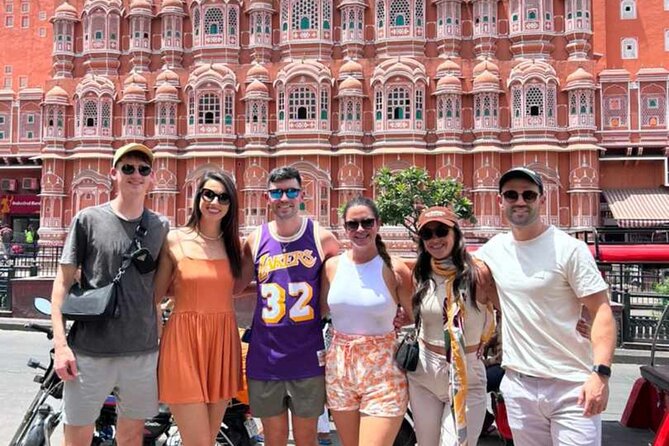
Next is Hawa Mahal, the Palace of Wind. You’ll have about 30 minutes here. It’s quick in the schedule, but it’s a meaningful stop because you can see the facade in its full, repeating pattern from the outside—and you’ll likely want time just to stare up and appreciate the design.
Then comes a more relaxed photo moment at Jewels Lake Palace. You’ll spend about 30 minutes walking and taking pictures near the lake setting. It’s not always the first place people list for Jaipur, but it gives you a break from forts and palaces and adds a calm visual contrast.
City Palace of Jaipur follows, with about an hour inside. This is a standout because it’s described as a place where the local king still lives with family in the Pink City. That detail changes the feel of the stop. Instead of everything reading like a museum only, you’re seeing a space that is still tied to living heritage.
After that, you’ll have lunch break and time for local arts and crafts in Pink City for about two hours. This is your chance to handle shopping at a human pace—without turning the day into a mall run.
One caution: Jaipur can involve lots of walking and uneven surfaces around forts and viewpoints. Build in water breaks, and wear shoes you can trust.
Day 4 in Delhi: Old Delhi spice markets, Jama Masjid, and a final temple-and-memorial loop
Your last day is a big loop through Old Delhi and then back into New Delhi sights. It starts at 9 am from your hotel, so it’s best if you treat your evening before as an early one.
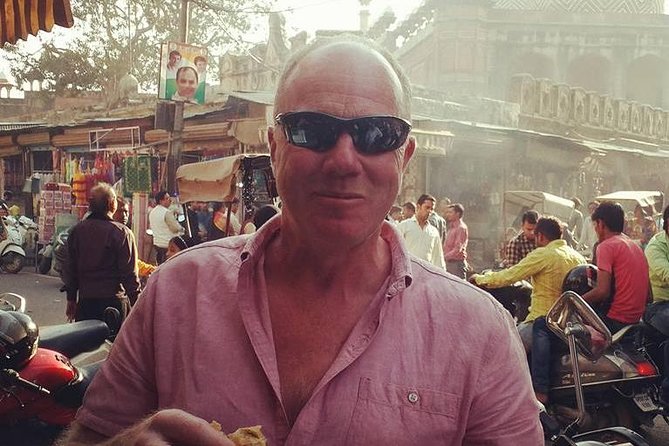
First up: Jama Masjid in Old Delhi, plus Chandni Chowk and local bazaars. You’ll get about two hours here with your guide. Chandni Chowk and the spice market experience is exactly the kind of place where a guide helps you navigate what’s worth your time and what’s just noise.
You’ll also do a rickshaw ride, which is often the difference between watching a city and feeling it. It’s part of why this day works for first-time Delhi visitors: you get to move through the neighborhood rhythm without having to figure it out yourself.
Then the day continues with Gandhi Smriti. You’ll spend about 45 minutes learning about his last days and seeing the site turned into a museum. It’s a heavier stop, but it gives context to modern India that you don’t always get from monuments alone.
After that, you’ll visit Humayun’s Tomb (about one hour). The description calls it a UNESCO world heritage site and highlights that it’s considered one of the most beautiful Mughal-era buildings in Delhi, built by the wife for her husband. That personal story lens helps the structure land emotionally, not just visually.
Next is Lotus Temple (about 40 minutes). The tour description says it looks like Sydney Opera House, and honestly, that comparison helps you picture it: a modern form that still feels spiritual and calm. You’ll be able to go inside, since it’s open to all.
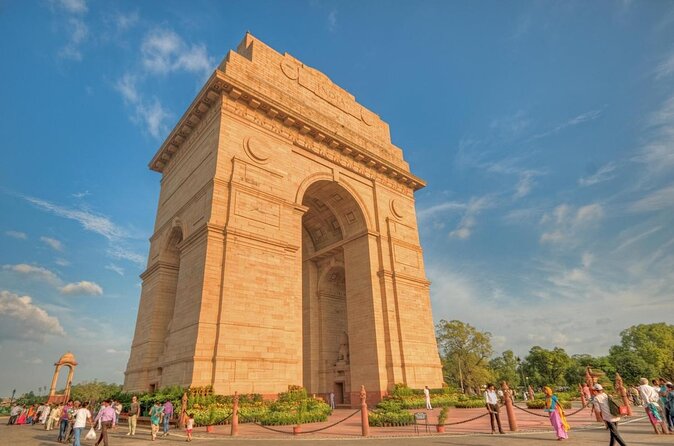
Then you’ll have time at India Gate (about 30 minutes), plus a drive through the Lutyens Zone, described as the political power house of India, with a drive-by of the President Estate. This is a good wrap because it gives you a sense of Delhi’s layered identity—from old bazaars to planned government spaces.
Finally, you end at Gurudwara Bangla Sahib (about one hour). You’ll experience the community kitchen where everyone gets free food. That detail is important: it’s not just sightseeing. It’s a social ritual you can witness if you’re curious and respectful.
The tour ends with a drop to any desired location in New Delhi, including the airport, and that flexibility is a big deal if your flight is tight.



Price and logistics: what you’re paying for (and what you still need to budget)

The listed price is $299 per person for about four days. That can be good value if you factor in what’s actually included:
Included:
- Air-conditioned private car with driver for the whole trip
- Local tour guides in each destination
- All taxes, parking, tolls, fuel charges
- Airport transfers and water bottles in the car
Not included:
- Accommodation
- Personal expenses like meals, shopping, and tips
Here’s how I think about the value: this tour is really selling time and guidance, not just transportation. The car handles long-distance driving comfortably, and the local guides reduce the chance you miss key context at major monuments.
What can surprise you is monument entrances. Several stops are marked as admission ticket not included (Agra Fort, Itmad-ud-Daula, Taj Mahal, Chand Baori, Amber Fort, Hawa Mahal, and more), while some parts are labeled free as part of the schedule timing or viewpoints. Practically, you should budget for entry tickets and carry some cash or card for them.
Another logistics note: the tour can be customized. If you love history, you might want more time in fort/palace stops. If you prefer markets and street scenes, Delhi day could take priority.
Who this tour suits best (and who should consider alternatives)
This works especially well for:
- Couples or small families who want private, air-conditioned transport without negotiating anything
- First-timers who want the Golden Triangle highlights—Taj Mahal, Agra Fort area, Amber Fort, and Old Delhi—without skipping key context
- Anyone who likes meeting local guides in each city rather than relying on one guide for the entire trip
It may feel less ideal if:
- You hate early starts. Sunrise Taj Mahal is the anchor, and you’ll be moving in the mornings.
- You want long, free time breaks every day. The schedule is full, with travel plus multiple sights.
If you’re the type who likes a plan but still wants flexibility to adjust stops, this strikes a good balance.
Should you book the Best of India 4 Days Golden Triangle Private Trip?
I’d book it if your priority is comfort plus guided stops across Delhi, Agra, and Jaipur. The private chauffeur setup, local guides in each destination, and the mix of sunrise/sunset Taj experiences are the main reasons. You also get a strong Delhi capstone with Old Delhi markets, rickshaw time, and major sites like Humayun’s Tomb and Lotus Temple.
Skip it or reconsider if you’re trying to keep costs ultra-low, because accommodation and monument entrance fees are on you. Also, if you want a slower pace with lots of downtime, this itinerary may feel like it moves fast.
If you choose it, tell your driver and guide what matters most to you—Taj photos, fort interiors, or Old Delhi street energy. That’s where private tours earn their keep.
FAQ
What’s included in the Best of India Golden Triangle private trip?
You get an air-conditioned private car with driver for the whole trip, local tour guides in each city, airport transfers, water bottles in the car, and all taxes, parking, tolls, and fuel charges.
Are monument entrance tickets included?
Some stops are listed as admission ticket not included, including major sights like Agra Fort, Baby Taj, Taj Mahal, and several Jaipur and Delhi attractions. You should plan on paying for entrance tickets for many highlights.
How many people can join a group?
The tour is private and priced for a group of up to five passengers. Car type depends on group size (sedan for one to two, MPV for three to five).
Where can pickup happen?
Pickup is offered from your airport, railway station, hotel, or any desired location in Delhi, Noida, or Gurugram.
What cities are covered in the 4 days?
You’ll visit New Delhi, Agra, and Jaipur, then return to Delhi on the final day.
Can the tour be customized?
Yes. The experience can be customized as per your requirements after booking, if you want to adjust the plan.