REVIEW · JAISALMER
Become a Desert Nomad – Overnight Camel Safari in the Wild
Book on Viator →Operated by Fifu Camel Safaris · Bookable on Viator
Desert quiet beats city night. This overnight camel safari from Jaisalmer sends you into remote Thar Desert sand dunes, where you get a two-hour sunset ride and the choice to sleep in a dome tent or under open sky. The food is simple and solid, cooked over fire, and the whole setup feels built for real desert time rather than a quick photo stop.
The trip also strings together a couple of classic nearby sights on the way out—Kuldhara’s abandoned village and Khaba Fort—so you’re not just sitting in a jeep until the camels show up. One consideration: nights in the desert can get cold, so don’t rely only on blankets; bring a warm layer.
In This Review
- Key highlights to pay attention to
- From Hotel Fifu to the desert: how the afternoon flows
- Kuldhara and Khaba Fort: quick stops with real mood
- The 2-hour sunset camel safari: what’s different about one-camel-per-person
- Dinner by open flame and a chance to learn Indian cooking
- Sleeping like a desert nomad: stars or dome tent
- Day 2 morning: chai, camels, birds, and sunrise
- Price and value: why $62.41 can work
- Who this Jaisalmer camel safari suits best
- Should you book this overnight camel safari?
- FAQ
- What time does the tour start?
- Where is the meeting point in Jaisalmer?
- Is transportation included?
- What meals and drinks are included?
- Do I sleep in a tent, or can I sleep outside?
- Is the camel safari included, and how long is it?
Key highlights to pay attention to
- One camel per person for an unblocked, more comfortable ride and better desert views
- Tent or stars option for your night in the Thar Desert, with a dome tent if you prefer shelter
- Bonfire dinner + cooking help so you’re not just eating, you can learn how it’s made
- Kuldhara abandoned village stop with a short, meaningful look at an old settlement’s mystery
- Khaba Fort viewpoint for quick hilltop panoramas before you head deeper into the dunes
From Hotel Fifu to the desert: how the afternoon flows
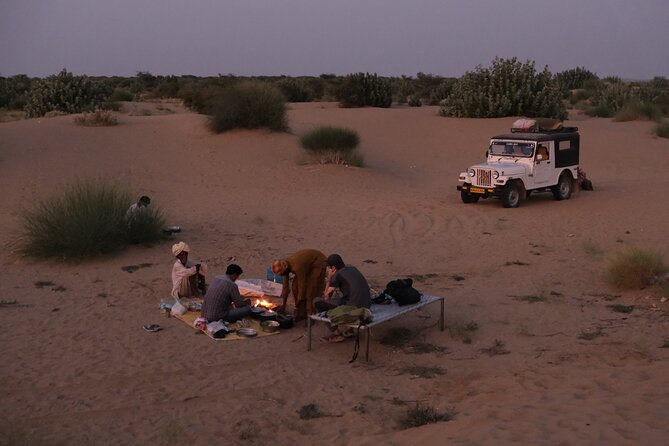
Your day starts at Hotel Fifu (opposite Nagarpalika, Postal Colony, Jaisalmer). Pickup is offered for people staying within a short distance from the city center, but even if you meet there, it’s still a clean, straightforward starting point. There’s a quick intro to the team and itinerary, plus space to store luggage if you want to travel lighter.
The timing matters. The start time is 1:30 pm, and Day 1 is structured like a half-day outing that gradually ramps up into the desert experience. You’ll be in transit, then stop at a couple of sights, then get into the vehicle again toward the camel-safari start point. If you’re the type who hates “stop-and-go,” you’ll still be fine here—each stop stays short, and the day doesn’t drag.
You can also read our reviews of more tours and experiences in Jaisalmer
Kuldhara and Khaba Fort: quick stops with real mood
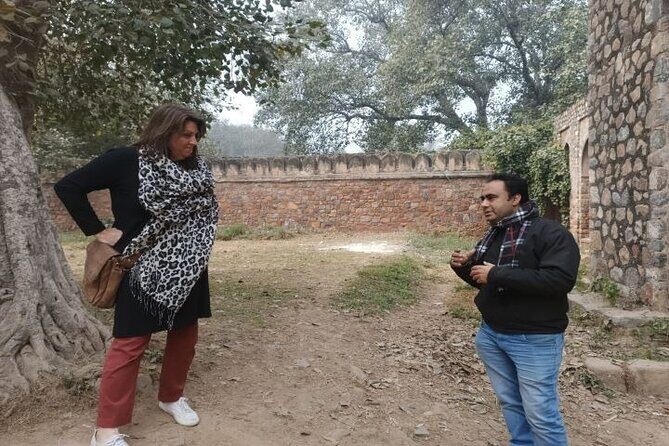
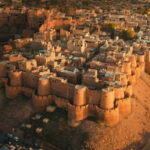
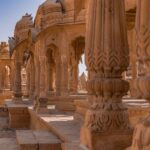
Before you even reach the dunes, you’ll visit Kuldhara Abandoned Village. This 13th-century village was abandoned in the 19th century, and the reason is usually linked to water shortages. Even with a brief visit window, it hits a different nerve than most tourist sites because you’re walking through the idea of a place that’s no longer living. It’s not just ruins; it’s a snapshot of how survival shaped human choices.
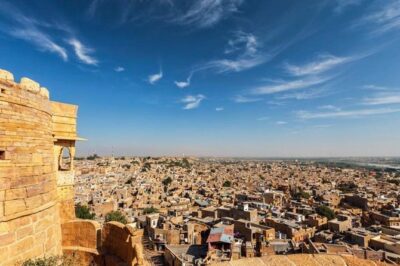
Next comes Khaba Fort, perched on a hill overlooking the area. Expect a short stop—about 20 minutes—so keep your pace steady and your eyes open for wide views rather than trying to “tour” it like a full fortress day. Think of it as a warm-up for the desert scenery that’s coming next.
The only drawback to these stops is time: since you’re on a packed schedule, you won’t have hours for deep wandering. If you love slow exploration, you’ll likely want to come back to these places later on your own. For most people, though, the value is that you get the atmosphere of Rajasthan before the main event.
The 2-hour sunset camel safari: what’s different about one-camel-per-person
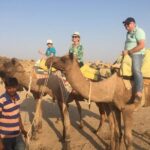
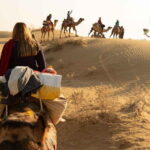
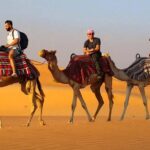
This is the heart of the Jaisalmer overnight camel safari: the sunset camel ride in remote sand dunes. After a jeep transfer to the start point, you’ll jump onto camels with one camel per person, which is a big deal. You won’t be squeezed into crowded seating arrangements, and you’re more likely to get those clean, unobstructed angles out over the desert.
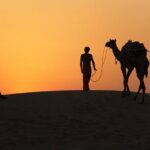
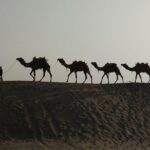
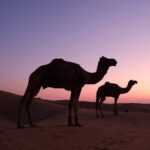
The ride itself is about 2 hours and is designed as a sunset safari, so your timing is part of the show. You’ll see the dunes change color as the light softens, and the sky tends to look dramatic once you’re off the main roads. The “remote and secluded sand dunes” wording is exactly why this feels special: it’s not a roadside camel parade.
A practical tip: wear something you can live in for a couple hours. Desert rides are bumpy, and you’ll want clothes that handle dust and movement comfortably. Also, plan for photos, but don’t make your whole brain live behind a phone; the calm rhythm of the ride is half the experience.
Dinner by open flame and a chance to learn Indian cooking
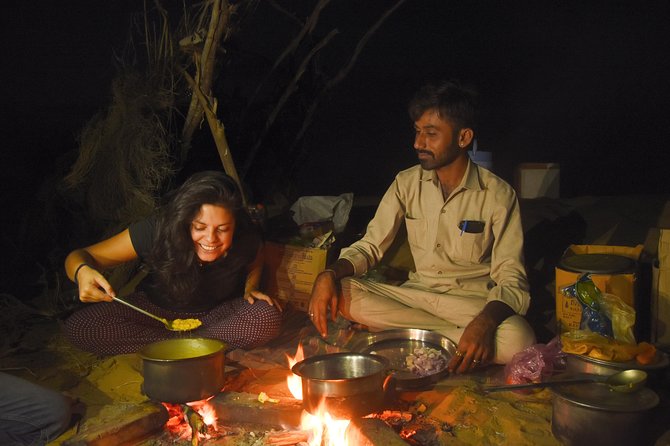
Once you reach camp, dinner is cooked over an open flame. This isn’t just a meal included with the package—it’s part of the evening programming. You’ll have the option of a cooking class while preparing dinner on the bonfire, and that’s one of the most enjoyable ways to turn an overnight into something more personal.
If you want to participate, you can learn basic Indian cooking techniques as the team works. If you’d rather relax, you can watch and still eat. Either way, the dinner format feels right for the desert: warm food, smoky camp energy, and a slower pace than a restaurant meal.
The meals included also set a comfortable baseline. You’ll have tea, snacks, and bottled water during the safari portion, plus breakfast the next morning. From a value perspective, that matters, because desert camps often charge extra for basics. Here, you’re not left hunting for water or snacks at the wrong time.
One more note: the food is described as good, and the camp setup is described as organized. That combination is rare. You can have a fun ride and still end up eating badly if the camp isn’t run well. In this case, the camp is set up to keep you fed and on schedule.
Sleeping like a desert nomad: stars or dome tent
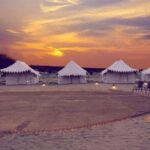
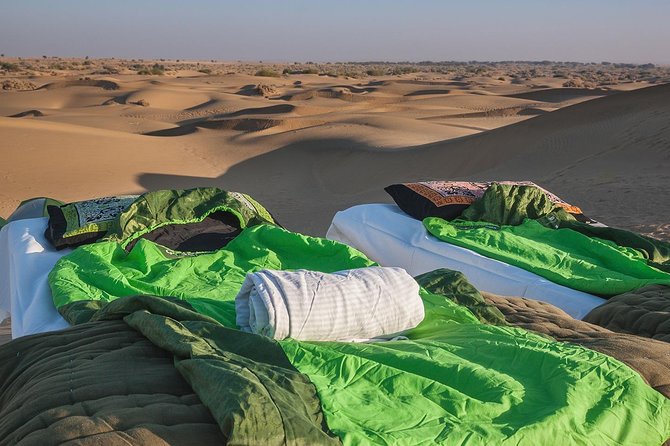
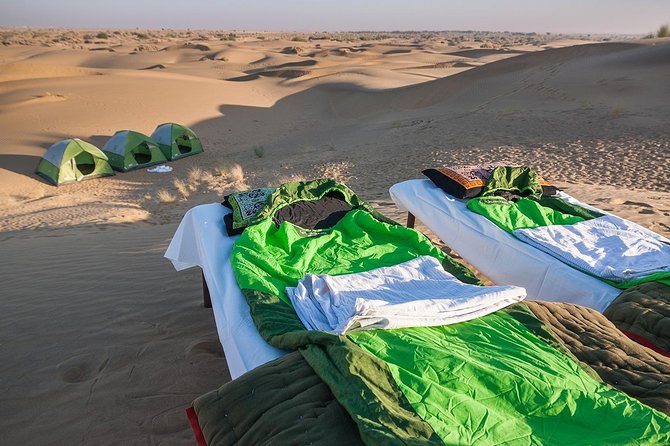
You get to choose how you handle the night: sleep under the starry sky or in a dome tent. Either choice is built into the package, so you’re not stuck with a single style of camping.
When you choose stars, you’re basically going for the full desert mood—quiet, sky focus, and that “I’m really away from everything” feeling. When you choose the dome tent, you trade some stargazing for comfort and a bit more shelter.
Now the important reality check: it can be cold at night. One of the recurring pieces of advice is to bring your own warm layer even if blankets are provided. That’s smart travel thinking. Desert temperatures can swing fast after sunset, and even a mild chill becomes noticeable when you’re sitting still waiting for sleep.
For me, the best way to decide is simple:
- If you want the experience most, pick stars.
- If you want to sleep well and protect your energy for Day 2, pick the dome tent.
You’ll still get the desert vibe either way.

Day 2 morning: chai, camels, birds, and sunrise
Day 2 starts in a way that instantly resets your senses. You wake to the sounds of camels chewing grass, birds singing, and local staff chanting while preparing chai and breakfast. It’s a small detail, but it changes the mood from “I woke up in a random camp” to “I’m living inside the setting.”
The morning includes an emphasis on sunrise in the desert—this is when the dunes look fresh and the light turns softer again. If sunset is about spectacle, sunrise is about calm. You’ll get that quiet “stillness after night” feeling that most city mornings can’t touch.
Breakfast is included, and the chai setup is part of the morning rhythm. After that, you’ll head back with transportation so the experience ends back at the meeting point.
If you’re worried about packing time or feeling rushed, don’t overthink it. The schedule is tight because it’s a 2-day experience, but the structure is designed so you get the key desert moments: arrival, sunset ride, dinner by fire, night sleep, then sunrise and breakfast.
Price and value: why $62.41 can work
At about $62.41 per person for the full overnight safari (2 days approx.), the value comes from what’s included, not just the camel ride. You’re getting:
- Round-trip transportation with a jeep experience from Jaisalmer (including hotel pickup/dropoff within 3 km radius from city center)
- Two hours of sunset camel safari in remote dunes with one camel per person
- Dinner and breakfast, plus tea, snacks, and bottled water
- A cooking class option during dinner prep on a bonfire
- The choice of sleeping under stars or in a dome tent
That package is what makes the price feel fair. If you had to price those pieces separately—transport, meals, guides/organizers, camel safari time, and a camp sleep option—it would typically add up fast.
What’s not included is also clear: alcohol beverages and entry tickets for monuments. So if you’re planning around budget, bring your own mindset: expect meals and core costs covered, and keep monument tickets as your “extra” if you decide to pay on-site.
One more small bonus: there are group discounts and a mobile ticket. Not a life-changing perk, but it can help if you’re traveling with friends or want everything handled digitally.
Who this Jaisalmer camel safari suits best
This is a strong fit if you want:
- A real overnight desert experience with camp time and an actual sleep, not just a daytime ride
- A camel safari experience that feels organized, with a clear schedule and enough structure to keep things comfortable
- An evening you can actively join through cooking prep, or simply enjoy without effort
It’s also a good match for couples, small groups, and anyone who likes the calm side of travel. You’re not rushing from one “must-see” to another all day. Even the sights on Day 1 (Kuldhara and Khaba Fort) are short and purposeful, acting like a bridge between town and wilderness.
If you’re a hardcore history traveler who wants long museum-style time at monuments, you might find the sight stops too brief. But if you want the desert story more than the lecture, this format works.
Should you book this overnight camel safari?
Yes, I’d book it if your goal is a memorable Jaisalmer night in the Thar Desert that’s built around comfort and atmosphere. The two things that make it convincing are the organized camp setup (so you’re fed and cared for) and the chance to sleep either under the stars or in a dome tent, so you control your comfort level. Add the one-camel-per-person ride, and it becomes a more personal experience than many group-focused camel tours.
My only “maybe don’t” note is the cold. If you know you hate chilly nights, plan to bring warm layers and seriously consider the dome tent.
If you want the classic Rajasthan-in-the-desert feeling—camel ride at sunset, dinner at a bonfire, sunrise in sand—this is a solid way to get it without the stress.
FAQ
What time does the tour start?
The tour starts at 1:30 pm. It returns to the meeting point at the end of the experience.
Where is the meeting point in Jaisalmer?
The tour meets at Hotel Fifu (opposite Nagarpalika, Postal Colony, Jaisalmer, Rajasthan 345001, India).
Is transportation included?
Yes. Hotel pickup and dropoff are included within a 3 km radius from the city center, and the experience uses a jeep for transportation related to the safari.
What meals and drinks are included?
Dinner and breakfast are included, along with tea, snacks, and bottled water.
Do I sleep in a tent, or can I sleep outside?
You can choose. You can sleep in a dome tent or sleep under the starry sky.
Is the camel safari included, and how long is it?
Yes. There is a two-hour sunset camel safari, with one camel per person in remote sand dunes.