REVIEW · AGRA
3-Day Golden Triangle Trip from Delhi with Luxury Hotels
Book on GetYourGuide →Operated by Mughal Carpet Company · Bookable on GetYourGuide
Three days, three icons.
This Golden Triangle trip is interesting because it strings together the highlights you’d normally split across longer travel: sunrise at the Taj Mahal plus the big Mughal and royal sites in Delhi, Agra, and Jaipur, explained by a live guide in your language. I like that you get a private air-conditioned car for the drives and sightseeing, so you spend less energy figuring things out and more time actually looking.
One thing to plan for: the Taj Mahal is closed every Friday, and in cooler months you can run into fog and chilly mornings, so your best views may depend on conditions.
In This Review
- Key Things That Make This Trip Feel Worth It
- Golden Triangle 3-Day Map: Delhi, Agra, Fatehpur Sikri, Jaipur
- Day 1 in Delhi: Red Fort, Jama Masjid, Raj Ghat, and the War-Memorial Stops
- Overnight Agra: Why the Late Arrival Actually Helps
- Day 2 Sunrise Taj Mahal + Agra Fort, Then Fatehpur Sikri to Jaipur
- Day 3 in Jaipur: Amber Fort, City Palace, Hawa Mahal, and Jantar Mantar
- Hotels, Private Car, and Live Guides: What You Actually Get
- Price and Value at Around $79 Per Person
- Timing Tips: Friday Closure and Fogy Mornings
- Should You Book This Golden Triangle Trip?
- FAQ
- What cities are included in the 3-day Golden Triangle trip?
- How many hotel nights are included?
- Is the Taj Mahal always open during the tour?
- What transportation is included between stops?
- Are entry fees included?
- Is food included in the price?
- What languages are the live guides available in?
- Does the tour include a sunrise visit to the Taj Mahal?
Key Things That Make This Trip Feel Worth It
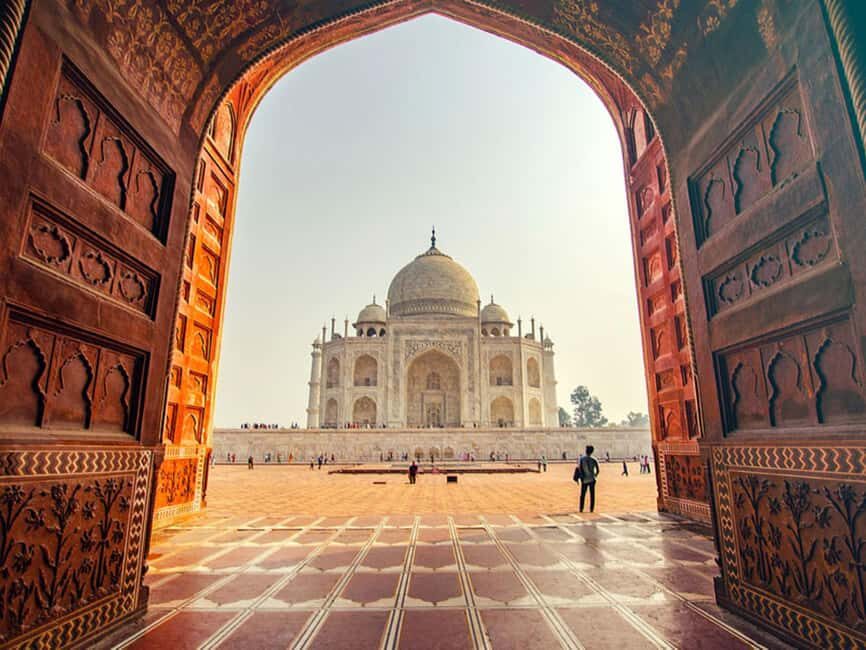
- Sunrise Taj Mahal timing that’s built around catching the monument in the early light
- Crisp, practical guidance from guides like Harshit (Delhi), Immy (Agra), and Yogi (Jaipur)
- A working itinerary even with fog, including flexible pacing when visibility is low
- Amber Fort and Jaipur palace circuit that keeps you moving from fort to courtyards to viewpoints
- An optional push toward shopping via artisan stops, which you can handle by sticking to your no
Golden Triangle 3-Day Map: Delhi, Agra, Fatehpur Sikri, Jaipur
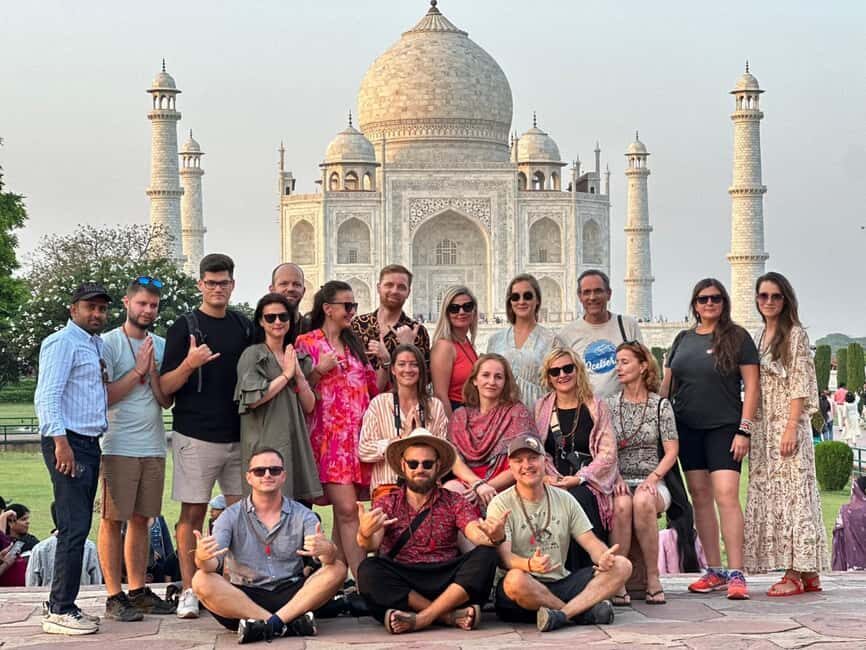
The classic Golden Triangle setup works because the distances are manageable for a 3-day schedule, and each city has a different mood. Delhi hits you with Mughal-era power (Red Fort), religious life (Jama Masjid), and modern remembrance (Raj Ghat and India Gate). Agra brings the focus down to monumental architecture, starting with the moment people dream about: sunrise at the Taj Mahal. Jaipur then shifts the feel to royal design, especially Amber Fort and the city’s palace-and-window landmarks.
The big value here isn’t only the sights. It’s the flow. You’re not hopping between random vendors or guessing routes. A private car handles transfers between cities and key stops, and a live guide keeps the stories tied to what you’re standing in front of, from the Mughal love story behind the Taj to the purpose of the forts and observatory.
Your practical trade-off is time pressure. In three days, you’ll cover a lot of ground. That’s great for first-timers, but it’s also why pacing matters. The included driver experience helps, because getting around Delhi and city outskirts can be stop-and-go, even with planning.
You can also read our reviews of more tours and experiences in Agra



Day 1 in Delhi: Red Fort, Jama Masjid, Raj Ghat, and the War-Memorial Stops
Day 1 starts with Old Delhi energy and moves toward the city’s broader landmarks. You begin at the Red Fort, a 17th-century Mughal fortress complex built by Shah Jahan. Even if you don’t memorize dates, you’ll feel why this was built like power made stone: it’s massive, ceremonial, and designed to control how people move through the space.
Next comes Jama Masjid, one of the best “real-life” windows into Old Delhi. It’s calm in the middle of the chaos. You’ll get a sense of scale and everyday rhythm—people praying, families taking a slow look, and the courtyard feeling like a pause button.
Then you head to Raj Ghat, where Mahatma Gandhi was cremated. This is not a monument you rush through. It’s a place to lower your voice and let the meaning land—especially if this is your first time learning the modern story of India alongside the older empires.
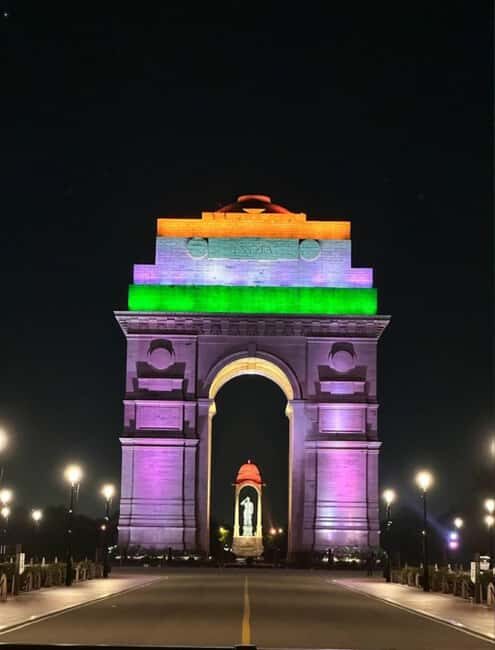
After that, you’ll see India Gate, a war memorial of Indian soldiers, and Rashtrapati Bhawan, the President’s house. These stops round out the day by showing how Delhi layers eras: empire, independence, and the ongoing government presence.
Practical note: Delhi traffic and crowd timing can affect your pace. In December, one guide adjusted the schedule when fog and cold made visibility and comfort an issue. That kind of real-world flexibility is a plus when your day is packed.
Overnight Agra: Why the Late Arrival Actually Helps
At the end of Day 1, you’ll drive to Agra and check into your hotel for an overnight stay. This matters more than it sounds. When you sleep in Agra, you don’t waste early-morning time doing a long transfer before the Taj visit. You’re also more likely to keep the sunrise plan intact, since the “get up early” part is already done for you.
Agra itself can feel calmer at night than Delhi’s constant movement. That gives you a better reset before an early start. You’ll have time to rest, freshen up, and deal with anything you forgot—like gloves or a warm layer if the morning air bites.
Hotel standards depend on the package you choose (3★/4★/5★). Regardless of star level, you should expect a bed, a base to recover, and the basic comfort needed for a two-night itinerary (Day 2 and Day 3 parts are spread across those stays).
Day 2 Sunrise Taj Mahal + Agra Fort, Then Fatehpur Sikri to Jaipur
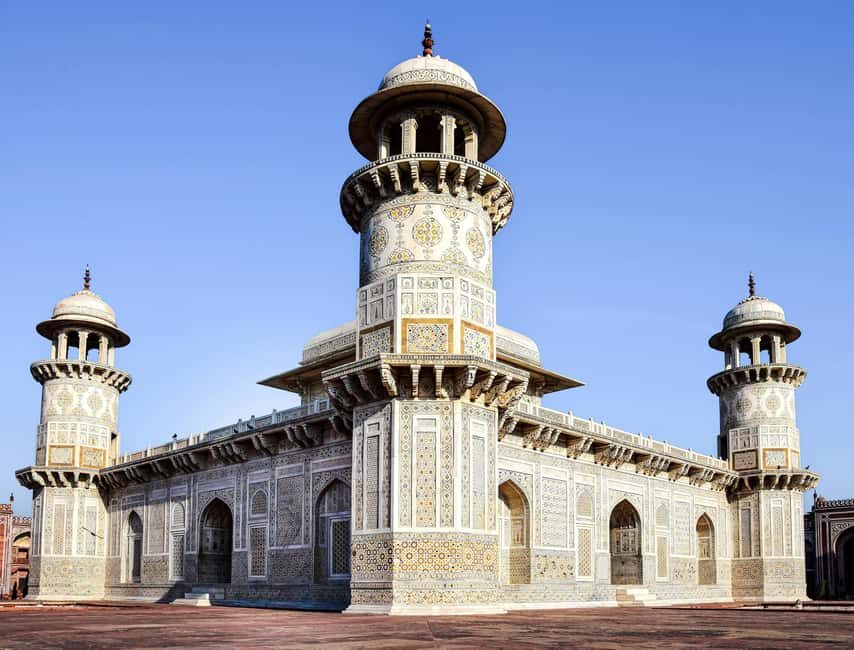
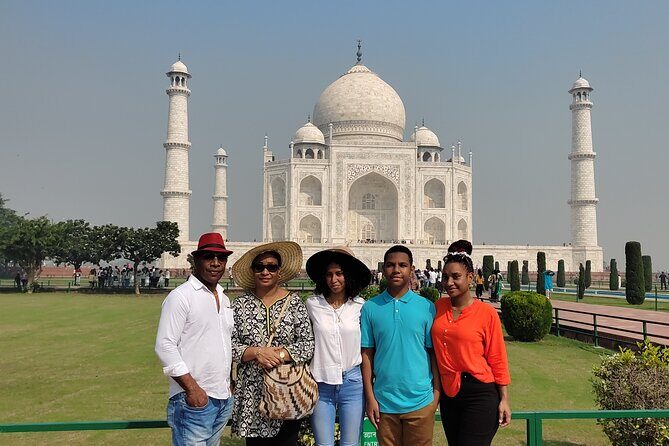
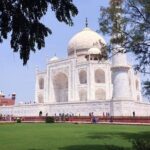
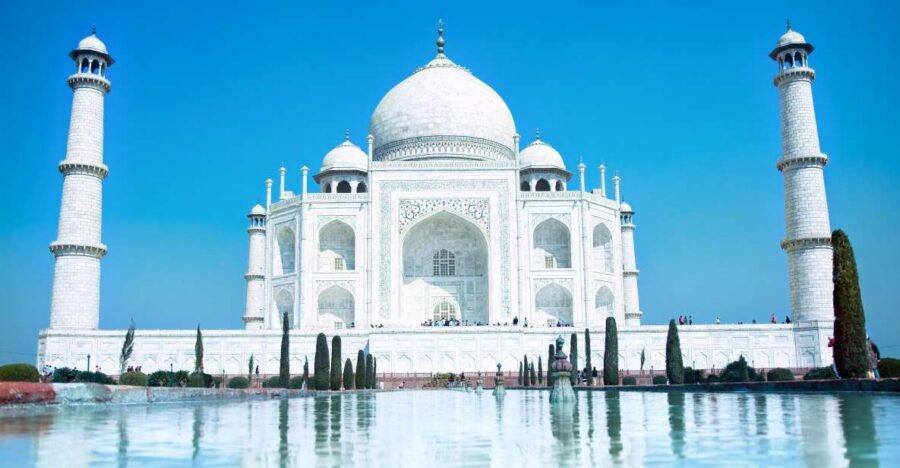
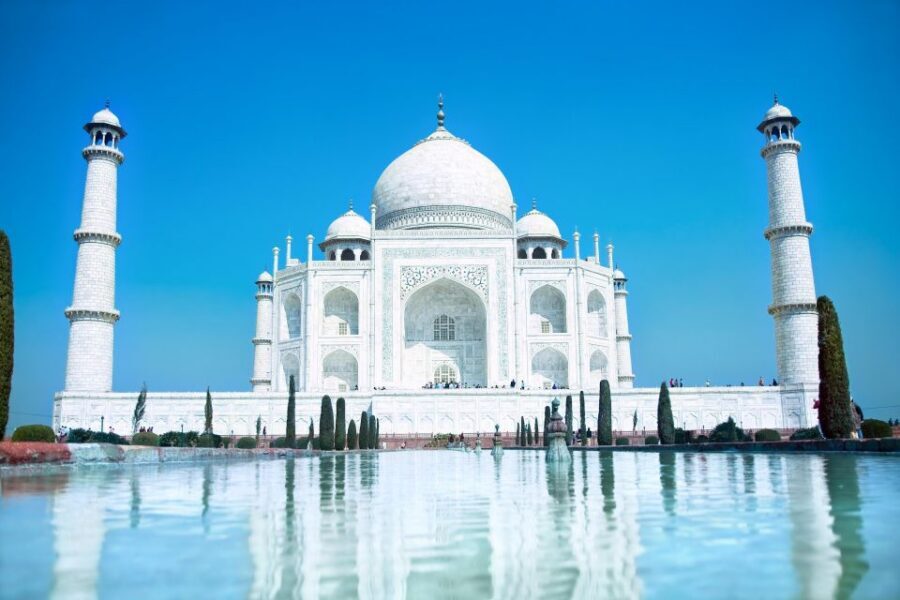
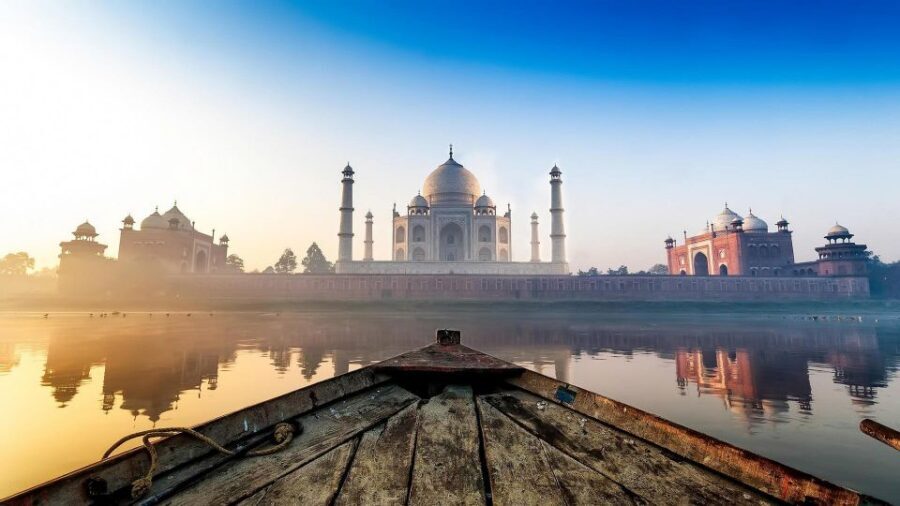
Day 2 is the headline day. It starts early with a sunrise visit to the Taj Mahal, the UNESCO World Heritage Site that people call one of the Seven Wonders of the World. The key isn’t just the photo. It’s the way the building changes as the light rises. Details sharpen. Shadows move. The white marble shifts from cool to warm tones depending on fog, humidity, and cloud cover.
If the weather is moody, don’t panic. In a foggy December morning, a guide still managed to keep the experience strong and helped get great photos. So if visibility is limited, the monument still holds attention. You might also get a quieter atmosphere than you’d expect at later hours.
Right after the Taj, you visit Agra Fort, another UNESCO-listed site built by Emperor Akbar on the banks of the Yamuna River. Agra Fort adds context you won’t get from the Taj alone. The Taj is romantic and sculpted. The fort is governance and defense—different architecture, different purpose, and a clearer view of how these rulers controlled their world.
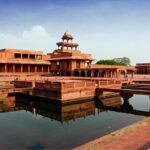
Then you set out for Jaipur with a stop at Fatehpur Sikri. This is a smart “in-between” stop. It breaks up the long drive and gives you a taste of another Mughal architectural moment before you land in royal Jaipur.
When you arrive in Jaipur, you check in and sleep for the night. That evening hotel time is where you’ll appreciate the comfort. Jaipur sightseeing is best when you’re not running on fumes.
Day 3 in Jaipur: Amber Fort, City Palace, Hawa Mahal, and Jantar Mantar
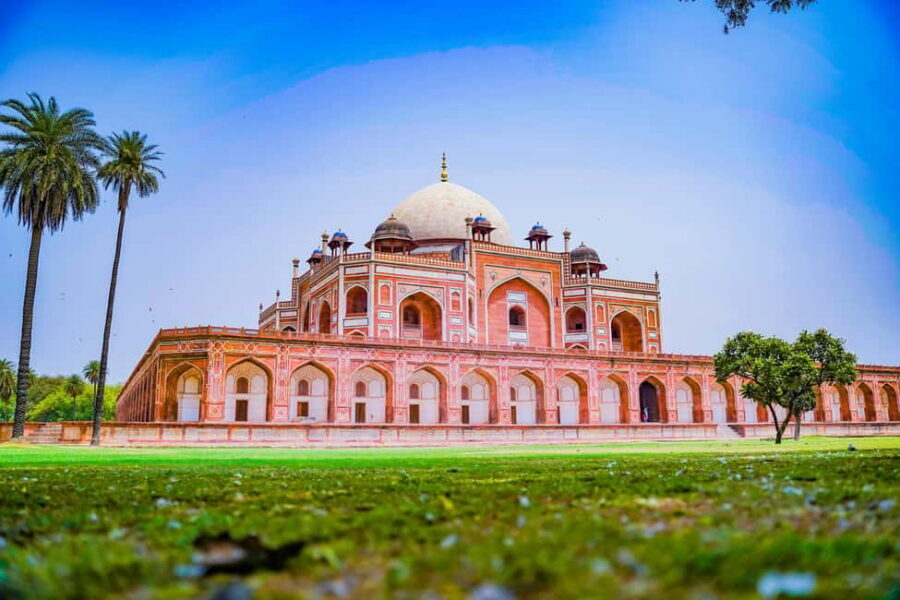
Jaipur day is where the Golden Triangle shifts from imperial stone to royal design. You start at Amber Fort, a hilltop palace complex and UNESCO World Heritage Site. Amber isn’t just one building. It’s a whole system of courtyards and walls, built for viewing, living, and ceremonies. Standing there, you’ll understand why it remains a top attraction: the fort sits like a stage overlooking the city.
Next is City Palace, a complex of gardens and courtyards in the center of Jaipur. It’s a different pace from Amber. Instead of climbing and looking out from a height, you’re moving through spaces that feel more intimate—where the architecture guides you like a slow walk through royal life.
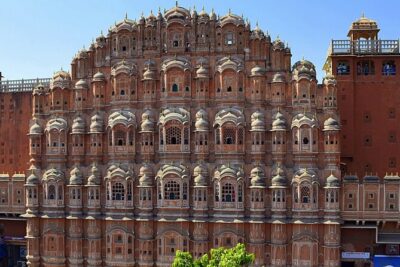
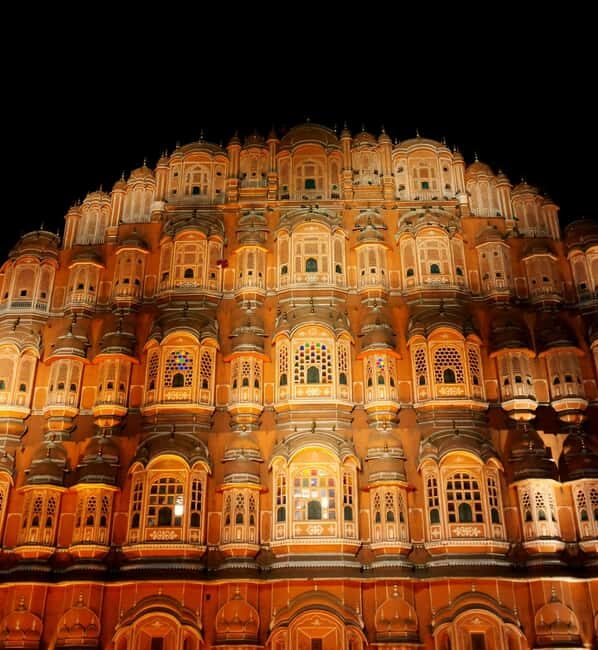
Then comes Hawa Mahal, the Palace of Winds. This is one of Jaipur’s most recognizable landmarks, and it hits even faster in person. The façade’s grid of windows explains why it earned its name: ventilation and filtered light were part of the design thinking.
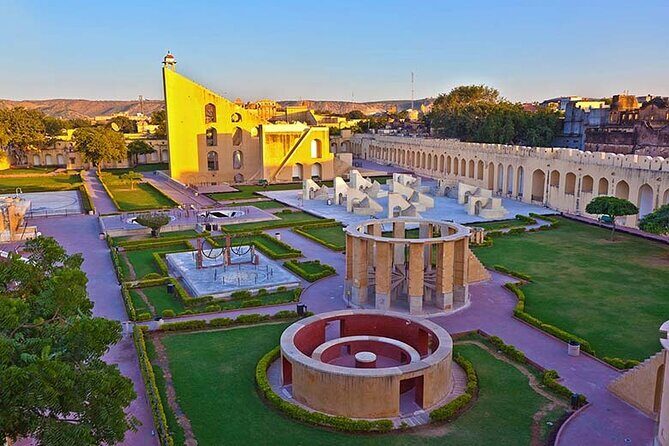
Your day ends at Jantar Mantar, an old astronomical observatory built in the 1700s. This is the surprising close that many first-timers appreciate. It connects math and astronomy to architecture. You’ll see the large instruments and realize these weren’t decorative. They were tools for measuring the sky.
After a full sightseeing day, your driver drops you back in Delhi, with options to reach your hotel, the airport, or another requested location.
You can also read our reviews of more tours and experiences in Agra

Hotels, Private Car, and Live Guides: What You Actually Get
The tour includes AC transfers and a live guide across Delhi, Agra, and Jaipur. That means you’re not stuck reading signs or guessing what you’re looking at. The guides in particular seem to make a difference in the way the trip lands.
- In Delhi, Harshit’s English and adjustment skill helped keep a tight itinerary working even when fog reduced visibility.
- In Agra, Immy brought strong English and humor, and he focused on getting you good viewing angles and photos even when conditions weren’t perfect.
- In Jaipur, Yogi handled pacing so you didn’t feel rushed between major stops.
And then there’s the unglamorous hero: the driver. Ashok’s kind of navigation matters because the rides between cities can feel long, and Delhi traffic can be intense. A smooth driver helps you arrive less stressed, which makes the walking and viewing parts more enjoyable.
You’ll also receive water bottles throughout the day. It sounds small, but in heat or cold, hydration and quick cooling breaks keep the whole schedule from feeling exhausting.
What’s not included is equally important: entry fees, food, and parking costs aren’t part of the package. So it’s smart to keep a budget buffer for monuments and meals.
Price and Value at Around $79 Per Person
At about $79 per person, the value comes from what’s packaged together: private car transfers, guided sightseeing, two nights of hotel accommodation (depending on your chosen comfort level), and pickup/drop-off from your hotel or the airport.
For a first-time Golden Triangle traveler, the savings aren’t just money. It’s mental load. You’re buying someone else’s routing and timing. You’re also buying the guide’s ability to explain why each stop matters, not just what it looks like.
That said, the “good deal” works best if you’re comfortable covering entry fees and choosing your own food on the ground. If you prefer a completely all-inclusive experience where everything is paid upfront, this setup may feel like it leaves extra tasks for you.
Still, if your priority is hitting the big sights efficiently while staying comfortable between them, the structure fits well.
Timing Tips: Friday Closure and Fogy Mornings
Two timing issues matter here.
First: the Taj Mahal is closed every Friday. If your dates include a Friday, your Taj sunrise plan will need adjusting. The trip still covers the broader Golden Triangle circuit, but the signature Taj moment won’t happen on that day.
Second: weather. In December, fog and cold can roll in. The good news is that the itinerary can handle it. One guide adjusted the pacing for fog, and the experience remained memorable even without perfectly clear skies.
What to pack if you’re traveling in cooler months:
- Warm layer for early starts
- Something wind-resistant for mornings outside
- Comfortable shoes for fort courtyards and palace stairs
- A small bottle refill habit (you’ll be getting water bottles, but you’ll still want your own rhythm)
And one more practical tip: sunrise days feel like a sprint. Sleep earlier than you think you need to.
Should You Book This Golden Triangle Trip?
You should book if you want a guided, comfortable first Golden Triangle circuit with private air-conditioned transfers and a realistic 3-day pace. It’s especially good for couples, solo travelers who want structure, and anyone who’d rather spend time learning and walking than planning logistics.
You might skip it or adjust expectations if:
- You can’t travel on a non-Friday schedule and Taj timing is a must.
- You’re hoping for a fully all-inclusive price with food and monument entries handled for you.
- You dislike shopping stops. There can be artisan stops where sellers show wares, and you’ll need confidence to politely say no if you want to keep moving.
If you want the Taj Mahal plus Delhi and Jaipur highlights without turning your trip into a spreadsheet, this is a sensible way to do it—fast, guided, and built around the moments people come for.
FAQ
What cities are included in the 3-day Golden Triangle trip?
The itinerary covers Delhi, Agra, and Jaipur.
How many hotel nights are included?
The package includes hotel accommodation for 2 nights.
Is the Taj Mahal always open during the tour?
No. The Taj Mahal is closed every Friday.
What transportation is included between stops?
You get an air-conditioned private car for all transfers and sightseeing.
Are entry fees included?
No. Entry fees are not included.
Is food included in the price?
Food is not included. If you select breakfast, breakfast is included in the morning.
What languages are the live guides available in?
The live tour guide is available in English, French, and Spanish.
Does the tour include a sunrise visit to the Taj Mahal?
Yes. One of the key highlights is a sunrise visit to the Taj Mahal.