REVIEW · SARNATH
Sarnath: foot steps of Buddha
Book on GetYourGuide →Operated by Sachan Tours · Bookable on GetYourGuide
Sarnath feels surprisingly quiet. This 4-hour trip gives you the big spiritual sights without the usual rush, starting from Assi Ghat and ending with time to breathe inside the Moolgandh Kuti Vihar area. I especially like the double meditation moments and how the guide turns stones and symbols into stories you can actually follow. The main drawback: it’s a mostly outdoor site, so comfortable shoes matter, and the pace may not suit everyone.
You’ll get a small-group feel (limited to 8) with an English-speaking guide, which makes a short trip much more meaningful. One thing to consider: the tour notes say modest clothing is appreciated, and there are limits on bags and mobility—so plan lightly.
In This Review
- Key Highlights You’ll Feel Right Away
- Sarnath in Four Hours: spiritual, not rushed
- From Assi Ghat by Tuk-Tuk: the ride is part of the warm-up
- Meditation at Moolgandh Kuti Vihar: set your mind before you start looking
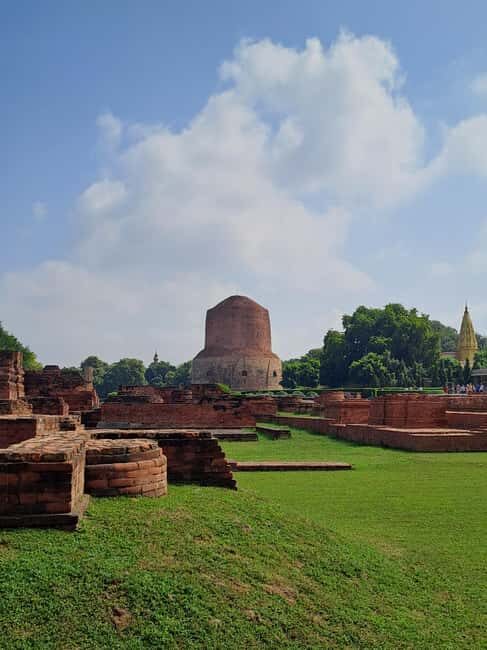
- Dhamekh Stupa meditation: open-air focus with big symbolic meaning
- A guided archaeological park walk: see the ruins without getting lost
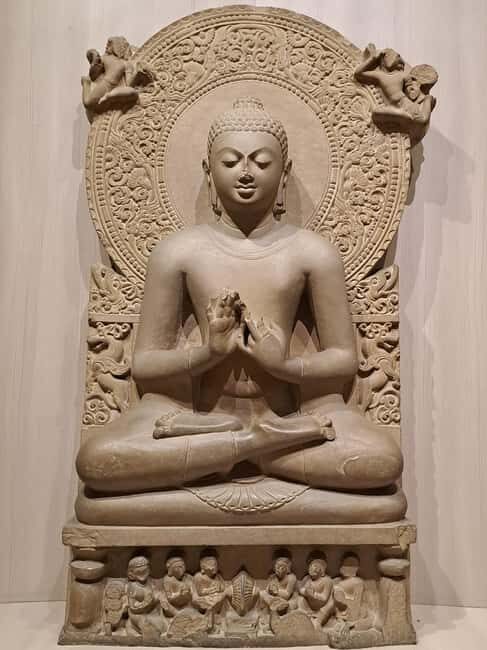
- The site museum: art, symbols, and what to look for
- The 80-foot Buddha image: a dramatic close with photo value
- The guide makes it: Karan’s story style and the small-group edge
- Price and Value: what $35 buys in real terms
- Timing and flow: what you’ll notice during the day
- What to wear and bring for Sarnath
- Wheelchair and age limits: check fit before you book
- Who this tour suits best
- Should you book Sarnath: Foot Steps of Buddha?
- FAQ
- Where is the meeting point for this tour?
- How long is the tour?
- How much does it cost?
- Is the tour guided and in English?
- How big is the group?
- What’s included in the price?
- Do I need to wait in ticket lines?
- Can I cancel for a full refund?
- Is there a reserve now, pay later option?
- What are the main rules on site (clothing, bags, pets, and alcohol)?
- Is the tour suitable for wheelchair users or older adults?
Key Highlights You’ll Feel Right Away
- Two meditation sessions: one at Moolgandh Kuti Vihar, another near the Dhamekh Stupa
- Dhamekh Stupa focus: open-air teaching and a strong sense of place
- Site museum: Buddha imagery, Indian art, plus displays connected to Hinduism, Jainism, and Buddhism
- Archaeological park walk: an easy way to see layered remains without getting lost
- 80-foot Buddha image: a dramatic visual marker to close your visit
- English guide with great story skills: including Karan in recent bookings, with humour and clear explanations
Sarnath in Four Hours: spiritual, not rushed
Sarnath is one of those places where the topic is ancient, but the feeling is immediate. You come in expecting “temples and statues,” and you leave with a calmer brain and a clearer timeline of Buddha’s path through this part of India.
This tour is designed for a short stay, so it avoids the trap of trying to do everything in one day. The flow is simple: get from Varanasi to Sarnath by tuk-tuk, spend the core time with a guided circuit, then close with a short walk before returning near Assi Ghat. For me, the value is that you’re not just sightseeing—you’re also doing meditation in two different spots tied to the Buddha’s story.
The size helps too. A small group (up to 8) means your guide can pace things for the group, and it’s easier to ask questions without shouting across the crowd.
You can also read our reviews of more tours and experiences in Sarnath.
From Assi Ghat by Tuk-Tuk: the ride is part of the warm-up
You start near Assi Ghat, with the meeting point near a restaurant called Itihaas Alley Kitchen. Then you ride by tuk-tuk for about 45 minutes. That travel time matters more than you might think: it breaks up the day and shifts you from Varanasi’s energy into a more reflective mood.
It’s also practical. A single guided transfer means you’re not stuck bargaining, figuring out routes, or losing time to logistics. One review mentioned the tuk-tuk ride as a great start to see more of the Varanasi area, and I get that. You’re moving through real streets, not just teleporting from point to point.
If you’re trying to catch a train later, this format can be useful because the total time is tight and predictable. One booking specifically highlighted getting to Sarnath before a train, which is exactly the kind of scenario where this tour style shines.
Meditation at Moolgandh Kuti Vihar: set your mind before you start looking
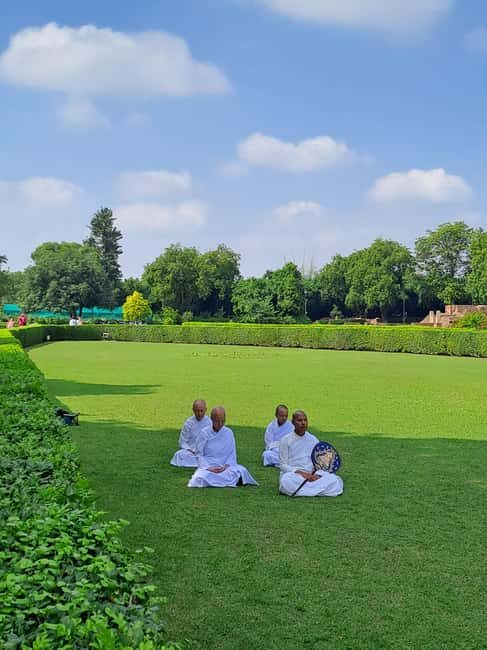
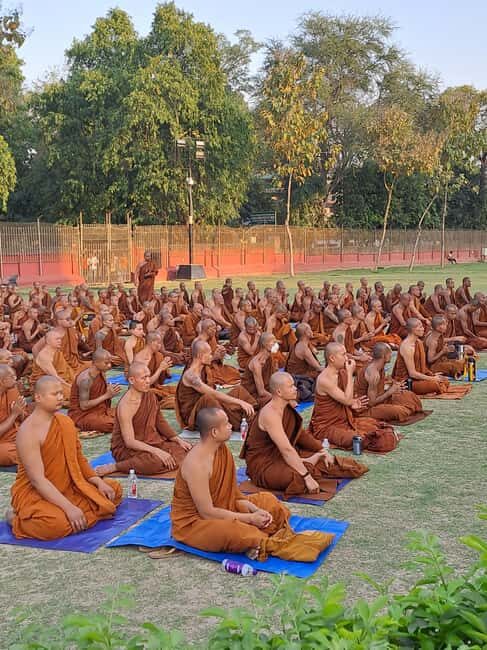
The first big emotional anchor is meditation in the Moolgandh Kuti Vihar area. This isn’t a “sit and hope” moment. With a live English guide, you get a structure for what you’re doing and why it matters here.
Moolgandh Kuti Vihar is central to the Sarnath story. The setting is tied to the Buddha’s teachings, so meditating here feels like stepping into the same space where ideas were practiced, not just displayed. For you, the benefit is mental: you stop treating the site like a checklist.
Practical note: you’ll want comfortable, grippy shoes. Meditation sites involve time on stone or paved areas, and you’ll be standing or walking between spots. Even if you’re not a regular meditator, the guide’s lead helps you keep the experience from feeling awkward or vague.
Dhamekh Stupa meditation: open-air focus with big symbolic meaning
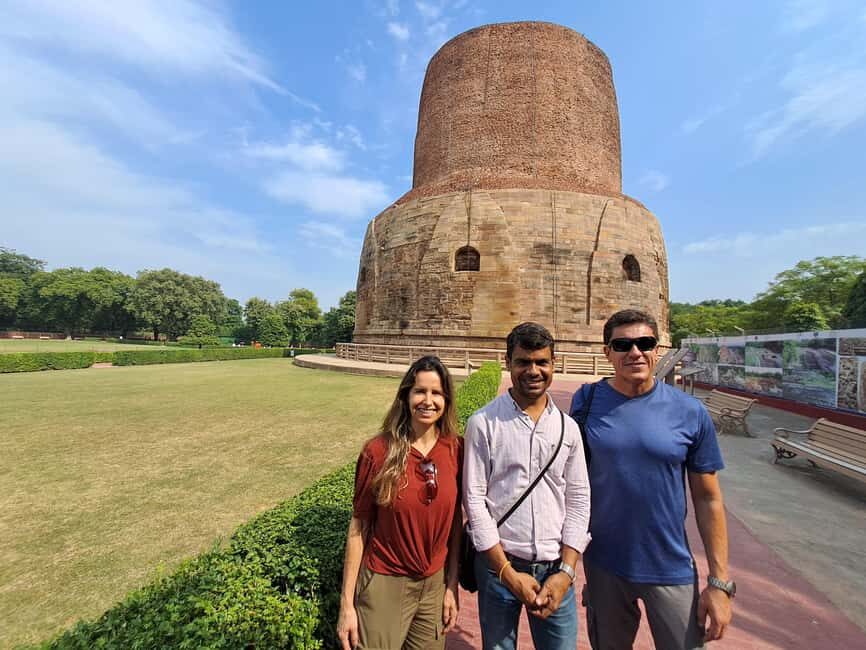
Next comes meditation next to the Dhamekh Stupa. This is where Sarnath’s symbolism becomes physical. The Dhamekh Stupa area is expansive, and the open setting helps you notice how the site works with movement—standing, looking, then returning your attention inward.
The tour’s story line connects Buddha’s search for relief from human sorrow to the teaching he delivered to followers. In the background is a larger pilgrimage route: Buddha’s journey is described as starting from Kapilvastu (in Nepal) and ending in Kushinagar, passing through places like Bodhgaya and Sarnath. That bigger path can make the local stops feel less random. You start seeing Sarnath as one key link in the chain, not just another temple stop.
In plain terms: meditation near Dhamekh Stupa gives you a “why” before it gives you a “what.” The guide’s explanations also help you understand what you’re seeing—things like the importance of the stupa and how Buddhist teaching traditions show up in art and space.
A guided archaeological park walk: see the ruins without getting lost
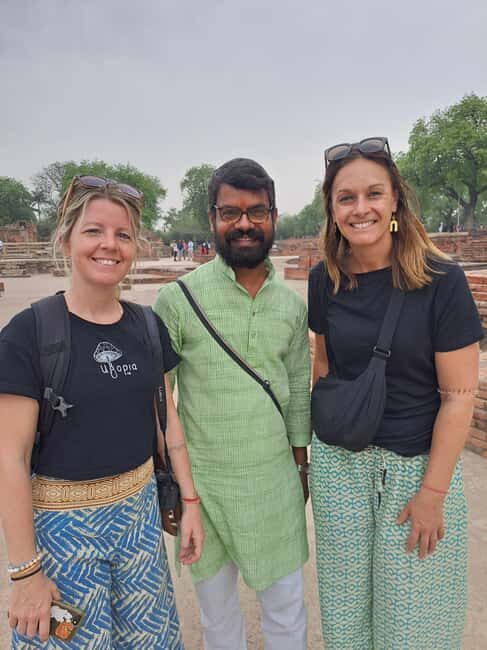
After the main guided circuit, you continue with a walk in the archaeological park area for around 30 minutes. This is one of those times where a guide earns their keep.
Without guidance, archaeological remains can feel like scattered pieces. With guidance, they become clues. You learn to notice patterns—where the remnants suggest earlier structures, and how the site holds layers of Indian religious life over time.
This is also where the tour’s pacing feels smart. It’s not a long hike, but it’s enough time to pick up the “place texture.” One review described Sarnath as a peaceful spot with no chaos, and I agree with the vibe: the park walk helps you feel that calm instead of being dragged from one crowded highlight to the next.
The site museum: art, symbols, and what to look for
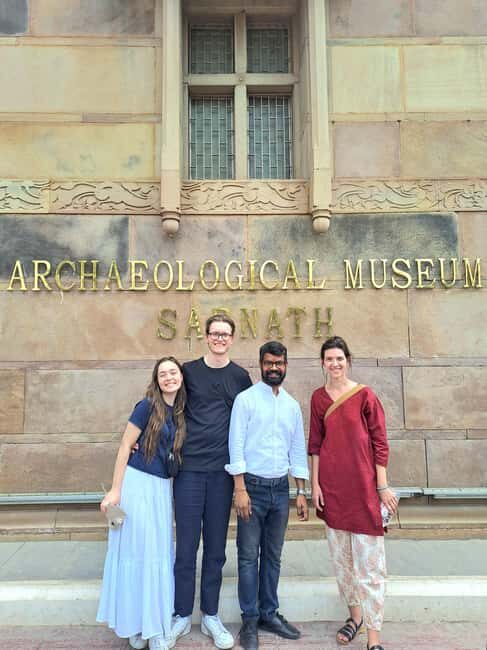
Sarnath’s site museum is one of the best reasons to choose a guided half-day rather than trying to do everything on your own. The museum brings together objects that explain how Buddhism connects with wider Indian religious traditions.
The displays include exhibits tied to Hinduism, Jainism, Buddhism, and Indian art styles. You’ll see a mix of items: Buddha images, his different incarnations, gods and goddesses, and celestial figures. The museum experience is especially rewarding if you like “reading” visual culture. With a guide, you can translate symbols faster than you would alone.
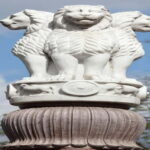
Another strong detail: the museum includes notable artifacts and also features the National Emblem of India on display. That matters because it quietly connects ancient religious art with India’s modern identity in the same space.
One thing I’d do if you like museums: spend a few extra seconds in front of the Buddha-related displays. Even with a time-limited visit, focusing on key images helps you build continuity. The tour isn’t just about seeing one Buddha statue; it’s about understanding how the figure and ideas show up through time in multiple forms.
The 80-foot Buddha image: a dramatic close with photo value
The tour’s visual finish includes an 80 feet tall image of Buddha. It’s hard to miss—this is the kind of landmark that anchors your memory of the day.
Why it works: after meditation, museum learning, and an archaeological walk, the big statue helps you “land” the experience. It gives you a simple, clear end point. You also get a natural place to reset your posture and breath before you start thinking about the ride back.
If you’re taking photos, bring a steady hand and give yourself space. Big images often mean big crowds nearby, and you’ll enjoy the statue more if you’re not fighting for angles.
The guide makes it: Karan’s story style and the small-group edge
This is where the tour gets consistently praised. In recent bookings, the guide Karan stood out for story telling, humour, and clear explanations. The pattern across reviews is the same: he doesn’t just point at monuments—he connects them to Buddha’s life and the meaning behind the scenes.
Even if you’re not a religion buff, that kind of guiding turns a short visit into an experience with momentum. It’s also useful for people who want history but don’t want lectures. One comment noted flexibility, including adjusting the tour to suit needs. That’s a real advantage in a place where you might want extra time in the museum or a slightly slower walk.
Language matters too. English support is included, and the small group size helps you feel like a person, not a number.
Price and Value: what $35 buys in real terms
At $35 per person for about 4 hours, this tour is priced like a straightforward half-day with transportation and guided access. What makes it feel like good value is what’s bundled:
- Transportation to and from the Sarnath area
- A live English guide
- All entry tickets
- Water bottles
- Skip the ticket line
In India, the biggest hidden costs in short trips are often time and paperwork—standing in lines, figuring out tickets, and losing momentum. Here, the structure removes that friction. You pay once, show up at the meeting point, and spend your energy on the experience.
Also, the trip is small-group and time-limited. That can be better than booking separate local tickets if you’re trying to fit Sarnath into a busy Varanasi plan.
Bottom line: if you want a calm half-day with minimal hassle and strong interpretation, $35 can be a fair trade. If you prefer totally free-form wandering with no guidance, you might feel you’re paying for structure rather than discovering on your own.
Timing and flow: what you’ll notice during the day
The day follows a clear rhythm: ride out, guided sightseeing, meditation moments, museum time, then a short walk, then back to your start area near Assi Ghat.
Here’s what that rhythm does for you:
- Meditation first helps you stop rushing.
- Stupa time gives you symbolism before photos.
- Museum time gives you context so what you saw outdoors actually sticks.
- Archaeological park time ties it together with physical remnants.
Because the day is only 4 hours, you don’t get bogged down. You do get enough to feel like you covered the essentials of Sarnath—especially the places that are most connected to Buddha’s teaching tradition.
What to wear and bring for Sarnath
Sarnath is a primarily Buddhist site, so modest clothing is appreciated. For a short tour, you don’t need to overthink it: cover shoulders and keep things respectful, especially if you’re visiting temple-adjacent areas.
Bring comfortable shoes. You’ll be walking on site paths and moving between stops.
Packing smart matters because luggage or large bags are not allowed. Keep your load small so you’re not dealing with storage or restrictions mid-visit. Also, pets aren’t allowed, though assistance dogs are allowed.
One more practical point: the tour rules prohibit intoxication and alcohol/drugs in general, including alcohol in the vehicle. It’s a calm spiritual environment, so keeping the vibe clean is part of the experience.
Wheelchair and age limits: check fit before you book
The info you’re given includes a note that the tour is wheelchair accessible, but it also says it’s not suitable for wheelchair users. That’s a conflict, and you should take it seriously.
If you use a wheelchair or have limited mobility, I’d treat this as a “needs confirmation” situation. Since the visit includes walking and outdoor segments, the site terrain may affect what’s realistic for you.
The tour also notes it’s not suitable for:
- People over 350 lbs (159 kg)
- People over 95 years
If any of those apply to you, it’s worth checking directly with the provider before committing.
Who this tour suits best
This tour is a strong match if you:
- Want a peaceful half-day rather than a marathon day tour
- Appreciate guided interpretation of Buddhist art and symbolism
- Like meditation experiences that aren’t vague or awkward
- Need a timed plan while staying in Varanasi
It may be less ideal if you:
- Need very flexible pacing for mobility reasons
- Strongly prefer going without structure and without guidance
- Don’t want any rules around bags and modest attire
Should you book Sarnath: Foot Steps of Buddha?
I’d book this if you want Sarnath to feel meaningful in a short window. The mix is practical: two meditation moments, a guided circuit, an excellent museum, and a calm archaeological walk. Plus, the small-group setup and the consistently praised guide style (including Karan in recent bookings) can turn a basic visit into something you remember long after.
Skip it if you want to wander freely, or if mobility limits make outdoor walking and site transfers difficult. In that case, ask questions before you pay—especially given the wheelchair-accessibility note that conflicts with the suitability note.
If your goal is a quiet, guided Sarnath with real context (and not just photos), this tour is a solid choice.
FAQ
Where is the meeting point for this tour?
It meets near a restaurant called Itihaas Alley Kitchen, Assi Ghat.
How long is the tour?
The duration is 4 hours.
How much does it cost?
The price is listed as $35 per person.
Is the tour guided and in English?
Yes. It includes a live tour guide in English.
How big is the group?
It’s a small group limited to 8 participants.
What’s included in the price?
Transportation, guiding services, all entry tickets, and water bottles are included.
Do I need to wait in ticket lines?
No. The tour includes skip-the-ticket-line entry.
Can I cancel for a full refund?
Yes. You can cancel up to 24 hours in advance for a full refund.
Is there a reserve now, pay later option?
Yes. It offers reserve now and pay later.
What are the main rules on site (clothing, bags, pets, and alcohol)?
Modest clothing is appreciated. Comfortable shoes are recommended. Luggage or large bags aren’t allowed. Pets aren’t allowed (assistance dogs are allowed). Intoxication and alcohol/drugs are not allowed.
Is the tour suitable for wheelchair users or older adults?
The information indicates wheelchair access but also says it is not suitable for wheelchair users. It also notes it’s not suitable for people over 350 lbs (159 kg) or over 95 years.