REVIEW · KHAJURAHO
Raneh waterfall Khajuraho (motorcycle tour)
Book on Viator →Operated by Authentic India Experiences · Bookable on Viator
Raneh Waterfall is best by road.
This private Khajuraho motorcycle tour feels like a day you’d plan for friends: pick-up from your hotel area, a scenic drive past farms and animals, and a guide who actually explains what you’re seeing. I like the village-by-village pacing (you’re not just rushing from photo to photo), and I also love having Rajendra from Khajuraho as your main guide, plus his cousin Aditya (Lucky) chiming in with local context you won’t get from a quick temple audio guide. One drawback to consider: snacks and drinks aren’t included, so you’ll want to plan around that or budget for a chai stop.
You’ll also get a mix of sights that makes the day feel real: freestanding temples like the South Group, buffaloes bathing near the river, farmers working by hand, and children in the middle of everyday life. It’s not a “stay clean in the air-conditioned comfort bubble” kind of outing, and that’s exactly why it works.
And when you reach the waterfall, you get a proper viewpoint over steep cliffs and canyon-like drop-offs, with time for a chai or snack before you head back.
In This Review
- Key highlights you’ll feel right away
- From Khajuraho to Raneh Waterfall: what you actually see
- Meet Rajendra and let the tour make sense fast
- The ride through villages by motorcycle (and when the car makes more sense)
- South Group temples: why this stop feels different
- Buffaloes, farmers, and kids: the scenes you remember
- Raneh Waterfall viewpoint: steep cliffs and canyon views
- Stops add up: how the 4-hour plan stays comfortable
- Price and value: what $28.37 per person really buys
- Practical details that help you enjoy the day
- Who should book this Khajuraho waterfall motorcycle tour?
- Should you book this Raneh Waterfall motorcycle tour?
- FAQ
- How long is the Raneh waterfall tour in Khajuraho?
- Where does the tour start and end?
- Can I go by motorcycle instead of a car?
- Is the admission ticket included?
- What’s included in the price?
- What should I plan for regarding food and drinks?
- Who will guide the tour?
Key highlights you’ll feel right away
- Rajendra’s Khajuraho perspective: he explains what most people miss about daily life and the area’s culture.
- Motorcycle-first experience: the ride through villages is often the best part of the tour.
- South Group temple stop: a specific temple area where you’ll pause and look carefully.
- Everyday agriculture scenes: hand-work farming moments, plus buffaloes in the river area.
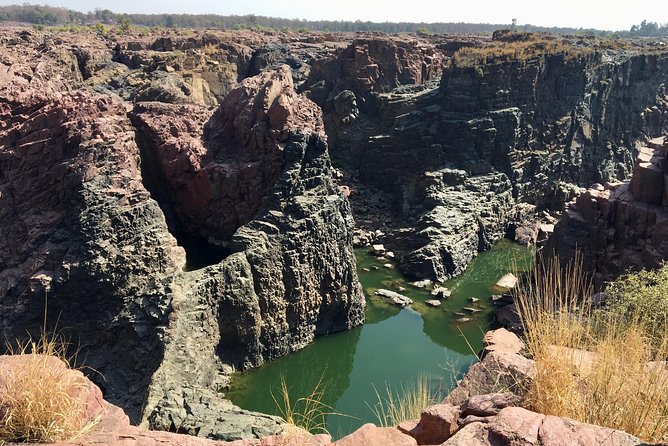
- Raneh Waterfall viewpoint: steep cliffs and canyon views from a viewing platform.
- Private, only-your-group tour: you set the tone, not a big bus schedule.
From Khajuraho to Raneh Waterfall: what you actually see
This is a short, focused half-day tour built around one big payoff: Raneh Waterfall. But the day isn’t just about the waterfall. The magic is the route there, because you’re traveling through working villages with fields and animals, not along a sterile tourist strip.
Expect a guided ride where you pause often enough to take it in. You’ll see farmers doing manual agriculture, families gathering in shaded spots, and buffaloes around the river. That mix matters because it turns “a waterfall visit” into an understanding of how people live in this part of Madhya Pradesh.
When you finally arrive at the waterfall viewpoint, you’re looking at a dramatic set-up: steep cliffs with a canyon-like feel. You’ll stand on a viewing platform and get a clear look at the waterfall’s drop and surrounding rock walls. It’s the kind of view that makes you stop checking your phone for a minute—good sign.
You can also read our reviews of more tours and experiences in Khajuraho.

Meet Rajendra and let the tour make sense fast
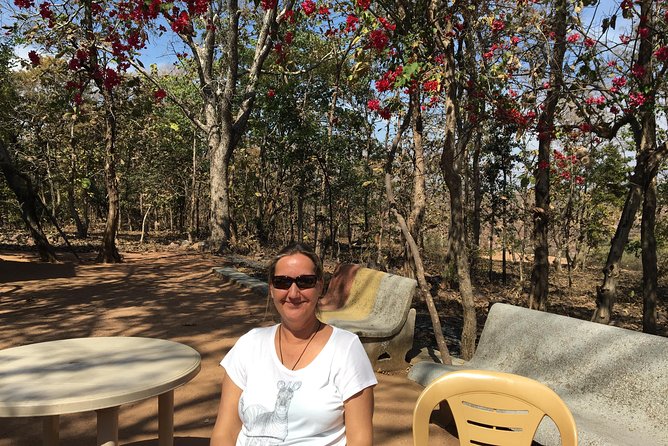
One thing I really like about this experience is that the guide doesn’t treat the day like a checklist. Rajendra comes from Khajuraho, and that local grounding comes through in how he explains the sights in plain language.
You’ll learn about Hinduism and yoga, but also about more practical stuff: how agriculture works here, what you’re seeing with local animals, and how daily routines connect to the surrounding temples and waterways. Having his cousin Aditya (Lucky) in the mix also adds a second layer of explanation, especially for people who like questions and conversation.
This matters for your comfort. If you’re trying to understand Khajuraho beyond the famous carvings, this style of guiding helps you connect the dots without drowning you in big lectures.
The ride through villages by motorcycle (and when the car makes more sense)
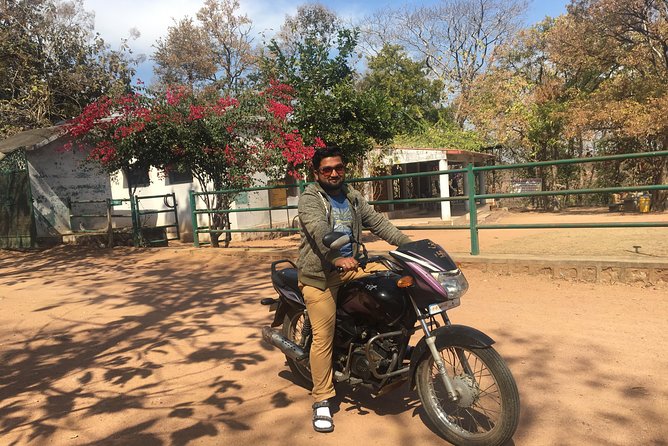
The tour offers two transport options: motorbike or car. For individuals, the motorbike is the recommended way to do it, and the reason is simple: you feel closer to the road life. Small village turns, open fields, and animals along the way become part of the experience instead of just scenery outside a window.
You’ll travel through small, tranquil villages with many fields and animals. That’s where you start picking up the rhythm of the place—families meeting, farmers working, and children moving through daily space. The route also includes small rivers along the way, so the day has repeated “pause and look” moments.
Is the motorcycle for everyone? Consider your comfort level. If you’d rather keep things calmer and more stable, choose the car option. The tour still includes the same guided stops and viewpoints; you’ll just trade part of the sensory experience for easier sitting and less motion.
South Group temples: why this stop feels different
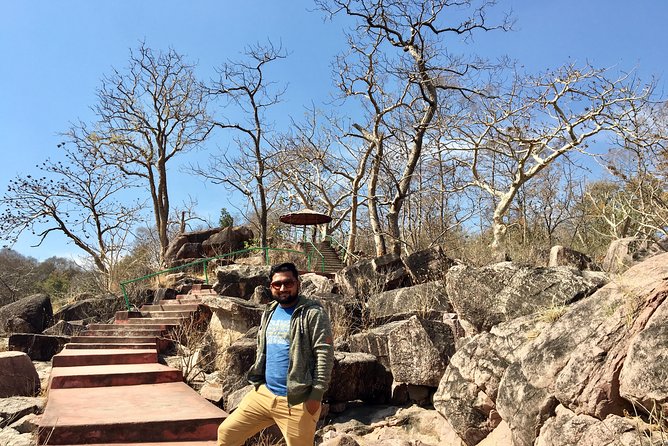
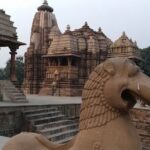
A key part of the route includes stops at freestanding temples, including the South Group. Even if you already know the Khajuraho temple complex is famous, this kind of stop changes the mood.
Instead of treating temples as distant monuments, you’re placing them inside a real environment—where animals graze and people move through the area nearby. The guide’s explanations help you see why these temple locations matter to daily life, not just tourism.
The South Group stop is also a good checkpoint for your eyes. It gives you a chance to slow down, look at details, and then compare what you noticed earlier on the drive: waterways, fields, and how the built spaces sit within the village world.
Buffaloes, farmers, and kids: the scenes you remember
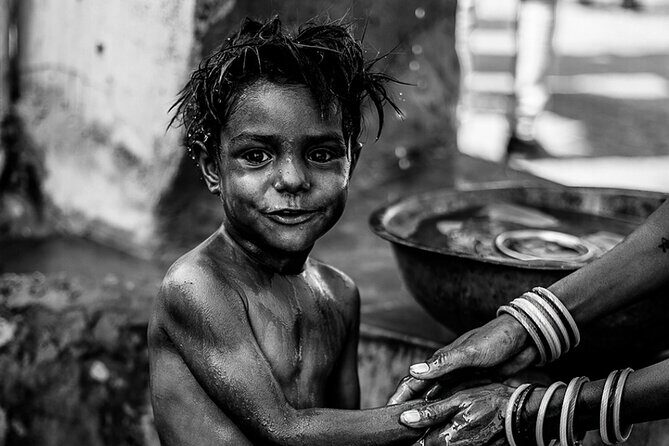
This tour leans hard into human-scale moments. You’ll have opportunities to watch buffaloes bathing in the river and to see farmers working. You might also spot families meeting at fountain areas or gathering under large, old trees.
Those details are more than cute background. They help you understand what’s active here right now, not just what used to be. And because you’re traveling by private arrangement, your guide can point things out as you pass—so the day doesn’t feel like a sequence of forced photo stops.
The kids and everyday routines can also add a warm, surprisingly personal tone. Just keep your expectations grounded: this is a moving, working environment. If you stay respectful and curious, you’ll get the kind of connection that makes the day feel worth it.

Raneh Waterfall viewpoint: steep cliffs and canyon views
The core destination is the Raneh Waterfall viewing area, reached after the village drive. The waterfall sits in a dramatic setting with steep cliffs and a canyon-like feel. From the viewing platform, you get a strong view of the fall and the surrounding rock.
Time here is part of the balance. This isn’t a full-day trek. You’ll have a chance to soak up the view, then move on. The schedule gives you room for a chai or snack at a small outdoor spot near the route, so you can take a breath before heading back.
One practical point: the experience notes that it requires good weather. If conditions are poor, the tour may be rescheduled or refunded. Waterfalls and viewpoints often look best when skies are clear enough for visibility and when the area is safe to visit.
Stops add up: how the 4-hour plan stays comfortable
The total time is about 4 hours, give or take. That’s a sweet spot for this kind of outing because you get a meaningful slice of Khajuraho’s surroundings without exhausting your day.
The flow is easy to understand:
- Pick-up from your hotel or at the meeting point
- Guided drive through villages and passing points of interest
- Temple stop(s), including the South Group area
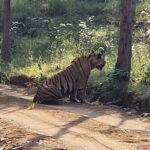
- Wildlife and agriculture moments along the route
- Arrival at Raneh Waterfall for viewing
- Optional chai/snack time, then return back to where you started
At your pace, it doesn’t feel crowded or rushed. The private format also helps. You’re not negotiating around a dozen strangers who all want the same photo angle at the same second.
Price and value: what $28.37 per person really buys
The listed price is $28.37 per person. For that, you’re paying for private transport plus fuel surcharge, along with a guide who shares local context during the ride and at stops.
What makes the value feel real isn’t the math—it’s what you’re getting for the money:
- Private time with Rajendra rather than a generic route
- Transportation to get you through village roads efficiently
- Temple and waterfall viewpoints built into one half-day
- A day that includes explanations about Hinduism, yoga, agriculture, and local life
What’s not included is also important. Snacks, food, and drinks aren’t included, and you’ll likely want at least a simple drink or bite during the outing. The good news is that there’s time for chai or a snack near the waterfall area, but you should still treat this as a plan where you cover your own refreshments.
So overall: this is good value if you want a guided, human-scale look at the area rather than a quick photo stop. If you’re traveling with someone who mainly wants to see the waterfall and nothing else, you might feel the guide time is more than you need—but for most people, the context is the point.
Practical details that help you enjoy the day
You’ll start around the meeting point at Mediterranean Café and Restaurant, Sevagram, Khajuraho, Madhya Pradesh 471606, India, and the tour ends back at the meeting point.
A couple more details that help:
- Confirmation is received at booking time.
- You’ll have a mobile ticket.
- This is a private tour, only your group participates.
- Service animals are allowed, and the experience is listed as suitable for most travelers.
- It runs daily, Monday through Sunday, between 8:00 AM and 5:00 PM.
If you’re planning your day around it, think of this as a half-day activity that pairs well with a later temple visit or a relaxed dinner back in town.
Who should book this Khajuraho waterfall motorcycle tour?
This tour is a great fit if you want:
- A guided look at Khajuraho’s surroundings beyond the big-name temple spots
- A village ride that shows agriculture and everyday life
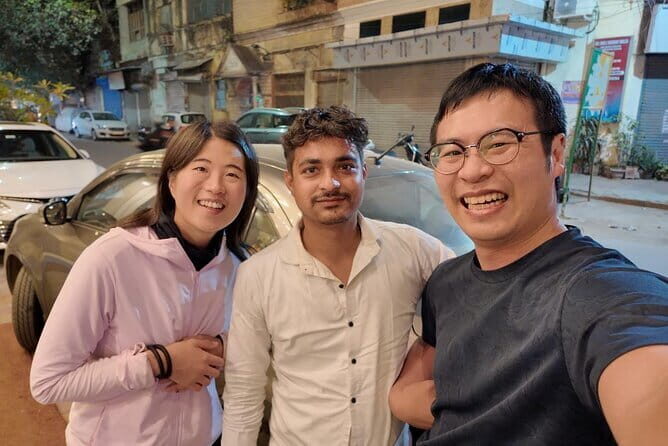
- A local guide like Rajendra, plus the added warmth and context from Aditya (Lucky)
It’s also a strong pick for people who like conversation and questions, since the guide touches on Hinduism, yoga, agriculture, local cuisine, and Indian history in the flow of the day.
I’d steer you toward the car option if you prefer less motion or if riding a motorbike isn’t your comfort zone. Otherwise, go for the motorbike if you want the road to feel alive.
Should you book this Raneh Waterfall motorcycle tour?
Yes, if you want the Raneh Waterfall experience tied to real village life and guided context. The big reason to book is the combination of private transport + a local guide from Khajuraho plus actual stops along the way, including freestanding temples like the South Group.
Skip it only if you’re mainly after a long, unhurried waterfall hangout and don’t care about temples, villages, or agriculture scenes. This tour is built for movement, meaning it gives you a memorable snapshot, not an all-day retreat.
FAQ
How long is the Raneh waterfall tour in Khajuraho?
It runs for about 4 hours (approx.).
Where does the tour start and end?
It starts at Mediterranean Café and Restaurant in Sevagram, Khajuraho, and ends back at the same meeting point.
Can I go by motorcycle instead of a car?
Yes. You can go by motorbike, especially recommended for individuals. A car option is also available.
Is the admission ticket included?
The activity lists admission ticket free.
What’s included in the price?
Private transportation and a fuel surcharge are included.
What should I plan for regarding food and drinks?
Snacks, food, and drinks are not included. There is time for chai or a snack during the outing.
Who will guide the tour?
Rajendra from Khajuraho is your main guide, and his cousin Aditya (Lucky) may also join in.