REVIEW · OLD DELHI TOURS
Old Delhi Walking Tour
Book on Viator →Operated by Tour with Anu · Bookable on Viator
Old Delhi clicks into place fast. I love having Anu, a guide with a personal path from homelessness to his own tour company, and I love the built-in rickshaw ride after you start at Jama Masjid.
You’ll walk past major sights and into the day-to-day trading areas, including the spice market and a stop for tea and snacks. One thing to plan for: you’re on your feet in busy streets, so comfortable shoes and good weather matter.
In This Review
- Key highlights to look forward to
- Why This Old Delhi Walk Feels Worth It
- Meeting at Jama Masjid Gate No. 3 (and finding it fast)
- Anu the Guide: More than facts, a real point of view
- The rickshaw ride and the tea break you’ll appreciate
- Red Fort stop: seeing the big icon from the street
- Jama Masjid: the start point, and the feeling of arrival
- Spice market, flower market, and a temple stop
- How the pacing and group size work (max 20)
- Price and value: what $13 really buys you
- Practical tips before you go
- Who should book this tour
- Should you book Old Delhi Walking Tour with Anu?
- FAQ
- How long is the Old Delhi walking tour?
- How much does the tour cost?
- Where does the tour start?
- Which metro line should I use?
- Is a rickshaw ride included?
- Is tea and snacks provided?
- What are the main places visited?
- What if the weather is poor?
Key highlights to look forward to
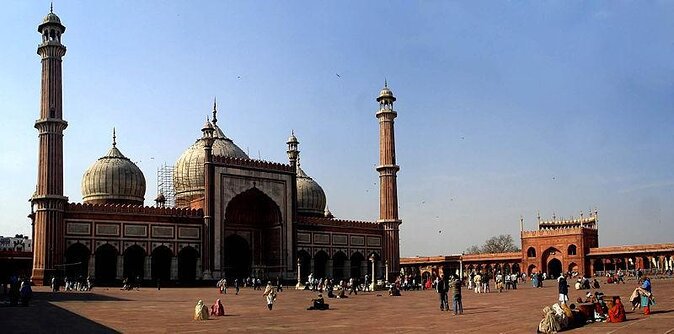
- Start at Jama Masjid Gate No. 3 with a clear meeting point in the Delhi Gate / Chandni Chowk area
- Small group size (max 20), which keeps questions and pacing realistic
- Rickshaw ride included, so you get a break from walking and see streets at a slower tempo
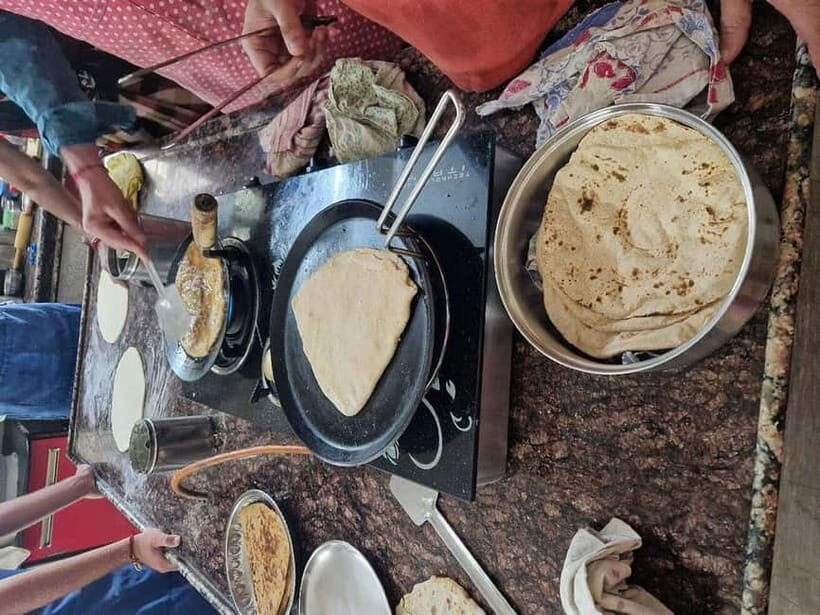
- Tea and snacks provided during the walk, so you’re not just powering through on willpower
- Old Delhi route includes Red Fort, Jama Masjid, spice market, flower market, and a temple
- Anu’s story and street-level storytelling add meaning to what you’re seeing
Why This Old Delhi Walk Feels Worth It
This tour is priced like a bargain and designed like a real neighborhood experience. For about $13 and roughly 2 hours 30 minutes, you get a professional guide, a rickshaw ride, and tea with snacks—so you’re not just sightseeing, you’re being oriented and paced for the area.
Old Delhi can be overwhelming fast. This is the kind of guided walk that helps you connect landmarks to the smaller details you’d miss on your own—where people go, what gets sold, and how the streets flow around big religious and civic spaces.
Meeting at Jama Masjid Gate No. 3 (and finding it fast)
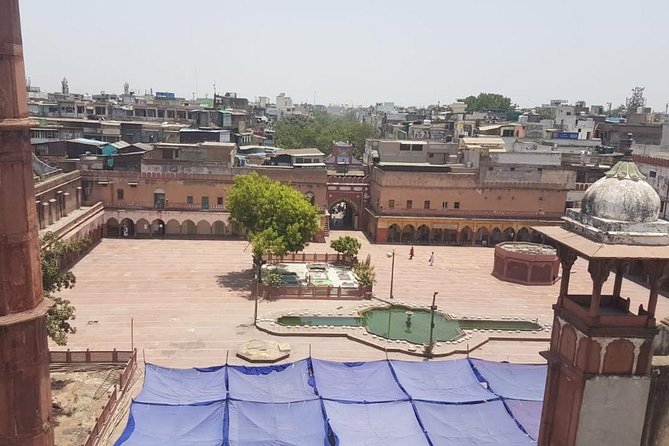
The tour begins at Jama Masjid, specifically Gate No. 3. The meeting point is listed around the Delhi Gate Metro Station area (Gate No. 3) on Asaf Ali Road near Chandni Mahal/Chandni Chowk, so it’s doable by public transit without a complicated game of telephone.
If you’re coming by metro, the guidance is to use the Violet Line and get off at Jama Masjid. In other words: aim for the Jama Masjid area first, then look for Gate No. 3 to connect with your guide and group.
Practical tip: Old Delhi has a lot of pedestrian movement, so give yourself a little buffer time. If you’re even slightly rushed, you’ll spend that energy scanning for the meeting point instead of enjoying the start.
Anu the Guide: More than facts, a real point of view
The standout here is the guide: Anu leads the tour, and the tour description frames him as someone who experienced homelessness as a child and later got support from a local nonprofit. Now he runs his own tour company.
That matters because the tour isn’t just saying what something is. You’re guided through places like Jama Masjid, markets, and a temple with the kind of street-level context that tends to come from lived experience and daily familiarity. You’ll likely get better answers to the questions you actually have—like what people are doing there, why that space feels the way it does, and what to notice as you pass.
One more thing I like in this setup: the tour is built around a professional guide who will show you around and answer questions. With markets especially, being able to ask things like what’s sold here and what’s worth paying attention to makes the walk feel personal, not scripted.
The rickshaw ride and the tea break you’ll appreciate
This is a walking tour, but it doesn’t feel like punishment. A rickshaw ride is included, which helps you cover street twists without exhausting your legs before the main sights and shopping areas.
Then there’s the break built into the flow: tea and snacks. Even a short pause changes how you experience Old Delhi. Instead of just pushing through noise and movement, you get a reset, and you’ll often be able to focus better on details afterward—the texture of the markets, how groups cluster around entrances, and the rhythms of foot traffic.
If you’re the type who needs regular refueling, this tour’s structure is a win.
Red Fort stop: seeing the big icon from the street
The route includes a stop at Red Fort. Even if you’re not doing a full inside visit, this is still a meaningful checkpoint because it anchors the rest of the walk. You’ll be able to understand how major Mughal-era power and modern street life sit side by side in Old Delhi.
The main value of a Red Fort moment during a walking tour is perspective. From the surrounding area, it’s easier to place the scale—this isn’t one isolated monument. It’s part of a wider urban fabric that shapes how people move through the neighborhood.
What I’d watch for here: framing and vantage points. Look for angles that show how the fortress connects visually to the street environment and how people orient themselves around it.
Jama Masjid: the start point, and the feeling of arrival
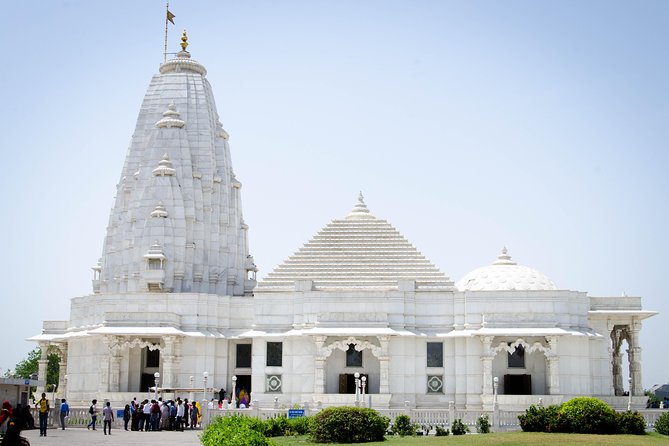
You begin at Jama Masjid, so you’re not cramming this stop into the end of your tour. Starting there gives you a clean first impression before you head into the markets and smaller lanes.
Jama Masjid is also a great place to learn how to slow down. When you’re under a major religious landmark, you naturally notice entrances, flow patterns, and the way people move in and out with purpose. A guide helps you understand what you’re looking at so it doesn’t become just another large building photo.
Also, since your meeting point is Gate No. 3, you’ll know exactly where you’re supposed to be at the start. That reduces stress—especially important in a busy area.
Spice market, flower market, and a temple stop
This is the part many people come for: the markets plus at least one temple stop. The description specifically mentions visits to a spice market and a flower market, along with a temple, with tea along the way.
Here’s what makes a guided pass through markets valuable. On your own, you can end up focusing only on shopping pressure, smells, and crowds. With a guide, you can pay attention to structure: how goods are grouped, how sellers draw you in, and how different market sections feel distinct even when they’re close together.
Spice market: Expect a strong sensory hit. Spices aren’t just merchandise here—they’re part of local life and the daily food story. You’ll also likely notice the range of colors and packaging styles that show how spices are sold and used.
Flower market: Flowers work differently than spices. You’ll probably see buyers and sellers treating it like a practical supply chain, not just decoration. It’s a nice contrast point after the heavy spice atmosphere.
Temple stop: Adding a temple to the mix gives you a calmer counterbalance. Markets pull you into commerce and busy movement; a temple stop adds a different rhythm—where people slow down and shift from shopping mode to respectful viewing.
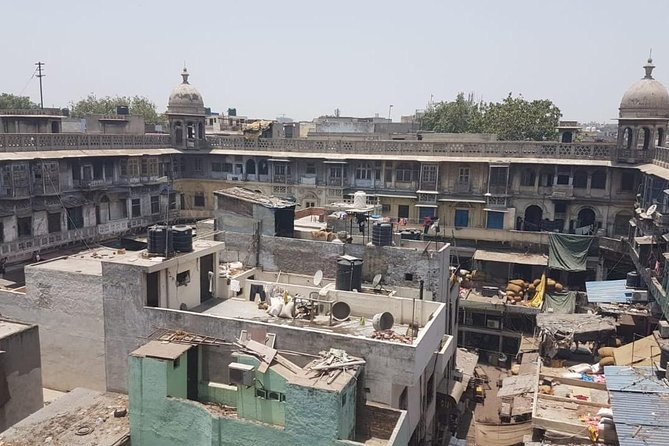
If you enjoy small side angles—like courtyards, rooftops, or tucked-in viewpoints—keep an eye open. The tour style described includes the kind of extra sightings that you may not catch without local guidance.
How the pacing and group size work (max 20)
The tour keeps group size to a maximum of 20 travelers. For a walking tour through Old Delhi, that’s a useful ceiling. It’s big enough to feel lively, but small enough that you’re less likely to get separated into a chaos train.
With a guide who answers questions, 20 people is often the sweet spot: you can ask something, hear the answer, and still move at a pace that doesn’t drag.
Timing is also important: the experience runs about 2 hours 30 minutes. That’s long enough to see multiple highlights, but short enough that you’re unlikely to hit the point where you just want to escape the street and sit down.
Price and value: what $13 really buys you
Let’s talk value honestly. At $13, you’re paying for:
- a professional guide
- a rickshaw ride
- tea and snacks
- access to a route that includes major anchors (Jama Masjid, Red Fort area) plus markets (spice and flower) and a temple
Many self-guided Old Delhi attempts cost less on paper, but they often cost you more in time, confusion, and missed context. You can absolutely explore on your own, but you’ll likely spend longer figuring out what you’re looking at and where to go next.
This tour also nudges you toward the practical: it gives you a meeting point, a start, and an end structure (you finish back at the meeting area after the route, even if the walk leads you toward the spice market area). That saves your brainpower for enjoying the streets.
Practical tips before you go
Old Delhi walking tours aren’t about fancy comfort. They’re about good shoes and smart planning.
- Wear comfortable shoes. You’ll be on foot for most of the 2.5 hours.
- Dress for the day’s conditions. The experience says it needs good weather, so avoid showing up expecting a pleasant walk in rough conditions.
- Bring water, even though tea is provided. Tea and snacks help, but they don’t replace hydration.
- Come ready to ask questions. This tour is built for a guide who will answer them.
One more consideration from real-world experience: a tour like this depends on the guide showing up and staying on schedule. Keep your confirmation and contact details handy, and don’t be afraid to check in quickly if anything feels off at the meeting spot.
Who should book this tour
You’ll probably love this if you:
- want a guided Old Delhi experience that covers major anchors without turning into a museum day
- like markets but want help figuring out what to notice (and when to take a breath)
- appreciate a guide with a personal story and a mission-driven approach
- want built-in comfort like tea, snacks, and a rickshaw ride
You might consider another option if you’re:
- not comfortable walking in crowded streets for a couple hours
- expecting mostly “inside” time at monuments (this is a walking route format, not a long admission-heavy itinerary)
- traveling during questionable weather, since the experience requires good weather
Should you book Old Delhi Walking Tour with Anu?
I’d book it if your goal is a structured, street-smart way to see Old Delhi. The mix is practical: Jama Masjid as the anchor, markets that show you daily life, and a rickshaw plus tea so the walk doesn’t become one long grind.
Also, this is the kind of tour where the guide’s background adds real meaning. It’s not just tourism content—it’s a guided experience led by someone who built his path from tough beginnings and now runs his own company.
If you’re the type who hates waiting or hates uncertainty, do yourself a favor and be early at Jama Masjid Gate No. 3 and keep your booking details accessible. With that, the value at around $13 feels like a solid deal for what you get.
FAQ
How long is the Old Delhi walking tour?
It lasts about 2 hours 30 minutes.
How much does the tour cost?
The price is $13.
Where does the tour start?
You meet at Jama Masjid Gate No. 3 in the Delhi Gate / Chandni Chowk area.
Which metro line should I use?
The guidance is to take the Violet Line and get off at Jama Masjid.
Is a rickshaw ride included?
Yes. The tour includes a rickshaw ride.
Is tea and snacks provided?
Yes. Tea and snacks are included during the tour.
What are the main places visited?
You’ll see Red Fort, Jama Masjid, a spice market, a flower market, and a temple, with a stop for tea along the way.
What if the weather is poor?
The experience requires good weather. If it’s canceled due to poor weather, you’ll be offered a different date or a full refund.