REVIEW · JAISALMER
Jaisalmer Food Tour: Taste the Flavors of the Golden City!
Book on GetYourGuide →Operated by Jaisalmer tours · Bookable on GetYourGuide
Street food is how you learn a city fast.
This 2-hour walk through Jaisalmer focuses on local eateries and the food culture behind them, not just random bites. You start at Gopa Chowk and move on foot, with a guide to help you order, pace yourself, and connect flavors to Rajasthan.
Two things I like a lot are the mix of savory classics and sweet stops, and the fact that you get cultural context while you eat. You’ll work through items such as Fateh ki Kachori and Ghotuwa, plus more well-known street snacks and desserts, guided in English or Hindi.
One drawback to consider: street food always carries a small stomach-risk. One guest reported a food-related illness, so if you’re sensitive, go slowly, follow the guide’s lead, and don’t overdo the heat.
In This Review
- Key things to know before you go
- Why This Jaisalmer Food Walk Works So Well
- Gopa Chowk Start: What the First Hour Feels Like
- Stop One: Fateh ki Kachori and the Spice Payoff
- Ghotuwa: The Cardamom Sweet That Resets Your Palate
- Kheer Chamcham and Ghewar: Desserts You’ll Remember
- Savory Variety: Gol Gappa, Thaggu ke Samose, Dal Pakwan, Sev
- Indian-Chinese Street Food: A Surprise That Still Feels Local
- Extra Bites You Might Get Along the Way
- Guides and Cultural Context: How the Tour Helps You Eat Smarter
- Price and Value: Is Around $13 Worth It?
- The Real Trade-Off: Food Safety and Spice Tolerance
- Who Should Book This Jaisalmer Food Tour
- Should You Book? My Straight Advice
- FAQ
- Where does the tour start?
- How long is the Jaisalmer food tour?
- What does the tour cost?
- What foods are included?
- Is pick-up or transportation included?
- What languages will the guide speak?
- Is the tour wheelchair accessible?
Key things to know before you go
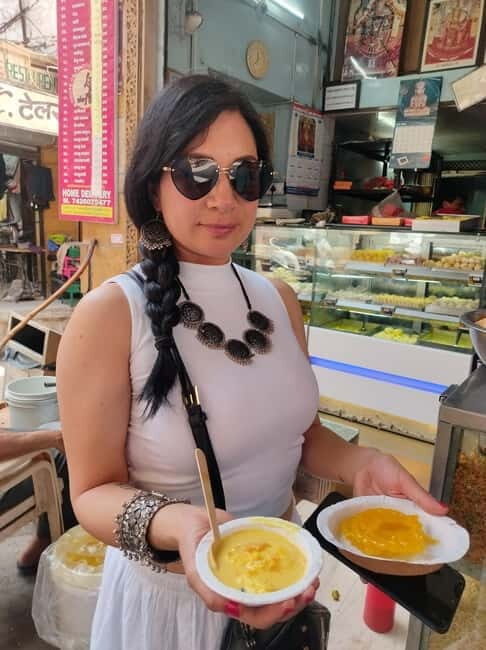
- Fateh ki Kachori first: crispy, spicy start that sets the tone for the rest of the walk
- Ghotuwa and cardamom sweetness: a milk-based Rajasthan sweet that cools the palate
- Gol Gappa and Thaggu ke Samose: classic street snacks with big flavors in small portions
- Ghewar and kheer-style desserts: sweets here aren’t an afterthought
- Indian-Chinese street food shows up too: noodles and snacks that locals actually eat
- English or Hindi live guide: you get context so you’re not guessing what you’re ordering
Why This Jaisalmer Food Walk Works So Well
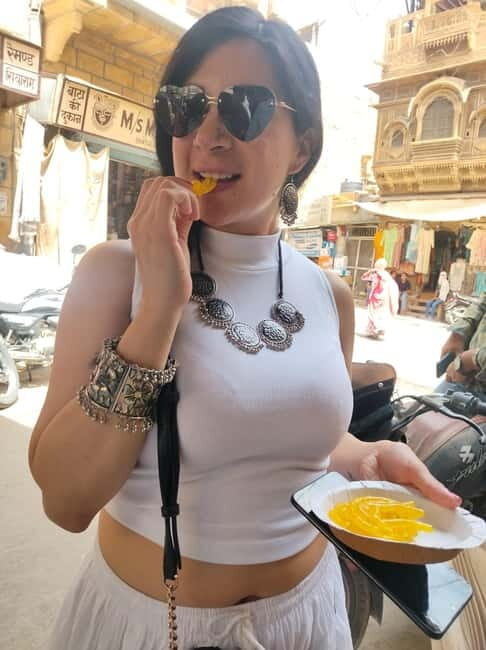
Jaisalmer can be visually loud. Yellow walls, desert light, busy lanes. Food is the calmer way in. This tour is built around the idea that the best way to understand Rajasthan’s flavors is to taste them in the places locals actually go, with a guide translating what’s going on in each dish.
What makes this one practical is the pacing. In two hours, you can’t wander at random and still eat a lot. Here, the walk and the tastings are planned, so you end up trying a serious slice of Jaisalmer cuisine without spending your entire afternoon “hunting.”
You also get a guide who isn’t just standing nearby. The goal is for you to leave with more than a food list. The guide’s cultural insights help you understand why certain combinations work, like the heat in the savory snacks paired with cooler sweets afterward.
You can also read our reviews of more tours and experiences in Jaisalmer.


Gopa Chowk Start: What the First Hour Feels Like
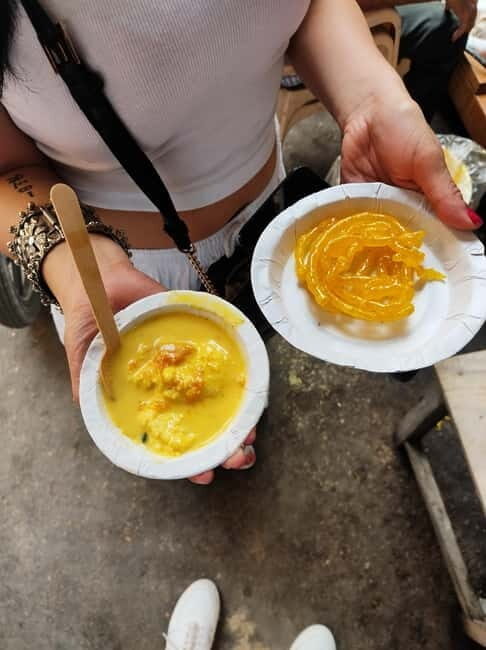
You begin at Gopa Chowk, then you’re on foot through Jaisalmer’s food lanes. That matters more than it sounds. Walking keeps you close to the stalls, and it also helps you spot what’s freshly made versus what’s been sitting.
Expect the tour to feel like a steady sequence: stop, taste, quick explanation, move on. It’s not a long sit-down meal. It’s more like a guided tasting circuit, which is ideal if you want to sample a lot without getting weighed down.
A small but helpful detail: the tour includes skip-the-line access via a separate entrance. When you’re traveling in peak season, that kind of time saved is real value. You lose less time waiting and more time actually eating.
Stop One: Fateh ki Kachori and the Spice Payoff
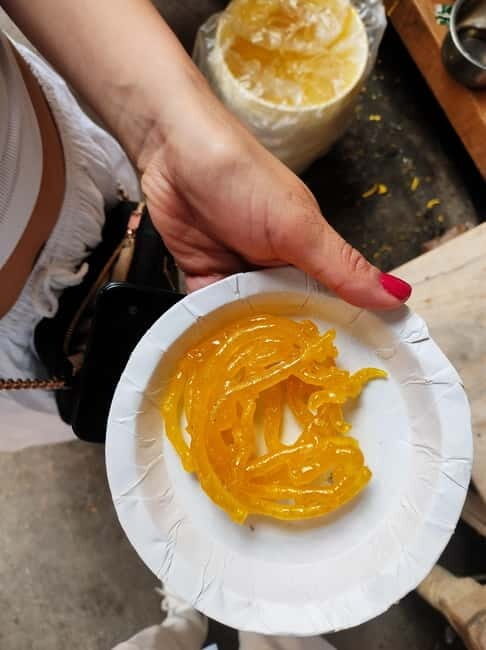
The tasting starts with Fateh ki Kachori, a local favorite known for its crispy outside and spicy filling. The key thing here is texture. Kachori works because you get a crunch first, then the filling hits with heat and spices.
For you, this is the right opener because it gives a clear “baseline” flavor for the tour. If you’re new to North Indian street food, the kachori helps you understand how Rajasthan cooks balance spice with depth. It’s also a good test of your spice tolerance early—before you commit to sweeter, milder courses.
If you’re picky about hot food, tell your guide at the start. You’ll often be able to adjust your taste levels by how much filling you take, or by choosing smaller bites as you go.
Ghotuwa: The Cardamom Sweet That Resets Your Palate
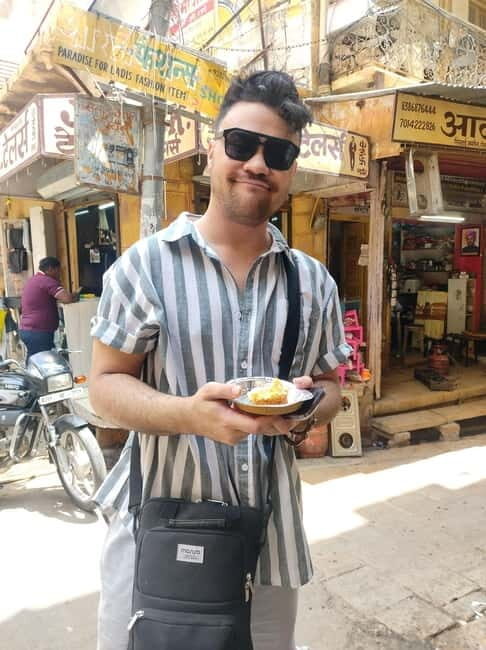
After the heat, you move into Ghotuwa, a traditional Rajasthani sweet made from milk and flavored with cardamom. This is a smart course design. Cardamom gives perfume, milk gives softness, and together they cool the palate after spicy snacks.
This is one of those dishes that makes you understand why the tour isn’t only about fried food. You’re getting balance: crunch and spice first, then something creamy and aromatic to soften everything.
If you like desserts that are less sugary than they look, Ghotuwa is the kind of sweet that feels purposeful. It’s not just a sugar stop; it’s part of how the flavors stay enjoyable across multiple tastings.
Kheer Chamcham and Ghewar: Desserts You’ll Remember
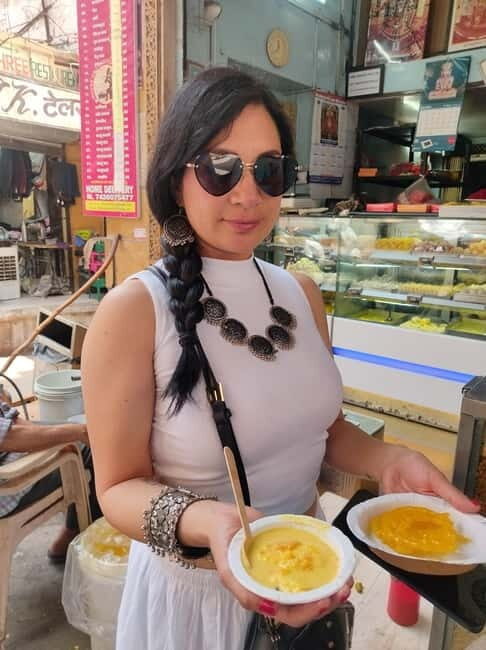
Next up is Kheer Chamcham, a rich, creamy dessert described as melt-in-your-mouth. In practice, that means you’ll feel the contrast against the earlier snacks. It’s a heavier sweetness than Ghotuwa, but the tour’s flow helps keep it from feeling random.
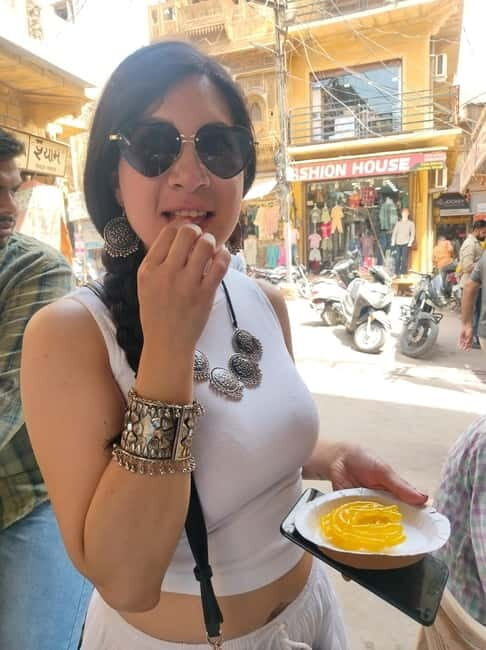
Then you’ll also have a chance to try Ghewar, a classic Rajasthani sweet made with flour, sugar, and ghee, often recognized for its intricate lattice look and syrup topping. Ghewar is the kind of dessert that looks like work, but it’s made for eating. The syrup adds that wet sweetness that clings to the texture.
For you, these desserts are valuable because they show two sides of Rajasthani sweetness:
- Milk-and-cardamom comfort (Ghotuwa)
- Syrup-and-ghee intensity (Ghewar, plus kheer-style richness)
One practical tip: take smaller bites of Ghewar if you’re already full. It’s easy to underestimate how filling syrup desserts can be.



Savory Variety: Gol Gappa, Thaggu ke Samose, Dal Pakwan, Sev
Savory is where this tour stays fun. You’re not eating only one type of snack. You’re sampling the variety that makes street food feel like a living menu.
You’ll likely taste Gol Gappa, also called pani puri style—crispy puris filled with tangy water and spicy chutneys. The trick with Gol Gappa is timing. If you wait too long, it goes soggy. The guide keeps you on rhythm so you can actually experience the snap.
You’ll also try Thaggu ke Samose, known for generous fillings and a crisp, golden exterior. Compared to some samosas that feel mostly potato-forward, these are described as filling-rich, which means more flavor per bite.
Then there’s Dal Pakwan, a popular breakfast dish made with lentils and crispy fried bread. It’s one of those items that feels like a meal, not just a snack, and it adds a different kind of crunch than the puris and samosas.
And don’t skip the chance to taste sev, the crunchy chickpea flour snack. Sev is important because it adds texture and a salty-spicy edge that works with both savory chaat-style flavors and simpler dishes.
Indian-Chinese Street Food: A Surprise That Still Feels Local
One of my favorite parts of this type of food tour is when it stops pretending the city’s palate is only “traditional.” Jaisalmer has its own street-food reality, including Indian-Chinese options.
On this walk, you may encounter items like spicy noodles and crispy spring rolls. One guest specifically noted Chinese Bhel with Manchurian and paneer. That’s not a tiny detail. It tells you the fusion here is treated like normal street food, not a gimmick.
If you worry about fusion being bland, don’t. The point of including this section is to show the street-food spectrum: you’ll still get spice, crunch, and punchy sauces—just in a different style.
Extra Bites You Might Get Along the Way
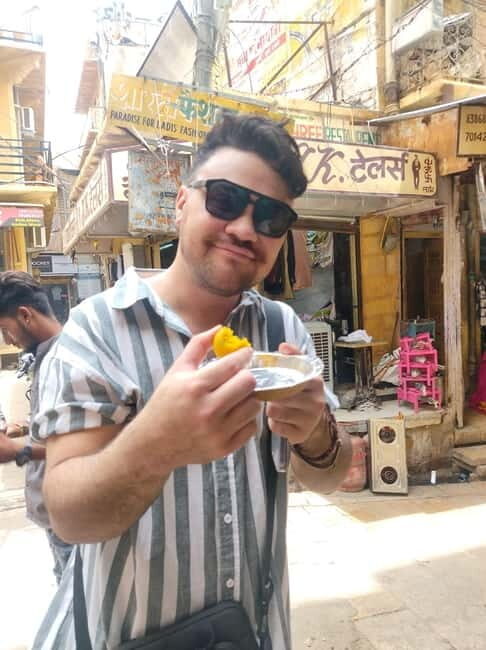
The tour’s core tasting list includes several key items, but some runs also include additional favorites. For example, one guest described trying Mirchi bada and bread pakoda, plus Papdi chaat (sweet, tangy, sour). That’s a strong signal that the guide is flexible with the stall offerings based on what’s available and what fits the route.
You may also find a Royal lassi, and a chance to try paan (betel leaf). Those are not always universal across every tour, but they’re common in Jaisalmer’s street-food orbit, so it makes sense they sometimes appear when the guide builds the stop plan.
What matters for you: ask the guide what’s included on your day. With a tasting tour, small variations can happen.
Guides and Cultural Context: How the Tour Helps You Eat Smarter
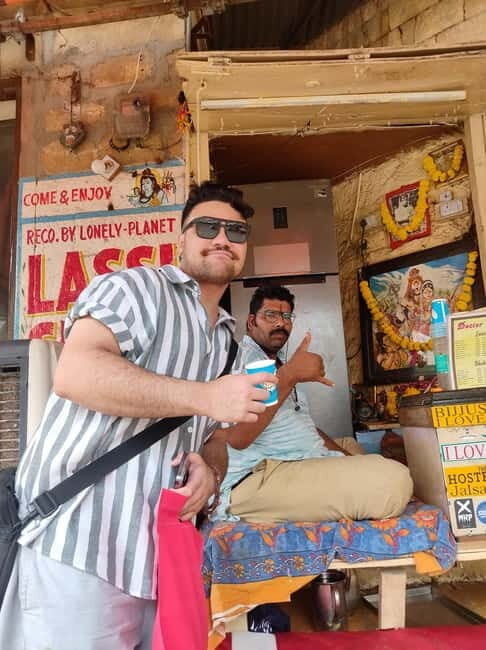
The best part of a guided food tour isn’t the food. It’s the explanation that makes the food make sense.
Here, you get cultural insights and historical context alongside what you’re eating. That matters in places like Jaisalmer where food has regional identity. You’re not just chewing; you’re learning how locals see spice, texture, and sweet-vs-salty balance.
Also, guides help with the practical stuff:
- choosing items that are safe and fresh-feeling
- pacing tastings so you don’t hit a wall halfway
- understanding what to expect from chutneys, tangy mixes, and syrup desserts
If you’re traveling solo or you don’t speak local languages, this is where the tour earns its keep. English or Hindi support means you can ask simple questions without feeling stuck.
Price and Value: Is Around $13 Worth It?
At $13 per person for a 2-hour walking food tour, the value comes from how much is packed in. Street snacks can add up fast if you buy them individually and still want variety.
This tour includes tasting everything described on the plan, plus guided context and visits to authentic local eateries. In other words, you’re paying for:
- a curated route (less decision fatigue)
- a guide to keep you moving and informed
- multiple tastings across both savory and sweet categories
- the convenience of skip-the-line entry
Is it expensive? No. Is it “cheap”? Also not always the point. The question you should ask is: will you actually eat this variety on your own in two hours? For many visitors, the answer is no, because it’s hard to line up enough stops, manage spice tolerance, and still enjoy the city.
So for a first visit to Jaisalmer, this is strong value, especially if you want your food exploration guided instead of chaotic.
The Real Trade-Off: Food Safety and Spice Tolerance
Here’s the honest part. One guest reported ending up with a food-related illness. That’s not something you can ignore, even if it’s not the majority experience.
So do what you’d do anywhere with street food:
- Start with smaller bites and let your stomach catch up
- Tell the guide if you’re sensitive to spice or have dietary limits
- Drink water during the walk if you feel dry (especially in Rajasthan heat)
- Don’t push through discomfort just because you’re on a tour
This isn’t fear-mongering. It’s practical. Street food is delicious, but it’s still street food. The safest approach is to let the guide’s choices guide you, and then tune the portions to your comfort.
Who Should Book This Jaisalmer Food Tour
This tour is a great match if:
- you want a fast, organized way to taste Jaisalmer street food without spending hours figuring it out
- you like both savory snacks and Rajasthan sweets
- you appreciate guides who connect what you eat to culture
- you’re comfortable walking on foot for around two hours
It’s less ideal if you:
- have a very sensitive stomach and can’t handle street-food risk
- hate spicy food and don’t want to manage portions
- expect a sit-down restaurant meal style
If you’re traveling with mobility needs, the tour is listed as wheelchair accessible, which is worth checking for your comfort and route fit.
Should You Book? My Straight Advice
Book it if you want a concentrated hit of Jaisalmer flavors in one afternoon, with guided help and a solid mix of savory and sweet stops. The price is low enough that you’re not gambling big money, and the structure helps you avoid the biggest problem with food tourism: missing half the good stuff because you didn’t know what to look for.
Skip or be cautious if you know you’re sensitive to street food or very heat-spice. If that’s you, talk to the guide early and go light on the spiciest items.
For most visitors, this is an efficient, genuinely enjoyable way to understand why Jaisalmer’s food scene keeps people coming back.
FAQ
Where does the tour start?
The tour starts at Gopa Chowk.
How long is the Jaisalmer food tour?
It lasts 2 hours.
What does the tour cost?
The price is $13 per person.
What foods are included?
The tour includes tastings of the foods listed on the tour plan, such as Fateh ki Kachori, Ghotuwa, Kheer Chamcham, Gol Gappa, Thaggu ke Samose, Ghewar, Dal Pakwan, and sev.
Is pick-up or transportation included?
No. Pick up and drop off are not included, and there’s no transportation provided.
What languages will the guide speak?
The live tour guide is available in English and Hindi.
Is the tour wheelchair accessible?
Yes, it is listed as wheelchair accessible.