REVIEW · AGRA
Full-Day Tour of Agra with Sunrise & Sunset at Taj Mahal
Book on GetYourGuide →Operated by Janu Private Tours · Bookable on GetYourGuide
Sunrise to sunset in Agra is a full-on mood shift. This private day packs in the best light for the Taj Mahal, from misty early morning to sunset views across the Yamuna. I especially like how the schedule gives you time for real looking and photos, not just speed-walking through. I also like having a private guide with you the whole day, so the buildings come with context, not just facts.
One thing to consider: the day can include a stop that feels like shopping. In particular, the so-called private museum style moment may come with a sales focus on marble products, so go in knowing you’re likely trading a bit of time for that sidestep.
Key highlights worth caring about
- Taj Mahal at sunrise with changing colors as the sun climbs
- Taj Mahal at sunset from the aligned viewpoint of Mehtab Bagh
- Guided tours at both UNESCO sites: Taj Mahal and Agra Fort
- Baby Taj / Etmad-ud-Daulah as a smaller “jewel box” preview of Taj style
- A planned break time after sunrise so you’re not stuck hungry and tired
- Skip-the-line entry so you spend more time inside the sights
In This Review
- Why a sunrise-to-sunset Taj tour in Agra actually makes sense
- 5:30 AM pickup: how the day stays comfortable (and why it still starts early)
- The Taj Mahal at sunrise: color changes and photo time that feels real
- Breakfast break after sunrise: the smart reset before Agra Fort
- Agra Fort with a guide: seeing the power behind the marble
- Baby Taj (Etmad-ud-Daulah): the jewel-box moment you’ll appreciate more than you expect
- Mehtab Bagh at sunset: the Moonlight Garden viewpoint that frames the Taj
- Price and value: what $56 buys you, and what you still pay separately
- Guide style, language options, and how to get the most out of the stories
- What to pack and how to dress for Agra’s sites
- Who this tour is best for, and who should skip it
- Should you book the Agra sunrise and sunset Taj tour?
Why a sunrise-to-sunset Taj tour in Agra actually makes sense
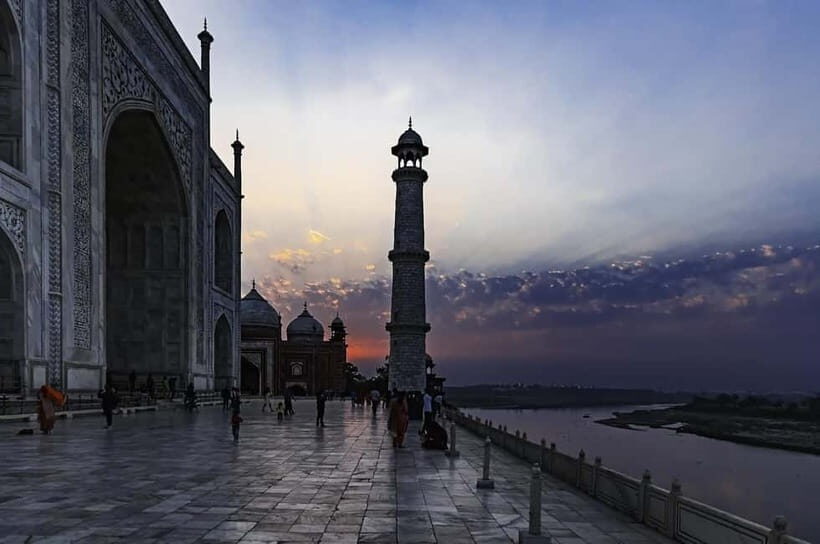
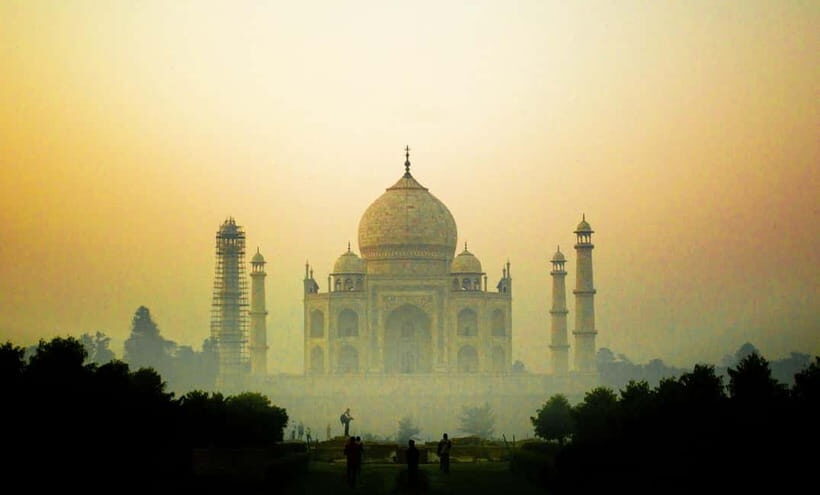
Agra is one of those places where the light changes what you think you know. In early morning, the Taj Mahal sits quieter, often veiled in mist, so the marble looks softer and more sculptural. Later, at sunset, the colors deepen and the reflections calm into a gentler glow. Doing both in one day gives you two different Taj experiences instead of one rushed hit.
What makes this plan practical is the pacing. You’re picked up at 5:30 AM, see the Taj Mahal when it feels almost cinematic, then you get a break later. That matters because Taj days can turn into a blur of heat, lines, and “quick, one more photo.” Here, the timing is built to keep you functional.
You also get the full UNESCO arc: Taj Mahal for the romance and artistry, then Agra Fort for the Mughal power behind the scenes. Add Etmad-ud-Daulah (Baby Taj) and Mehtab Bagh (Moonlight Garden), and you get variety without hopping randomly across the city.
5:30 AM pickup: how the day stays comfortable (and why it still starts early)
You’ll be picked up from anywhere within Agra in a private, air-conditioned vehicle at 5:30 AM. That early start sounds intense until you remember the prize: the Taj Mahal before the crowds fully form. Early morning also helps with photos, because the sky and marble often show gentler contrast.
This is an 8-hour private tour, and the transfers are approximate depending on traffic and time of day. The upside of a driver is obvious: you don’t have to coordinate tuk-tuks, tickets, or navigating right when you’re still waking up.
Bring comfortable shoes and plan for a moderate amount of walking. Also, dress with the Taj’s smart-casual expectations in mind: short shorts and sleeveless tops are not recommended. And keep your passport or ID card handy, since a valid ID is required on travel day.
If you prefer sleep over sunrise light, this tour may feel like a trade you don’t want to make. If you like your travel experiences to start with a payoff, you’re in the right place.
You can also read our reviews of more evening experiences in Agra



The Taj Mahal at sunrise: color changes and photo time that feels real
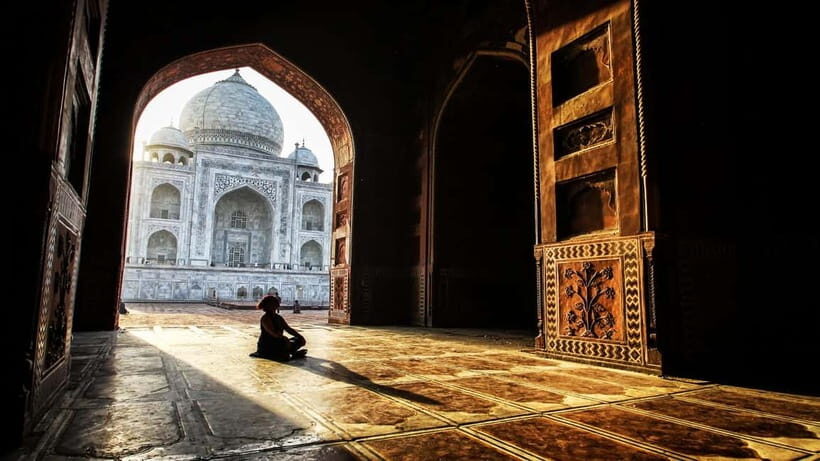
Your Taj Mahal block runs about 3 hours, with a photo stop and a guided visit. The tour is set up so you arrive as the light is starting to work its magic. You’ll hear the story of the monument: built in the 17th century by Emperor Shah Jahan, in honor of his wife, and completed over 22 years. That timeline helps you notice details instead of treating the Taj as a single, pretty postcard.
What I like about a sunrise plan is the way it changes your relationship with the place. Instead of a hard glare, you get soft tones. The description includes the shifting look of the marble as the sun rises, moving from more muted grays and yellows toward cream and bright white. Even if you’re not a photography person, that shift makes the Taj feel alive.
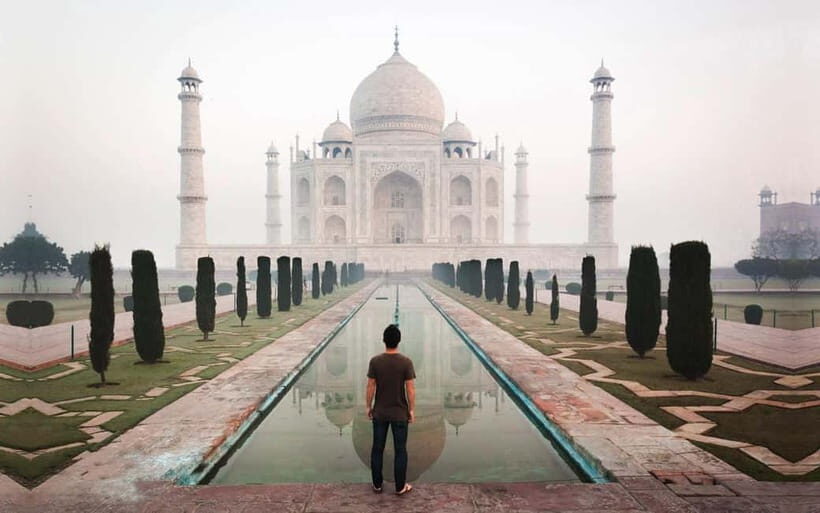
You’ll also get a guided walk inside. That matters because the Taj Mahal works better when you understand what you’re seeing: symmetry, materials, and the careful way the gardens and structures connect. The private guide approach can turn a “wow” moment into something you’ll remember for years.
One note: the Taj Mahal is closed every Friday, so your travel calendar needs a quick check before you commit.
Breakfast break after sunrise: the smart reset before Agra Fort
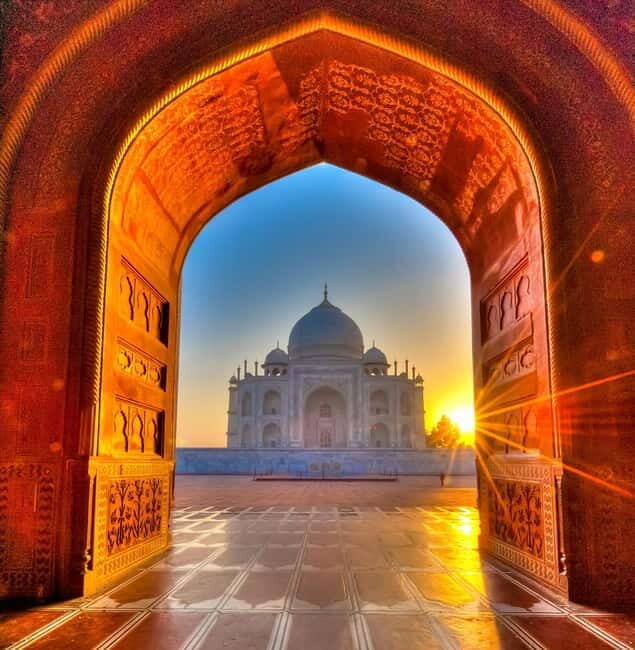
After the sunrise experience, you’ll be taken back to your hotel or another desired location for breakfast. This is one of the best “hidden” perks of the itinerary. Many Taj day plans keep you going without a proper reset, and that’s how the day starts to feel like a chore.
Even though breakfast isn’t included in the tour price, having time to find food near where you’re staying is a big quality-of-life win. You can eat when you want, sit down, and cool off a bit before the next walking-heavy stop.
Then you restart the day by heading to Agra Fort, another UNESCO centerpiece. It’s the kind of pairing that works: Taj Mahal for the emotional design, Agra Fort for the political and military backdrop. Without the break, you’d probably feel “Taj overload.” With it, the shift feels refreshing instead of exhausting.
Agra Fort with a guide: seeing the power behind the marble
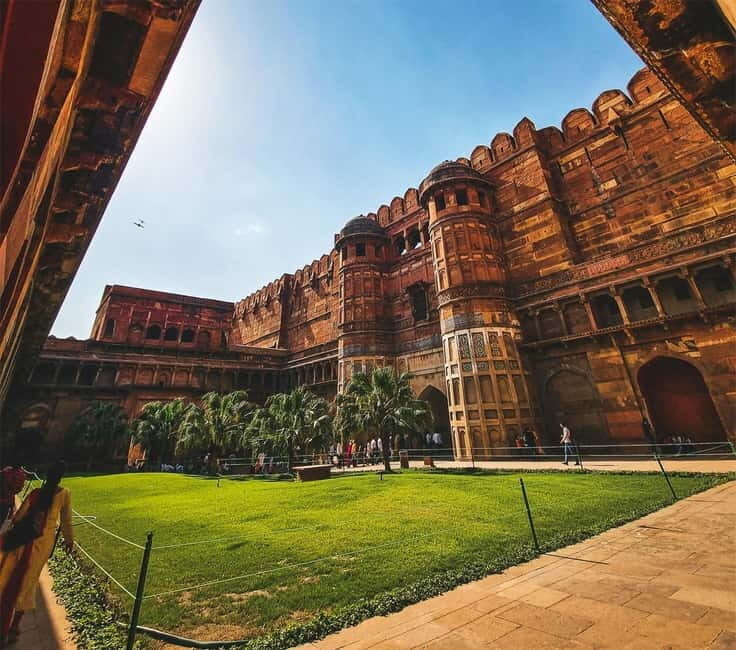
Agra Fort is a different flavor of Mughal creativity. Where the Taj Mahal focuses on memorial beauty, Agra Fort highlights strength—walls, structure, and the sense of control that built empires. Your time here is about 1.5 hours, including photo stops, walking, and a guided tour.
Your guide connects the dots to Emperor Akbar the Great, linking the fort’s role to the wider Mughal world. Even if you don’t get technical about history, you can still feel the contrast: the fort makes the Taj feel like the artistic side of a much bigger machine.
Practical tip: fort visits can be a bit sun-heavy, so bring patience and water (water isn’t listed as included, so it’s on you). Shoes matter here too, because you’ll be walking and changing levels.
The upside of having your driver with you is that you’re not searching for routes or trying to beat the heat between stops. The day stays structured.
Baby Taj (Etmad-ud-Daulah): the jewel-box moment you’ll appreciate more than you expect
Next comes Baby Taj, also known as Tomb of Etmad-ud-Daulah. The tour time is about 1.5 hours, with sightseeing, guided time, and walking. This stop is often described as a “jewel box,” and it’s also regarded as a draft or early vision of the Taj Mahal style.
Why it’s worth your attention: Baby Taj doesn’t compete with the Taj for sheer fame. Instead, it helps you see patterns in design, how marble and ornamentation create an overall effect. It’s also a calmer pace than the main Taj rush, so you can spend more time looking at textures and details.
If you end up at a marble-focused sidestop as part of the day, it can tie into what you learn here. One participant noted learning about inlay technique for marble, even though the stop had a shopping vibe. If you want a hands-on explanation of materials, that kind of detour may work for you. If you dislike sales pressure, it’s better to mentally prepare for it.
You can also read our reviews of more tours and experiences in Agra




Mehtab Bagh at sunset: the Moonlight Garden viewpoint that frames the Taj
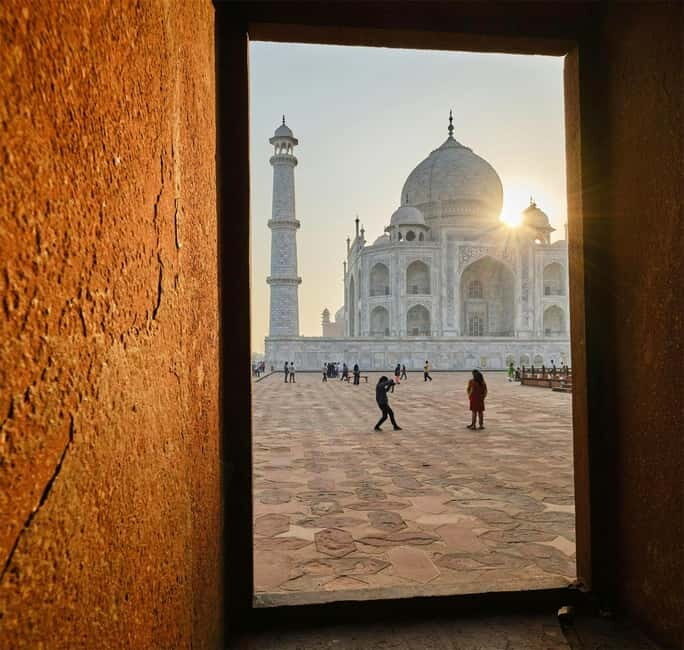
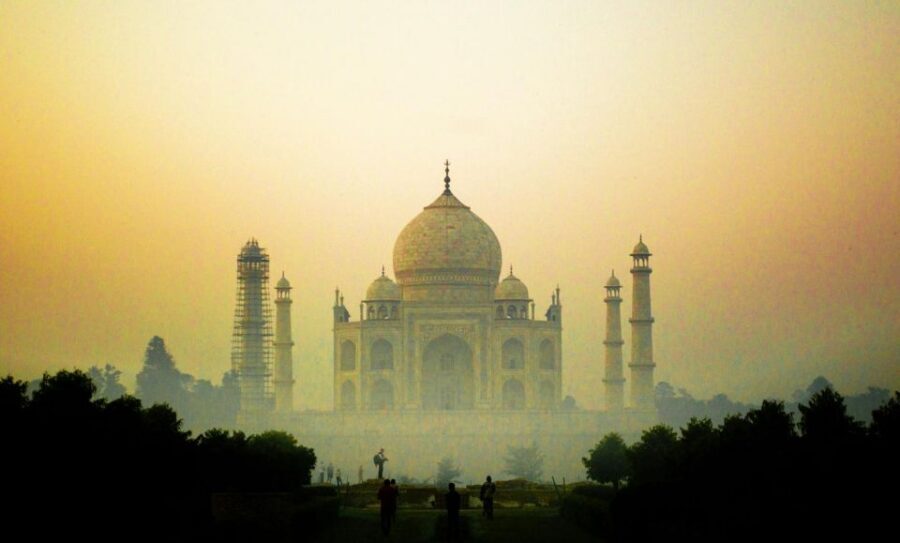
The last stop is Mehtab Bagh (Moonlight Garden) for about 1 hour, timed for sunset. This is the viewpoint that many people chase for a reason: the gardens sit along the banks of the Yamuna River and are aligned with the Taj Mahal’s garden layout. That alignment is what makes the Taj feel composed in the frame, not just visible in the distance.
You’ll get time for photos and a guided visit, then a final, quiet moment where you can sit and simply watch the monument change as the light fades. The tour description leans into the romance of the setting, but even in more practical terms, the value is that this is a different angle. It helps you notice that the Taj Mahal isn’t just one facade. It’s a whole landscape of sightlines, gardens, and reflections.
At the end, you’ll be dropped back at your hotel or another location in Agra.
Price and value: what $56 buys you, and what you still pay separately
At $56 per person for an 8-hour private tour, the value is mainly in three things: transportation, a professional private guide, and time efficiency. You’re paying for a full-day plan rather than figuring out the schedule yourself. The price also covers hotel pickup and drop-off, plus air-conditioned vehicle, and fuel, parking, and taxes.
However, this price does not include entrance fees or camera fees (if any apply). Since UNESCO and major sites often charge separate entry, you should budget for tickets on top of the tour price.
Also, food isn’t included—though breakfast time is built into the plan, and your guide will be happy to suggest lunch if you want a break. If you’re traveling on a strict budget, consider eating breakfast near where you’re staying and keeping lunch simple.
If you want the Taj Mahal experience with less stress and more guidance, the private format is often worth it. If you’re comfortable navigating on your own and you can handle early mornings, you could DIY for less. But DIY won’t match this combination of sunrise timing, guided walks, and the final sunset alignment at Mehtab Bagh.
One more trust-check: this option has a 4.9 rating based on five bookings, which suggests the logistics are usually handled well.
Guide style, language options, and how to get the most out of the stories
This tour includes a live private guide with languages listed as Spanish, English, French, and German. That matters because Taj Mahal and Agra Fort are the kind of places where context changes everything.
Your guide’s job isn’t just pointing. It’s connecting the why—why Shah Jahan built what he built, how Mughal power played out in architecture, and why Baby Taj is treated like a “practice run” for the Taj style. Done well, that transforms your photos from random angles into a set of meaningful images.
About style: one note from a past booking was that the guide could come off a bit pushy, especially around a “private museum” moment that turned into a marble shop focus. That doesn’t automatically mean your day will go that way, but it’s smart to carry a light, flexible attitude if you dislike sales tactics.
Best approach: ask questions at each stop early, then keep your priorities clear—sunrise photos first, sunset framing last, and materials explanations only if you’re interested.
What to pack and how to dress for Agra’s sites
Plan for a mix of early morning chill and warm daytime conditions. Wear comfortable clothes and comfortable shoes you can walk in for a few hours total across multiple stops.
For clothing: dress code is smart casual. Short shorts and sleeveless tops aren’t recommended at the Taj and related sites. You don’t need formal clothes, but you do want to avoid anything that feels too casual for temple areas.
Bring your passport or ID card, because it’s required on the day of travel. The tour also notes that luggage or large bags aren’t allowed, and pets aren’t allowed either. Leave the extra bulk behind.
Finally, moderate walking is involved. This is not listed as suitable for wheelchair users or for people with pre-existing medical conditions.
Who this tour is best for, and who should skip it
This is a strong choice if you want the Taj Mahal experience in both major lighting moods: sunrise for the soft mist-and-marble look, and sunset from Mehtab Bagh for that aligned-frame effect. It’s also great if you like being guided through big monuments so you don’t miss the symbolism.
You’ll likely enjoy the private format if you care about pace and prefer fewer hassles. Hotel pickup and drop-off help a lot, especially on an early morning schedule.
I’d think twice if you:
- dislike early mornings
- don’t want any chance of a shopping-focused stop
- need step-free access or have medical limits that make moderate walking hard
- travel on a Friday, since the Taj Mahal is closed every Friday
If those aren’t issues for you, this is one of the more organized ways to get a full Agra day that feels intentional.
Should you book the Agra sunrise and sunset Taj tour?
If your goal is to see the Taj Mahal at sunrise and sunset, with guided UNESCO stops and private logistics, this tour is a good value. The timing is the big win: you get the light show twice, plus the viewpoints that make the Taj feel different each time.
Book it if you’re ready for moderate walking and want a guide to help you understand the places. Skip it if you’re visiting on a Friday, need wheelchair access, or would hate a day that includes a marble-shop style interruption.
If you want, tell me your travel dates (especially if they’re near a Friday) and whether you care more about photos or history. I can help you decide if this schedule fits your priorities.