REVIEW · NEW DELHI
From Delhi: 2 Days Taj Mahal & Agra City Tour With Fatehpur Sikri
Book on Viator →Operated by Advik Travel Hub · Bookable on Viator
Seeing the Taj Mahal in two lights changes everything. This 2-day Agra trip is built around timing and comfort: you travel from Delhi by private AC car, then hit the Taj at sunrise and again at sunset from Mehtab Bagh. That split-view plan makes the monument feel fresh instead of repetitive, and it gives you better odds of photos that don’t look like every other phone snapshot.
I especially like the way the day is paced for real sightseeing. You get guided stops at Agra Fort and the Taj, plus a focused visit to Fatehpur Sikri, so you’re not just rushing between “checkpoints.” One more thing I love: the guide matters. In the reviews I saw names like Ayush, and people praised his patient explanations and photo help.
In This Review
- One heads-up before you book
- Key Things That Make This Tour Worth It
- The Real Value: Two Taj Views Without the Overload
- Day 1 From Delhi: The Drive That Sets the Tone
- Agra Fort: Where You Understand the City
- Mehtab Bagh Sunset: A Calmer Way to See the Taj
- Overnight in Agra: Keeping Day 2 from Becoming a Grind
- Taj Mahal at Sunrise: The Moment That Justifies the Trip
- Fatehpur Sikri: Akbar’s Abandoned City That Still Feels Alive
- The Driver and Guide Setup: Why It Feels Smooth
- Price Check: Is $30 Per Person Good Value?
- Who This Tour Fits Best
- Should You Book This 2-Day Taj Mahal & Agra City Tour?
- FAQ
- How long is the tour?
- What does the price include?
- Are monument entry tickets included?
- Will I see the Taj Mahal at sunrise and sunset?
- Does the tour include hotel accommodation?
- Is lunch or dinner included?
One heads-up before you book
The only potential snag is tickets. The package notes that monument entry tickets are not included, but the stop-by-stop details mention admissions being included or free for some sites. That mismatch is small, but it’s worth confirming so you don’t reach a gate surprised.
Key Things That Make This Tour Worth It
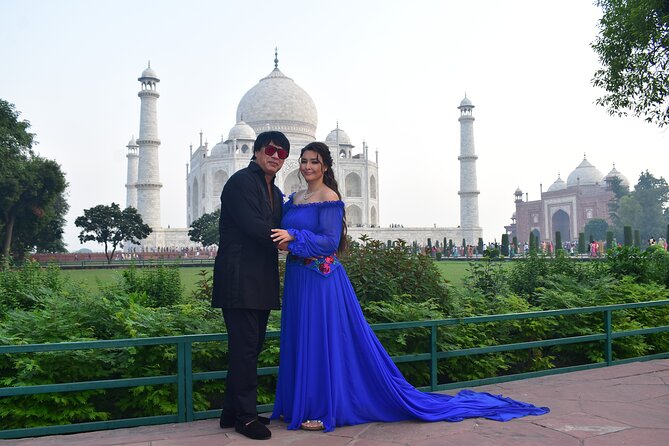
- Taj Mahal at sunrise plus sunset viewing from Mehtab Bagh, so you see more than one mood of the same marble icon
- Agra Fort included time to explore, including the courtyards and the balcony-style viewpoint linked to Shah Jahan
- A proper Fatehpur Sikri circuit, with sights like Buland Darwaza and Jama Masjid inside Akbar’s planned complex
- Private AC car with a dedicated driver, useful for a long Delhi–Agra–Delhi rhythm
- Strong guide track record, with Ayush named repeatedly for clear info and great photo angles
- 1 night in Agra (if selected) plus hotel breakfast, which keeps the schedule realistic instead of exhausting
You can also read our reviews of more tours and experiences in New Delhi.



The Real Value: Two Taj Views Without the Overload
Most Delhi-to-Agra plans try to cram everything in one day. This one spreads it across two days, which is the difference between a “photo sprint” and a trip that actually feels understandable. You’ll still have early starts, but your time feels intentional instead of frantic.
The sunrise Taj Mahal visit is the big reason I like this format. Morning light softens the marble and helps you take in details without the heat pressure you’ll feel later in the day. Then you get a sunset angle from Mehtab Bagh, a more relaxed approach than fighting the busiest Taj corridors near closing.
If you care about photos, the timing also helps. One review highlighted how Ayush takes pictures with clever angles, and that matters because the best Taj shots often come from being shown where to stand and what to capture. Even if you’re traveling solo, having someone guide your pacing can turn “I hope I got a nice photo” into “I know I did.”
Day 1 From Delhi: The Drive That Sets the Tone

You start with pickup from your hotel or the airport in a comfortable AC car. Then you head toward Agra on the Yamuna Expressway, a straightforward route that makes the day feel less stressful. It’s a 3–4 hour drive, and that matters because you’ll be tired if you’re bouncing between shared transport and multiple transfers.
Once you arrive, the schedule shifts quickly into sightseeing. You check in to your hotel in Agra and then head to the first major monument stop. I like this because it avoids the classic mistake of arriving, waiting around, and losing the evening light you came for.
The tour also builds in water and basic comfort items like mineral water. It’s not glamorous, but it helps on travel days when you’re not in your own routine.
Agra Fort: Where You Understand the City

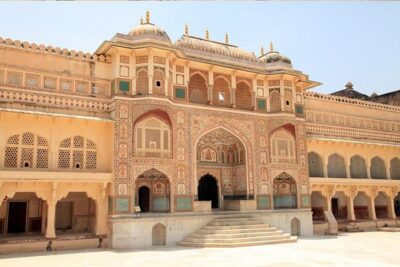
Agra Fort is not just a place to walk through. It’s a high-energy “context stop” that explains how power worked here—right around the Taj era. The fort is UNESCO-listed and filled with Mughal palaces, courtyards, and the kind of views you can’t get from street level.
A key detail: the tour includes time tied to the balcony where Shah Jahan once viewed the Taj. Even if you’ve only heard the story in passing, the fort’s layout makes the idea feel real. You start to see how rulers thought about sightlines, defense, and ceremonial space all at once.
The practical side is good too: the Agra Fort visit is timed so you get around 2 hours. That’s enough to cover highlights without turning it into a “stand in a line, run to the next thing” exercise.
Tip that’s worth your time: if your guide recommends specific photo spots or viewpoints, take them seriously. Reviews praised guides like Ayush for being helpful and patient, and the best Agra Fort images usually come from knowing exactly where to stand for the right angles.
Mehtab Bagh Sunset: A Calmer Way to See the Taj
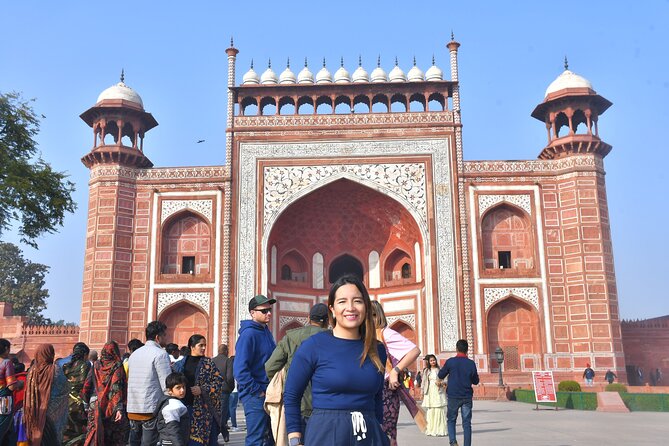
After Agra Fort, you head to Mehtab Bagh for a sunset view of the Taj Mahal. This is a smart move because it gives you a “Taj from outside the main crowd flow” moment. Instead of only seeing the monument through the front approach, you get another perspective from gardens that feel quieter and slower.
The tour’s wording is clear about the goal: sunset viewing from Mehtab Bagh. In one review, the sunset angle was described as a crowd-free experience. Even if crowds vary by season, you’re still choosing a viewpoint strategy that tends to feel more peaceful than the busiest immediate areas.
What I like most here is the pacing. After Fort + traveling from Delhi, you’re not thrown into another marathon site. You get a scenic, slower stop where you can actually watch light change on the marble.
Small planning note: sunsets can be affected by weather and haze. Your guide can’t control that, but timing your arrival and staying flexible helps. If you’re hoping for clean golden-hour views, treat this stop as your “photo priority” of Day 1.



Overnight in Agra: Keeping Day 2 from Becoming a Grind
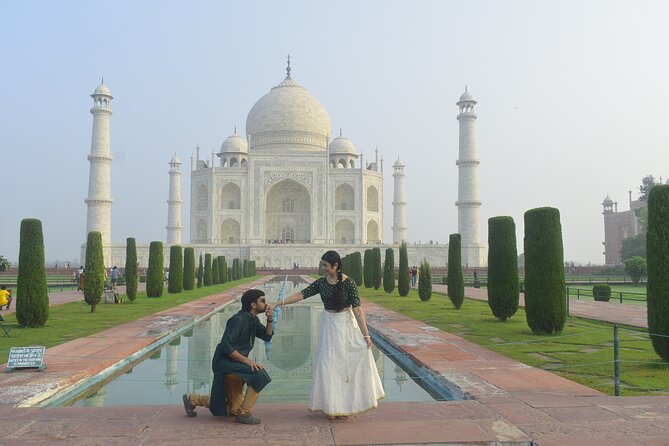
You spend one night in Agra if you select the hotel option. That overnight piece is what keeps the schedule human. Without a night stay, most Taj Mahal sunrise plans turn into a cruel wake-up routine.
You also get breakfast at the hotel, which matters because you’ll be leaving early enough that grabbing food on the fly could slow you down. This is one of those small inclusions that makes you feel looked after in a practical, non-fluffy way.
If you’re sensitive to heavy mornings, plan your day-to-day energy around Day 2. I treat it like the main event and save my sightseeing stamina for the Taj sunrise and Fatehpur Sikri.
Taj Mahal at Sunrise: The Moment That Justifies the Trip
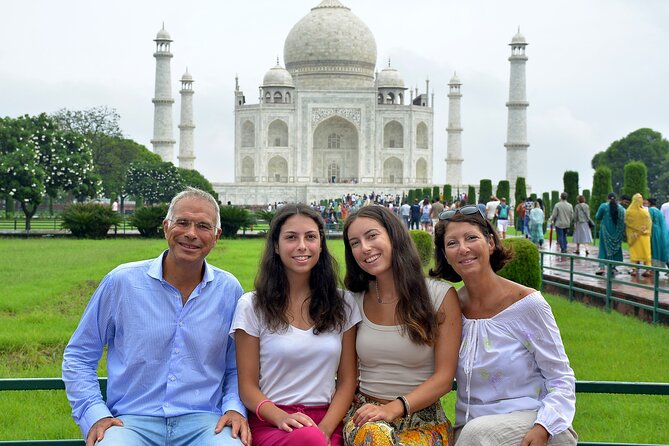
Day 2 starts with the Taj Mahal sunrise visit. The experience focuses on history, love story context, architecture, and craftsmanship, explained by your government-approved expert tour guide. That added explanation helps because the Taj is famous, but its details can feel abstract until someone points out what you’re actually looking at.
Sunrise is also practical. It’s cooler, the light is softer, and the monument looks different enough that it doesn’t feel like you’re repeating Day 1. If you care about photography, sunrise gives you fewer harsh shadows and an easier time capturing texture.
One theme that stood out in the reviews: guides like Ayush were praised for being respectful toward the monuments, taking great pictures, and making sure people understood what they were seeing. That “respectful and clear” combo is the best kind of guiding for a place like the Taj, where you want to feel the weight of the site without getting lost in facts you can’t connect.
Reality check: the Taj can be busy, and sunrise crowds depend on the season. Still, starting early is usually the best strategy, and this tour is built around that idea.
Fatehpur Sikri: Akbar’s Abandoned City That Still Feels Alive
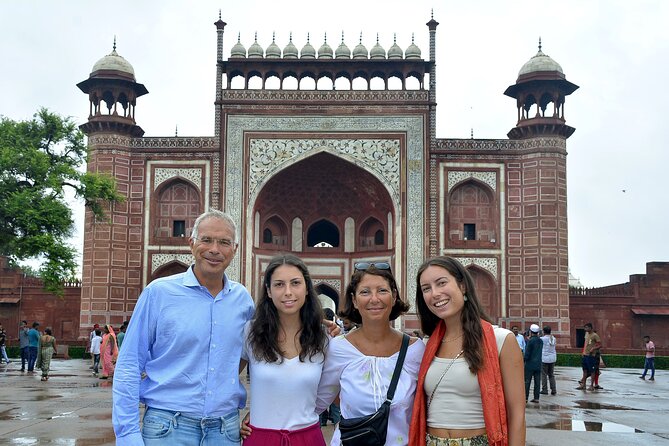
After breakfast and the Taj, the tour shifts to Fatehpur Sikri. This is the kind of stop you’ll either love instantly or wish you’d had longer with—and this plan gives you around 3 hours, which is a solid amount of time.
Fatehpur Sikri is described as a royal Mughal complex built by Emperor Akbar, including an abandoned red-sandstone city. The red-sandstone detail is more than a color note. It changes how the structures look in different light and how the complex feels compared to the white marble of Agra’s other star monuments.
You’ll visit major highlights including Buland Darwaza, Panch Mahal, Jama Masjid, Diwan-i-Khas, and the tombs and palaces of the abandoned city. Here’s why this circuit works:
- Buland Darwaza helps you grasp the scale of Akbar’s ambitions.
- Panch Mahal adds a distinct architectural rhythm that’s easy to spot once you’re standing inside the complex.
- Jama Masjid gives you the sense of how public worship space was designed for massive gatherings.
- Diwan-i-Khas connects the site to court culture and elite audiences.
The abandoned-city angle also lands emotionally. Even with no modern “city life” running, the layout shows how the place was meant to function as a whole.
One practical note: Fatehpur Sikri can involve walking over uneven ground. Wear shoes you’d be comfortable with for a few hours, not just a quick stroll.
The Driver and Guide Setup: Why It Feels Smooth

This tour is private, meaning it’s just your group. That matters because the schedule relies on flexibility: time at each stop can shift based on sunlight, crowds, and how long you want for photos.
The included private AC car with driver is another quality-of-life upgrade, especially for a Delhi–Agra–Delhi trip. Train, bus, and shared taxi approaches can be cheaper, but they often cost you time and mental energy. Here, you’re spending that energy on the monuments, not transportation logistics.
The guide part is where the best praise shows up. Multiple reviews mention Ayush as a standout for knowledge, patience, and photography help. People also specifically praised smooth pickup and dropoff coordination between sites. Even if you don’t care about photography, a good guide helps you avoid wasting time at entrances and teaches you what to look for so the monuments feel less like sightseeing checklists.
Price Check: Is $30 Per Person Good Value?
$30 per person for a two-day Delhi-to-Agra plan can be a great deal, mainly because you’re not just paying for “seeing stuff.” You’re paying for:
- Round-trip time management from Delhi with a private car
- Transport comfort in an AC vehicle
- A government-approved expert guide
- Agra hotel night (if selected) plus breakfast
- Toll and parking coverage
- Mineral water
The one caution is that monument entry tickets may not be fully included, since the tour info lists them as not included, while the stop details mention included/free admission for some sights. That doesn’t make the tour bad, but it does mean you should confirm what your booking includes for each monument—especially the Taj Mahal and Agra Fort.
If you’re comparing options, think of this as a value plan for people who want comfort and guidance without paying a high-end tour price. If your priority is absolute lowest cost and you don’t need a guide, you might find cheaper on your own. But if you want sunrise timing, good explanations, and a smoother day, this price level is likely to feel fair.
Who This Tour Fits Best
This setup works especially well for:
- First-time visitors to Agra who want the “must-sees” in a realistic flow
- Couples and photographers who care about sunrise and sunset viewing angles
- Solo travelers who benefit from a guide’s photo support and calm pacing
- History-minded travelers who want Fatehpur Sikri’s Mughal complex explained, not just walked through
If you hate early mornings, sunrise Taj might feel like a stretch. But the tour structure is built for it, and the payoff is the main reason to do the trip this way.
Should You Book This 2-Day Taj Mahal & Agra City Tour?
I’d book it if you want a two-day plan that respects timing and comfort. The biggest reason is the Taj Mahal at sunrise plus a second viewpoint strategy at Mehtab Bagh. That combination makes the trip feel bigger than “one monument, one day.”
I’d double-check the ticket situation before paying final amounts, because the package notes can conflict slightly about entrance fees. Once you confirm that, the rest looks solid: private AC transport, a strong track record for guide support (Ayush is repeatedly praised), and a good mix of Agra Fort and Fatehpur Sikri.
If you’re looking for a no-stress way to see the highlights without dealing with transport chaos, this is the kind of itinerary that does the job.
FAQ
How long is the tour?
It’s approximately 2 days.
What does the price include?
The tour price is $30. It includes hotel/airport pickup and drop-off, a private AC car with driver, a government-approved expert guide, mineral water, tolls and parking, and hotel breakfast (when the hotel option is selected).
Are monument entry tickets included?
The tour information says monument entry tickets are not included, but some stop details mention admissions as included or free. Confirm what is covered for each monument at booking.
Will I see the Taj Mahal at sunrise and sunset?
Yes. The schedule includes a sunrise visit to the Taj Mahal and a sunset view from Mehtab Bagh.
Does the tour include hotel accommodation?
It includes 1 night hotel accommodation if you select that option.
Is lunch or dinner included?
No. Lunch and dinner are not included.