REVIEW · NEW DELHI
Essence of magnificent India and Nepal
Book on Viator →Operated by Paylesstoursindia · Bookable on Viator
Two countries, one long highlight reel. This 17-day trip is built for travelers who want the big cultural and historical hits of Northern India and Nepal without spending vacation time on routing. You start with Delhi’s layered spiritual life, then roll through Jaipur’s palaces, Agra’s icons, and central India’s UNESCO temples before finishing with Buddhist sites in Nepal.
I especially like the way the days are structured around real moments, not just pass-by sightseeing. The Delhi rickshaw ride gets you into Old Delhi’s street scale fast, and the Varanasi Ganges boat ride is the kind of experience that makes photos look small. The trip also keeps you comfortable: three-star hotels every night with private bathrooms, plus an all-inclusive breakfast each day and bottled water.
One consideration: monument entry and Nepal visa fees are not included, and the trip may require a bit more follow-through than a fully hands-off package. There have been notes about communication and coordination, so you’ll want to stay alert and confirm timing, tickets, and meeting points as you go.
In This Review
- Key things I’d pin on this tour
- What this India-Nepal tour does well (and why it works)
- Price and value: where your $580 goes
- Delhi: rickshaws, temples, and getting your bearings fast
- Jaipur and Agra: palaces, forts, and the Taj at sunrise
- Fatehpur Sikri, Orchha, and Khajuraho: UNESCO that rewards patience
- Varanasi: Aarti and the Ganges boat rides you can’t fake
- Nepal entry and Lumbini: Buddhist pilgrimage with real grounding
- Pokhara: Phewa Lake views and Sarangkot sunrise trekking
- Kathmandu Valley: Durbar Square, Swayambhunath, Pashupatinath, plus Patan and Bhaktapur
- The one piece you control: your comfort and timing
- Who should book this tour
- Should you book Essence of magnificent India and Nepal?
- FAQ
- How long is the tour?
- What’s included in the price?
- Are monument entrance fees included?
- Do I need a Nepal visa?
- What flight is included at the end?
- What’s the dress advice for religious sites?
Key things I’d pin on this tour
- Delhi by rickshaw: a fast, practical way to feel Old Delhi’s energy and get to the major sights
- Taj Mahal at sunrise: a calmer start that matches the monument’s scale and light
- Three-star comfort with private bathrooms: no shared-bath chaos while you cover a lot of ground
- Varanasi Ganges moments: Aarti plus boat time on the river, including a second boat ride in Varanasi
- UNESCO stops that aren’t just photo spots: Khajuraho and Lumbini get proper time and guidance
- Pokhara gateway to the Himalaya: lake views and Sarangkot sunrise trekking on a realistic schedule
What this India-Nepal tour does well (and why it works)
This trip is a classic “highlights in two countries” route, and that’s exactly what it’s good at. You cover Delhi, Jaipur, Agra, Fatehpur Sikri, Orchha, Khajuraho, Varanasi, Lumbini, Pokhara, and Kathmandu, with ground transport handled for you. That matters because Northern India and Nepal can eat up your time if you’re trying to plan trains, local drivers, and ticket timing on the fly.
The best part for most people is the balance between structure and breathing space. You get local guides in key cities (Delhi, Agra, Jaipur, Orchha, Khajuraho, Varanasi, Kathmandu), and you travel by AC private vehicle with a personal English-speaking driver. That combination usually means you’re not stuck staring at guidebooks, and you’re not constantly translating signs, either.
The other win: you have a consistent daily foundation. Every morning includes breakfast, plus bottled water, and you sleep in three-star hotels with ensuite bathrooms. When you’re moving across many regions in a single trip, consistency becomes a comfort feature, not a small perk.
You can also read our reviews of more tours and experiences in New Delhi.

Price and value: where your $580 goes
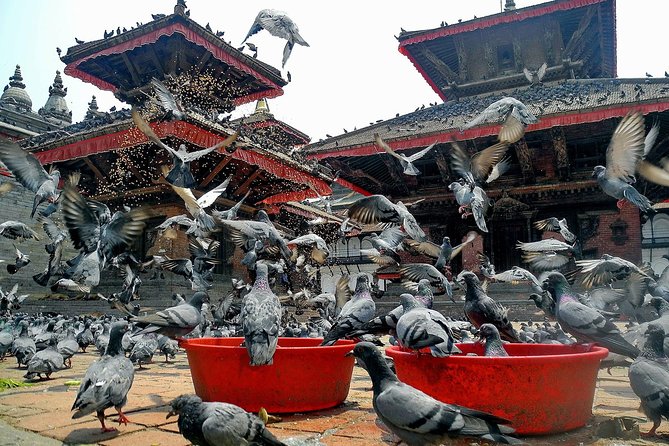
At $580 per person, this is positioned as a value-priced way to get a lot done with less logistical stress. What that price buys you is mostly the “plumbing” of travel: AC transport, drivers, hotel nights, breakfast, and key inclusions like the Delhi rickshaw ride and Varanasi boat rides.
What is not covered is also important for your budgeting. Monument admissions are listed as an additional cost (about $200 per person), and you also need a Nepal visa fee (listed at $30 per person), plus a passport photo requirement mentioned for the border crossing step. That extra spending can easily shift the total cost depending on how quickly you assume you’ll pay for entries versus using the days labeled as free admission.
So the fair way to think about value is this: you’re paying to remove the mental load of planning, while still keeping control over whether you buy every optional admission during the guided stops. If that’s your style, the pricing feels sensible.
One more practical detail: this tour tends to be booked well in advance (the average booking window is 243 days). If you’re aiming for a specific month, start early so you’re not negotiating your dates at the last minute.
Delhi: rickshaws, temples, and getting your bearings fast
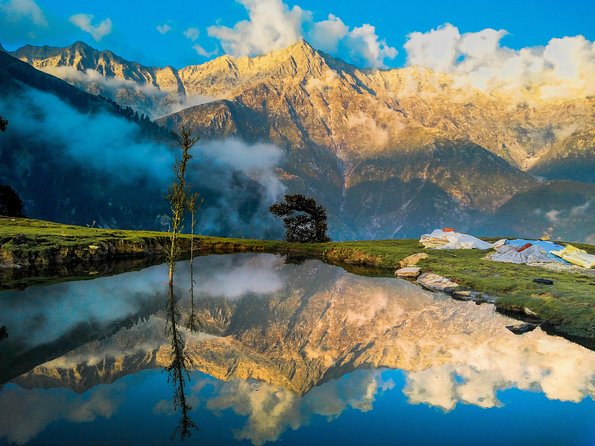
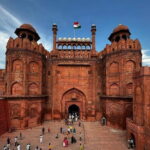
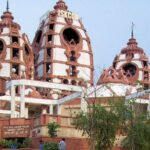
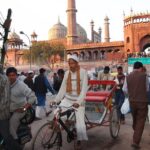
Delhi is where the tour earns its keep. On the first full day, you’re shown the city’s religious layers in a way that feels chronological: modern Hindu temple architecture at Swaminarayan Akshardham, then the Old Delhi sweep with Jama Masjid, Red Fort photo time, and stops at Raj Ghat and Gurudwara Bangla Sahib.
What I like here is the range. Akshardham gives you a sense of contemporary devotion and design scale. Then Old Delhi hits you with tighter lanes, loud markets, and the kind of movement you understand immediately once you’re on a rickshaw. Even if you only have a couple of hours per major site, the guide time helps you separate what to photograph versus what to actually look at.
Expect a mix of included and not-included admissions. Raj Ghat and Gurudwara Bangla Sahib are listed as free, while Old Delhi monuments like Jama Masjid and Red Fort have admissions noted as not included. Plan for that shift so you don’t feel surprised mid-day.
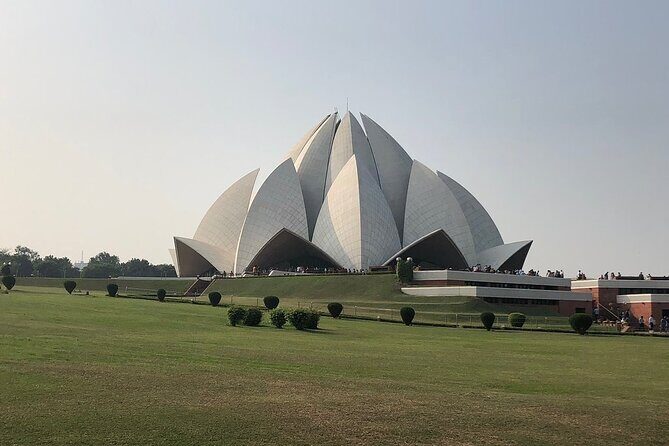
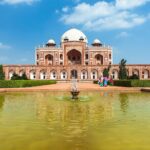
Day two continues with the capital’s major viewpoints: India Gate and the diplomatic district, then the Lotus Temple, Humayun’s Tomb, Qutub Minar, and Lodhi Garden. This is a good day for first-time Delhi visitors because it includes both formal monuments and a calmer park stop.
Tip for temples and religious sites: bring clothing that covers arms and legs. That’s explicitly advised for temples and mosques, and it will make your entry smoother.
Jaipur and Agra: palaces, forts, and the Taj at sunrise
From Delhi, the route pushes into Rajasthan with a focus on forts and royal architecture. On the way to Jaipur you’ll stop at the Monkey Temple complex. The key here isn’t just seeing the temples; it’s preparing yourself for how much of India’s heritage is also part wildlife, part everyday life, and part visitor experience. Keep an eye on your belongings, and move calmly.
In Jaipur you’ll hit Amber Palace, Jal Mahal for a picture at the Water Palace, Hawa Mahal (Palace of Wind) for those signature tiny-window views, and the City Palace complex with museum and royal exhibitions. The royal sites are the obvious draws, but what makes this day worth it is the guide context. Without that, you can end up walking through impressive spaces and missing the logic behind the designs.
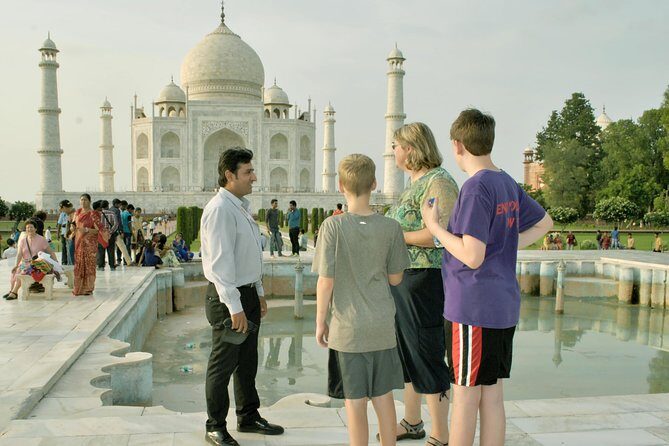
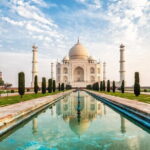
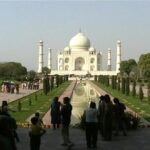
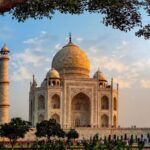
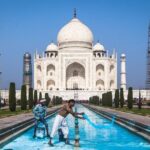
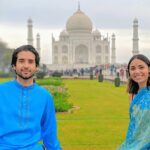
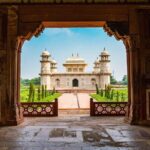
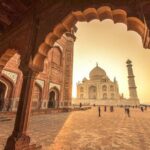
Then comes Agra, and the tour wisely makes Taj Mahal sunrise a priority. Going early usually means softer light and fewer crowds in the moment, and it matches how the monument is meant to be seen. The trip is set up so you visit with a guide and then return to breakfast afterward, so you’re not spending the rest of the morning exhausted.
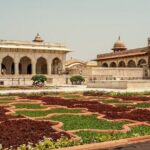
Agra also includes Agra Fort, and it’s worth your attention if you like walls that tell political stories. The fort helps explain why the Taj isn’t just a standalone beauty—it’s part of a broader imperial landscape.
What’s a potential drag on this stretch? Timing. When you’re doing sunrise Taj and then multiple forts and palaces afterward, you’ll want to pace your energy. Hydrate, and treat this as a “big sights” day, not a day to squeeze in extra food stops whenever you feel like it.
Fatehpur Sikri, Orchha, and Khajuraho: UNESCO that rewards patience
Not all heritage is about going fast. This part of the trip encourages slower looking.
Fatehpur Sikri is visited en route to Agra. It’s a palace complex in an abandoned city, and the “empty” feeling is part of its power. With a guide, you’re more likely to understand what you’re looking at rather than just photographing ruins.
Orchha is a quieter contrast. You’ll see fort and temple areas, including a Rama temple and viewpoints over the town. Orchha’s value in this itinerary is that it shifts you away from the biggest tourist magnets. You get a break from high-demand crowds and a better sense of everyday regional devotion and palace history.
Then the tour lands on Khajuraho Temples, the UNESCO highlight for temple lovers. You’ll visit both the western and eastern temple complexes. This is one of those places where a guide matters. The carvings and layout can feel overwhelming if you’re trying to decode them solo. With guidance, you can focus on the design logic, the storytelling themes, and why the site has that global reputation.
If you’re not into temples, the day may feel long. But if you like details and can handle walking with stops, this is a strong “stay curious” segment.

Varanasi: Aarti and the Ganges boat rides you can’t fake
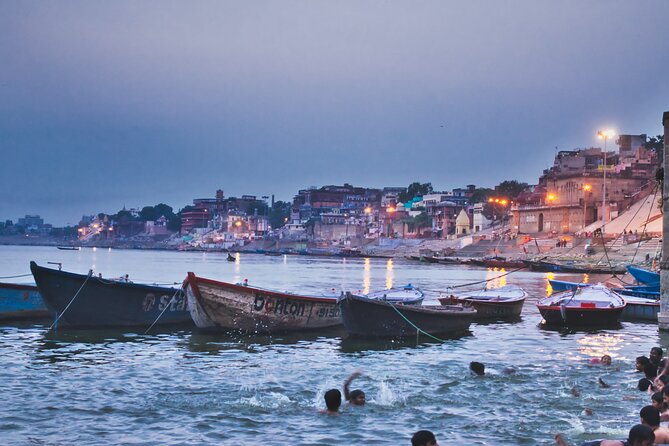
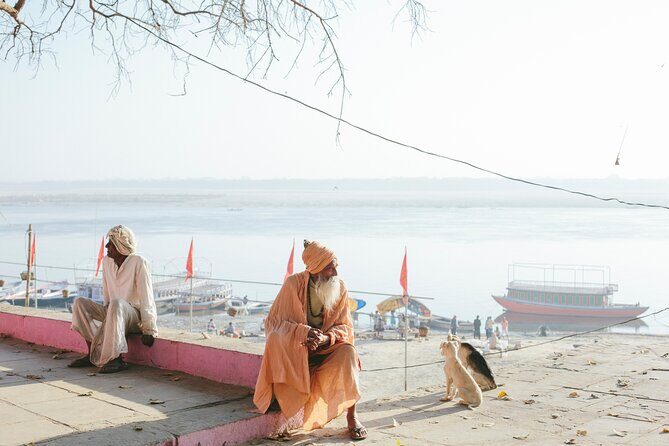
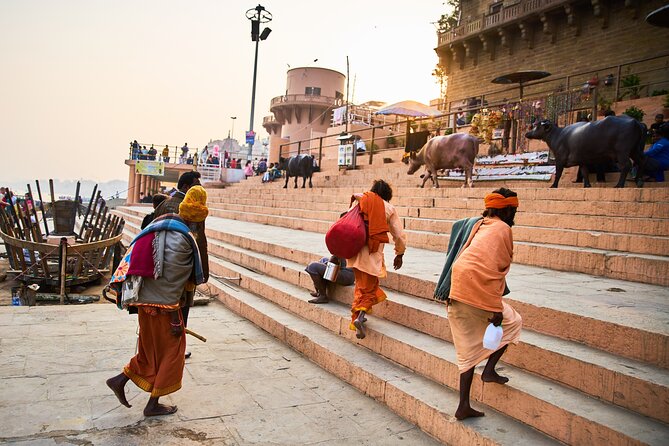
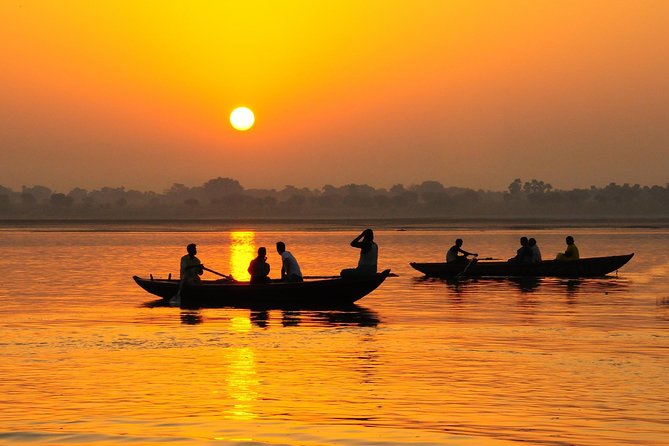
Varanasi is the trip’s emotional peak for many people, and the schedule supports that. You’ll have a Ganga Aarti ceremony and then a morning Ganges boat ride, with an additional boat ride in Varanasi included as well.
Here’s why that matters: Varanasi isn’t just a place you see. It’s a place you experience through rhythm—river light, steps and ghats, and the daily spiritual cycle. A boat gives you perspective in a way walking alone can’t. You see how temples and cremation areas sit along the river, and it helps you understand why the city’s geography matters so much.
After the boat time, you’ll go to Sarnath, where Buddha delivered his first sermon after enlightenment. You’ll also visit sites like Alamgir Mosque in Varanasi. This mix keeps the day from being only about river views. You get a spiritual and historical bridge from India’s traditions to broader Buddhist significance.
Practical note: mornings on the river tend to be cool, even when the city isn’t. Bring a light layer so you’re comfortable during boarding and time on the water.
Nepal entry and Lumbini: Buddhist pilgrimage with real grounding
Crossing into Nepal is part of the story. You’ll travel to Lumbini after a border crossing step that includes preparing a passport photo and the listed Nepal visa amount (30 USD). That’s a key detail because it affects how smooth your entry day goes.
In Lumbini, you visit the Lumbini Zone, described as a Buddhist pilgrimage site connected to Queen Mahamayadevi in Buddhist tradition. This stop is a good reminder that the tour isn’t only about sightseeing for its own sake. It’s built to connect the religious thread between India’s major centers and Nepal’s pilgrimage heart.
This day is also a reset from constant big-city pace. You still move and you still tour, but the sites here tend to feel more spacious and reflective than fort palaces.
Pokhara: Phewa Lake views and Sarangkot sunrise trekking
Pokhara is your “Himalaya gateway” break, and the itinerary supports it with a mix of lake time and viewpoints.
You’ll do a boat ride on Phewa Tal, including stops at Varahi temple, and get views of the highest mountains of the Annapurna massif. Then you visit Devi’s Fall, where water forms a tunnel-like flow, and you end the day at Bindhyabasini Temple.
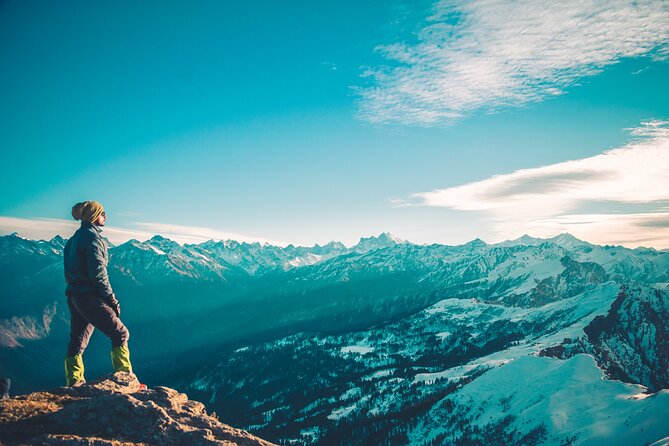
After that, you have a morning moderate trek to Sarangkot for sunrise. This is one of those choices that pays off if you’re willing to wake early. The trek is described as moderate and timed for sunrise viewing, and it’s the kind of activity that makes the travel feel less repetitive and more like you’re earning the scenery.
If you get motion-sick easily on boats or windy drives, plan for that. Pokhara days involve enough movement that you’ll want basic comfort habits.
Kathmandu Valley: Durbar Square, Swayambhunath, Pashupatinath, plus Patan and Bhaktapur
Kathmandu is where you get the dense concentration of both Hindu and Buddhist sacred architecture, and the route is designed as a circuit.
You start at Kathmandu Durbar Square, the old royal palace area surrounded by temples and important buildings. Then you climb to Swayambhunath, known for its stupa and the famous Buddha eyes motif. After that comes Pashupatinath, Nepal’s major Hindu pilgrimage site on the Bagmati river dedicated to Shiva.
Two days later (still within the same overall Kathmandu segment), the tour expands the valley circuit to Patan (Lalitpur) Durbar Square for fine carvings and shrine detail, Bhaktapur for its medieval feel, and Boudhanath Stupa, listed as the largest spherical stupa in Nepal and the world, with many gompas from Tibetan communities.
This part of the trip is powerful because you can compare styles. You see royal-square temple architecture, then stupa worship and prayer styles, then the carved city centers that still feel “lived in” rather than packaged. You’ll also be doing more walking and stairs than earlier days, especially around stupas and temple compounds.
If you prefer fewer stops per day, this Nepal-ending section can feel busy. It helps to rest mid-day when you can and keep your pack light.
The one piece you control: your comfort and timing
Even with guides and drivers handling the big movements, you’ll make or break the experience with how you manage the small stuff.
- Wear temple-appropriate clothing early so you’re not scrambling later. Covered arms and legs are explicitly advised.
- Carry water. Bottled water is included, but having extras helps if you get delayed.
- Keep a simple routine: breakfast, then gear up for walking. This trip moves across many sites with limited linger time at each stop.
- Mentally budget monument fees. They’re not included, and they can add up quickly across multiple UNESCO-level attractions.
And based on at least one piece of traveler feedback, I’d also plan to stay actively engaged. Communication and coordination issues can pop up in complex, multi-country tours. You don’t need to panic, but you do want to confirm what time you depart, where you meet, and which entries are included versus extra.
Who should book this tour
This is a strong fit if you:
- Want a structured, time-saving route across Northern India and Nepal
- Like getting a guide’s explanations for major monuments (instead of only self-guided wandering)
- Are comfortable covering ground every day and doing early starts like Taj sunrise and Sarangkot sunrise
- Care about comfort basics: three-star hotels with private bathrooms and daily breakfast
You might look for something else if you:
- Hate additional costs and prefer fully ticketed packages
- Need a very hands-off experience with zero day-to-day coordination
- Want more leisure time in each city rather than a highlights run
Should you book Essence of magnificent India and Nepal?
If your goal is to maximize your vacation days and hit the most recognizable cultural anchors—Delhi, Taj Mahal, Khajuraho, Varanasi, Lumbini, Pokhara, Kathmandu—this tour makes a lot of sense. The value comes from the built-in logistics: AC private transport, English-speaking driver, local guides, daily breakfast, and included moments like the Delhi rickshaw and Ganges boat rides.
I’d book it if you’re the kind of traveler who likes structure but also checks details. Budget for monument admissions and the Nepal visa, and bring flexibility for day-of timing. Do that, and you’ll end up with a fast but meaningful arc through two countries’ spiritual and historical worlds.
FAQ
How long is the tour?
The trip is about 17 days long, covering roughly 16 nights.
What’s included in the price?
You get 3-star hotel accommodation with private ensuite bathrooms, daily breakfast, bottled water, local guides in multiple destinations, pickup and drop-off in Delhi, AC private vehicle transport with a personal English-speaking driver, the Delhi rickshaw ride, Varanasi boat ride(s), and one international flight from Kathmandu to Delhi.
Are monument entrance fees included?
No. Admission fees are not included, and the total listed is about $200 per person for monument tickets.
Do I need a Nepal visa?
Yes. A Nepal visa fee is listed at $30 per person, and you’ll need a passport photo as part of the border process.
What flight is included at the end?
The tour includes one international flight from Kathmandu to Delhi, with luggage allowances listed as 20 kg main luggage and 10 kg carry luggage.
What’s the dress advice for religious sites?
You should dress properly for temples and mosques, with arms and legs covered.