Benog Trek into the Wild is the kind of morning that slows you down fast. This 3-4 hour walk through oak and pine forests feels quietly adventurous, with a guide who points out what matters along the way. You also get Jwala Devi Temple at the top, plus panoramic looks toward major Himalaya peaks like Chaukhamba and Bandarpoonch.
I especially like two things: the way the guide turns the forest into a story you can follow, and the peaceful, not-crowded pace that keeps the experience real. You’re not just walking for steps; you’re walking to notice birds, trees, and the small things you’d otherwise miss.
One thing to plan for: wildlife sanctuary entry fees are not included, so your final cost may be a touch higher once you arrive. If you hate any extra charges on the day, ask about the entry fee upfront.
In This Review
- Key highlights at a glance
- Benog Trek starts at 8:30: meeting point, pace, and what to expect
- Benog Wildlife Sanctuary: a calm guided intro to the forest
- Jwala Devi Temple up top: history, climb, and viewpoint energy
- Forest path and big Himalayan views: how to get the best out of the walk
- Snacks and guide attention: why this feels worth the money
- Price breakdown: $15.87 and what you’re actually paying for
- Who should do the Benog Trek into the Wild?
- Practical tips before you go (so the day runs smoothly)
- Should you book the Benog Trek into the Wild?
- FAQ
- How long is the Benog Trek into the Wild?
- Where does the tour start and end?
- What time does the trek begin?
- Is pickup available?
- What stops are included during the trek?
- Is the wildlife sanctuary entry fee included?
- What is the difficulty level?
- Is this tour private or shared?
- Are snacks included?
- What if I book last minute or need to change plans?
Key highlights at a glance
- Benog Wildlife Sanctuary guide time (about 30 minutes) with help spotting what you’re seeing
- Jwala Devi Temple stop (about 30 minutes) with history shared while you go up
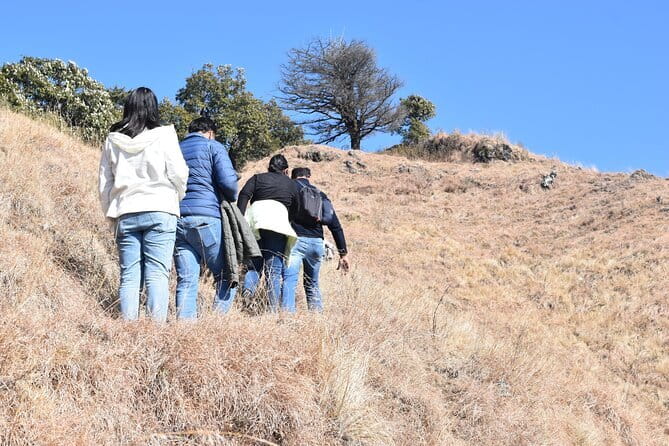
- Moderate walk for beginners with enough challenge to feel like an actual hike
- Himalayan viewpoint payoffs toward Chaukhamba and Bandarpoonch
- Private tour feel and only your group participating, with snacks included
Benog Trek starts at 8:30: meeting point, pace, and what to expect
This is a morning trek that starts at 8:30 am and runs about 3 hours 30 minutes round trip. The activity meets at Cloud End Forest Resort, Hathipaon Area, Mussorie, and it ends back at that same point. Pickup is offered, and you’ll get a mobile ticket, which makes it easier to stay organized without hunting for paper.
Because it’s a private tour/activity, you won’t be sharing the guide’s attention with strangers. That matters on a forest walk. When you can ask questions right when something catches your eye, the whole experience gets better—and you can move at a pace that feels comfortable for your group.
The pace is listed as moderate, and that’s honest. You can enjoy it with beginner fitness, but you should still be ready for a steady hike through wooded terrain. If you’re someone who gets tired quickly on inclines, wear in-comfort shoes and plan for slower steps.
Benog Wildlife Sanctuary: a calm guided intro to the forest
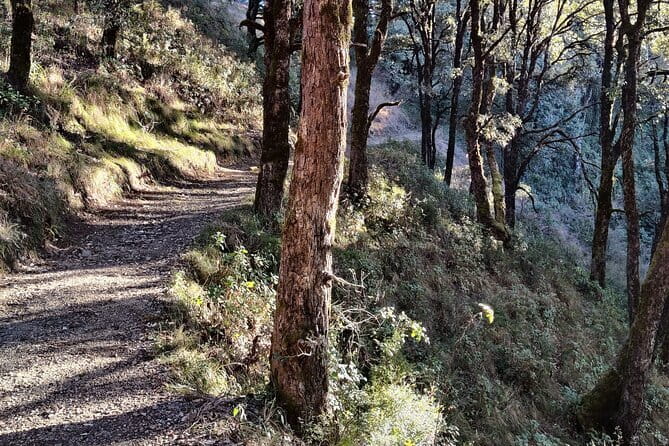
Your first stop is Benog Wildlife Sanctuary, where you spend about 30 minutes. This is where the guide really sets the tone. You’ll go inside the sanctuary with your guide and get explanations about what you might see there—trees, birds, and wildlife signs you’d likely miss on your own.
I like that this doesn’t feel like a rushed checklist. A half hour is long enough for the guide to give context and short enough that you don’t feel dragged. You’re also in a part of the hills known for oak and pine forests, which gives the trek a classic Himalayan feel rather than a flat stroll.
There’s also bird-spotting potential. On past walks with the guide Sagar, people reported seeing nice birds during the outing. If birdlife is high where you go, you’ll probably benefit from that guided scanning—especially because the best birds are often the ones you notice only after someone points you to them.
One practical note: wildlife sanctuary entry fees are not included. So build a little extra money into your budget and consider asking the guide right away so you aren’t guessing later.
Jwala Devi Temple up top: history, climb, and viewpoint energy
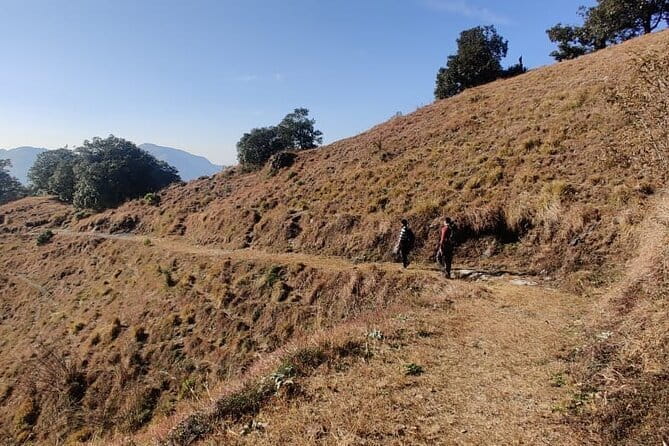
After the sanctuary, you head to Jwala Devi Temple, with another 30 minutes planned. Your guide comes along and shares the temple’s history as you go up. This is a nice balance to the earlier nature focus. In one outing, you get both the quiet forest side and the human story side.
The temple stop also tends to create a natural pause in the hike. You get time to look around, catch a breath, and take in views when the weather allows. And if you’re the kind of person who likes meaning behind places (not just photos), this stop is a good payoff.
Some walks also include a hilltop moment where you can enjoy the view in a slower way. Timing is everything, though, so don’t assume you’ll catch a specific light like sunset. Still, you can ask your guide if there’s a viewpoint option when conditions are good.
Forest path and big Himalayan views: how to get the best out of the walk
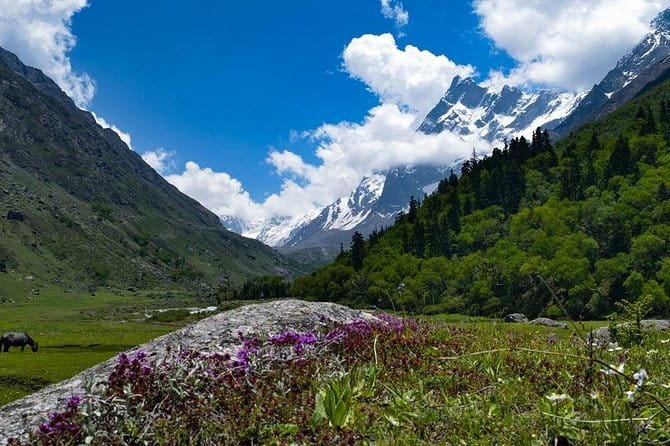
The trek is built around a simple idea: walk through dense oak and pine forests, then earn panoramic Himalayan views. The peaks mentioned include Chaukhamba and Bandarpoonch. That’s a big deal for a trek this short, because longer hikes often get all the view credit.
Here’s how to think about the views: they’re best when the sky is clear and humidity is low. In the hills, clouds can roll through fast, and visibility can shift hour to hour. So even if the morning starts bright, keep expectations flexible. A good guide will also know where the clearer sightlines tend to be during your route.
Also, don’t treat the trek like it’s purely about reaching the top of something. The forest section has its own reward. When you’re surrounded by trees and shade, it’s easier to stay calm and present. That’s exactly the vibe people look for when they choose this kind of outing—a tranquil trail away from crowds.
If you want photos, the best strategy is to take your first few pictures as soon as you reach a viewpoint and then keep your phone away for the bird-and-forest moments. Otherwise you’ll end up documenting every step and missing the best things the guide is pointing out.
Snacks and guide attention: why this feels worth the money
The tour includes snacks and a guide, which is more than a convenience. On a short morning hike, snacks help you keep energy up without turning the trek into a frantic search for food. That’s one reason people feel comfortable doing this even if they aren’t hardcore hikers.
The guide element is the real engine of the experience. With guides like Sagar, the walk tends to come with stories and context that make the time feel faster—in a good way. It’s not just facts thrown at you. The best moments happen when the guide explains what you’re looking at right when you see it.
This is also where the “private” setup really pays off. You can ask, slow down, and pay attention without feeling like you’re holding up a large group. For a forest trek, that matters.
Price breakdown: $15.87 and what you’re actually paying for
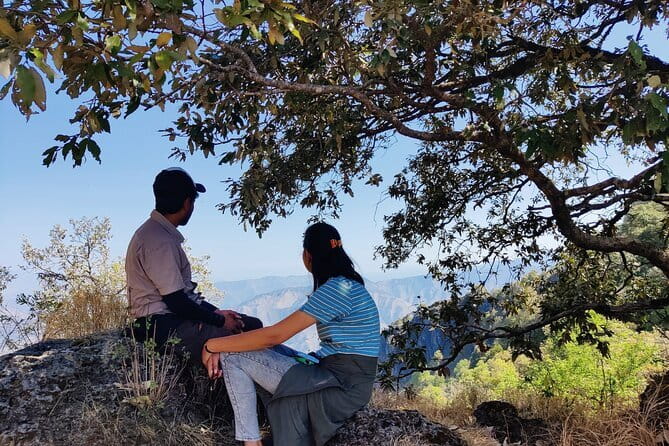
At $15.87 per person, this trek is positioned as a budget-friendly way to get guided time in a sanctuary area plus a temple stop. What makes the price feel fair is the mix:
- a 3-4 hour structured outing
- a guide who accompanies you at each main stop
- snacks included
- private participation, not shared with other people
What’s not included is the wildlife sanctuary entry fee. That’s the main cost you might add on top. Still, even with a possible extra entry fee, the overall value usually holds because you’re buying guided time and access, not just walking somewhere on your own.
If you’re traveling on a tight schedule, the short duration is a plus. You can do this in the morning and still have the rest of the day to explore the Mussoorie area at your own rhythm.
Who should do the Benog Trek into the Wild?

This trek fits best if you want:
- a moderate walking experience that doesn’t require advanced fitness
- a calmer outing where the goal is observing and learning
- a guided walk that includes both nature and temple history
- a viewpoint payoff with Himalayan peaks like Chaukhamba and Bandarpoonch
It’s also a good match for first-time hikers in the hills. The route is short enough to stay manageable, but not so short that it feels like a quick city tour in disguise. If you like birding or you simply enjoy spotting wildlife signs, the sanctuary portion gives that a real chance.
If you’re looking for a tough cardio workout or long-distance trekking, you might find the duration brief. But for most people who want a meaningful nature break without exhaustion, it’s a strong choice.
Practical tips before you go (so the day runs smoothly)
Because this is a forest trek with a moderate walk, I’d treat it like any other hills outing:
- Wear footwear with decent grip for uneven ground.
- Dress in light layers. Mornings can feel cooler in the hills.
- Bring a small amount of cash or the right payment method for any sanctuary entry fees since those are not included.
- Go into it with the mindset of noticing things, not just reaching points.
If you care about specific views, ask your guide during the morning. Conditions matter, and a good guide will know where visibility tends to work best on the day you go.
Should you book the Benog Trek into the Wild?
Yes—if you want a calm, guided half-day that blends forest watching with a temple stop and possible Himalayan panorama. The value is strongest for people who enjoy learning from a guide and prefer not being rushed or crowded.
I’d think twice only if you strongly dislike paying add-on fees on the spot (because the sanctuary entry fee is not included) or if your goal is an all-day, strenuous hike with big altitude gains. For a manageable morning adventure with real local flavor, this one makes a lot of sense.
FAQ
How long is the Benog Trek into the Wild?
It’s about 3 hours 30 minutes (roughly 3-4 hours) round trip.
Where does the tour start and end?
It starts at Cloud End Forest Resort, Hathipaon Area, Mussorie and ends back at the same meeting point.
What time does the trek begin?
The start time is 8:30 am.
Is pickup available?
Yes, pickup is offered.
What stops are included during the trek?
You’ll visit Benog Wildlife Sanctuary first, then Jwala Devi Temple.
Is the wildlife sanctuary entry fee included?
No. Wildlife Sanctuary Entry Fees are not included.
What is the difficulty level?
The trek is listed as moderate, suitable for beginners with moderate fitness.
Is this tour private or shared?
It’s a private tour/activity. Only your group participates.
Are snacks included?
Yes. Snacks are included.
What if I book last minute or need to change plans?
Confirmation is received at booking unless you book within 4 hours of travel, in which case confirmation is subject to availability as soon as possible. The experience also allows free cancellation up to 24 hours before the start time.