REVIEW · GOLDEN TRIANGLE TOURS
9 – Days Private Golden Triangle Tour with Khajuraho & Varanasi
Book on Viator →Bookable on Viator
India hits different here. This 9-day private route blends the Golden Triangle (Delhi, Agra, Jaipur) with Khajuraho’s carved temples and Varanasi’s Ganges rituals, so you’re not just ticking famous sights—you’re switching gears between empire, craft, and faith. I especially like that you get a real-feeling Old Delhi moment via a rickshaw ride through Chandni Chowk, then end with a dawn boat ride that lets the Ganges wake up slowly.
I also like how much the plan leans on English-speaking guides in each major stop, plus a private chauffeur throughout, which keeps you from playing transport chess. One big thing to plan for: monument entrance fees are not included (the tour lists about $100 per person), and Taj Mahal is closed on Fridays, so your travel dates matter.
In This Review
- Key highlights worth planning around
- What this private Golden Triangle plus Khajuraho and Varanasi really gives you
- Day 1 and 2 in Delhi: Old Delhi lanes, Mughal tombs, and the iconic skyline
- Chandni Chowk and the Red Fort area vibe
- Humayun’s Tomb: Mughal design as a starting point
- India Gate and Qutub Minar: two different Delhi icons
- Jaipur on Days 3 and 4: Amer Fort by jeep and the Pink City must-sees
- Amer Palace: ride up by jeep
- Jal Mahal: the quick, pretty pause
- Hawa Mahal and City Palace: façade drama plus royal interiors
- Jantar Mantar: science in stone
- Agra on Day 5: Taj Mahal, Agra Fort, and factory visits that explain local craft
- Taj Mahal: time it right and save steps
- Agra Fort: a stronger structure, a different story
- Marble factory visit: why the white matters
- Heads-up on money
- Day 6: the rail transition to Khajuraho via Jhansi and an Orchha stop
- Khajuraho on Day 7 and 8: Western and Eastern temple groups
- Western Group of Temples: the famous cluster
- Eastern Group: more variety, a calmer feel
- Varanasi on Day 8: Sarnath, Kashi Vishwanath, ghats, and temple stops
- Sarnath: Buddhist story in stone
- Kashi Vishwanath and the riverfront ghats
- Bharat Mata Temple and Alamgir Mosque: a mixed-city day
- Day 9 in Varanasi: the sunrise Ganges boat ride and getting out smoothly
- Price and value: what $683 covers and what you should budget for
- The small practical details that make or break the trip
- Who should book this tour (and who might not love it)
- Should you book this 9-day Golden Triangle plus Khajuraho and Varanasi?
- FAQ
- What’s included in the tour price?
- Are entrance fees included?
- Is Taj Mahal included, and is it ever closed?
- Do I need domestic or international flights?
- Is this a private tour?
- Is there an overnight train?
- Is free cancellation available?
Key highlights worth planning around
- Rickshaw ride in Chandni Chowk to cut through Old Delhi without getting lost in the lanes
- Jeep safari to Amer Fort for a classic Jaipur approach, not just a viewpoint photo stop
- Battery van at Taj Mahal to save your legs after walking and crowd time
- Overnight train night plus AC train segments to keep long-distance travel efficient
- Khajuraho’s Western and Eastern temple groups for both iconic carvings and a calmer pace
- Varanasi ghats + Sarnath in one loop, so you see both the riverfront and the Buddhist story
What this private Golden Triangle plus Khajuraho and Varanasi really gives you
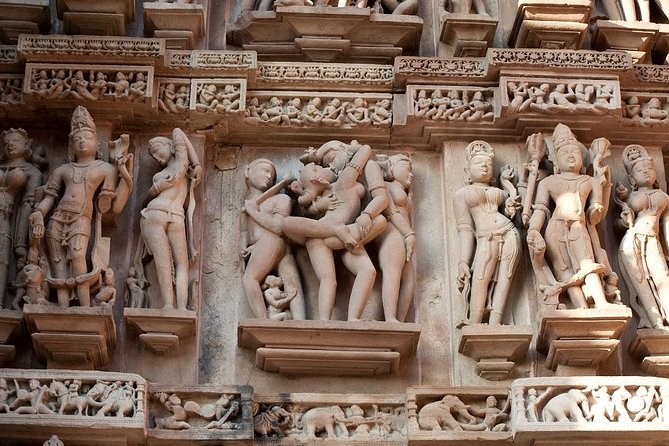
This isn’t a “see everything, learn nothing” sightseeing package. It’s structured like a route through themes: imperial power in Delhi and Agra, royal spectacle in Jaipur, stone art in Khajuraho, and religious life on the Ganges in Varanasi.
You’ll spend most days with a professional local guide and a private car, which matters in India. Distances and traffic can be unpredictable, and having one team for each city makes the schedule feel tighter and less stressful. I also like the practical touches called out in the inclusions: packaged drinking water, a battery van at Taj Mahal, and a rickshaw ride that gets you close to the market energy without you needing nerves of steel.
The tradeoff is pacing. Nine days is enough to hit major anchors, but it still moves. If you want long, slow museum afternoons or zero movement days, you might feel a bit “on the go.”
Day 1 and 2 in Delhi: Old Delhi lanes, Mughal tombs, and the iconic skyline
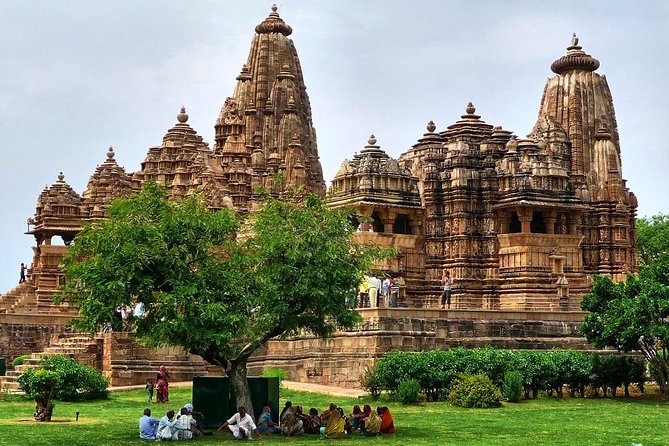
You start with a traditional welcome at New Delhi International Airport, then head to your hotel by air-conditioned vehicle. Day 1 is mostly a settle-in day with free time, which is smart. Delhi’s a big city. Landing, collecting yourself, and not sprinting right away helps.
Day 2 is your history-and-architecture day, and it’s built to show Delhi in layers:
Chandni Chowk and the Red Fort area vibe
You’ll do Pasar Chandni Chowk by rickshaw, which is one of the best ways to understand Old Delhi. You get the motion and the chaos without spending your entire time threading side streets. The market area is busy and old, and the guide-and-ride combo helps you focus on what matters instead of fighting crowds.
The route also includes a major Mughal-era landmark tied to red sandstone—the kind of detail that instantly changes how you read the building once you know why it looks the way it does.
Humayun’s Tomb: Mughal design as a starting point
Humayun’s Tomb is included, and it’s described as a landmark Mughal garden-tomb style. For most people, it’s a “wait, this is the blueprint” stop. Even if you only spend a couple hours, you’ll notice how it sets up later Mughal work you’ll see at Agra.
India Gate and Qutub Minar: two different Delhi icons
You’ll also get India Gate and Qutub Minar. Qutub Minar is tall, immediate, and historically tied to early Islamic rule after the defeat of the last Hindu kingdom in Delhi’s region. India Gate is a different mood: more monumental, more modern-national in tone. Together, they give Delhi a “then and now” skyline story.
Jaipur on Days 3 and 4: Amer Fort by jeep and the Pink City must-sees
After breakfast on Day 3, you drive to Jaipur and check in. Jaipur’s day 4 is packed with classic stops, but the sequence helps. You start with Amer, then move toward the center of the old city.
Amer Palace: ride up by jeep
Amber Palace is a highlight, and the tour includes a jeep safari to climb up to the fort. That matters more than it sounds. Amer sits on a hill, and arriving by jeep keeps the experience practical. It also avoids the “how do we get up there?” hassle and lets you spend your energy on the views and the palace details.
Jal Mahal: the quick, pretty pause
Jal Mahal (the Water Palace) is a brief stop, but it’s exactly the kind of contrast you want after fort time. It’s framed as serene amid Jaipur’s bustle, so use it as a short reset. Don’t treat it like the main event—treat it like the breath between scenes.
Hawa Mahal and City Palace: façade drama plus royal interiors
Hawa Mahal (Palace of Wind) is famous for its look from the street, and you’ll also visit City Palace, which is more than one building. It’s a complex of courtyards, gardens, and structures, which makes it easier to understand how the royal household functioned inside the walls, not just how it looked.
Jantar Mantar: science in stone
Jantar Mantar is included as a collection of astronomical instruments, completed in 1734, and it includes the world’s largest stone sundial (as described on the tour). This is a great stop if you like the idea that old rulers weren’t only building forts—they were also building measurement and astronomy tools.
Agra on Day 5: Taj Mahal, Agra Fort, and factory visits that explain local craft
You check in to a pre-booked hotel in Agra after morning departure from Jaipur. Later you head into the big hits:
Taj Mahal: time it right and save steps
Taj Mahal is the signature, and the tour includes a battery van ride at the site. That’s a quality-of-life inclusion, especially if you’re walking in heat or after crowd bottlenecks. One critical note: the Taj Mahal is closed every Friday, so if your trip lands on a Friday, the schedule may need shifting.
Agra Fort: a stronger structure, a different story
Agra Fort sits on the west bank of the Yamuna River and is described as Akbar’s fort. It’s less about one romantic monument and more about power and defense, and it helps you balance the emotional pull of the Taj Mahal.
Marble factory visit: why the white matters
You’ll also stop at a marble factory in Agra. This is where the Taj Mahal becomes more than a photo. You get a practical look at how marble work connects to the monument’s look and finishing.
Heads-up on money
Entrance fees aren’t included. Plan on paying monument tickets separately, and if you want to be extra ready, budget for any camera fees at monuments (the tour explicitly notes camera fees may apply).
Day 6: the rail transition to Khajuraho via Jhansi and an Orchha stop
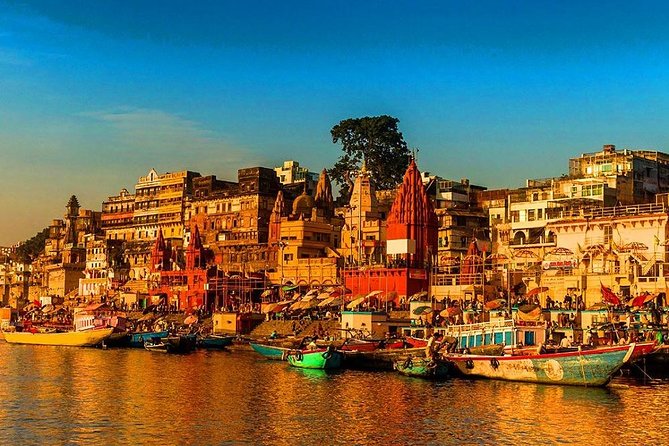
Day 6 is where the trip changes from road travel to rail rhythm, and that’s a good thing if you’re tired of long drives.
You go to Agra railway station, board a train to Jhansi, meet your representative at Jhansi, and then proceed onward to Khajuraho. En route, you’ll stop at Orchha Fort (described as an en-route visit), which gives you a “bonus heritage” moment without turning the day into pure transit.
The tour includes AC train tickets in this segment, which makes a difference in comfort. This day is a hinge: you’re moving from Mughal-era anchors to the carved temple world.
Khajuraho on Day 7 and 8: Western and Eastern temple groups
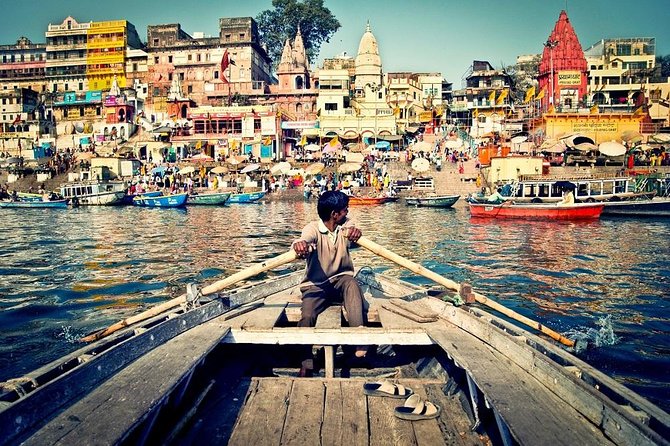
Khajuraho is one of the places people either love instantly or don’t quite know what they’re looking at. This tour helps by covering both major groups.
Western Group of Temples: the famous cluster
The Western Group is described as 14 temples, including Kandariya Mahadeo, Varaha, and others. This is the “most recognized” collection, so it’s where you’ll see the intricate carvings that put Khajuraho on the world map.
The key value here is pacing. You’re not expected to interpret every sculpture on your own. A guide turns the carvings from just bodies and symbols into a language you can actually read.
Eastern Group: more variety, a calmer feel
You also explore the Eastern Group, described as seven temples—three Hindu and four Jain. If you’re hoping for variety beyond the headline temples, this is the day 7 follow-up that makes Khajuraho feel broader than a single set of photos.
The best way to enjoy it is to treat each temple like a chapter. Spend time noticing what repeats, then notice what changes. That approach works especially well when you’ve just come from Delhi and Agra’s big architectural monuments.
Varanasi on Day 8: Sarnath, Kashi Vishwanath, ghats, and temple stops
After arriving in Varanasi by train, you transfer to your hotel and then do an excursion to Sarnath after breakfast. Sarnath is presented as one of the four holiest Buddhist places and is described as quieter and spiritual compared with the surrounding density of Uttar Pradesh. The guide-and-time combo matters here, because otherwise Sarnath can blur into “another set of ruins.” With explanation, it becomes a real historical thread.
Sarnath: Buddhist story in stone
Sarnath is included with an admission not included note, and the tour duration suggests you’ll have a solid chunk to see the key areas. It’s a strong contrast day: you start Buddhist, then you shift back to Hindu pilgrimage focus.
Kashi Vishwanath and the riverfront ghats
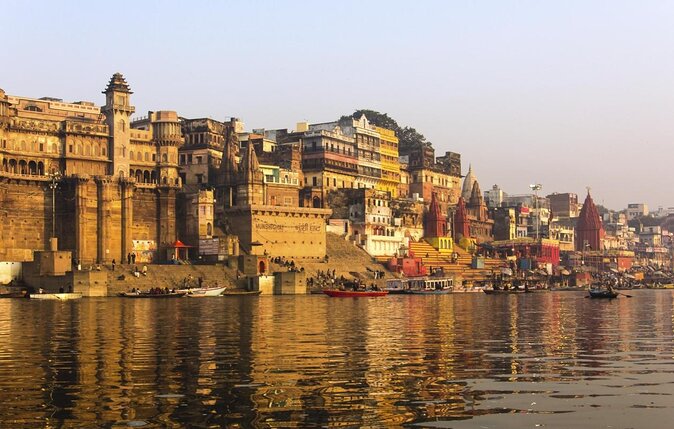
After Sarnath, you visit Kashi Vishwanath Temple, one of the 12 Jyotirlingas dedicated to Lord Shiva (as described). Then you move on to Banaras Ghats, the long chain of ghats where pilgrims bathe for spiritual purification.
This is the heart of Varanasi, and it’s also where you’ll realize the trip isn’t just cultural tourism. It’s built around daily religious rhythms. Even if you’re not participating, you’re watching a living practice.
Bharat Mata Temple and Alamgir Mosque: a mixed-city day
You’ll also stop at Bharat Mata Temple, described as a shrine dedicated to Mother India with a relief map carved in marble (and no deity), and Alamgir Mosque, built in the 17th century by Aurangzeb. The tour doesn’t shy away from the layers of belief and empire here, and those two stops show how Varanasi isn’t only about one tradition.
Day 9 in Varanasi: the sunrise Ganges boat ride and getting out smoothly
Day 9 starts very early, with a boat ride on the River Ganges. The tour description emphasizes rising before dawn and watching the sun come up, so plan for a short night and a very active start.
It’s one of the strongest inclusions in the whole itinerary because it changes the emotional tone. You’ve been moving through temples and cities; now you’re in the river context, where everything feels different. The tour also highlights an evening prayer ceremony on the river during the trip, and you’ll likely feel the rhythm of that devotional arc by the time you reach the boat ride.
After the boat time, you return to the hotel for breakfast. Then it’s a transfer to Varanasi airport for your flight home.
Price and value: what $683 covers and what you should budget for
The tour price is $683 per person, and it’s described as typically booked about 39 days in advance. That price includes a lot of the things that usually cost you time and hassle:
- 7 nights of hotel stays plus 1 night on an overnight train
- AC train tickets for the long segments (Agra to Jhansi, and Khajuraho to Varanasi)
- Private English-speaking guiding in Delhi, Jaipur, Agra, Khajuraho, and Varanasi
- Private chauffeur-driven car throughout the road portions
- Key transport extras like the Rickshaw ride, Jeep safari to Amer Fort, Battery van at Taj Mahal, and the Ganges boat ride
- Factory visits and shopping time included as part of the cultural program
What’s not included is equally important:
- Monument entrance fees, listed as about $100 per person
- Tips for drivers and guides
- Meals beyond the breakfast included (the tour lists breakfast 8 times)
- Any personal expenses and optional add-ons
So the value question becomes: are you happy paying for guidance and comfort while someone else coordinates the moving parts? Based on the included items, this tour is built for that kind of traveler—someone who wants fewer logistics headaches and more time to actually enjoy what you’re seeing.
The small practical details that make or break the trip
A few inclusions are clearly designed to reduce friction:
- Air-conditioned private transport and English-speaking guides in multiple cities
- Packaged drinking water
- Site-specific help like the battery van at Taj Mahal
- Market navigation with a rickshaw instead of asking you to freestyle Old Delhi
There’s also the value in the way the itinerary uses factory visits and shopping tours. Yes, these can feel salesy in some programs. Here, they’re framed as getting a feel for local craft—marble work in Agra and handmade jewelry/stone cutting in Jaipur—so if you treat them as cultural stops (not just quick shopping), they can add real context to what you see.
And since you’re paying for a private setup, the quality of drivers and guides matters. The 5-star feedback on the operator’s side points to professional drivers, clean cars, and guides who were a pleasure to have around. That’s exactly what you hope you’ll get when the schedule is tight.
Who should book this tour (and who might not love it)
This fits best if you:
- want a private route through Delhi, Agra, Jaipur, Khajuraho, and Varanasi without spending hours planning connections
- like having a guide explain what you’re seeing, especially for Khajuraho carvings and Varanasi religious sites
- prefer comfort upgrades like AC travel and the battery van at Taj Mahal
You might reconsider if you:
- hate early starts (Day 9 sunrise boat ride)
- want lots of downtime or free-wheeling time in each city without the plan moving you along
- have a very tight budget that can’t handle entrance fees and on-top meals
Should you book this 9-day Golden Triangle plus Khajuraho and Varanasi?
I’d book this if your goal is a first-class “greatest hits” route with just enough depth to make each place feel connected. The combination is strong: Delhi’s Mughal landmarks, Jaipur’s Amer-area royal drama, Agra’s Taj + fort contrast, Khajuraho’s carved temple world, then Varanasi’s Ganges focus.
It’s also a smart pick for travelers who don’t want to manage the logistics on their own. Private car, English-speaking guides in each region, and AC train segments remove the biggest stress points.
Just go in with two expectations: monument tickets are extra, and you need to work around the Friday closure of the Taj Mahal. If you can handle that, this tour looks like good value for an organized, culturally serious route.
FAQ
What’s included in the tour price?
The tour includes 7 nights of accommodation in hotels, 1 night on an overnight train, train tickets in air-conditioned coaches (Agra to Jhansi and Khajuraho to Varanasi), professional English-speaking tour guides in Delhi, Jaipur, Agra, Khajuraho, and Varanasi, a private English-speaking chauffeur-driven car throughout the trip, and several included activities like the Chandni Chowk rickshaw ride, jeep safari in Jaipur, battery van at Taj Mahal, and a boat ride on the Ganges. It also includes packaged drinking water and breakfast (8).
Are entrance fees included?
No. Entrance fees to monuments and sightseeing places are not included. The tour lists entrance fees as about $100 per person.
Is Taj Mahal included, and is it ever closed?
Yes, the tour includes a visit to Taj Mahal. The tour note says Taj Mahal is closed on every Friday.
Do I need domestic or international flights?
The tour does not include international or domestic airfare. You’ll be transferred to Varanasi airport at the end for onward travel, and you start with pickup at New Delhi International Airport.
Is this a private tour?
Yes. It’s listed as private, and only your group will participate.
Is there an overnight train?
Yes. The tour includes 1 night’s accommodation on an overnight train (Indian railway).
Is free cancellation available?
Yes. Free cancellation is available, and you can cancel up to 24 hours in advance for a full refund.