REVIEW · LUCKNOW
Lucknow Colonial Heritage Walk: Guided Tour by Foot
Book on GetYourGuide →Operated by Lets Go Far · Bookable on GetYourGuide
Lucknow has a way of telling stories. This walking tour ties together Lucknow’s colonial-era architecture and the events that shaped the city, from sacred spaces to wartime ruins and everyday market life. It’s compact, two hours, and built around three connected stops you can actually feel in your feet.
I like that the first stop is St. Joseph’s Cathedral, with its Gothic revival look and tall spires that make it impossible to miss the colonial imprint on Lucknow’s skyline. I also really enjoy how the tour moves from that calm start to The Residency ruins, where history is visible in the setting and the guide explains the 1857 rebellion in a way that lands fast.
One thing to consider: you’re on your feet the whole time. The tour is explicitly not suitable for pregnant women, and it will involve walking around historical sites, so comfortable shoes and a realistic pace matter.
In This Review
- Key things you’ll notice on this walk
- Why Lucknow’s colonial leftovers make sense on foot
- St. Joseph’s Cathedral: Gothic revival spires and a calm start
- The Residency ruins: where the 1857 rebellion becomes visible
- Hazratganj Market: Mughal grace meets British refinement
- How long it really takes, and what your pace should be
- Price and value: is $13 fair for a 2-hour heritage walk?
- The guide experience: stories, humor, and local pointers
- Etiquette and safety on this walk
- Should you book this Lucknow Colonial Heritage Walk by Foot?
- FAQ
- Where does the tour start?
- How long is the Lucknow Colonial Heritage Walk?
- What is the group size?
- What languages are the guides?
- Is pickup or drop-off included?
- Are meals or drinks included?
- What should I bring?
- What is not allowed during the tour?
- Is it suitable for everyone?
Key things you’ll notice on this walk

- St. Joseph’s Cathedral: Gothic revival design plus a calm, central meeting point
- The Residency ruins: a direct path to the story of 1857 and the siege here
- Bullet-marked facades at the ruined complex, explained by your guide
- Hazratganj Market: arcades, Victorian-style street lamps, and Mughal-era roots in one place
- Small group of up to 10: easier questions, better back-and-forth with the guide
Why Lucknow’s colonial leftovers make sense on foot
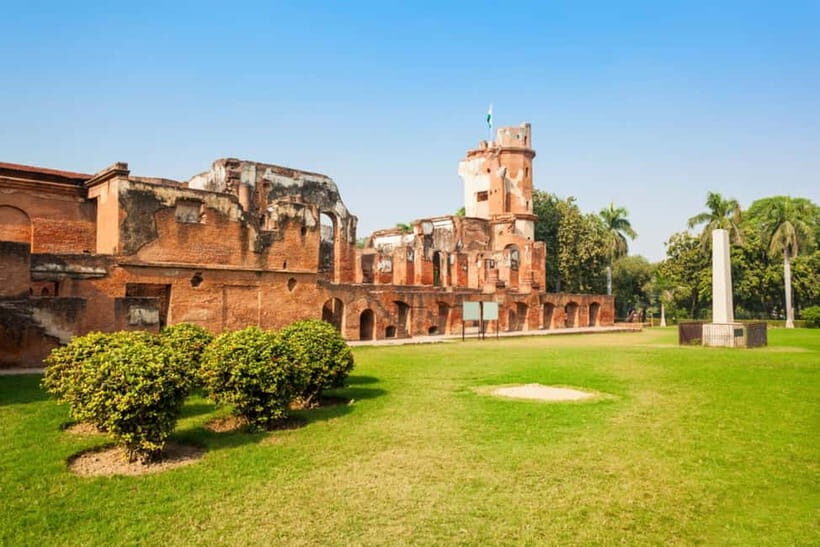
Lucknow can feel layered even when you’re not looking for it. This tour is smart because it doesn’t just point at buildings and move on. It connects visual clues—like Gothic church details, British-era layouts, and Mughal-influenced street design—to moments that changed the city.
And because it’s a walking format, you get that “stop, look, understand” rhythm. Your brain keeps switching gears: worship and architecture, then wartime damage and memory, then daily life in a market where old design still shapes how people move.
The whole tour is designed to be teachable. You get an English/Hindi live guide, plus insider-style nudges on how to experience the city like a local—usually that means small side lanes, quick context, and practical suggestions that you wouldn’t notice on your own.
You can also read our reviews of more walking tours in Lucknow



St. Joseph’s Cathedral: Gothic revival spires and a calm start
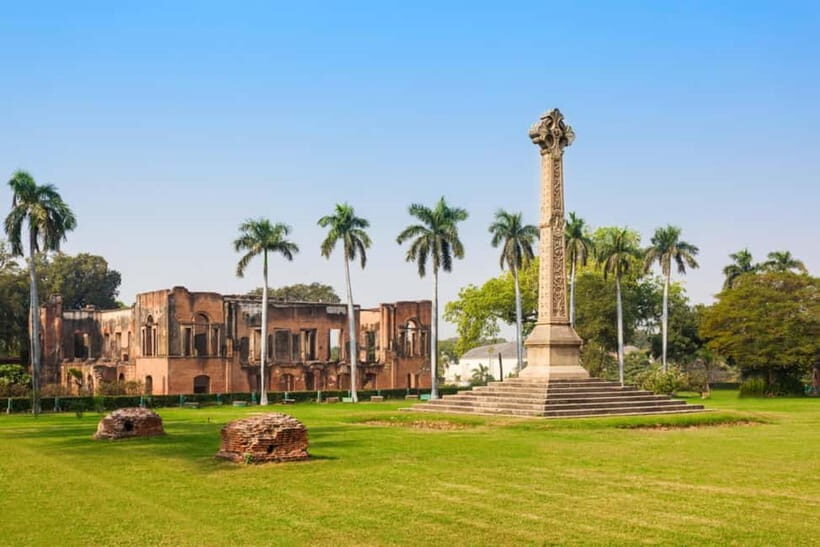
You meet at the entrance of St. Joseph’s Cathedral Church, right in the middle of the action. The start matters. You begin in a place that’s still active, not just a museum shell. That changes the vibe instantly. Instead of treating the buildings as props, you’re seeing a living cultural site.
What I like about this opening stop is the architecture focus. The cathedral is described as Gothic revival, with towering spires that give it a strong silhouette. As you look up, your guide can explain what makes Gothic revival distinct—think of the shape language and the way the design signals European influence.
Practically, it’s also a good “orientation” moment. After you meet, you get bearings fast: where you are, what style you’re about to see, and what kind of stories the guide is going to tell. It’s easier to follow the rest of the walk once you understand the first visual reference point.
Small tip: bring sunglasses and sunscreen. Even though the tour includes a leafy walking section afterward, Lucknow sun can be unforgiving. Water helps too—your guide will keep you moving, and you don’t want to run out of energy halfway.
The Residency ruins: where the 1857 rebellion becomes visible
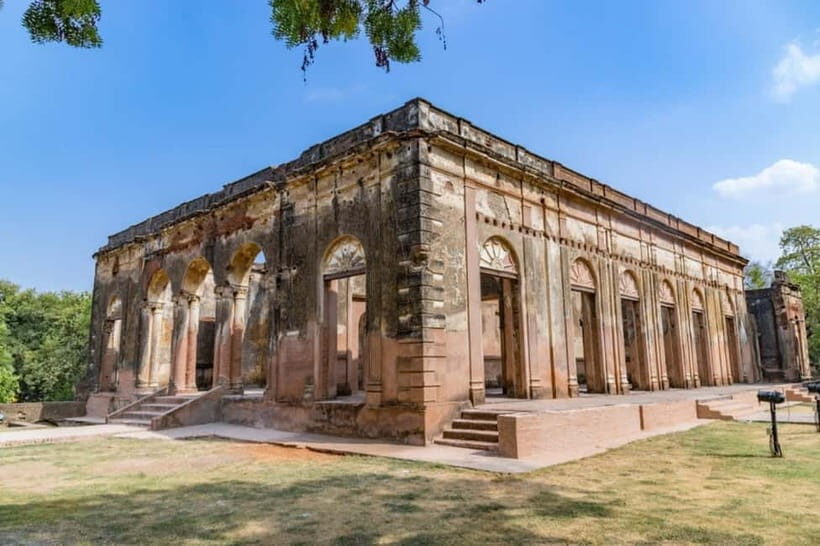
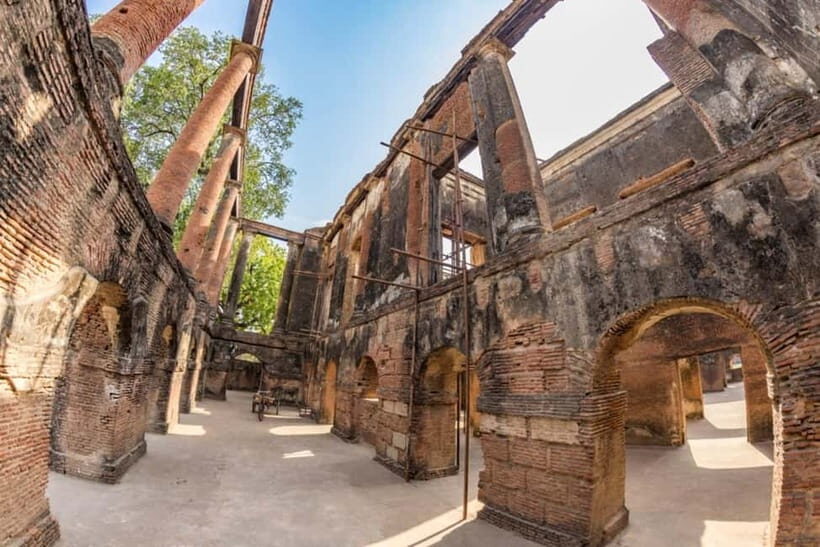
From the cathedral, the route shifts into the leafy lanes toward The Residency, a large colonial complex tied to the 1857 Indian Rebellion. This is the emotional center of the tour, and it’s handled best on foot because the scale of the ruin and the surrounding layout become part of the story.
Here’s what to expect on-site: you’ll be walking around crumbling walls and looking at bullet-marked facades. That’s not just a photo-op detail. Those marks are the kind of evidence that makes your guide’s explanation feel grounded instead of abstract.
Your guide should bring the siege to life as the defining chapter of India’s First War of Independence. Even if you already know the broad history, it helps to see a specific physical place tied to it. The layout you walk through turns into a mental map: where conflict happened, how people might have held positions, and why this site became a symbol.
One consideration: ruins can be uneven underfoot. The tour doesn’t advertise any special surfaces or accessibility aids, and the activity info calls out walking. So you’ll want proper traction, not sandals with weak grip.
If you’re the type who likes history explained through real locations, this stop is the payoff. If you prefer purely scenic walks, you may find yourself paying more attention to the story than the view—and that’s the point.
Hazratganj Market: Mughal grace meets British refinement
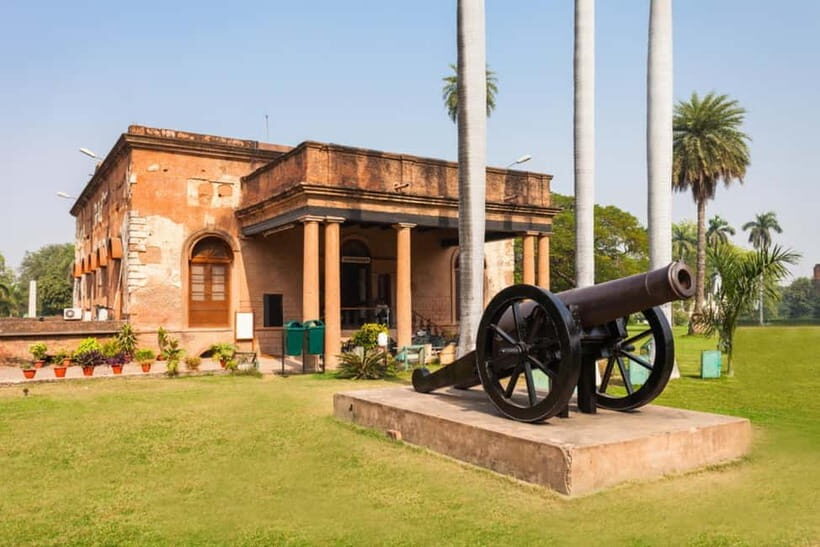
After the heavier stop at The Residency, you shift into a more everyday space: Hazratganj Market. This is a smart ending, because it shows how historical influence keeps working long after the big events are over.
What makes Hazratganj an important final stop is how it shows blended influences. You’ll see arcaded walkways, Victorian-style street lamps, and a setting rooted in Mughal-era design. That mix is the theme of Lucknow itself, and the guide ties it into the colonial-era order that the British added.
What I appreciate here is the contrast. The market is not staged. It’s where people shop, browse, and eat on normal schedules. The tour describes colonial-style buildings lining the area, now housing contemporary shops and cafés. So you get a “then and now” effect without leaving daily life behind.
If you want practical value, Hazratganj is a great place for it because it’s an active hub. Even though meals and drinks are not included, the tour ending here gives you an easy plan for what to do next—pick a café or shop nearby while the history is still fresh in your head.
Quick practical nudge: cash is recommended. Markets often move faster when you’re not hunting for card machines.
How long it really takes, and what your pace should be
The tour runs for 2 hours with a small group limited to 10 participants. That’s a solid length for a heritage walk: long enough to cover three meaningful zones, short enough that you’re not exhausted if you’re also sightseeing elsewhere later.
Since there’s no pickup or drop, plan to get to St. Joseph’s Cathedral Church on time. Meeting late can throw off the whole group, and the tour starts right at the entrance.
Wear comfortable shoes. You’re walking between sites, and one stop involves ruins, so your feet do the job here. Sunglasses and sun hats are listed for a reason. Also, bring water; it’s easy to underestimate how thirsty you get when you’re listening and walking.
About group dynamics: a small group is a real advantage on a story-heavy walk. You can ask follow-ups, and the guide can shape the conversation to your pace instead of rushing you through.
You can also read our reviews of more guided tours in Lucknow


Price and value: is $13 fair for a 2-hour heritage walk?
At $13 per person for a 2-hour guided walk, the price sits in the “easy to say yes” zone—especially when the tour includes live guidance in English and Hindi and covers multiple distinct stops. You’re paying for more than movement; you’re paying for interpretation: why Gothic revival shows up here, why The Residency matters, and how Hazratganj’s design reflects blended influences.
That said, here’s the practical value advice I give friends: double-check what you’ll actually pay at checkout. There’s an example of a mismatch between the advertised amount and what someone was charged in their booking flow, and the group-spot messaging also wasn’t what they expected. I can’t prevent booking hiccups, but you can reduce stress by confirming the final price and what the booking page says about your group size.
In plain terms: if you want architectural context plus the 1857 story in a tight schedule, the cost can feel like good value. If you’d rather read guidebooks at your own speed, you might not get your money’s worth.
The guide experience: stories, humor, and local pointers

The tour includes an English/Hindi speaking live guide plus “insider hacks” for experiencing the city like a local. The way that usually shows up on a walk like this is simple: the guide points out what to look at, explains the connections between stops, and adds practical color so you aren’t just staring at stone.
The guide also brings conversations and humor. And specific guide names have been mentioned as standout performers—Saadam for being very informative about Lucknow’s history and helping cover a good variety of locations in the two hours, and Vishal for storytelling and clear passion for the details.
That matters because Lucknow colonial history can sound dense if you’re reading it alone. A good guide turns it into sequences: architecture first, then conflict, then everyday life where design still matters.
If you want a smooth experience, come with one question in mind. Something like: What exactly links the Gothic cathedral style to the broader colonial presence here? Your guide will usually love that kind of prompt.
Etiquette and safety on this walk
You’ll do better if you treat the tour like a mix of heritage site and active public spaces.
The activity rules include:
- No weapons or sharp objects
- No short skirts (dress with respect at religious sites)
- No intoxication, alcohol, and drugs
Also, bring what’s listed:
- sunglasses, sun hat, camera
- sunscreen and water
- cash
And one more practical note: The tour involves walking through historical sites, so plan for uneven ground and more sun than you might expect. If you’re sensitive to heat or walking discomfort, you’ll enjoy it more with proper hydration and shade breaks when your guide pauses.
Should you book this Lucknow Colonial Heritage Walk by Foot?
Book it if you want a focused two-hour outing that combines architecture you can see with history you can understand. It’s especially worth it if you enjoy places where different eras overlap—cathedral to rebellion site to market—without needing a car or a full-day plan.
Pass or think twice if you’re not up for walking or if you’re looking for something purely casual. It isn’t marketed as an easy stroll, and it isn’t suitable for pregnant women.
If you do book, go in ready to look up at details, listen closely at The Residency, and finish in Hazratganj with a practical plan for what to do after the tour. That last part is one of the smartest ways to make the history stick: connect what you learned to what you’ll see while you keep moving.
FAQ
Where does the tour start?
You meet at the entrance of St. Joseph Cathedral Church. Arrive on time to avoid delays starting the tour.
How long is the Lucknow Colonial Heritage Walk?
The tour lasts 2 hours.
What is the group size?
It’s a small group limited to 10 participants.
What languages are the guides?
The live tour guide speaks English and Hindi.
Is pickup or drop-off included?
No. Pickup and drop are not included.
Are meals or drinks included?
No. Meals and drinks are not included.
What should I bring?
Bring sunglasses, a sun hat, a camera, sunscreen, water, and cash.
What is not allowed during the tour?
The tour rules say no weapons or sharp objects, no short skirts, and no intoxication or alcohol/drugs.
Is it suitable for everyone?
No. It is not suitable for pregnant women. The tour includes walking through historical sites.