REVIEW · NEW DELHI
Learn 5-6 & Eat 9-10 Veg & Non-Veg Authentic Dish in a Delhi Home
Book on Viator →Bookable on Viator
A Delhi dinner can teach you a lot.
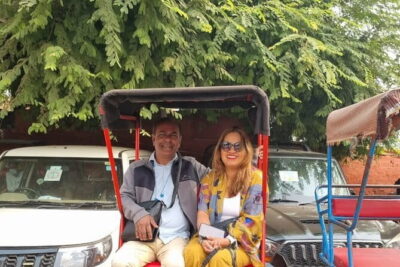
This private cooking class happens in a local family home in New Delhi, guided by hosts Malika and Anurag, with time to talk about food and everyday life as you cook. You’ll learn 5-6 dishes and taste 9-10 classic Indian items, including breads and dessert. One thing to think about: while hotel transfers are mentioned, private transportation isn’t listed as included—so you should confirm how you’ll get from your hotel to the meeting point in Dwarka.
I especially like the fact that the menu can be shaped around real dietary needs.
In a Diwali-themed dinner, Malika reportedly customized everything for a pescatarian guest, including an egg curry that became a highlight.
If you want a cooking class that feels personal (not like a demo), this is built for you.
The experience runs about 7 hours and returns you to the start point, so it’s a solid afternoon-to-evening plan.
In This Review
- Key highlights to know before you go
- Family-home cooking in Dwarka: what you’re really signing up for
- Meeting at 3:00 pm and settling in with masala tea + street snacks
- The hands-on cooking phase: 5-6 dishes you’ll make at your pace
- Tasting 9-10 dishes: from breads to dessert, not just one curry
- Dinner focus: curry, kebab, naan, biryani, and a homemade dessert
- Conversations that go beyond recipes
- Price and value: is $120 per person worth it?
- Who should book this cooking class (and who might not)
- Should you book this Delhi home cooking class?
- FAQ
- What time does the cooking class start?
- How long is the experience?
- Is this a private experience?
- What food is included for snacks and dinner?
- Do I learn and taste multiple dishes?
- Can I get a full refund if I cancel?
Key highlights to know before you go
- Family-home setting with real hosts: Malika and Anurag cook with you, not at you.
- Learn 5-6, eat 9-10: You get both hands-on practice and a serious tasting lineup.
- Start with masala tea or coffee + street snacks: Chaat-style bites and dahi bhalla set the tone fast.
- Bread, rice, curry, kebabs, and dessert: It’s not just one dish you master—it’s a full meal.
- Food talk comes with the cooking: You’ll hear how food connects to Indian occasions and regions.
- Private group experience: Only your group participates, so questions don’t get lost.
Family-home cooking in Dwarka: what you’re really signing up for
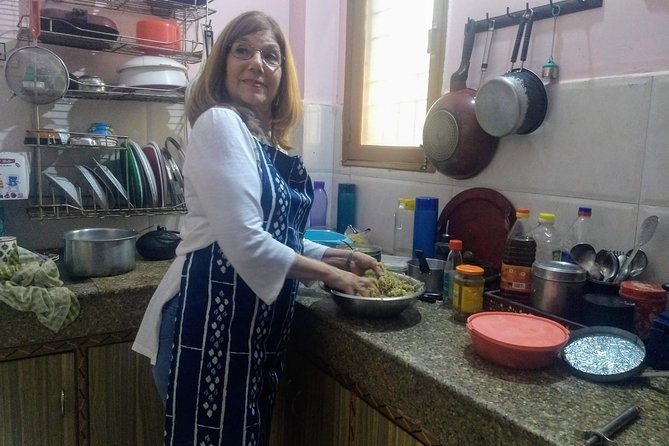
This tour is less about collecting Instagram moments and more about learning how Indian food comes together day-to-day. You’re cooking in a family home with a private team, which changes the vibe immediately. The kitchen feels like a working kitchen, with a host who can explain step-by-step what matters—spices, texture, timing, and how to adjust as you go.
I like that the structure is “learn, taste, eat,” rather than “watch, then leave.” You’ll get hands-on practice and then sit down for dinner with what you’ve made (plus a few more hits from the menu). It’s especially good if you’re a kitchen beginner. The guidance is meant to make the process repeatable at home, not just impressive for one night.
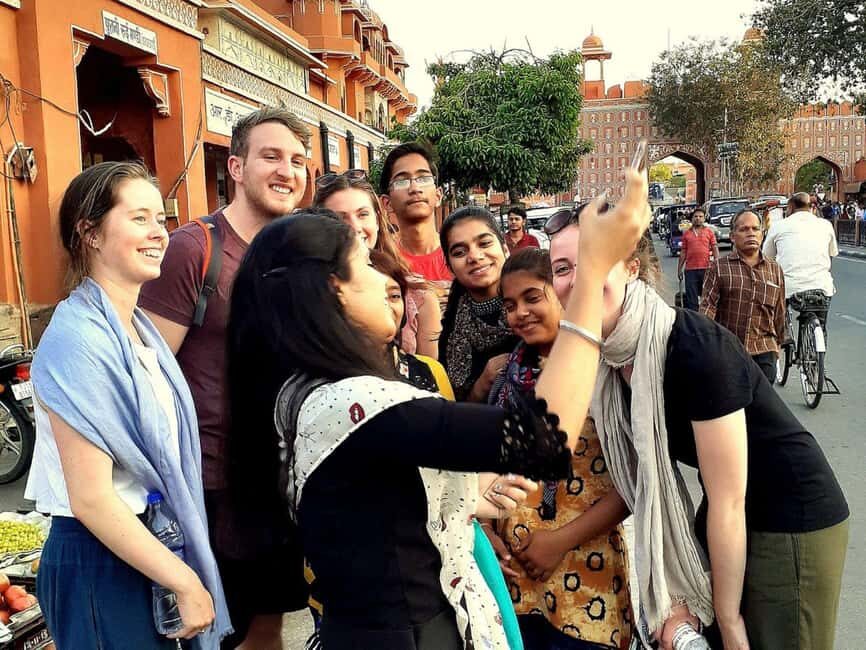
The hosts are described as two adults from distinct cultures, traditions, and faiths living harmoniously together—and that comes through in how the evening is paced. Expect more conversation than a typical cooking school, including personal stories and a discussion of how food fits into occasions across India.
The setting does come with one practical tradeoff: this is in Dwarka (near the start point in Nishat Park, Sector 15). If you’re staying far from there, your biggest planning job will be figuring out the transport route.
Meeting at 3:00 pm and settling in with masala tea + street snacks
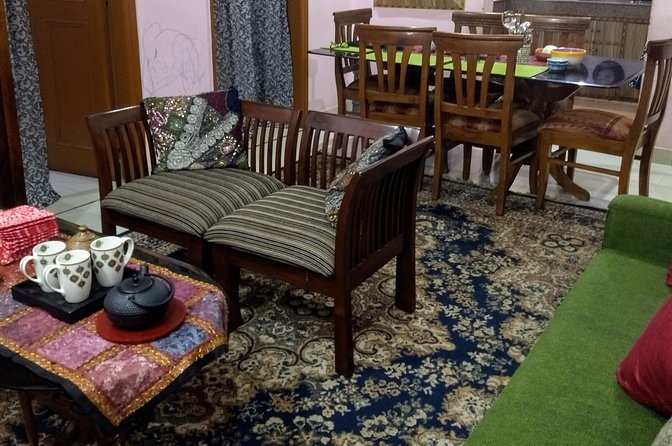
You start at 3:00 pm at Nishat Park, Sector 15 Dwarka, Dwarka, Delhi. After you arrive, there’s an introductory chat right away—good for setting expectations and helping you choose how hands-on you want to be.
Before the cooking really begins, you’ll have your choice of masala tea, coffee, or another traditional Indian drink. You’ll also get two snack-style starters:
- Mix vegetable pakora
- Street-style bites like chaat with green sauce
- Dahi bhalla
This matters because it frames the lesson. Indian cooking isn’t only about curry and heat—it’s about balance: crunch against creamy, tang against spice, and cooling ingredients that let richer flavors land without overwhelming your palate.
And if you’re the type who likes to taste first, this is a win. You can spend the snack portion noticing flavors and textures you’ll later learn how to recreate.
The hands-on cooking phase: 5-6 dishes you’ll make at your pace
The core lesson runs about 6 hours (the full tour is listed as approximately 7 hours). You’ll be actively participating, and the hosts explain what you’re doing as you do it.
You can expect to learn typical Indian foods such as:
- Curry-style dishes
- Lentils
- Kebabs
- Plus essentials like bread and rice
- And a homemade dessert
Here’s what makes this part genuinely useful for you: the experience is designed for you to recreate the dishes at home, not just finish a meal. In a well-run home kitchen, that usually means you’ll pay attention to the “why,” not only the steps—like how consistency changes when lentils thicken, or how marination and heat affect kebab texture.
The hosts also work at your pace. Because it’s private, you’re not stuck keeping up with a large class. If you want to ask why something smells different after one step, you’ll likely get a real answer—not a rushed one.
One more detail that feels practical: Malika is described as preparing in advance and asking what dishes you want to try, and whether you have restrictions. That suggests you’re not forced into a one-size menu if your diet needs adjustments.
Tasting 9-10 dishes: from breads to dessert, not just one curry
A big part of the value here is that you don’t stop at what you cook. You’ll taste at least 10 different dishes, including:
- Breads
- Curry and lentil items
- Meat dishes and non-veg options
- And dessert
Think of it like this: you’re learning a handful of skills in the kitchen, but you’re calibrating your palate for the full meal experience. Indian food is a system. You need the bread to understand how sauces work. You need the rice to understand how spice levels feel in context. You need dessert to understand how sweetness and spice can play nicely together.
If you’re curious about how Indian meals are built—how you go from starters to main dishes to dessert—this tasting lineup is the quickest way to see the pattern. And because it’s a home setting, the food often feels more “made for sharing” than “served for the course.”
Dinner focus: curry, kebab, naan, biryani, and a homemade dessert
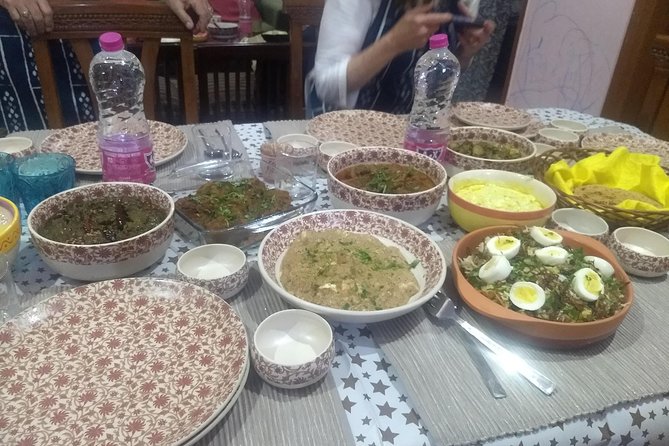
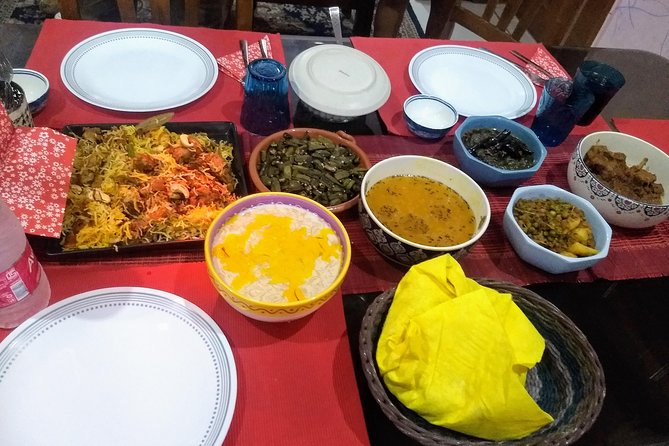
Dinner is included and has a clear set of choices. You’ll get:
- Chicken or mutton curry (you choose one of the options listed)
- Tikka or kebab (again, you’ll get one of those options)
- Lentil dish
- Dry vegetable with cottage cheese
- Mutton or chicken biryani
- Naan
- Homemade dessert
Even if you’re not the person who loves cooking, this dinner set is a solid reason to book. It covers the main “anchors” of many North Indian meals: a curry, a grain dish (biryani), bread, a protein-forward savory item (tikka/kebab), and a lentil element for depth. Then you finish with dessert.
And if you’re someone who avoids certain foods, pay attention to what’s described in the experience notes and guest feedback: Malika has reportedly asked about restrictions ahead of time and customized the menu accordingly. In one case, a pescatarian guest received a fully customized menu, including an egg curry that stood out.
So if you’re flexible on how the menu is mapped, you’ll likely get a version that still feels like you’re in the same Indian meal ecosystem.
Conversations that go beyond recipes
This isn’t only about technique. You’ll spend time talking beyond the kitchen with your hosts—sharing personal stories and learning how food connects to local life.
A few things you can expect:
- Meaningful conversation about customs and traditions
- Discussion of how food relates to Indian occasions and regions
- Seeing day-to-day hospitality in a home setting
That might sound abstract, but it helps you understand why the cooking works the way it does. Recipes travel easily across countries, but context doesn’t. When you understand what a dish is meant to do in a meal—cool the palate, add tang, build a richer base, balance spice—you’ll be more successful cooking it later.
It’s also just nice. Cooking classes can feel transactional. Here, the tone is more like spending an evening with people who genuinely enjoy feeding others.
Price and value: is $120 per person worth it?
At $120 per person, you’re paying for a private, home-based cooking evening that includes a full menu. That’s not a cheap price in Delhi terms, but it’s also not a typical “street food tour” where you just eat and leave.
What you’re getting for the money:
- A private experience with your own group
- A full afternoon-to-evening time block (about 7 hours)
- Masala tea/coffee plus snack starters
- Active cooking instruction by local chefs in a family kitchen
- Tasting 9-10 dishes
- A full dinner with curry, kebab/tikka, biryani, naan, and dessert
If you compare it to paying for restaurant meals plus cooking lessons somewhere else, the math often improves—because the price includes both the meal and the teaching. The real question for you is whether you want to learn. If you just want to eat, you might find cheaper ways to get Indian food. If you want to leave with skills and a palate for how the parts fit together, this price starts to look fair.
Who should book this cooking class (and who might not)
Book this if:
- You want an authentic home-cooking experience in Delhi, not a commercial demo
- You’re curious about both vegetarian and non-vegetarian Indian cooking
- You want hands-on practice even if you’re new to the kitchen
- You like food conversation and want context behind dishes
- You have dietary restrictions and want the menu discussed in advance
You might reconsider if:
- You want a tightly timed schedule with zero travel planning. The meeting point is in Dwarka, and transport details aren’t presented the same way as a fully included hotel pickup in the notes you provided.
- You only care about one or two dishes. This experience is built as a full meal learning-and-tasting event.
Should you book this Delhi home cooking class?
Yes, if you want a meaningful cooking evening that ends with a real meal and actual skills you can reuse. The standout strength is the combination of private instruction, a full tasting lineup, and dinner that covers curry, kebabs/tikka, biryani, bread, and dessert. Add in the host attention—Malika asking about what you want to try and whether you have restrictions—and this becomes a good bet for many diets, not just “standard” menus.
Before you book, do one simple thing: confirm how your transport will work from your hotel to the Dwarka meeting point. Once that’s clear, you’re set for a very local, very food-centered evening.
FAQ
What time does the cooking class start?
The experience starts at 3:00 pm at Nishat Park, Sector 15 Dwarka, Dwarka, Delhi, India.
How long is the experience?
It runs for about 7 hours (with the cooking class itself described as approximately 6 hours).
Is this a private experience?
Yes. It’s listed as a private tour/activity, so only your group participates.
What food is included for snacks and dinner?
You get snacks and drinks at the start, including masala tea/coffee and items such as mix vegetable pakora, chaat with green sauce, and dahi bhalla. Dinner includes options like chicken or mutton curry, tikka or kebab, lentil, dry vegetable with cottage cheese, biryani (mutton or chicken), naan, and a homemade dessert.
Do I learn and taste multiple dishes?
Yes. You’ll learn 5-6 dishes and taste at least 9-10 dishes, including breads and dessert.
Can I get a full refund if I cancel?
Yes. You can cancel for a full refund if you cancel at least 24 hours before the experience’s start time. If you cancel within 24 hours of the start time, the amount paid is not refunded.