REVIEW · CITY TOURS
Culture and Heritage Walk | Pink City Jaipur
Book on Viator →Operated by Nomadic Tours India · Bookable on Viator
Jaipur feels different when you slow down.
This culture-and-heritage walk is built around how the city actually works—old lanes, living traditions, and market life that you’d miss if you only chase monuments. I like that you get outside looks at major landmarks (no rush-in crowds) and then spend real time in the bazaars where Jaipur’s crafts and daily habits show up. Two things I especially like are the market-first route and the focus on legendary sweets and snack stops. One possible drawback: it’s still a walking tour for about 3 hours, so if you hate crowds or lots of street-level walking, plan carefully.
I also like the way the experience mixes architecture with practical shopping knowledge. You’ll get the story behind places like Hawa Mahal, then turn that context into understanding why specific bazaar products matter—antiques, metal items used for worship, and jewelry tied to Jaipur’s economy.
Another consideration: you’ll be outside most of the time, so weather and sunlight matter. Jaipur can be hot, and the tour’s best rhythm depends on you being comfortable moving at street pace.
In This Review
- Key highlights worth planning for
- Entering Pink City with a market-first mindset
- Meeting at Golcha Cinema: where the walk truly starts
- Hawa Mahal from the street: wind palace context without the hassle
- Bapu Bazar: the crafts and products that keep arriving
- Tripolia Bazar next to the Wind Palace: antiques, tools, and worship metal
- Johri Bazaar: jewelry as a long-running engine of Jaipur
- Snacks, sweets, and tea breaks that feel local
- Why the guides matter: stories that connect streets to meaning
- Photo timing and pace: how to keep the walk enjoyable
- Price and value: what $20 buys you in the Pink City
- Who should book this walk in Jaipur
- Quick tips so you get the most out of it
- Should you book Culture and Heritage Walk in Pink City Jaipur?
- FAQ
- How long is the Pink City Jaipur Culture and Heritage Walk?
- What does the tour focus on?
- Do I see Hawa Mahal from the outside only?
- Is there an entry ticket cost for the stops?
- Where is the meeting point?
- How many people are in the group?
- Is a mobile ticket used?
- What happens if weather is bad?
- Is free cancellation available?
Key highlights worth planning for
- Small group (max 10), which makes it easier to ask questions and get answers that actually fit what you’re seeing
- Hawa Mahal stop is outside only, with time for photos and quick context instead of a long queue detour
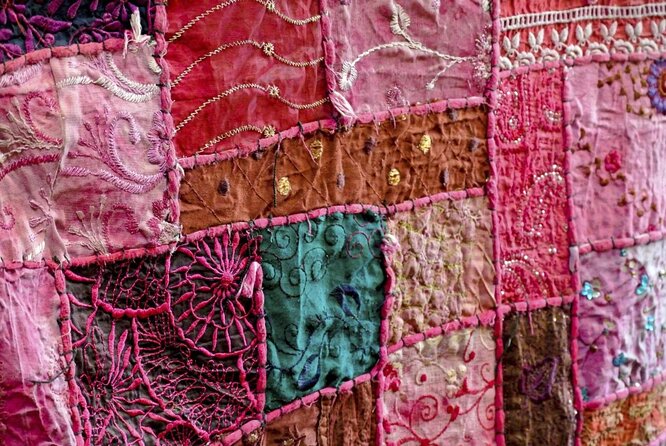
- Bapu Bazar and Tripolia Bazar spotlight old-school crafts like antiques, utensils, locks, and metal goods used in worship
- Johri Bazaar connects jewelry to Jaipur’s working economy, including how long this trade has shaped the city
- Snacks, sweets, and even tea stops are part of the route, not an afterthought
- Guides include names like Harshit, Deepak, Ayush, and Aayush, and the tour is led by a female guide
Entering Pink City with a market-first mindset
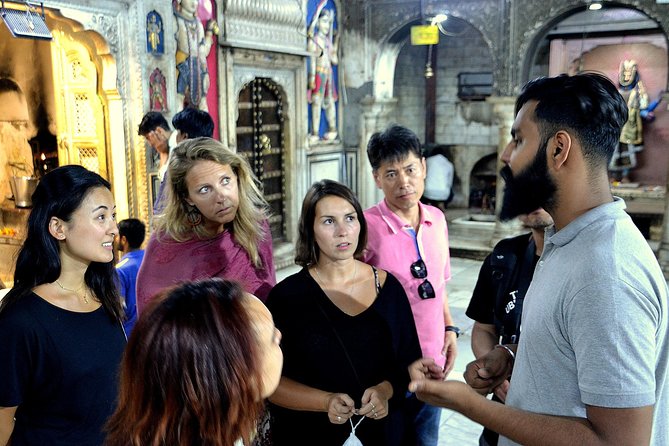
Jaipur has a lot of famous sights, but the real education comes from the streets between them. This walk doesn’t treat bazaars like a side quest. Instead, you use the markets to decode the city—what people buy, what people make, and what people value enough to keep doing for decades.
The idea is simple: you see architecture and then you see the human system that surrounds it. That’s why the route spends time in lanes connected to daily trade and ritual. You’ll also notice the pace stays human. You’re not doing monument-to-monument sprinting; you’re moving step by step and letting the city explain itself.
Meeting at Golcha Cinema: where the walk truly starts
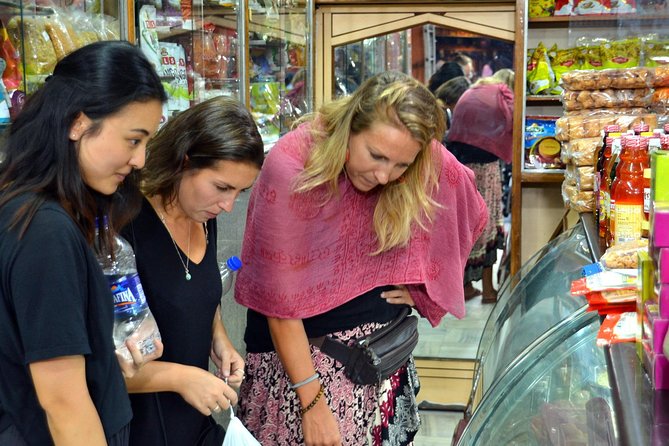
You start at Golcha Cinema on Chaura Rasta Road, near New Gate in Bapu Bazar. For navigation, that’s helpful because New Gate and Chaura Rasta are common reference points in the Pink City area. It also means you’re close to the same corridors that many people use to explore the old city on foot.
The tour ends back at the meeting point. That matters because it reduces the stress of figuring out how to reconnect with your afternoon plans. You walk, you eat, you learn, and you’re returned to your starting grid.
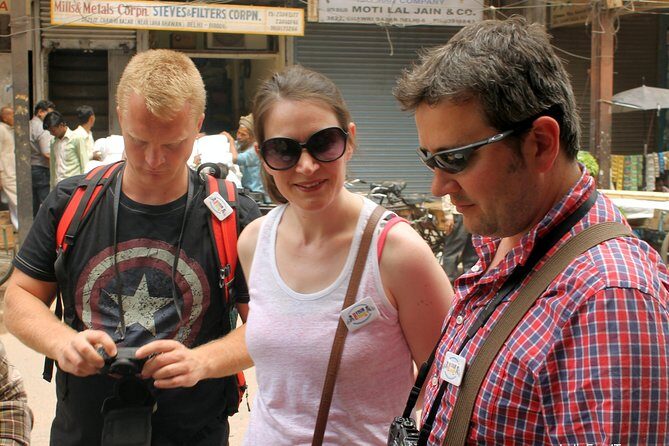
The group size is capped at 10 travelers, which is one of the quiet advantages here. In small groups, guides can actually steer you toward the right lanes without turning it into an accordion shuffle.
Hawa Mahal from the street: wind palace context without the hassle
You’ll see Hawa Mahal (Palace of Wind) from the outside and get just enough history to make the building make sense. This is not about climbing inside or spending a chunk of time on a ticket line. It’s about getting your eyes oriented first, then using that visual reference later as you move through the city’s trade and tradition.
Because it’s an outside stop, you can take photos without the usual frustration. You’ll also learn a bit of the story behind the monument before you head into markets where architecture meets craft. Even if you’ve seen images of Hawa Mahal already, seeing it in context helps you notice details more clearly: the way the facade relates to the surrounding streets, and why the “wind palace” idea fits Jaipur’s climate and street life.
Bapu Bazar: the crafts and products that keep arriving
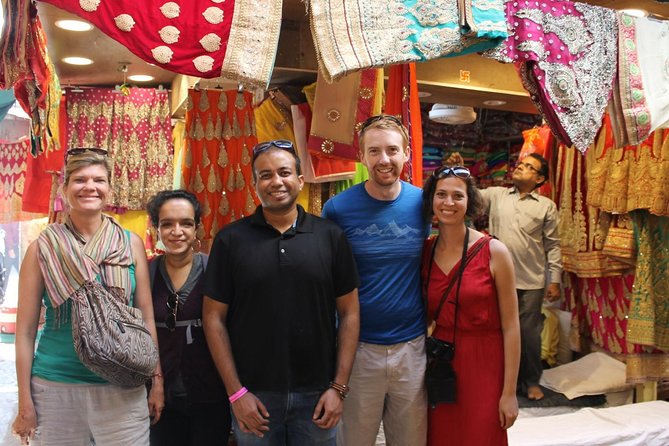
Bapu Bazar is where Jaipur’s commercial soul becomes visible. The stop is short, but it’s aimed at giving you a way to read what you see. You’ll look at products and art that are famous from Jaipur, plus items connected to villages nearby.
Why this works: markets can feel like visual noise unless someone helps you pick up patterns. Here, your guide points you toward things tied to the city’s identity—so you start recognizing categories instead of just scanning shop fronts.
This is also the kind of market stop that can make shopping easier later. Even if you don’t buy anything on this tour, you’ll walk away with a mental map of what Jaipur is known for and where the trade channels begin.
Tripolia Bazar next to the Wind Palace: antiques, tools, and worship metal
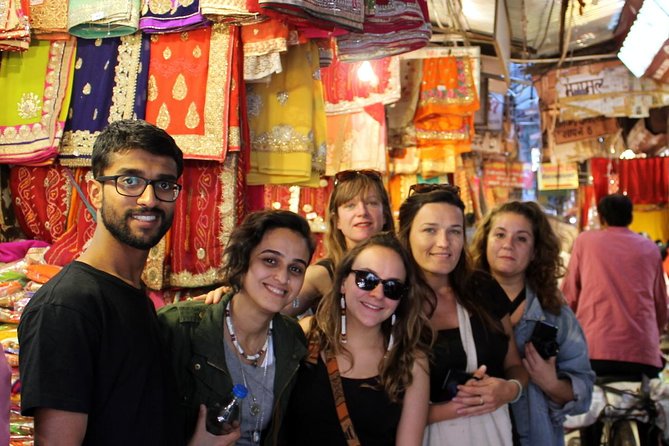
From Bapu Bazar, you continue to Tripolia Bazar, which sits next to the Wind Palace area. This market is known for antiques, utensils, locks, and metal products used in worship. That last part is important. You’re not only looking at objects; you’re seeing ritual materials that connect daily life to religious practice.
A good heritage walk doesn’t just point at items—it explains why certain trades cluster in certain places. Tripolia Bazar gives you that context. You’ll understand that metal goods and ritual tools aren’t random souvenirs. They’re functional items tied to ceremonies and household traditions.
The stop is around 15 minutes, so you won’t have time to wander for an hour on your own. But that’s part of the value. You get the “what this area is for” lesson, then you’re free to choose whether you want to linger on your own later.
Johri Bazaar: jewelry as a long-running engine of Jaipur
Johri Bazaar is next, and jewelry is the headline here. This market is described as one of the oldest sources of Jaipur’s economy, starting roughly 150 years ago. In other words, you’re standing in a place built on craft continuity.
The practical takeaway is this: jewelry isn’t just decorative. It’s a major historical industry that shaped Jaipur’s prosperity and why so many related trades formed and stuck around. When you connect that history to what you’re seeing in the shops, the whole market feels less like browsing and more like understanding a working city system.
Johri Bazaar is also a strong spot for questions. If you like learning how traditional crafts survive in a modern city, this is your moment. Even in a short time window, the guide’s framing helps you notice what makes one shop different from the next.
Snacks, sweets, and tea breaks that feel local
This experience is built around the kind of food stops that tell you something real about a place. It’s not just passing by street stalls. The walk is designed to include snacks and sweets from legendary shops—the kind that have been running for 50+ years—and story-driven tastings.
If you have a sweet tooth, this is where Jaipur turns practical. You’ll taste your way into why people keep returning to certain places. That also gives you a better memory than photos alone. You’ll remember flavors and the setting where you learned them, which is a solid way to understand the city.
Some versions of this walk also include a tea drinking stop in locations you likely wouldn’t find on your own. That kind of pause matters in hot weather and in active markets. It breaks the walking rhythm so you can keep your attention on details instead of just surviving.
Why the guides matter: stories that connect streets to meaning
Guiding quality is the difference between a normal walk and a good one, and this tour is clearly built around that. The route is led by a female guide, and names you might run into include Harshit, Deepak, Ayush, and Aayush.
What I like about the guide style (based on the way the experience is described) is the balance of facts and everyday relevance. You’ll get small, specific bits of information—details that don’t usually show up on a signboard. That’s also why people who book this as their first day in Jaipur often feel quickly oriented. The city stops feeling like a pile of monuments and starts feeling like a place with routines.
Guides also seem to know how to steer you toward spots that are hard to stumble upon alone—tight lanes and quieter corners that don’t show up in the first page of most itineraries.
Photo timing and pace: how to keep the walk enjoyable
This tour lasts about 3 hours. That’s long enough to cover a meaningful slice of the old city, but short enough that you’re not stuck all day in the same heat.
You’ll move through markets, get outside looks at a major landmark, and spend short bursts at each key area. The rhythm is more like a guided orientation walk than a long museum-style tour.
One practical trick: wear comfortable shoes with good grip. The old-city streets can be uneven, and you’ll spend time standing for photos near the monument area. If you’re traveling in hot weather, bring water and consider light sun protection. The experience is outdoors-heavy, so you’ll feel it if you arrive unprepared.
Price and value: what $20 buys you in the Pink City
At $20 per person, this is priced like a smart add-on rather than a luxury tour. For that money, you get:
- a guided 3-hour route focused on markets and architecture
- short stops that teach you what you’re looking at instead of letting you guess
- snacks/sweets tied to older shops
- small group size (max 10), which improves the experience quality
What makes it good value is the combination. Lots of tours will show you one temple or one bazaar. This one stitches them together into a single story: the city’s architecture, its crafts, its trade, and its food habits. Even if you don’t plan to buy much, you’re paying for orientation and for access to places and explanations you’d struggle to assemble alone.
Who should book this walk in Jaipur
This works best if you like:
- street life and markets
- learning why crafts exist where they do
- tasting local snacks and sweets as part of the day
- a smaller group pace with time to ask questions
It’s also a solid first-day activity. By the time you finish, you’ll understand how to navigate the old city’s logic and which areas match your interests.
If you prefer nonstop sightseeing, minimal walking, or a more formal museum vibe, you might feel this is too street-focused. But if you came to Jaipur to see real daily culture and not just landmark selfies, this tour fits.
Quick tips so you get the most out of it
- Bring comfy walking shoes. You’ll be on foot for hours.
- Expect street-level crowd energy in bazaars; plan to move with your guide.
- If you like taking photos, keep your camera ready near major viewpoints and monument exteriors.
- Keep some space in your appetite for sweets and snacks; the route is built around them.
- If you’re sensitive to heat, schedule it when daylight feels manageable and bring water.
Should you book Culture and Heritage Walk in Pink City Jaipur?
Book it if you want Jaipur to make sense fast. This is one of those experiences where the value isn’t in a single landmark—it’s in the connections between buildings, markets, craft trades, and food culture. The small group size helps, and the guide-led storytelling seems to be a major part of why people call it a highlight.
Skip it only if you dislike walking, hate busy market areas, or want a strictly monument-based day. Otherwise, this is a practical, local-feeling way to spend a few hours in the Pink City and leave with more than photos.
FAQ
How long is the Pink City Jaipur Culture and Heritage Walk?
The walk is about 3 hours.
What does the tour focus on?
It focuses on markets, products famous from Jaipur, snacks and sweets from well-known old city shops, and stories tied to architecture and daily life.
Do I see Hawa Mahal from the outside only?
Yes. Hawa Mahal is viewed from the outside with some history and time for pictures.
Is there an entry ticket cost for the stops?
The stops listed (including Hawa Mahal) are shown as free admission. The tour itself includes the activity experience.
Where is the meeting point?
You meet at Golcha Cinema, Chaura Rasta Rd, New Gate, Bapu Bazar, Pink City, Jaipur.
How many people are in the group?
The maximum group size is 10 travelers.
Is a mobile ticket used?
Yes, the tour uses a mobile ticket.
What happens if weather is bad?
The experience requires good weather. If it’s canceled due to poor weather, you’ll be offered another date or a full refund.
Is free cancellation available?
Yes. You can cancel up to 24 hours in advance for a full refund.