REVIEW · 7-DAY EXPERIENCES
7 Days Private Tour to New Delhi, Agra, and Jaipur
Book on Viator →Operated by Rajasthan Cab · Bookable on Viator
Golden Triangle tours are famous for a reason. This one pairs classic highlights with real-world pacing: guided stops across Delhi, Agra, and Jaipur, plus a mix of scheduled sights and breathing room to wander markets and snack along the way. I especially like the inclusion of a Taj Mahal sunrise visit, because it changes the whole mood of the day.
You’ll also appreciate the practical setup. The tour runs as a private experience with door-to-door transportation in an air-conditioned vehicle, and you’re met on arrival at Indira Gandhi International Airport. One possible drawback: sunrise at the Taj means an early wake-up, so if you hate mornings, you’ll feel it.
Over the week, you’ll see the “greatest hits” of North India architecture and street life—Red Fort and Jama Masjid in Old Delhi, Mughal-era Humayun’s Tomb and Qutub Minar, Agra’s forts and marble wonders, then Jaipur’s palaces, observatory, and museums. It’s a lot, but it’s also structured so you’re not guessing your way through traffic and ticket lines.
In This Review
- Key highlights you’ll care about
- Private Golden Triangle Route: Delhi to Agra to Jaipur in 7 Days
- Day 1 in Delhi: Airport pickup and getting settled fast
- Old Delhi and New Delhi essentials: Red Fort, Jama Masjid, Chandni Chowk, India Gate
- Qutub Minar, Humayun’s Tomb, and Lotus Temple: Delhi’s spiritual and architectural range
- The Agra drive and the fort start: moving to the Taj without stress
- Taj Mahal twice: sunrise mood plus daytime clarity
- Jaipur palace architecture: Jal Mahal, Hawa Mahal, City Palace, and the views game
- Jantar Mantar and Albert Hall Museum: your “measure time” and “see artifacts” break
- Day 6 transfer back to New Delhi: use the time wisely
- Price and what’s actually included (plus ticket reality checks)
- The drivers and service vibe: clean cars, punctual help, and flexibility
- Who should book this tour, and who might prefer DIY
- Should you book this 7-day private Golden Triangle tour?
- FAQ
- How long is the tour?
- Where does the tour start and end?
- What cities are included in the Golden Triangle?
- Is airport pickup provided?
- Are meals included?
- Are monument entrance fees included?
- Is this a private tour?
- Can I cancel for a full refund?
Key highlights you’ll care about
- Airport meet-and-greet with hotel transfer so you start Day 1 with your head on straight
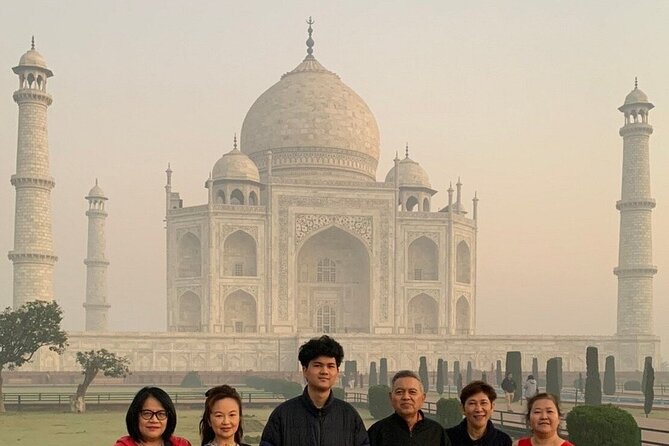
- Taj Mahal at sunrise plus a regular Taj visit later, giving you two very different experiences
- Old Delhi street time at Chandni Chowk for shopping and people-watching without the stress of navigation
- Big-hitter monuments in each city with a guide to explain what you’re seeing
- Comfortable private transport on the long road stretches between Delhi, Agra, and Jaipur
- Flexibility signals from past service: drivers have been praised for helpful recommendations and calm organization
Private Golden Triangle Route: Delhi to Agra to Jaipur in 7 Days
This tour is built around the classic triangle—Delhi, Agra, Jaipur—but what makes it work is the private structure. You’re not sharing a bus with strangers who need ten bathroom breaks and five snack debates. Instead, you move city to city with your own driver and a professional guide for the sightseeing blocks.
The pacing is also sensible for a first-time Golden Triangle trip. You get full sightseeing days, then travel days that feel purposeful rather than chaotic. Yes, there are long road segments (this is India, after all), but the schedule uses those drives to connect major landmarks efficiently.
You’re also getting a mix of “look and learn” stops and “wander and taste” time. That matters because the Golden Triangle isn’t just monuments. It’s the living texture of bazaars, mosque courtyards, palace gates, and the everyday rhythm of each city.
Day 1 in Delhi: Airport pickup and getting settled fast
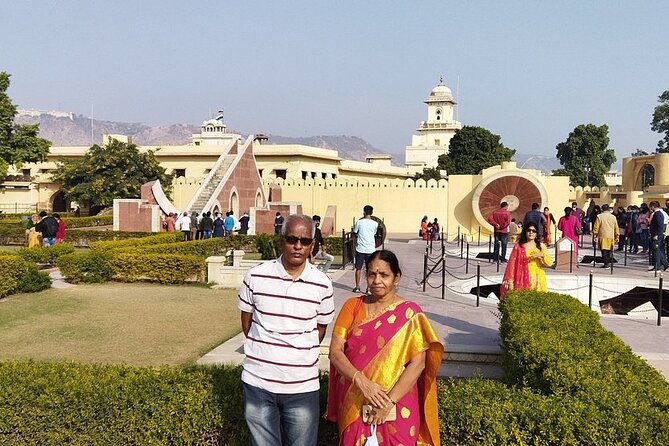
Your trip starts at Indira Gandhi International Airport, where a representative meets you and escorts you to the pre-booked hotel. You check in, get oriented, and then you’re not stuck trying to sort out taxis, SIM cards, and directions after a flight.
This first day is short on sightseeing in your schedule, and that’s a good thing. Delhi can drain you on arrival—airports are busy, and jet lag adds up. Using Day 1 for check-in and rest helps you actually enjoy the sights you’ll hit on Day 2.
If you want to use the first evening well, I’d plan something simple: a short walk nearby, a casual dinner, and an early night. You’ll thank yourself for the next morning’s big Delhi day.
Old Delhi and New Delhi essentials: Red Fort, Jama Masjid, Chandni Chowk, India Gate
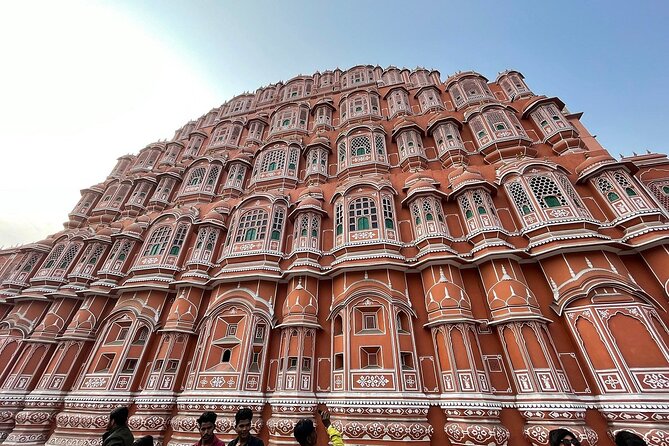
Day 2 is a greatest-hits tour of Delhi, and it starts with Old Delhi’s Mughal power and street energy.
- Red Fort: You’ll see one of the Mughal emperor’s most iconic statements in stone. Plan your photos early; the lighting can shift quickly as the day warms up.
- Jama Masjid: This is India’s largest mosque. The scale is part of the awe—up to 25,000 devotees can gather at a time. It’s not only about the architecture; it’s about understanding how a place like this functions in daily life.
- Chandni Chowk: This is the market heart of Old Delhi, famous for narrow lanes and dense shopfronts. It’s one of the best spots for affordable browsing, snacks, and that classic India street feeling—just keep your pace slow and your bag secured.
- India Gate: A memorial built in 1931 for martyrs of World War I, with gardens lined along Rajpath nearby. Even when you’re not there for history, it’s a good decompression stop.
One detail to know: access around Rashtrapati Bhawan (the President of India’s residence) is restricted. You’ll still get to pass through the area contextually, but don’t count on a close-up.
On this day, wear shoes you can walk in for hours. Delhi’s sights stack up fast, and you’ll spend more time moving than you think.
Qutub Minar, Humayun’s Tomb, and Lotus Temple: Delhi’s spiritual and architectural range
Day 2 continues with a strong “how Delhi changed over time” theme—Sultanate-era architecture, Mughal funerary design, and then a modern temple concept.
- Qutub Minar: Towering at about 73 meters, it’s a five-story brick minaret with carved details and scriptures. Even if you’ve seen it in photos, the scale feels different in person.
- Humayun’s Tomb: UNESCO-listed and built in 1570 by Humayun’s wife, Haji Begum. You’ll notice why the Taj Mahal often gets compared to Mughal garden-tomb design—there are clear visual roots.
- Lotus Temple: Known for its flower-like shape and its message of shared worship space. It symbolizes four religions—Hinduism, Jainism, Buddhism, and Islam—under the Bahá’í faith.
You’ll also stop at Birla Mandir (Lakshmi Narayan), a shrine built by the Birla family and dedicated to Laxminarayan. It’s smaller than the headline monuments, but it adds a different feel to the day—more calm, more local.
If you like your sightseeing to feel varied, this half-day-to-evening stretch helps. If you get monument fatigue easily, take short pauses when you can. Delhi doesn’t slow down for anyone.
The Agra drive and the fort start: moving to the Taj without stress
Day 3 shifts gears with a road trip to Agra—about 250 km and roughly 5 hours of travel. That time on the road is the trade-off for seeing the Golden Triangle. The good news is that you’re doing it privately, with an air-conditioned vehicle and an organized plan on arrival.
Once you reach Agra, the day focuses on:
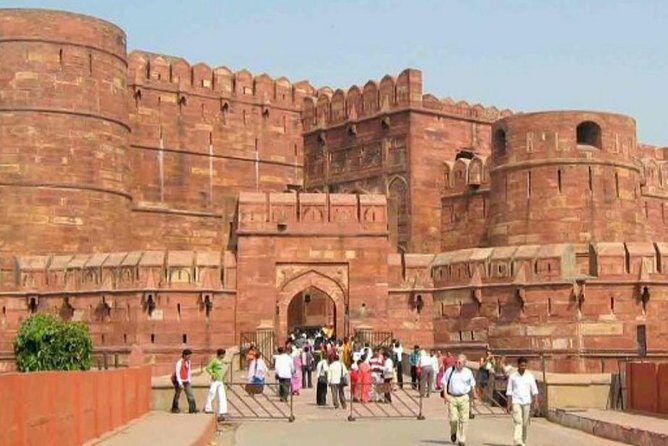
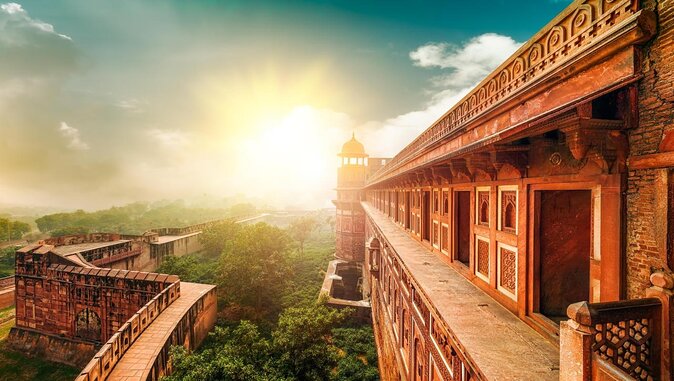
- Agra Fort: a major fortress site that sets the “power center” context for why Agra mattered. It also helps you transition from Delhi’s imperial story to Agra’s marble era.
- Taj Mahal: the classic first look. You’ll still want to manage expectations here—this is famous for a reason, but it’s also the busiest monument in the country.
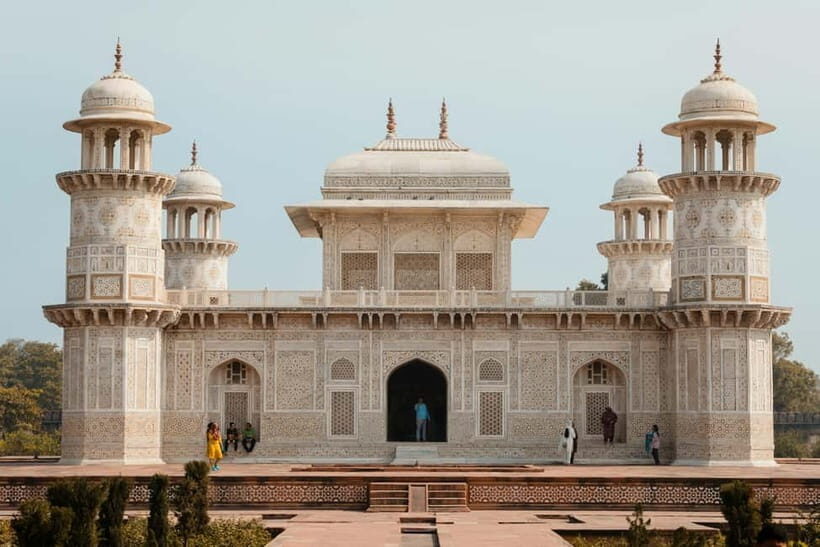
- Itmad-ud-Daula: a beautiful tomb on the banks of the Yamuna, often viewed as a “fore-runner” in marble and inlay style. Even if you don’t remember every detail, you’ll likely remember the craftsmanship.
I like this combination because it prevents the Taj from being the whole story. You get forts, tomb design, and setting—so the Taj doesn’t feel like a stand-alone postcard.
Taj Mahal twice: sunrise mood plus daytime clarity
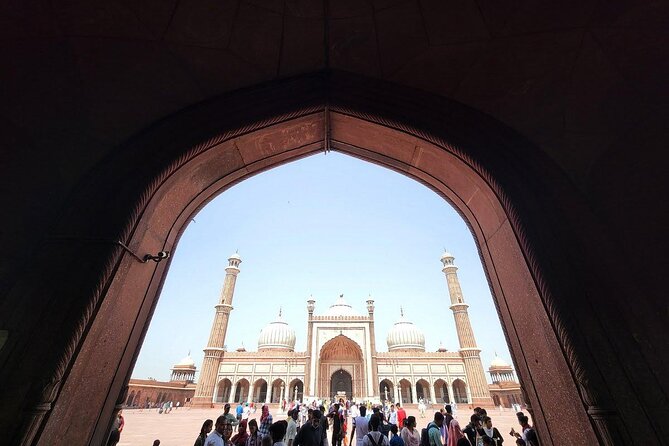
Day 4 is built around the Taj experience in a way that’s hard to replicate on your own: sunrise in the morning.
The schedule calls for getting up early for the Taj Mahal sunrise tour. That timing is the reason many people think the Taj feels different than expected. At sunrise, the marble can look softer, and the crowds (usually) feel more manageable. If you’re the type who needs sleep, you’ll have to decide whether the payoff is worth it. For me, sunrise is the one “do it if you can” moment in this whole itinerary.
After sunrise, the day includes:
- Fatehpur Sikri: about 40 km from Agra, a fortified city founded in 1571 by Emperor Akbar. It was an imperial capital for about 15 years, and even now you can feel the “planned city” layout. The opening hours listed go from 6:00 AM to 6:00 PM, so you have a full window to explore at a steady pace.
- Then you move on to Jaipur, about 240 km and roughly 4 hours of travel.
This day is a classic “big sights + big travel” mix. The key is that it’s organized, so you’re not waiting around wondering what comes next.
Jaipur palace architecture: Jal Mahal, Hawa Mahal, City Palace, and the views game
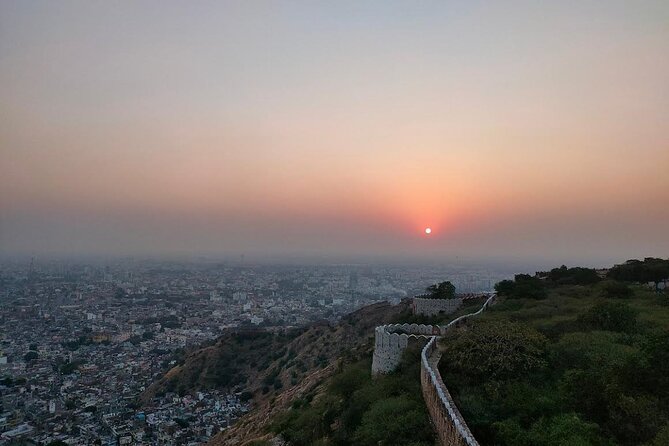
Once you arrive in Jaipur, the sightseeing is tightly focused on architecture and palace culture.
- Jal Mahal: a five-storied palace sitting in the middle of Man Sagar Lake. Even if you can’t see every detail from the road, it works as a visual pause in the schedule—less walking than some of the bigger monuments.
- Hawa Mahal (Palace of Wind): a five-storied structure built in 1799 with red and pink sandstone, famous for its 953 small windows. The windows aren’t just decoration; they hint at how royal life could move and how people might observe street scenes while staying protected.
- City Palace of Jaipur: located in the heart of the city, with a blend of Rajput and Mughal styles. It’s the kind of stop where a guide’s context helps—what looks like design choices usually has a political and cultural purpose behind it.
As you move between these sites, keep an eye on the light and the street shadows. Jaipur’s buildings can look dramatically different across the day, and the route makes it easy to catch that.
If you’re short on energy, prioritize Hawa Mahal and City Palace. Jal Mahal is stunning, but it’s also the easiest one to treat as a quick look.
Jantar Mantar and Albert Hall Museum: your “measure time” and “see artifacts” break
Day 5 continues with two stops that balance out the palace theme.
- Jantar Mantar: an astronomical observatory with the world’s largest stone sundial and nineteen architectural astronomical instruments. It’s a great reminder that science has always been part of how people understood space and time—this isn’t just a pretty yard of structures.
- Albert Hall Museum: described as the oldest museum in Rajasthan. It’s a useful stop when you want artifacts and context, especially after a day heavy on palace and monument design.
This pairing also helps with pacing. After walking around tall façades and patterned stonework, you get a different kind of sightseeing that feels more “stand and watch.”
Day 6 transfer back to New Delhi: use the time wisely
On Day 6, you’ll travel back to New Delhi—about 308 km, with a drive time listed at around 6 hours. It’s an assisted transfer, so it’s basically one long reset day before your departure.
This is a good day to plan for a relaxed dinner and simple recovery. Don’t stack extra plans for later if you can avoid it. Long road days change your appetite and your energy more than you think.
Also, since your departure day is focused on the airport, use Day 6 to pack calmly and make sure you’re not searching for chargers at the last minute.
Price and what’s actually included (plus ticket reality checks)
The tour price is $339.23 per person for approximately 7 days. For a private Golden Triangle route, that’s a competitive figure because it’s not just transport—it includes guided sightseeing plus transportation between cities.
What’s listed as included:
- accommodation with breakfast if you book the suitable option
- private transportation in an air-conditioned vehicle
- professional private tour guides
- mineral water bottle
- monument entrance fees for sights mentioned
What’s listed as not included:
- lunch and dinner (for the days that need meals)
- camera fees at monuments
- anything not mentioned in the inclusions
- accommodation with breakfast if booked with a non-suitable option
Here’s the practical part: your itinerary descriptions mark some sights as admission not included, while the “included” section says monument entrance fees for sights mentioned. That doesn’t mean you’re definitely missing out, but it does mean you should confirm ticket coverage for each monument at booking time, especially if you’re budgeting tightly.
Also note the tour uses a mobile ticket, which is convenient—just make sure you can access it offline on your phone before you leave.
The drivers and service vibe: clean cars, punctual help, and flexibility
Even in a fixed itinerary, the experience depends on how the logistics feel day to day. In the service feedback shared for this provider, drivers get named for things like punctual pickup, clean cars, and good English. Names that show up in feedback include Kedar Singh, Dheeraj, and Shailu Agrawal.
What I take from that is simple: if you’re planning to ask for small adjustments—extra bathroom stops, a quick pharmacy stop, or help lining up local guides—this kind of private setup usually makes that easier than self-planning. You still follow the monument schedule, but the human layer can help keep the day smooth.
Who should book this tour, and who might prefer DIY
This tour is a strong fit if:
- you want the Golden Triangle highlights without the stress of routing and timing
- you like having a guide explain what you’re seeing, especially at Mughal and astronomical sites
- you’re traveling as a couple or small group and want private comfort
- you value sunrise Taj Mahal as a priority
You might want a DIY approach if:
- you hate long car days and want to break the trip with additional stops or stays
- you prefer slower, neighborhood-by-neighborhood exploration instead of a monument circuit
- you’re comfortable handling tickets and translation without a guide
Should you book this 7-day private Golden Triangle tour?
I think you should book it if you want a structured, first-timer-friendly Golden Triangle trip that still feels personal. The real winners here are the sunrise Taj Mahal timing, the dense set of landmarks across three cities, and private air-conditioned transport that makes the long road segments manageable.
I’d only hesitate if you’re very sensitive to early mornings, because sunrise is baked into the plan. Also, double-check ticket inclusions per monument so you’re not surprised by camera fees or any site where access costs aren’t clearly covered.
If you like your travel organized, but not rigid, this is the kind of itinerary that can leave you with photos you’ll remember and context you’ll actually use later.
FAQ
How long is the tour?
It’s an approximately 7-day private tour covering Delhi, Agra, and Jaipur.
Where does the tour start and end?
It starts at Indira Gandhi International Airport in New Delhi and ends back at the meeting point (Delhi airport area).
What cities are included in the Golden Triangle?
The tour covers New Delhi, Agra, and Jaipur.
Is airport pickup provided?
Yes. You’re met at Indira Gandhi International Airport by a representative and escorted to your pre-booked hotel.
Are meals included?
Lunch and dinner are not included. Accommodation may include breakfast if you choose the suitable option.
Are monument entrance fees included?
Monument entrance fees for sights mentioned are listed as included, but camera fees are not included. It’s smart to confirm ticket coverage for each monument when booking.
Is this a private tour?
Yes. It’s private, meaning only your group participates.
Can I cancel for a full refund?
Yes. Free cancellation is offered if you cancel at least 24 hours in advance of the experience start time for a full refund.
If you tell me your travel month and whether you prefer sunrise or a later start, I can help you sanity-check the schedule and what to prioritize each morning.